
If you want a slow, flavor-first stroll, choose Secret Food; if you crave a punchy, hands-on night, pick Ninja Food. You’ll nibble seasonal bites in hidden stalls with patient, multilingual guides—or hop between sizzling grills, highballs in hand, mastering quick techniques. Think Shitamachi alleys vs neon loops, small groups vs lively crews, chef stories vs demos. Curious which fits your pace, budget, and appetite—and when to book for wagyu add‑ons?
What You’ll Eat
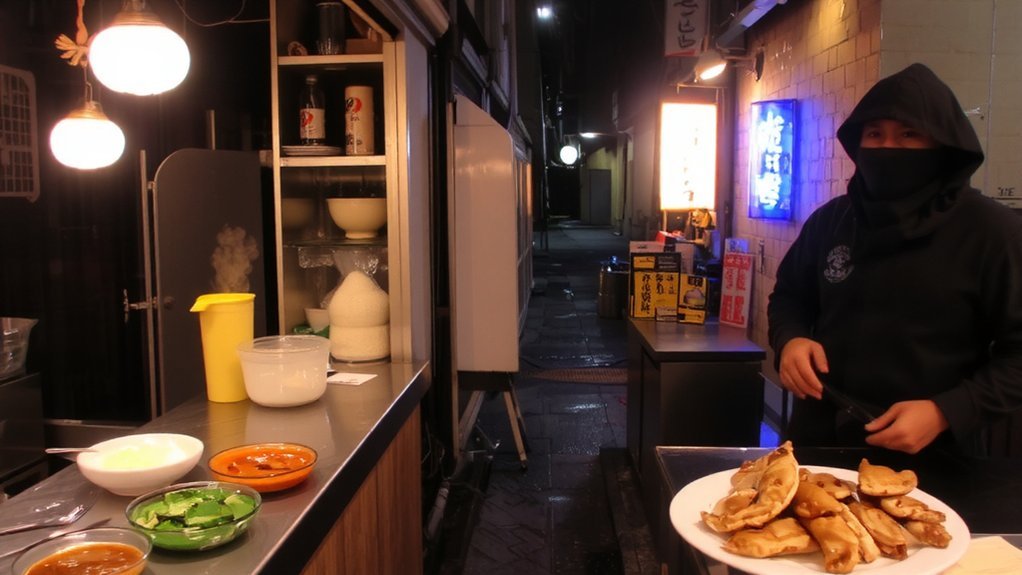
Starting with cravings, you’ll move from iconic bites to local secrets, plate by plate. On Secret Food, you chase flavor-first stops: buttery toro sushi, crackling yakitori, hand-cut soba, then a surprise—monjayaki scooped right off the grill. Ninja Food leans show-me-how: chefs demo knife work, ramen tare blending, tempura oil tests, so you taste and learn cooking techniques without the lecture yawns. Both tours spotlight seasonal specialties—spring bamboo shoots, summer eel, autumn matsutake, winter oden—yet the tempo differs. Secret feels like a well-curated feast. Ninja feels like a backstage pass. Expect wagyu tastings, pickled sides, wagashi desserts, and a bold sip or two. Allergies? Speak up early, they adapt fast. Want heat, crunch, umami? You’ll get it. Come hungry, curious, and ready to say yes.
Neighborhoods and Routes
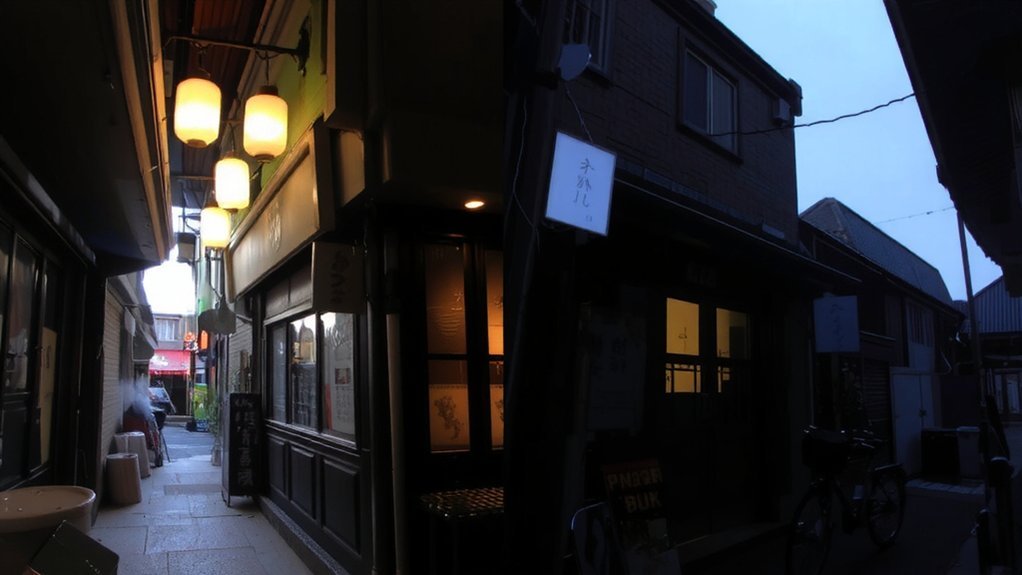
You’ll pick between a Shinjuku loop—neon alleys, yakitori smoke, quick turns—and an Asakusa loop—temple-front stalls, old-school sweets, a calmer arc. Set your pace: brisk 2–3 miles in Shinjuku with standing bars, or an easier 1–2 miles in Asakusa with seated tastings; wear comfy shoes, load a Suica/PASMO, thank yourself later. Expect a short subway hop if routes mix, pad 10–15 minutes per transfer, and in rain, choose tours with covered arcades or fewer crossings—your feet will absolutely send a thank-you note.
Shinjuku Vs Asakusa Loops
While both loops deliver big flavors, they move to different beats—so pick by vibe, then map your steps. In Shinjuku, you plunge into neon canyons, Omoide Yokocho smoke, and Golden Gai whispers; bang out yakitori, gyoza, then slurp midnight ramen under night illumination. In Asakusa, you trace old-town lanes around Senso-ji, snack taiyaki and tempura-don, sip sake near lantern arcades, and ride Sumida breeze during seasonal festivals. Choose skyline, or shrine line. Either way, you’ll eat bold, feel free, and grin.
1) Start at Omoide Yokocho; order tsukune, then hit a standing bar for highball pairings.
2) Slip behind Nakamise; try ningyo-yaki hot, then a sesame croquette.
3) Photo stop: Kabukicho gate, then Golden Gai facades.
4) Quiet detour: Denboin-dori antiques, tea break, reset.
Walking Pace and Transit
Because Tokyo sprawls, pace yourself and let the trains handle the long jumps, then walk with intent inside each neighborhood. Secret Food moves briskly between tight clusters—Yurakucho alleys, Tsukiji backstreets—so you’ll hop short rides, then power-walk five to ten minutes per bite. Ninja Food lingers longer, covers farther; expect two or three stations apart, plus a few scenic detours. Read the room underground: Subway etiquette matters—queue lines, quiet voices, no messy snacks. Use Suica or Pasmo, tap in, tap out, don’t block doors. Mobility needs? Both tours flag Accessibility features: elevators at Ginza, tactile paving, wide ticket gates. Aim for 8,000–10,000 steps, but save knees with escalators. Rain? Pivot to arcades. Lost? Follow noodle steam, or the nearest convenience store glow. It always works.
Pace and Group Size
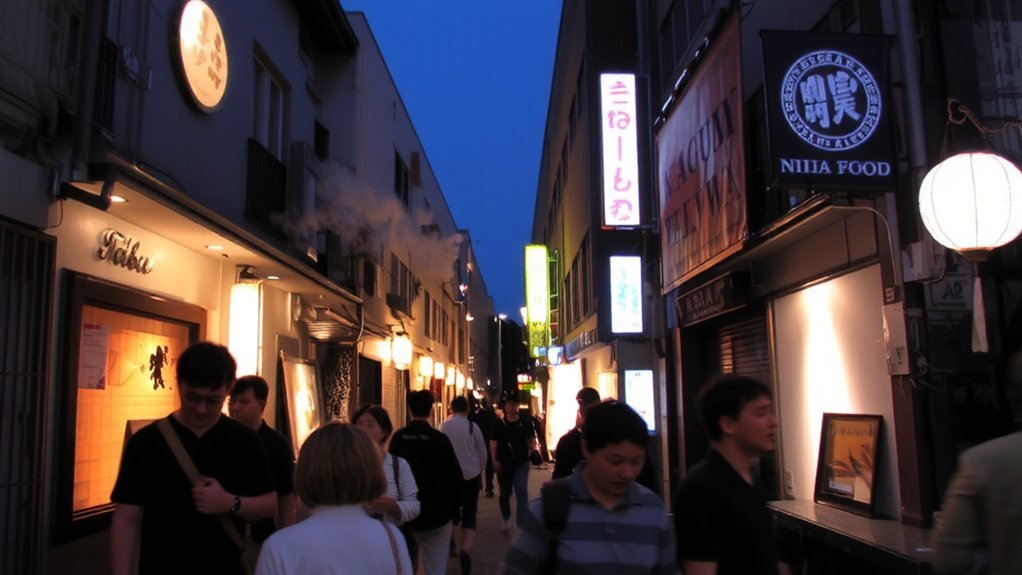
Pace matters: ask how many stops per hour, how far you’ll walk, and whether it’s a brisk street‑food hop or a sit‑down tasting with stories between bites. Group size matters too, because a cap of 6–8 feels intimate—faster seating, more questions, better photos—while 12–14 adds buzz but also wait time and fewer one‑on‑ones. Quick filter: want depth and attention, pick small groups; want energy and variety, go bigger, and confirm the maximum headcount before you book.
Tour Pacing Differences
If you hate sprinting between ramen counters, pay attention to pace and group size—they shape your whole night. Secret Food moves like a steady stroll, time to chat with vendors, breathe, jot a note. Ninja Food runs a tighter clock, quick hops, sharp shifts, still fun if you like momentum. Your call: do you want buffer time or a beat-to-beat plan? Think energy management and schedule flexibility, especially after a long flight.
- Test your pace: can you handle five stops in three hours, or do four with longer sits?
- Watch transfer time: brief subway jumps versus mostly walking alleys.
- Look for built-in pauses—tea breaks, photo stops, restroom windows.
- Confirm guide cues: hand signals, regroup points, and how delays get handled.
Maximum Group Size
While it sounds minor, maximum group size changes everything about a food tour—how fast you move, how long you wait, how much you actually eat. Secret Food caps groups at 8, so you slide into counters, grab second helpings, and chat with chefs. Ninja Food runs up to 14, still fun, but slower at doorways and tighter at tiny izakaya tables. Smaller groups feel nimble; larger groups feel social, louder, a bit herded.
Ask yourself: freedom or frenzy? If you want space, fewer photos in your face, and lighter privacy concerns, pick Secret. If you crave buzz and more traveler banter, go Ninja. Practical bits: smaller caps speed bill-splitting, ease dietary pivots, and reduce no-shows. Larger caps mean insurance coverage, redundancy, and price breaks.
Access to Hidden Gems
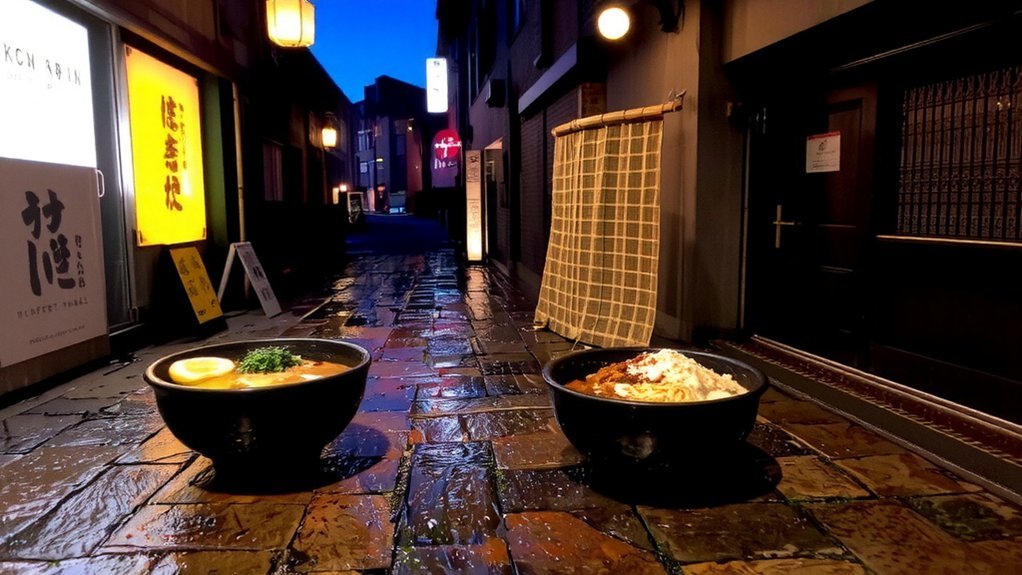
How do you get past the noren curtain and into the tiny, cash‑only spots locals keep off Google Maps? You go with a guide who’s earned trust, not just mapped routes. Secret Food leans on long friendships, promising quiet doorways, small counters, steady welcomes. Ninja Food moves fast, decoding alleyways, slipping you into micro-shops without fuss. You’re not stuck in tourist lines; you’re inside, tasting what locals actually order.
- Off hours access: hit a ramen lab at 3 p.m., no crowd.
- Chef introductions that spark stories, extra bites, and menu hacks.
- Reservation wrangling for six-seat grills that never answer phones.
- Neighborhood decoding: handwritten signs, ticket machines, etiquette, cash tips.
Pick your style—relationship-heavy or stealthy—and you’ll eat freely, curious, unhurried, exactly where locals linger most.
Drinks and Sake Experiences
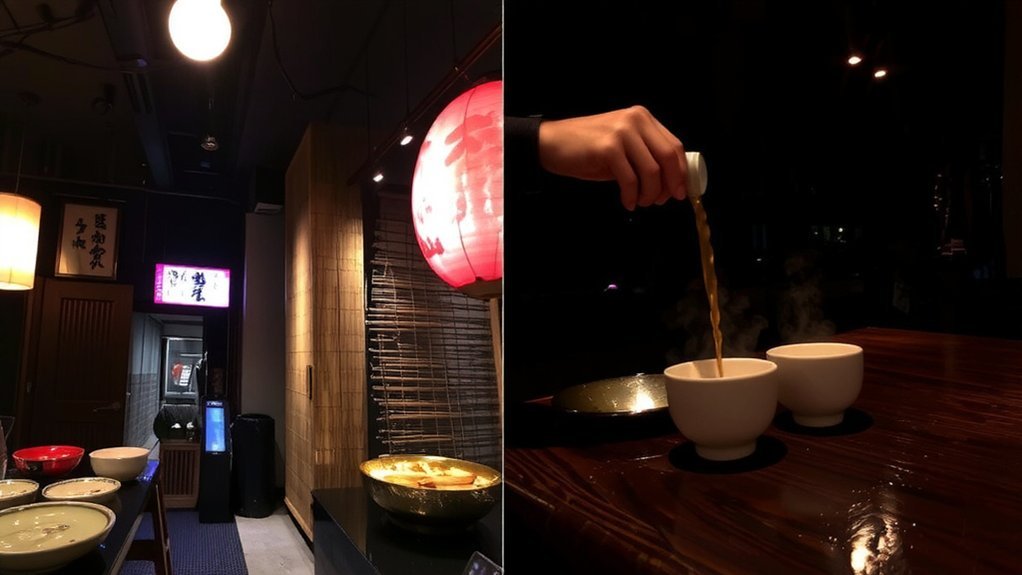
Sipping your way through Tokyo works best with a guide who knows where the good bottles hide and which stools are worth the seat fee. Secret Food steers you into snug tachinomi, pours crisp junmai, and translates brewing techniques without the lecture. Ninja Food jumps between neon highballs and hushed sake bars, quick, playful, but still precise. You’ll learn tasting etiquette—don’t swirl like wine, do nose, sip, breathe. Ask why one cedar cask sings while another whispers. Try a flight, then a highball. Hydrate, pace, note your favorites, and yes, eat the otsumami.
| Move | Why it matters |
|---|---|
| Order light-to-rich | Keeps palate sharp, reveals nuance. |
| Warm one pour | Tests aroma shifts, body, balance. |
| Kanpai, then sip | Respect rhythm, avoid crowding flavors. |
Leave room for surprises.
Pricing and Value
After the kanpai comes the bill, so let’s talk what it costs and what you actually get. Secret Food leans mid-range, bundles more bites, and includes tax; Ninja often prices slightly higher, but folds in tastings and one drink. Watch add‑ons: sake flights, wagyu upgrades, and surcharges can nudge totals. Seasonal pricing kicks in during cherry blossom weeks and holidays, so book early now, or slide dates. Both tours post clear refund policies—48 to 72 hours is common—yet last‑minute no‑shows still pay. Do the math, not the hype.
- Scan inclusions: count dishes, drinks, and any market fees.
- Calculate per-stop cost and total minutes eating.
- Check group size caps; smaller groups equal richer access.
- Hunt codes, weekday slots, and bundle deals.
Who Each Tour Suits Best
While both will feed you well, they serve different travelers. You want the right vibe, the right pace, the right crowd. If you’re a planner, craving context and tucked-away bites, Secret Food fits. You’ll meet small groups, swap stories, and follow a clear arc. Prefer spontaneity, sizzling grills, and quick hops? Ninja Food hits. It’s punchy, playful, great for short attention spans. Solo travelers: both welcome you, but Ninja’s icebreaker games make mingling easy. Consider language preferences, too—Secret often offers multilingual guides; Ninja leans English-first.
| Tour | Best For |
|---|---|
| Secret Food | Planners, detail lovers, photographers. |
| Ninja Food | Extroverts, night owls, fast explorers. |
If you’re shy, choose Secret and warm up slowly; if you crave sparks and street buzz, pick Ninja and jump right in tonight.
Conclusion
So, test the theory: your night reflects your map. Sketch it. If you crave seasonal bites, quiet alleys, chef stories, choose Secret Food—steady pace, small groups, multilingual guides, sake sips, fair value. If you want grills roaring, highballs clinking, demos and fast hops, go Ninja—late, loud, social, with add-ons like wagyu. Shy planner? Secret. Extrovert explorer? Ninja. Budget tight? Secret. After techniques and energy? Ninja. Either way, you’ll eat well and leave smiling in Tokyo.