
Funny coincidence—you want a Tokyo day tour, and Tokyo wants you to pick wisely. Start by comparing identical routes: ask for sample timetables, final cost breakdowns, and what’s excluded—lunch, shrine fees, subway passes. Check group size (8 vs 30), guide credentials, interpreter level, and pickup details. Confirm cancellation terms and payment options. Local firms = nuance and flexibility; international brands = polish and safeguards. So which suits your goals tomorrow?
Price, Value, and Hidden Costs
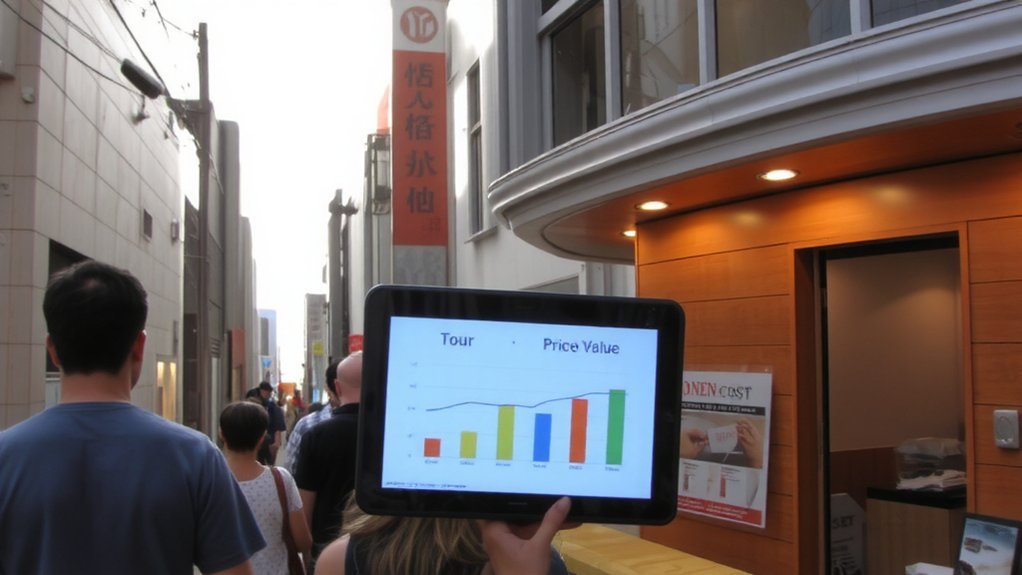
Before you click “Book,” get clear on what that tour price really buys—and what it doesn’t. Local operators often post lean base rates, then add rail fares, shrine admissions, and lunch as you choose. International brands bundle more, charge higher, and use dynamic pricing in peak weeks.
Read the inclusions line by line. Ask for surcharge transparency: hotel pickup, overtime, private car tolls, weekend premiums. Confirm group size; eight guests feels nimble, twenty feels herded. Check if guides meet you at the station or your lobby, and who pays transit.
Concrete moves: set a cap, request a sample timetable with costs, and compare two identical routes. Watch for “from” pricing, currency spreads, and sneaky booking platforms. No surprises, just Tokyo. Freedom comes from clarity.
Language Support and Cultural Depth
Even if you don’t speak Japanese, you can get far—if the tour’s language support is real and the cultural depth goes past trivia. You want guides who translate nuance, not just menus. Ask about Interpreter availability, accents, and on-the-spot help at shrines, shops, stations. Local companies often bring lived stories, neighborhood slang, and quiet etiquette cues. International brands can be clear and structured, but demand soul, not scripts. Ask for simple kana aids, maps, and respectful body-language tips.
- Meet your guide early; test pace, clarity, and humor with two quick questions.
- Confirm Cultural workshops: tea, calligraphy, wagashi—hands on, not photo-only.
- Request glossaries, key phrases, and cultural do’s/don’ts you can use today.
- Seek context: why bowing angles matter, how seasons shape food, what silence signals.
Flexibility, Itineraries, and Group Size
Once you’ve got a guide who translates nuance, make sure the plan bends without breaking. You want options, not a script. Favor customizable schedules that let you pivot: swap Meiji Shrine for teamLab, chase ramen instead of sushi, linger in Yanaka when the light turns golden. Ask how the itinerary adapts to crowds, weather, and your energy. Can they reorder stops? Add a detour? Good. Small groups amplify freedom, cutting wait times and awkward herding. You’ll slip onto trains, snag counter seats, chat with vendors, and actually hear the stories. Seek clear time boxes, buffer windows, and a headline must-do per block. Build around anchors—Shibuya Sky, Tsukiji tastings, Sumida cruise—and keep margins. Flex, but keep the thread. Your day, your pace, zero dead time.
Booking, Cancellation, and Payment Options
How do you lock in a tour without locking yourself into stress? Book early, but keep your exit routes. Local companies often take smaller deposits and accept cashless apps; internationals lean on credit cards and stricter deposit deadlines. Read cancellation windows: 48–72 hours free is common locally, a week or more abroad. Push for transparent fees—currency conversion, no-show penalties, reschedule costs. Use insurance policies to cover illness, flight delays, or typhoons. And always document: confirmation emails, chat logs, timestamps. You want flexibility, not friction.
Book early, keep exits: flexible deposits, clear fees, insured, documented, zero-fuss cancellations.
- Compare refundable vs nonrefundable rates; pay a tad more for freedom.
- Set calendar alerts for deposit deadlines and last-cancel dates.
- Test payment portals; failed checkouts eat time and deals.
- Ask for written exceptions during peak festivals; polite persistence pays often.
Top Picks by Traveler Type and Trip Goals
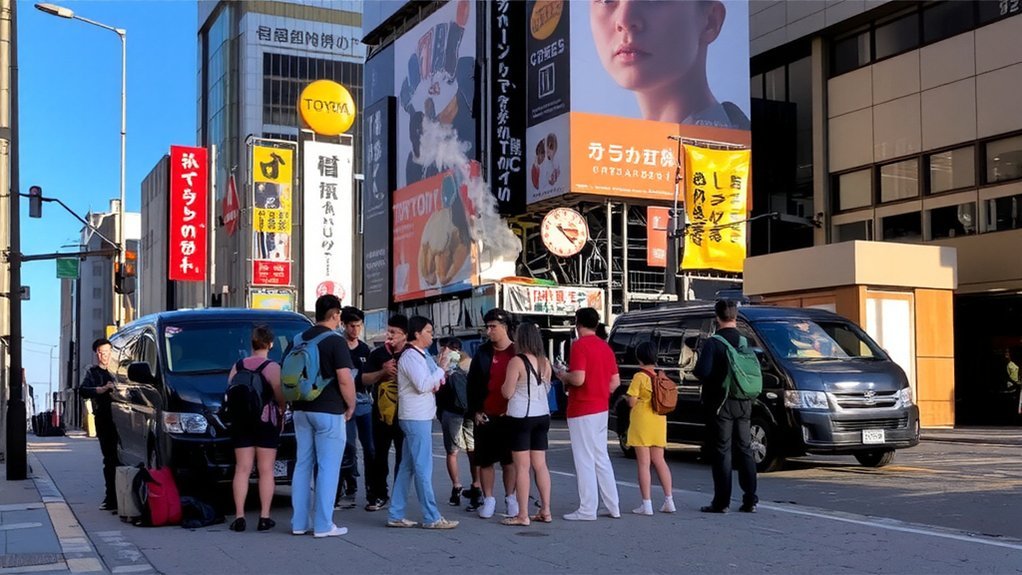
With your dates and deposits squared away, it’s time to match the tour to you—who you are, how you move, and what you want out of a day in Tokyo. For Family tours, choose local guides who pace things, add kid-friendly ramen stops, and handle stroller-access at shrines. Multigenerational? Ask for elevator-heavy routes and a private van. Food obsessed? Book a market-to-izakaya crawl with a bilingual pro; dietary needs, pre-confirmed. Photo hounds, chase blue-hour rooftops with small groups. Solo adventures? Go nimble: cycling in Asakusa at dawn, or a bar-hop in Golden Gai, with meetup points. History-first travelers, pick museum-and-temple circuits run by certified docents. Short layover, big goals? Commission a custom, three-neighborhood blitz. One rule: verify group size, transit modes, and start times.
Conclusion
You’ve got two doors: local flair or global polish. Pick like a pro. Compare identical routes, ask for sample timetables and cost breakdowns, then read the fine print—twice. Test language and guide quality, not just badges. Confirm pickup, cancellation windows, and payment rules. Prefer small groups, flexible stops, and itineraries tuned to interests—ramen alleys, shrine etiquette, vintage arcades. International brands? Great for guardrails. Locals? Great for depth. Either way, you call the shots, not brochures.