
Most travelers don’t realize many “local-led” Tokyo tours require licensed guides and carry insurance—you can ask to see both. With a resident guide, you’ll pivot on the fly: ramen at a counter with three seats, a shrine’s back gate at dusk, a Suica hack to skip lines, even which kombini snacks won’t disappoint. You’ll also see line-item pricing, not mystery fees. Worth it? Depends—on five smart checks you should make next.
What Counts as a “Local-Led” Tour Vs a Regular Tour
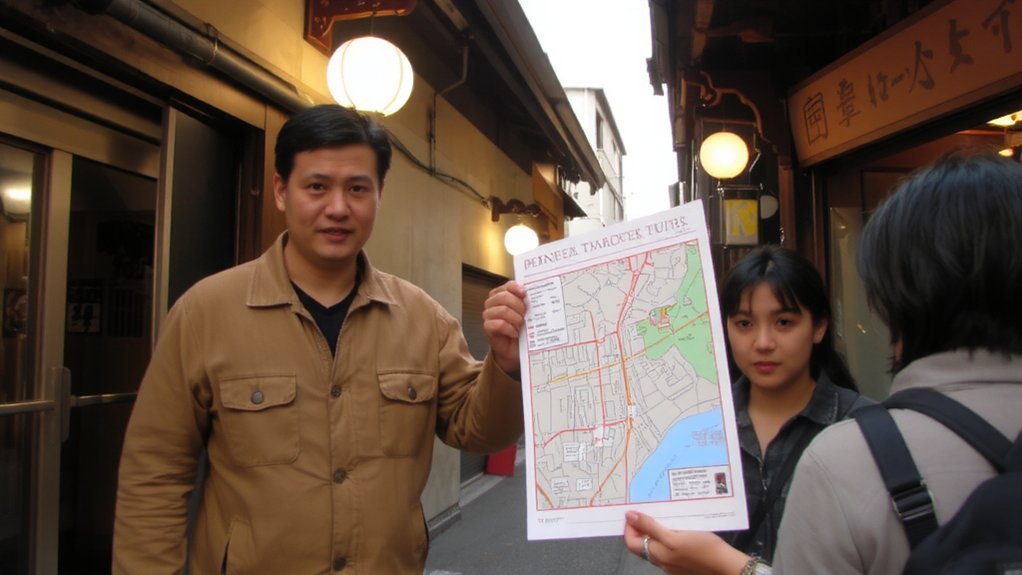
Because labels get fuzzy fast, here’s the clean split: a local‑led Tokyo tour is built and steered by someone who actually lives here, knows the quirks of each neighborhood, and adjusts on the fly—while a regular tour follows a fixed script, same sights, same jokes, rain or shine.
How do you spot it on the street? Listen for origin stories about ramen shops, alley shrines, graffiti crews. Watch for detours: a sudden left into a kissaten, a quick train hop to dodge crowds. Ask who designed the route.
Local guides say I instead of they, and introduce friends by name. They handle label ambiguity upfront: licensed, insured, and rooted. Regular tours stick to headsets, umbrellas in a line, trivia read from a clipboard. daily.
Cost Breakdown and What You Get
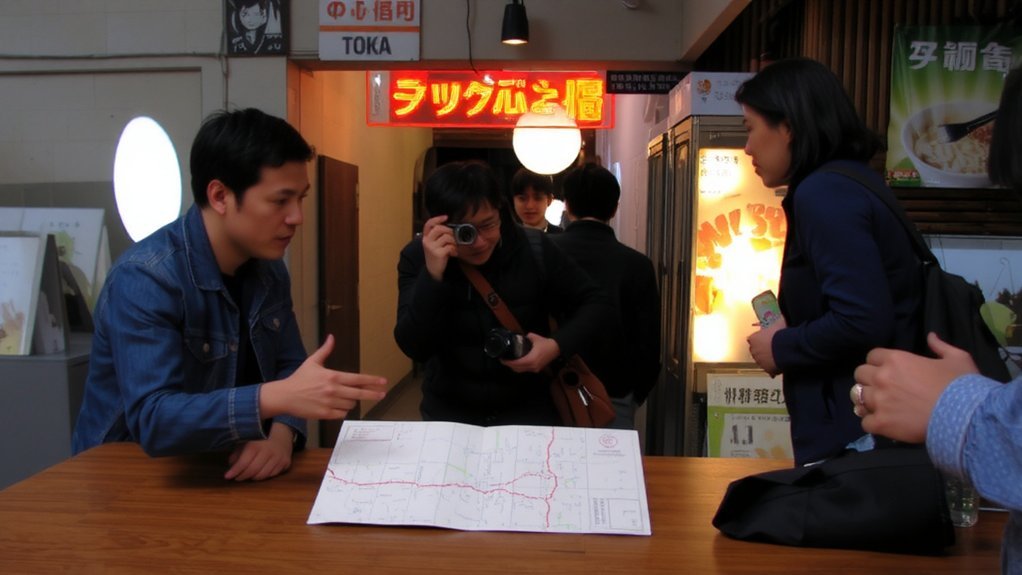
You’ll unpack what you’re paying for on a local-led Tokyo tour, line by line, so you know if the price matches the experience. Compare the base guide fee, per‑person add‑ons, transit (Suica rides or the odd taxi), food tastings, entrance tickets, and platform/processing charges, and watch for group-size premiums, hours, and seasonal surcharges—no mysterious “guide magic” fee. Then check inclusions that create real value—custom route, language help, reservations, insider spots, photos, rain plans—and what’s extra, like bar cover charges or bullet-train legs, because that clarity turns a fair price into a smart buy.
Price Components Compared
Before you book, get clear on what the tour price actually covers, and what it doesn’t. Local-led tours usually quote a base guiding fee, then layer platform charges, Japan’s consumption tax, and sometimes a per-guest supplement. Group tours tend to bundle costs and scale cheaper per person, while private tours price by time and access. Check currency conversion: your card may add 2–4% and a poor rate; a provider billing in yen often saves you. Ask about tax treatment—tax included or added at checkout?—because 10% shifts totals fast. Factor peak-hour surcharges, hotel pickup fees, and last‑minute rescheduling penalties. Tipping isn’t required in Japan, but some platforms suggest it. Cancellation windows matter, too; flexible policies cost more, yet protect your freedom when plans suddenly change.
Inclusions and Value
Most Tokyo-by-local tours promise a guide and a good time, but the real value sits in the inclusions. Look for door-to-door meetups, transit cards loaded for the day, and admission covered at one or two key sights. You’ll want complimentary maps, not glossy fluff but annotated routes your guide actually uses. Food matters: a ramen stop and a market tasting beat generic buffet vouchers. Ask about small-group caps, language flexibility, and time buffers—freedom lives in wiggle room. Good tours bundle souvenir discounts with vetted shops, so you save without haggling. Transparent cost breakdowns help: guide fee, transit, entries, tastings, tips policy. Do they share a post-tour message with links and spots? Gold. You leave ready to roam solo. Confident, curious, and fully in control.
Flexibility and Customization
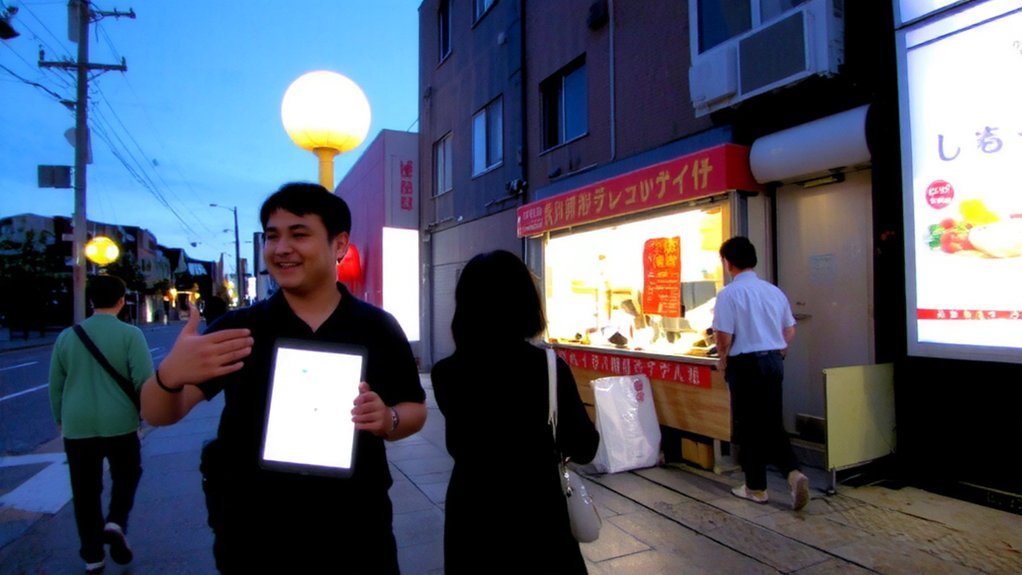
When you book with a local guide, the plan bends to you. You set the pace, the start time, even the vibe. Want temples at dawn and ramen at noon? Done. Prefer art districts over malls? Say it. Your guide adjusts on the fly with smart Activity Swapping, so rain, crowds, or cravings don’t derail your day. Allergies, budgets, mobility needs—they account for those, too. You’ll get clear options, quick pros and cons, then a crisp decision. Expect Surprise Add ons when time allows, like a quick stationery stop or a photo detour, never forced, always optional. You can pause for coffee, extend a museum, skip a shop. Real flexibility means fewer rules, more you. That’s the point—and the payoff. Simple, personal, liberating freedom.
Access to Hidden Gems and Special Experiences
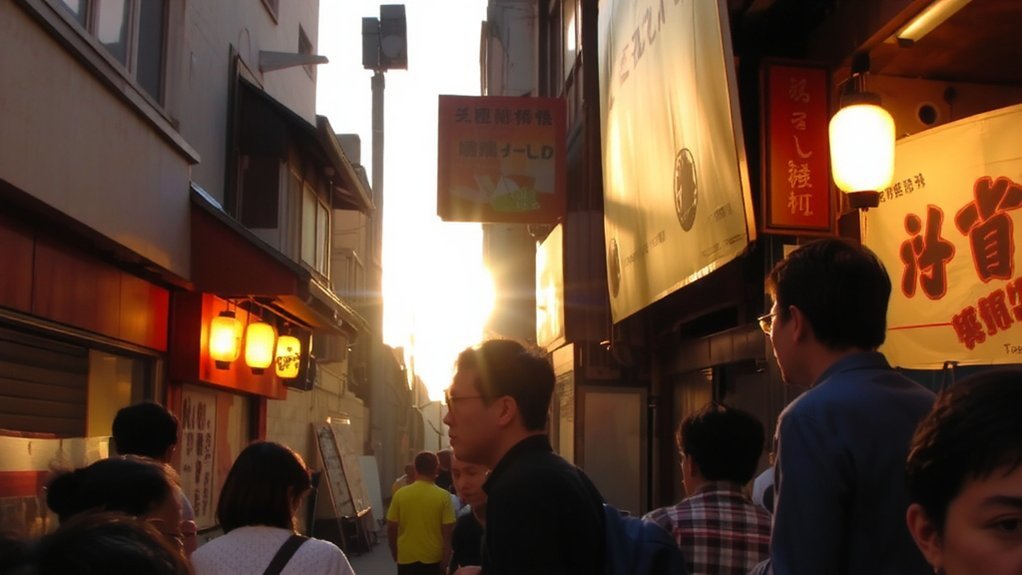
All that flexibility isn’t just comfort—it’s a key. With a local guide, you slip past the obvious and into quiet courtyards, basement galleries, and tiny rooftops. You hop trains to offbeat neighborhoods, then wander alleys where menus are handwritten and the chef nods you in. Limited seats, zero fuss, big stories.
Here’s how that access looks, fast and clear:
| Spot | Why it’s special | Pro tip |
|---|---|---|
| Micro-roastery | Single-origin tastings, no lines | Go before 10 a.m. |
| Indie shrine market | Crafts, zines, rare vinyl | Bring cash, small bills |
| Night ramen lab | Rotating broths, culinary pop ups | Ask for “today’s test” |
Book same-day slots, accept detours, trust the timing. You’ll leave with keepsakes, and better—permission to explore. Moments you can’t script, but you can absolutely chase. In Tokyo.
Language, Etiquette, and Cultural Translation
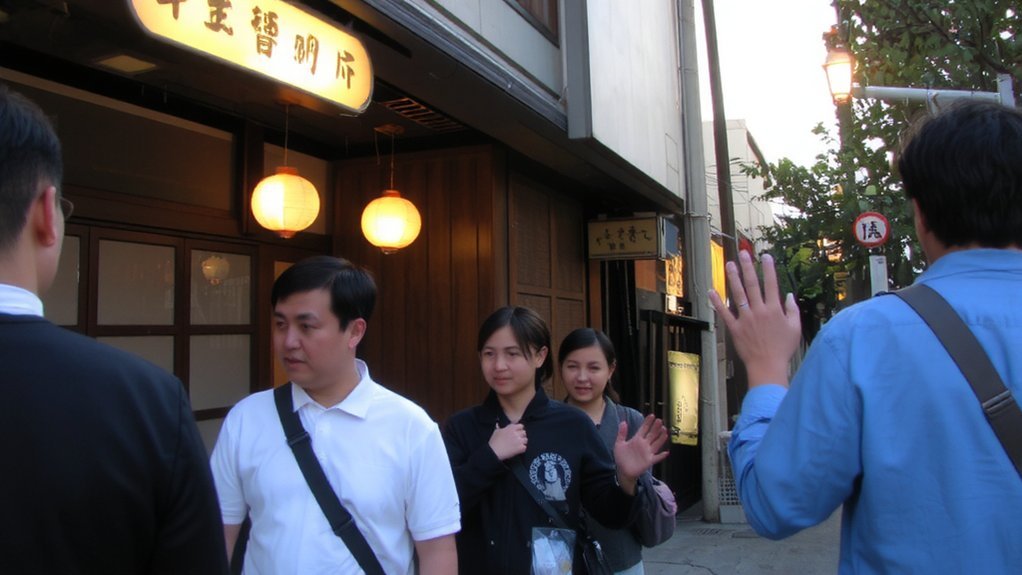
How do you go from polite tourist to welcomed guest? You learn the code, then use it. Your local guide translates nuance, not just nouns: when to bow, how deep, where eye contact helps, where it jars. They coach Honorific usage—san, sama, sensei—so you greet elders and staff with clean respect. They fine-tune Gesture interpretation: no pointing, offer an open hand, tap your chest for “me,” not your nose. In shrines, step to the side, rinse left, then right, then the cup. On trains, keep your voice soft, phone silent. At izakaya, pour for others first, then receive, quick smile, light nod. Ask before photos. Thank with “arigatou gozaimasu,” mean it, and you’ll feel doors, and hearts, open. Small moves, big cultural wins, freedom.
Group Size, Pace, and Comfort
Because Tokyo moves fast, your tour should move at your speed, not the crowd’s. Local guides keep groups small, so you set the rhythm. Prefer a swift loop through Shibuya and Shimokitazawa, or a slow, snack-by-snack stroll? Say it. You choose walking distance, break frequency, and even where to sit for people-watching. Big buses can’t flex like that.
- Space to breathe, hear the city, and not elbow anyone for a photo.
- Time to linger when a ramen shop calls your name—zero guilt.
- Gentle nudges to keep momentum, never the cattle-herd push.
- Real pauses: water, restrooms, tiny parks, then back at it.
If you’re introverted, small groups soothe. If you’re social, they spark. Either way, you stay comfortable, curious, and moving. Tokyo meets your terms.
Safety, Insurance, and Reliability
Before you book, check how the company vets guides: are they licensed (e.g., National Government Licensed Guide Interpreter), background‑checked, and first‑aid trained, or just “good with tourists”? Ask for proof of liability coverage in plain numbers—per-person and per-incident limits, whether it includes medical expenses and third‑party property damage, plus what’s excluded; a quick PDF beats promises. Then confirm emergency protocols: a 24/7 hotline, clear meet-up points, multilingual help, a plan for earthquakes or typhoons, and permission to call 119 fast—bonus points if they know the nearest koban and carry a basic kit.
Guide Vetting and Licensing
While great stories sell a tour, safety, insurance, and proper licensing keep it standing when things get bumpy.
Ask guides how they’re vetted, and don’t be shy. You want proof of licenses, ID numbers, training logs, and background checks. Look for certification renewal dates, not dusty certificates. Verify memberships with Tokyo or national tourism bodies. If a guide dodges questions, walk.
- Confidence, because your time deserves pros.
- Ease, because plans beat surprises.
- Trust, because clarity beats charm.
- Freedom, because vetted guides let you wander farther.
Choose pros who brief you on routes, emergency contacts, and meeting points. You’re buying freedom, not guesswork. Quick checks: confirm language proficiency, first-aid training, and reviews. If they share references, call two. If they share nothing, it’s a no.
Liability Coverage Specifics
You’ve checked licenses and training; now make sure the paperwork pays out if something goes wrong. Ask for the policy certificate, not promises. You want general liability and personal accident coverage, with clear limits, named insureds, and territory. Read exclusions. Slips on temple steps? Gear damage? Claims happen.
Scan the fine print: jurisdiction clauses decide where you’ll fight, subrogation rights decide who can chase you. Request waivers, additional insured status, and primary, non-contributory wording.
| What to Review | Why it Matters | What You Want |
|---|---|---|
| Limits & Deductibles | Avoid surprises at payout | High limits; low deductibles |
| Named Insureds | Confirms who’s protected | You, guide, company |
| Territory & Scope | Makes certain Tokyo activities fit | Japan, walking tours, transit |
| Waivers & Endorsements | Aligns parties and priority | Additional insured; primary wording |
Emergency Protocols and Support
Even if nothing goes wrong, your guide should carry a clear, written emergency playbook—and walk you through it in two minutes flat.
You deserve to roam Tokyo with confidence. Ask clearly how they handle injuries, missed trains, or closures. A strong local pro has backups, contacts, and a plan for language gaps. You want specifics, not vibes:
- Quick triage steps, nearest hospitals, and 24/7 hotlines.
- Police liaison help, translations, and lost item recovery at stations.
- post incident counseling options, plus insurance claim guidance.
- Real-time reroutes, rain plans, and safe meetup points.
Check tools: spare Suica card, portable charger, maps, and an emergency phrase card. If something happens, they document it, loop in your insurer, and follow up. Freedom feels better with a safety net.
Sustainability and Authenticity Considerations
Because travel leaves a footprint, make your Tokyo tour with a local guide count—in ways that help the city, not just your feed. Choose routes that use trains, bikes, or your feet, and skip idling taxis; you’ll cut Environmental Impact fast. Eat at family-run joints, pay in cash when asked, and return dishware—tiny acts, big respect. Ask before photographing people at shrines. Learn basic greetings, bow lightly, queue. You honor Cultural Preservation, not just consume it.
Support artisans: buy tenugui, wagashi, incense, not mass trinkets. Bring a reusable bottle, refill at konbini, pack out trash; Tokyo’s bins are scarce. Time visits outside rush, avoid crowding doorways, speak softly. Tip? Rare—say thank you instead. And keep curiosity high, ego low. Always listen, then act mindfully.
How to Choose the Right Guide and Itinerary
How do you pick a Tokyo guide who gets you—and a route that actually fits your day? Start with personality fit. Read bios, watch intro videos, skim reviews for tone, not just stars. Do they crack wise, or go deep on history? Good. Next, map your learning goals: sushi craft, subcultures, Meiji politics, street photography. Then, timebox. Two neighborhoods beat ten rushed stops. Ask for transit plans, snack breaks, and rain options.
Pick a Tokyo guide who fits you—goals mapped, timeboxed, transit-ready, rain-proofed.
- Crave spontaneity? Choose flexible, no-script guides.
- Want depth? Pick specialists, not generalists.
- Hate crowds? Go early, go late, skip midday crunch.
- Need photos? Plan viewpoints, bring lenses, budget minutes.
Request a draft itinerary, push back on filler, and confirm costs, entrances, and start point. Night owl? Book golden-hour or neon runs. Done.
Conclusion
You’re choosing between a brochure and a lantern. Pick the lantern. Book a local-led tour, then verify the license, line‑item pricing, and liability coverage, ask for emergency protocols. Aim for small groups, flexible routes, and clear meeting points; request two tastings, one market, and one train transfer tip. Expect detours—quiet courtyards, shopkeepers’ stories, a surprise shrine. Regular tours map the streets; locals hand you the keys. Value plus safety, curiosity plus compass. That’s your Tokyo.