
On a clear winter morning, you can catch the 7:35 JR Chuo Rapid to Otsuki, switch to the Fujikyu Line for Kawaguchiko, and be lakeside by 10. Or take a ¥9,000 bus tour with fixed stops. Or hire a private driver (~¥45,000–60,000) for door‑to‑door speed, tolls handled, gear in the trunk, sunrise shots possible. We’ll stack costs, time, routes, and viewpoints—so you nail golden hour, not the last train. Which suits your day, budget, nerves?
Choosing Your Mount Fuji Day Trip Style
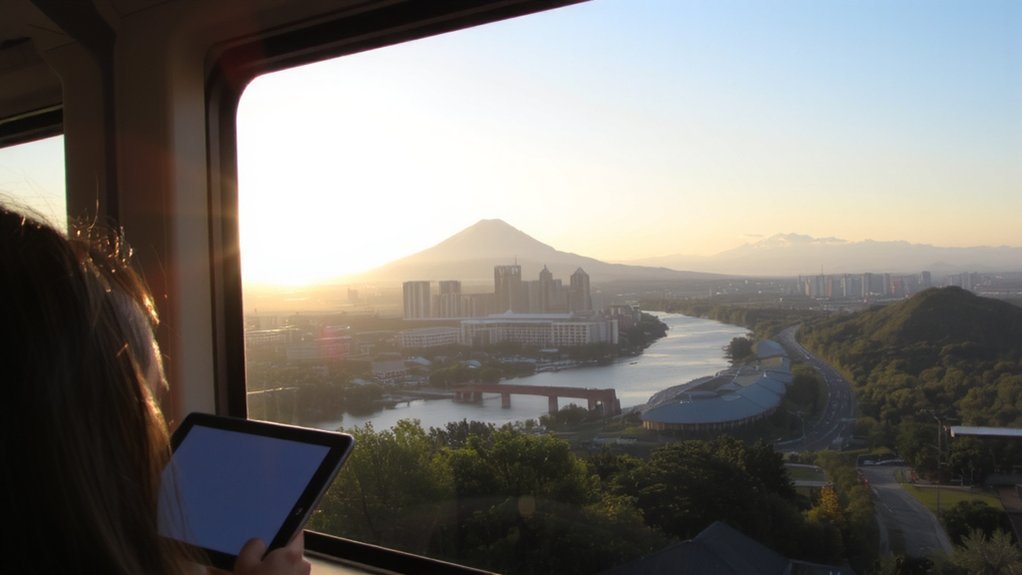
So, how do you want to meet Fuji‑san—through a bus window, a lakeside stroll, or from the summit at sunrise? Choose your style, then back into the logistics. Crave control? Ride the train to Kawaguchiko, wander the shore, then hop a boat or ropeway for angles. Want wheels? Rent a car, chase viewpoints, stop when clouds break. Photographers, plan golden hours; hikers, target the official season if you’re aiming high. Prefer low‑effort vistas? Pick an observatory deck, sip coffee, breathe. Whatever you choose, respect local etiquette—quiet on trains, no drones near shrines, pack out trash. Build a tight packing checklist: layers, rain shell, sunblock, cash, PASMO, snacks, headlamp if climbing, tripod if shooting. And yes, comfortable shoes. Freedom loves foresight. Light gloves, backup battery.
Guided Bus Tours From Tokyo: What to Expect
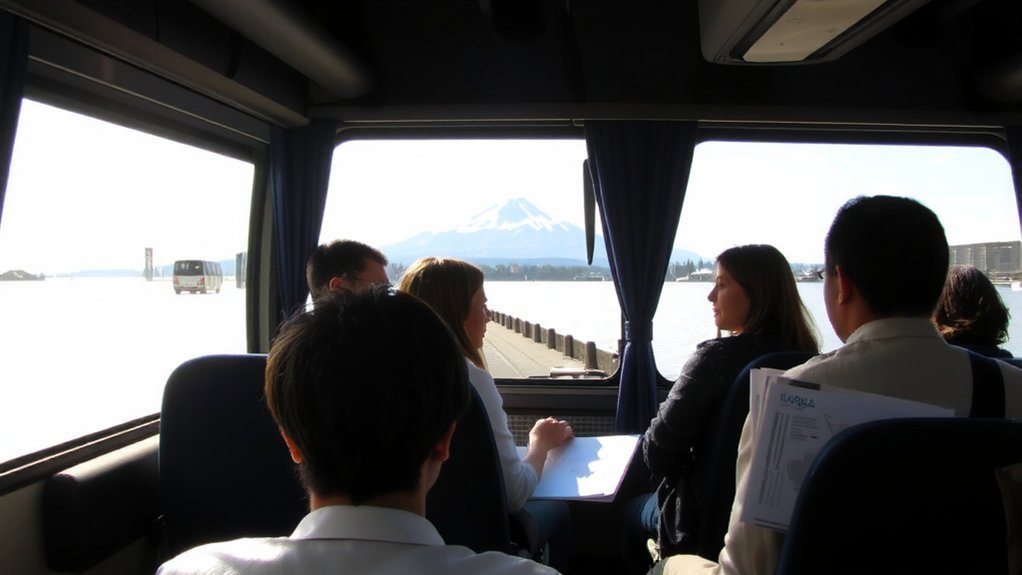
Even if you crave control, a guided bus tour is the easiest way to meet Fuji‑san with almost zero guesswork. You’ll meet at a central Tokyo pickup, board a comfy coach with Wi‑Fi and big windows, then roll west while your guide sets expectations. Guide personalities vary—some storytellers, some logistics ninjas—but all keep the day moving. Expect two to three key stops: Lake Kawaguchi views, Oshino Hakkai, maybe the Fifth Station if roads allow. Time slots are tight; you’ll get 40–60 minutes per stop, lunch prearranged or cash-in-hand. Safety protocols matter: seatbelts, headcounts, weather reroutes, and clear rendezvous points. Bring layers, cash, and a power bank. Bonus perks? Reserved tickets, no toll booths, and naps between vistas. You’re free to roam, without sweating logistics.
Private Driver and Car Hire: Costs and Convenience
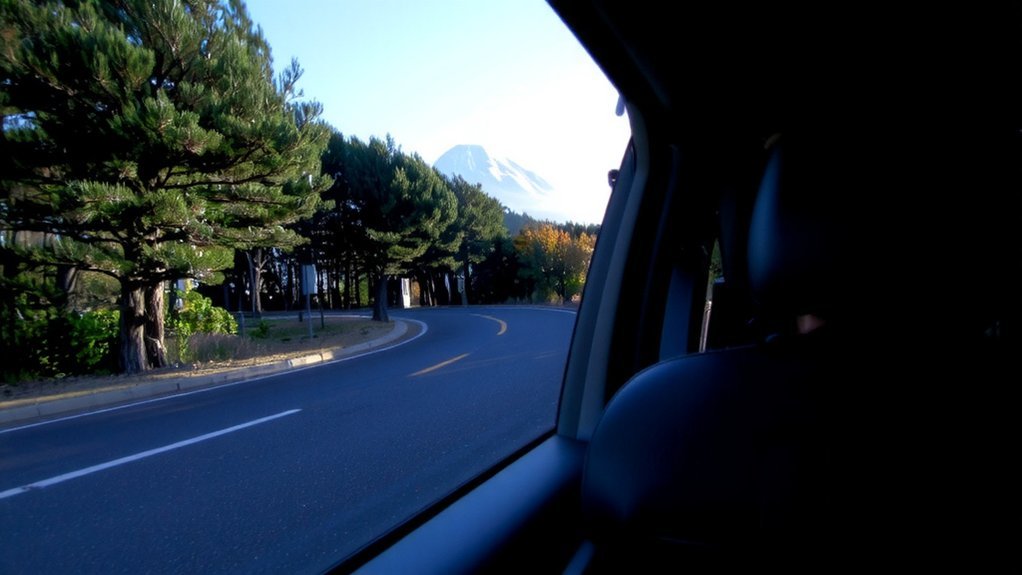
Craving zero transfers and luggage stress, straight from your Tokyo hotel to the lakes? A private driver typically runs ¥55,000–¥90,000 for 8–10 hours, plus expressway tolls ¥4,000–¥7,000 round-trip, parking ¥500–¥1,500 at viewpoints, and fuel ¥2,000–¥4,000; self-drive rentals are cheaper at ¥8,000–¥15,000 per day, but you still pay those extras. Ask for an ETC-equipped car to glide through tolls, keep cash or a card for Kawaguchiko and the 5th Station parking, and plan a fuel stop around Otsuki or Fujiyoshida—easy in, easy out.
Typical Daily Rates
Usually, a private driver and car from Tokyo to the Mount Fuji area runs 65,000–95,000 JPY for an 8–10 hour charter in a sedan (about $430–$630), while a roomy minivan lands around 85,000–120,000 JPY ($570–$800); luxury vans and VIP sedans push 120,000–180,000 JPY ($800–$1,200). That buys you door-to-door control, pick your pickup, pick your playlist. Rates typically include the vehicle, driver, basic insurance premiums, and scheduling support. Expect overtime at 8,000–12,000 JPY per extra hour, quoted up front. English-speaking driver? Often +5,000–10,000 JPY. Need a child seat or extra luggage space? Request it when booking. Service gratuities aren’t mandatory in Japan, but private hires may add 5–10% as a service fee—check. Watch for Golden Week and foliage-season surcharges. Confirm deposits, cancellation windows, payment options.
Tolls, Parking, Fuel
While your day rate covers the driver and car, the road still adds its own bill—tolls, parking, and fuel are often extra unless you book an all‑inclusive plan. Budget for expressway booths; Fuji runs usually rack up ¥4,000–¥7,000 in electronic tolls round‑trip, more if you detour lakes or passes. Parking at the 5th Stations or Kawaguchiko lots runs ¥200–¥1,000 per stop. Fuel? Expect 300–500 km in a day; at ¥170–¥190/liter, that’s ¥3,000–¥6,000 depending on traffic and fuel economy. Ask your driver to itemize receipts, or agree on a capped float, so surprises don’t nibble your freedom. Prefer control? Choose a hybrid or compact, cruise steady, avoid peak jams. Add small cash for village lots, vending breaks, and, yes, that view-inspired extra loop at sunset.
Door-to-Door Convenience
From your lobby to Fuji’s foothills, door‑to‑door hire feels like a cheat code. You skip stations, transfers, and guesswork; a private driver meets you at doorstep pickup, loads bags, and aims straight for views. Costs run higher than trains, yes, but split between four, it often beats tours, and you keep control—stops, music, snacks, silence. Most firms offer real time tracking and English support, so you know who’s coming, when, and in what vehicle. Door locks click, freedom.
- Choose a sedan for two, or a van for boards, strollers, and friends.
- Ask for an early start, beat Chuo traffic, catch lakeside light.
- Schedule a kombini stop, then Oshino Hakkai, then a ropeway dash.
- Confirm tolls and parking policy, plus hourly overtime, before you roll.
DIY by Train and Bus: Step-by-Step Routes

Two no-fuss routes get you from Tokyo to Mount Fuji on your own schedule. Route A: Shinjuku to Kawaguchiko. Grab the JR Chuo Rapid to Otsuki, transfer to the Fujikyuko Line, roll into Kawaguchiko Station in about 2.5 hours. Book seats if you want quiet, stash a daypack in Station lockers, then hop local buses to the lake or the 5th Station.
Route B: Shinjuku Express Bus straight to Kawaguchiko or Fuji Subaru Line 5th Station. One seat, no transfers, about 2 hours. Reserve online, arrive 15 minutes early.
Tactics: mind Platform etiquette—queue marks, backpacks off, no phone calls. Bring Suica, a backup snack, and layers. Buses stop early; catch the 4–6 pm return. Weather fickle? Pivot fast, chase views. Sunrise? Start before crowds.
Fuji + Hakone Combo Day Trips
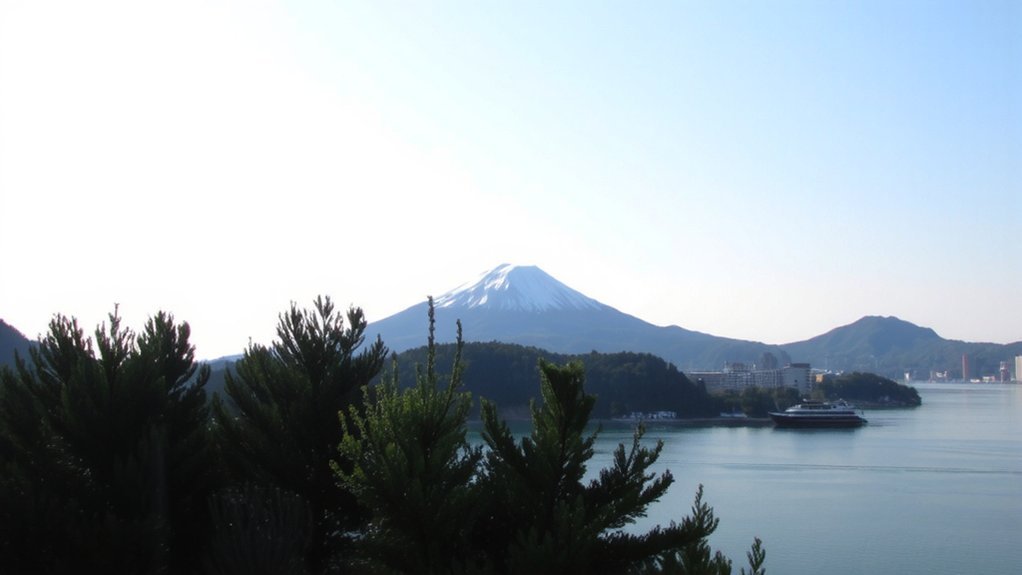
Want Fuji and Hakone in one punchy day? Start early, hit Lake Kawaguchi and the Chureito Pagoda for those classic shots, then swing to Hakone for the ropeway over Owakudani and a Lake Ashi cruise—use the Shinkansen or Romancecar to Odawara, grab the Hakone Freepass, and budget 12–14 hours, since ropeway and boats typically run about 9:00–16:00. Finish strong with a quick onsen soak in Hakone-Yumoto or Kawaguchiko (towels, rinse first, no suits), and yes, your legs will forgive you tomorrow.
Scenic Spots Covered
A red pagoda, a mirror lake, and a smoking valley—this Fuji + Hakone combo lines up Japan’s greatest hits. You chase views, not fences: Chureito Pagoda over Arakura Sengen Shrine, Lake Kawaguchi’s glassy shoreline, Owakudani’s steam vents, and the open water of Ashinoko with torii gates hugging the bay. Between shots, duck into tea houses and artisan workshops; taste, touch, breathe. You want icons, but you also want texture.
- Frame Fuji with cherry blossoms at Chureito, then wander the hillside cemetery—quiet, mindful.
- Stroll Kawaguchi’s north shore, find maple corridors, rent a rowboat if the wind’s kind.
- Ride the Hakone ropeway over Owakudani; sample sulfur eggs, watch plumes billow.
- Cruise Lake Ashi to Hakone Shrine’s floating torii; forest paths whisper, photos pop at golden hour.
Transport and Timing
Before the crowds wake, you aim for an early outbound and a late inbound—think 6:30–7:00 a.m. from Shinjuku, back by 9–10 p.m.
Take an express bus to Kawaguchiko, hop to Hakone via coach or Odakyu’s Romancecar. Off peak departures save time and hassle; you slide past queues, snag seats. Build buffers: 15 minutes for transfers, 30 for lunch. Weather shifts fast, so your plan should too.
| Time Block | Move |
|---|---|
| Dawn | Express bus gliding past neon, headphones on, coffee warm. |
| Evening | Romancecar home, city lights reappear, you grin. |
For the last mile, keep Suica topped up; taxis beat sprints, but walks are 10–15 minutes. Pack light, use a Shinjuku coin locker. Miss a connection? Relax—catch the next ride and keep rolling.
Ropeway, Cruise, Onsen
Linking peaks and ponds in one sweep, you ride a ropeway for Fuji views, cruise a caldera lake, then soak the miles off in hot spring steam—clean, simple, unforgettable. Start in Hakone: hop the Ropeway over Owakudani’s vents, sniff sulfur, snap Fuji when clouds part. Sail Lake Ashi on the pirate boat, then drift to a riverside onsen. Pack towel, swimsuit? Not needed; most baths are nude, separated, with tattoos sometimes restricted. Learn the historical origins of onsen etiquette, bow, rinse, relax. You’ll end lighter, louder, freer.
- Buy the Hakone Freepass, time slots matter, reserve buses back.
- Check ropeway status; volcanic alerts close it.
- Choose an eco-minded bathhouse, minimize environmental impact.
- Cloudy? Pivot to museums, then soak longer.
Beat traffic, return to Tokyo smiling.
Fuji Five Lakes (Kawaguchiko) Highlights and Loops
While Fuji’s summit grabs your eyes, Kawaguchiko is where you actually live the day: easy loops, big views, and enough stops to keep you smiling and fed. Start at Kawaguchiko Station, hop the red-line bus, and make a clockwise loop: Oishi Park for lakefront photos, Maple Corridor for shade, and the Music Forest for quirky charm. Jump off to wander, then back on—your rules. Want movement? Rent a bike and trace the north shore, flat and breezy. Detour to Chureito Pagoda for that postcard angle. Hungry? Try hoto noodles and other Local cuisine. Curious hands? Peek into Traditional crafts studios for indigo dye or woodwork. Cap it with lakeside coffee at sunset, then stroll the bridge, slow, content, free. You earned this wide calm.
Time and Budget Breakdown by Option
You want the fastest route or the best value? We’ll line up travel times for each option—Limited Express train about 1h50 (or longer with transfers), highway bus 1h45–2h30 depending on traffic, rental car roughly 2–2.5 hours if the roads behave. Then we’ll stack the costs, straight up—bus ¥2,200–¥2,600 one way, train about ¥4,000 each way from Shinjuku, car ¥7,000–¥12,000 per day plus tolls and fuel, tours from around ¥10,000–¥15,000—so you can match your clock and wallet without guesswork.
Travel Time by Option
How long will it really take, and what will it cost, to get from Tokyo to Mount Fuji? You want speed, flexibility, and minimal travel fatigue—especially if you’re still doing circadian adjustment. Here’s the real-world clock: departures, transfers, and the sneaky minutes you lose finding gates.
- JR Fuji Excursion from Shinjuku: 1h50–2h door to door when you stage near the station; add 10–20 minutes buffer for platforms.
- Highway bus to Kawaguchiko: 2–2.5h, usually direct; holidays can stretch to 3h.
- Shinkansen to Mishima + bus: 2–2.5h with a clean transfer; faster if trains align, slower if you miss the bus window.
- Rental car: 1.5–2.5h via Chuo or Tomei; traffic can bite on weekend mornings and Sunday nights.
Build buffers, breathe, and protect your freedom today.
Total Cost Comparison
Because money and hours both matter, let’s price each route the way travelers actually feel it: yen out of pocket, minutes lost to transfers, and little add‑ons that sneak up on you.
Highway bus: cheapest, about ¥2,200–¥3,000 one way, 2–2.5 hours, zero transfers; add seat selection, snacks, maybe lockers.
JR trains: ¥2,500–¥4,000 each way, 2–3.5 hours with changes; add seat reservations, bottled courage—coffee—plus time buffer.
Guided tour: ¥8,000–¥15,000 day rate, 9–11 hours door‑to‑door; includes tickets, but tips, lunch, and souvenir drift add up.
Rental car: ¥7,000–¥12,000 day, fuel, tolls, parking; 2–2.5 hours if roads behave.
Factor Currency fluctuations, and your JR Pass status.
Buy Travel insurance if nonrefundable.
Bonus costs: ropeway, lake cruise, umbrellas, and “just one” pastry.
Bring cash; some kiosks refuse cards.
Best Photo Stops and Viewpoints
Where’s the shot that earns the postcard? Aim for iconic angles with easy access, then add your twist. Chureito Pagoda gives that tiered-red frame; climb the steps, shoot wide, and let the pagoda anchor the mountain. At Lake Kawaguchi’s Oishi Park, use flowers, railings, or ripples for Foreground composition. Oshino Hakkai’s thatched roofs and clear ponds add texture, while Lake Tanuki mirrors Fuji on calm mornings. Riding the Hakone Ropeway, grab quick windowside layers—volcanic ridges, lake, peak. Golden hour framing? Yes, but trust your eye anytime you’ve got contrast and clean lines.
- Pack a small telephoto to compress Fuji and foreground towns.
- Step low, kneel, or back up; lead with paths, fences, boats.
- Use a polarizer to tame glare.
- Travel light: strap, battery, cloth.
Seasonal Tips: Visibility, Crowds, and Closures
Even with Fuji’s big personality, seasons call the shots—so plan around visibility first, then crowds, then what’s actually open. Winter and early spring give the clearest views, cold air slicing haze, but roads ice up and some trails, huts, and the 5th Stations can close. Summer? Cloud build-up after late morning, plus typhoon risk; start at dawn, lock in refundable tickets, and pack rain gear. Autumn brings crisp skies and lighter crowds midweek, with koyo color and energetic wildlife activity—give boar space. Spring’s for flower blooms: shibazakura carpets, cherry edges, also pollen and tour buses. Watch Fuji webcams the night before, then decide fast. Book timed buses, aim for weekdays, and arrive before 9 a.m. Backup plan: lakes, museums, onsen. Food stalls nearby.
Who Each Option Suits: Families, Photographers, Hikers, and Time-Crunched Travelers
A smart Fuji plan matches the route to your crowd, not the other way around. Traveling with kids or elders? Pick a bus tour with short stops, clean restrooms, and lake views; it’s low stress, high payoff. Photographers, you want sunrise or blue-hour slots at Kawaguchiko, with tripod-friendly space. Hikers, aim for a 5th Station start, pack layers, and check trail status. Time-crunched? Shinkansen to Mishima plus express bus saves hours.
- Families: loop Fuji Five Lakes, ride the ropeway, schedule snacks.
- Photographers: book a dawn departure, chase reflections, bring ND filters.
- Hikers: choose Yoshida Trail, rent poles, mind altitude.
- Speedsters: private driver, tight window, zero faff.
Mind accessibility needs, and soften language barriers with bilingual guides or simple translation apps.
Conclusion
Pick your Fuji game plan, then book it. Short on effort? Grab a guided bus, save yen, let someone else wrangle stops. Want control and dawn light? Hire a driver, stash gear, hit Chureito Pagoda before crowds. DIY soul? Train to Kawaguchiko, bus to Oishi Park, loop back via Hakone if skies hold. Check weather, start early, reserve seats, carry layers. Do this, and Fuji won’t just appear—it’ll roar like a thousand suns for you.