
Funny coincidence—you want ramen and Reddit wants you in Asakusa, Tsukishima, or Shinjuku. Start by picking a tour under eight seats, then check the guide’s license, language, and allergy chops. Look for seasonal stops, included tastings, clear drink policy, photos, and a sample route. Skip cash-only deposits and no-refund traps; avoid conveyor-belt sushi hype. Ask about flexibility and value. Want the quick checklist plus a few vetted picks?
Best Neighborhoods to Eat Through, According to Reddit
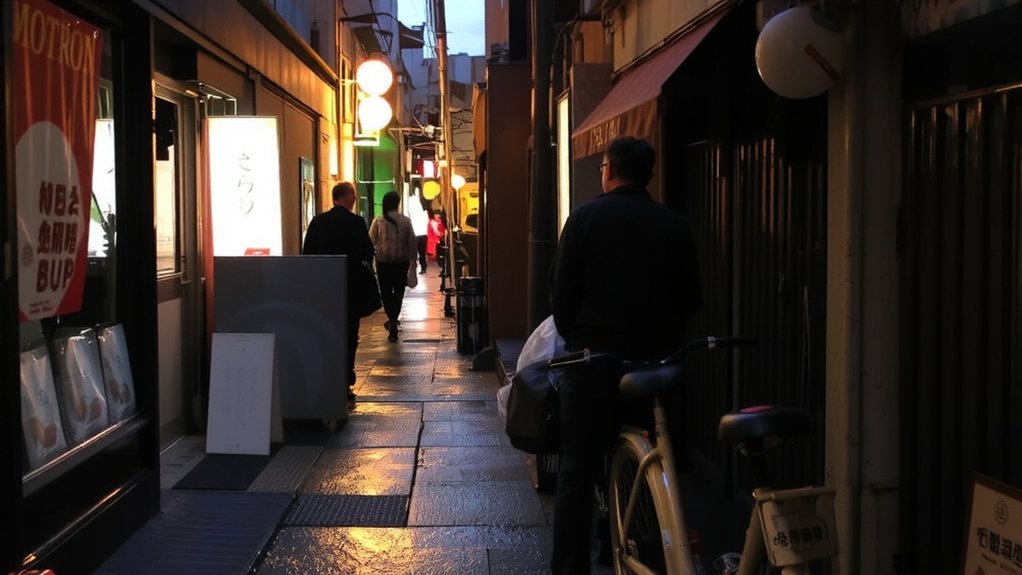
Because Reddit loves a good food rabbit hole, the consensus points you to a mix of classic “shitamachi” streets and modern snack hubs: start in Asakusa for tempura lanes and ningyo-yaki, then cross to Tsukishima’s Monja Street for griddled monjayaki you cook at the table. From there, roam Ueno’s market arcades, nibble yakitori, and chase it with matcha soft serve. Swing through Shinjuku alleyways at dusk, slip into a counter, order oden, listen to the sizzle. Hungry at sunrise? Hit Tsukiji stalls for tamagoyaki, tuna skewers, and buttery uni, stand and eat like you mean it. When you want sleek, try Ebisu and Nakameguro for craft beer pairings and gyoza flights. Map it loose, follow your nose, and keep moving. Freedom loves unplanned bites.
Spotting Authentic Tours vs. Tourist Traps
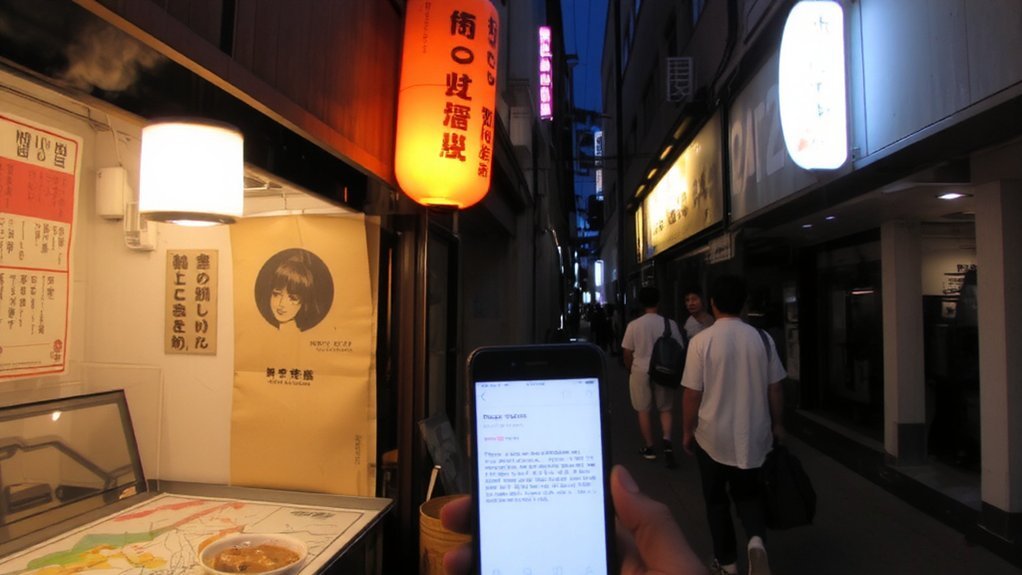
You’ve got your neighborhoods mapped and your appetite ready; now make sure the tour you book feeds you, not a marketing machine. Look for signs of Menu authenticity: rotating stops, seasonal bites, and dishes locals actually order. Scan photos—do you see conveyor-belt sushi and rainbow crepes, or simmering oden, yakitori with shio, humble soba? Follow the money. Real tours have Local partnerships, not kickback menus.
Choose tours that taste real: seasonal stops, local plates, true partners—not staged gimmicks.
- Ask where ingredients come from; fish markets, tofu shops, family bakeries.
- Check whether stops change when items sell out. Flexibility screams real.
- Read reviews that name dishes, not just “yummy.” Specifics matter.
- Peek at start times; off-peak tastings mean you’re not clogging lines.
If it reads like a coupon book, skip. You want chefs, stories, steam, and heat tonight.
Group Size, Language, and Guide Credentials
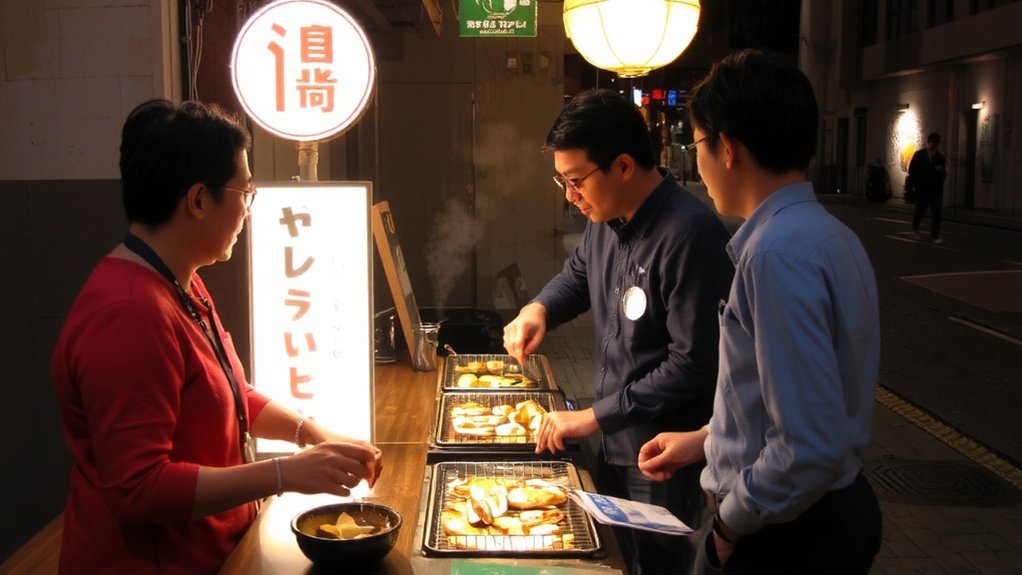
While group size sets the vibe, language and credentials decide if the night flows or stalls. Choose groups under eight if you crave nimble moves, alley pivots, and quick counter seats; larger groups suit extroverts who love banter and shared toasts. Check Group dynamics in reviews: do guests mingle, or trail like ducks? Prioritize guides with Language fluency in English and basic Japanese, so jokes land and orders don’t. Ask about certifications—licensed guide, food-safety training, allergy handling—and years in specific neighborhoods. Request sample stops, then probe: vegetarian options? standing bars ok? noise levels? If possible, message the guide; note response time, clarity, and tone. Bonus tell: a guide who sets meeting etiquette and exit plans. Freedom with guardrails—yes. That’s how your night truly breathes.
Budget, Inclusions, and Value for Money
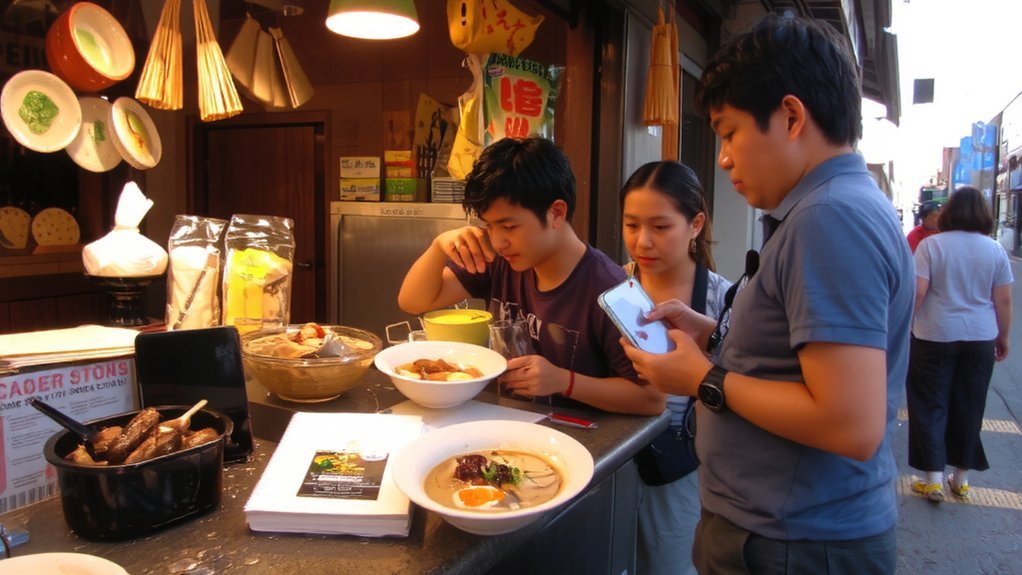
Great chemistry means little if the price doesn’t make sense, so match the guide to a budget that fits your appetite. Scan what’s included, not just the headline price. Are you getting three hearty tastings, or nine tiny bites? Ask if taxes, service, and subway hops are covered. And yes, check hidden fees and drink policies before you bite.
- Inclusions: number of tastings, portion size, dessert, and any premium bites.
- Drinks: one beer, soft drink, or tea included? Refills extra?
- Extras: guide photos, practical local tips, small gifts, or market fees.
- Logistics: neighborhoods covered, walking distance, and transit costs.
Do the math per stop, per smile. If a midrange tour feeds you well, teaches tricks, and lets you roam alleys you’d miss, that’s value.
Booking Windows, Cancellation Policies, and Red Flags
Before hunger makes the decision for you, lock in a tour with the right lead time and read the cancellation terms like a hawk. Peak weeks in Tokyo fill fast; book 2–4 weeks out, same-day only if you’re flexible. Scan for refund timelines, change fees, and policy transparency. If they hide details or dodge questions, walk.
| Checkpoint | What to look for |
|---|---|
| Booking window | 2–4 weeks normal; holidays 4–6. |
| Cancellation cutoff | 24–72 hours solid; tighter = riskier. |
| Refund speed | 3–10 business days; confirm processor. |
| Flexibility | One free reschedule, clear steps. |
Red flags? Cash-only deposits, WhatsApp-only contact, or “rain or shine, no refunds, ever.” Ask how they handle late trains, allergies, and minimums. Get it in writing, screenshot the terms, and set reminder before the cutoff.
Conclusion
You’ve got this. Pick a neighborhood focus—Asakusa snacks, Tsukishima monja, Shinjuku yakitori—then cap groups at eight for counter seats. Verify licensed, bilingual guides who handle allergies, rotate seasonal stops, and state drink policies, tastings, and sample routes with photos. Ask about flexibility and cancellations. Book early, but read terms. Avoid cash-only deposits, no-refund traps, conveyor-belt sushi, and crepe clichés. Trust your gut—measure twice, cut once—and choose value over volume. Then eat Tokyo, with friends, well.