
Want Tokyo tours without the markup? Book midweek in shoulder seasons, set price alerts, and compare Klook, KKday, and operator sites before you click. Lock refundable slots early for must-do hits, but watch for last‑minute drops on less seasonal stuff. Use IC cards over taxis, pick small local guides, and budget snacks. Favor promo-code stacks, card offers, and legit vouchers only. Free wins: Meiji Shrine, metro observatories. Next: when to time each move—exactly how?
When to Book for the Best Prices
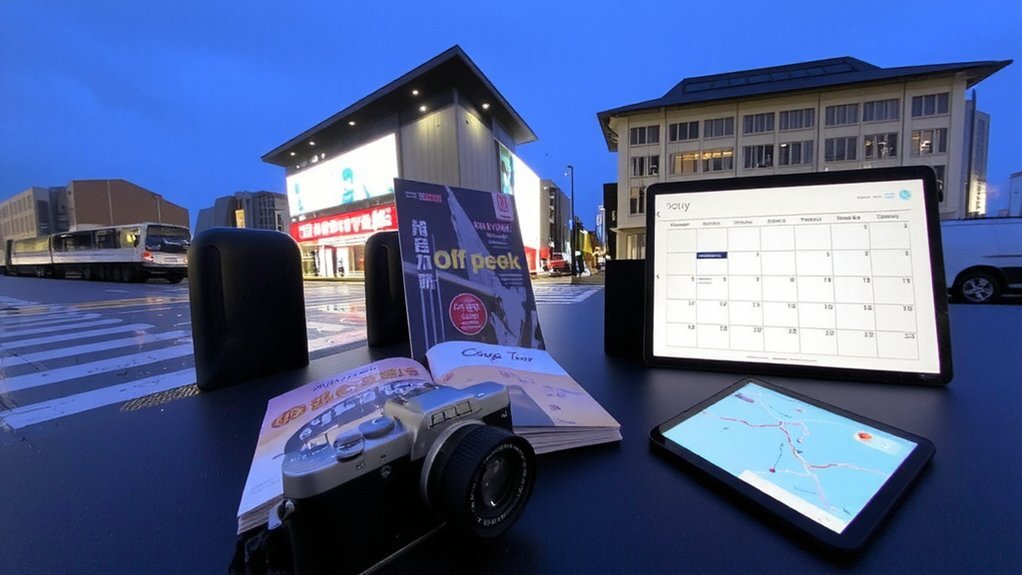
When should you click “book” to snag the best deal? You’ll save most when demand dips, not when crowds peak. Aim for Tokyo’s shoulder seasons—late autumn after leaves settle, or early winter before New Year buzz. Avoid cherry blossom weeks, Golden Week, and major festivals. Shop midweek, Tuesday through Thursday, when operators quietly drop rates. Set price alerts, follow your favorite tour companies on social, and pounce on flash sales—short, real, gone in hours. Compare morning vs. afternoon slots; midday often costs less. Check small-group caps, meeting points, and cancellation windows, then lock flexible options. Bundle transit cards with tours to trim extras. And keep a simple rule: if the price meets your target and terms fit your plans, book with confidence and freedom.
Early-Bird vs. Last-Minute Deals

You’ve mapped the best weeks and days to shop; now comes the big call—lock it in early, or play the last‑minute game? Book early when a tour is scarce, seasonal, or bucket‑list popular. You’ll beat Dynamic Pricing spikes, claim prime time slots, and sleep easy. Still want wiggle room? Choose refundable rates and set alerts; if prices drop, rebook.
Last‑minute can win, too, especially midweek or shoulder season. Operators cut rates to fill seats, and flash deals pop up. Protect yourself: favor tours with Cancellation Flexibility, read cutoff times, and screenshot inclusions. Compare total cost, not just headline price—gear, transit, taxes. Use price‑tracking apps, and cap your spend. Bottom line: commit early for must‑dos; gamble late for nice‑to‑haves. Keep options open, avoid nonrefundable traps.
Neighborhood Walks That Beat Pricey Bus Tours
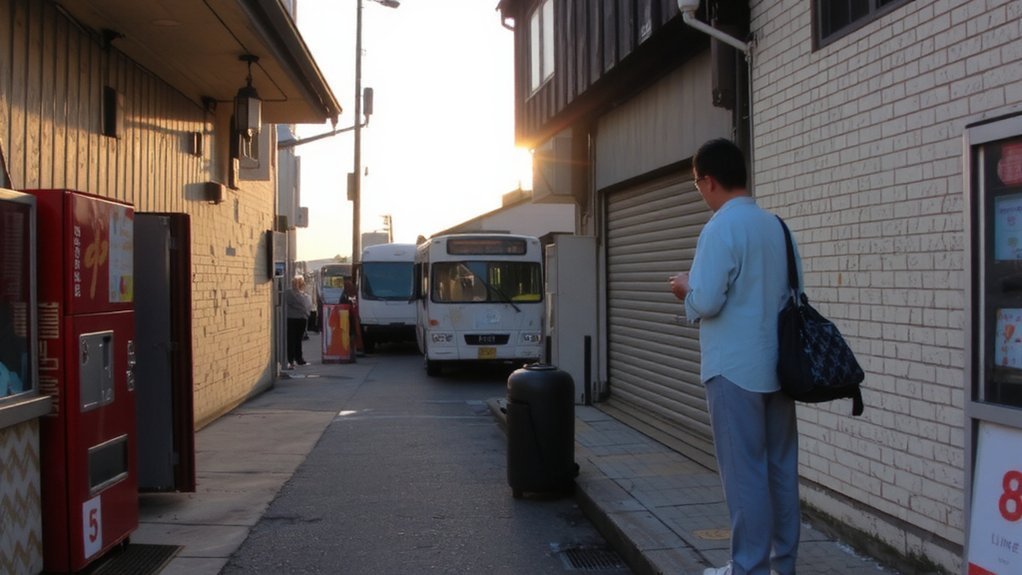
Skip the bus and lace up: download an offline map, plot a self-guided alley exploration through Yanaka, Kagurazaka, or Shimokitazawa, and bookmark shrines, retro shops, pocket parks, and—yes—restrooms. Next, chase hidden street food trails: tsukemen in Kanda, yakitori on Omoide Yokocho, taiyaki in Azabu-Juban; set a small budget, carry cash, share plates, and sample fast so you can keep moving. You’ll spend less than one tour ticket, move at your pace, meet locals, and if you get a little lost, perfect—ask a shopkeeper, drop a pin, and call it a bonus adventure.
Self-Guided Alley Explorations
Why pay for a bus window when Tokyo’s best stories hide in alleys you can walk for free? Grab a pocket map or offline app, pick a neighborhood—Yanaka, Kagurazaka, Koenji—and trace a loop. Follow tiled lanes, note lanterns, shrines, stairways. Read historical signage; it’s your free guide. Use simple photography techniques: shoot low angles for depth, frame with noren curtains, wait for clean backgrounds. Time your walk near golden hour; shadows turn brick and wood into theater.
Set rules: left turns only, or chase the next bell sound. Mark pins for calm parks and train crossings, then connect them. Respect homes, keep voices soft, step aside for bikes. You’re not lost; you’re choosing. And that’s the point—freedom with intention. Map later, enjoy now, boldly.
Hidden Street Food Trails
How do you beat a pricey bus tour? Skip the herd, walk the lanes, and build your own hidden street food trail. Start in Yanaka or Togoshi Ginza, pockets of old Tokyo where grills smoke by noon. Follow your nose, then your map: yakitori stands, taiyaki corners, noren-marked noodle shops. Ask locals for secret vendors; a nod and smile go far. Buy small, share bites, keep moving. Track seasonal specialties—spring sakura mochi, summer kakigori, autumn sweet potato croquettes, winter oden that warms your bones. Budget? Set a 1,500–2,000 yen cap, cash in coins, and you’ll feast. Pro tip: eat standing, avoid long queues, and circle back later. Freedom tastes like soy, citrus, and charcoal. Go claim it. Map apps help; download offline before walking.
Free and Low-Cost Experiences Worth Your Time
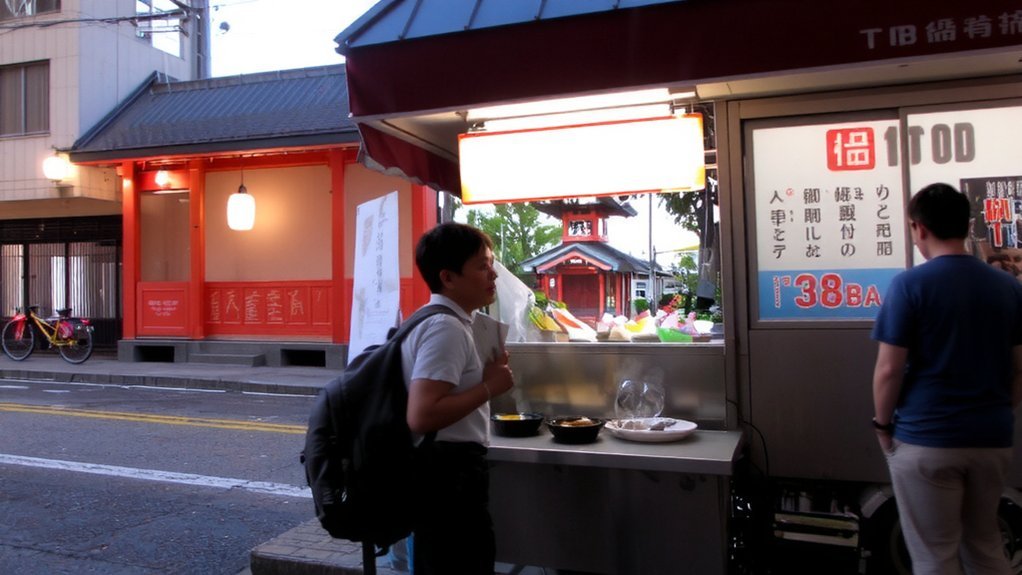
You want maximum Tokyo for minimum yen, so start with the top freebies: Meiji Shrine and its forest, Senso-ji in Asakusa, sunset from the Tokyo Metropolitan Government Building’s free observatories, plus sprawling parks like Ueno and Yoyogi. Then stack budget-friendly culture—volunteer-led walking tours, neighborhood matsuri, free depachika tastings, sumo stable morning practice (quiet, respectful), community center workshops, and museum discount or free days in Ueno. Plan it tight: go early or at golden hour, check official calendars and “free day” notices, carry small cash for trains and snacks, and string stops by subway line so you move quick, spend less, and still get the good stuff.
Top Free Attractions
When every yen counts, Tokyo still dazzles for free. Start with scenic viewpoints: ride the elevator to the Tokyo Metropolitan Government Building, hit the 45th floor, and drink in the skyline. Stroll Odaiba’s seaside promenades at sunset, then cross Rainbow Bridge on foot if the wind cooperates. Crave green? Wander Shinjuku Gyoen’s free outer paths and Yoyogi Park’s open lawns. Time your trip around seasonal festivals—sumo parades, cherry light-ups, shrine markets—big vibes, zero tickets. Window-shop Asakusa’s Nakamise early, beat the crowds, snap the gate, go. For a calm reset, explore riverside walks along Sumida, pack snacks, breathe.
| Choice | Why it’s smart |
|---|---|
| Gov’t Building deck | World-class views, no fee |
| Yoyogi Park loops | Space to roam, good people-watching |
You’re set.
Budget-Friendly Cultural Activities
Why not immerse yourself in Tokyo’s culture the way locals do, spending coins not stacks? Start small: join neighborhood Craft Workshops in Asakusa or Yanaka, where you paint kokeshi, fold washi, or carve stamps, usually under 2,000 yen. Check community centers and event pages; weekends fill fast. Wander shotengai markets, sample taiyaki, chat with stall owners—free, plus stories. Hit shrine festivals; arrive early, follow the taiko, volunteer to carry a mikoshi for insider vibes. For deeper connection, try Homestay Dinners through vetted platforms; expect home-cooked miso, etiquette tips, and shared playlists, all for less than a tourist tasting. Bring small omiyage, ask about regional sauces. Cap your night with sento soaking, budget-friendly bliss, then rooftop views from free terraces around train hubs after dark.
Smart Transit: Day Passes, Combo Tickets, and IC Cards
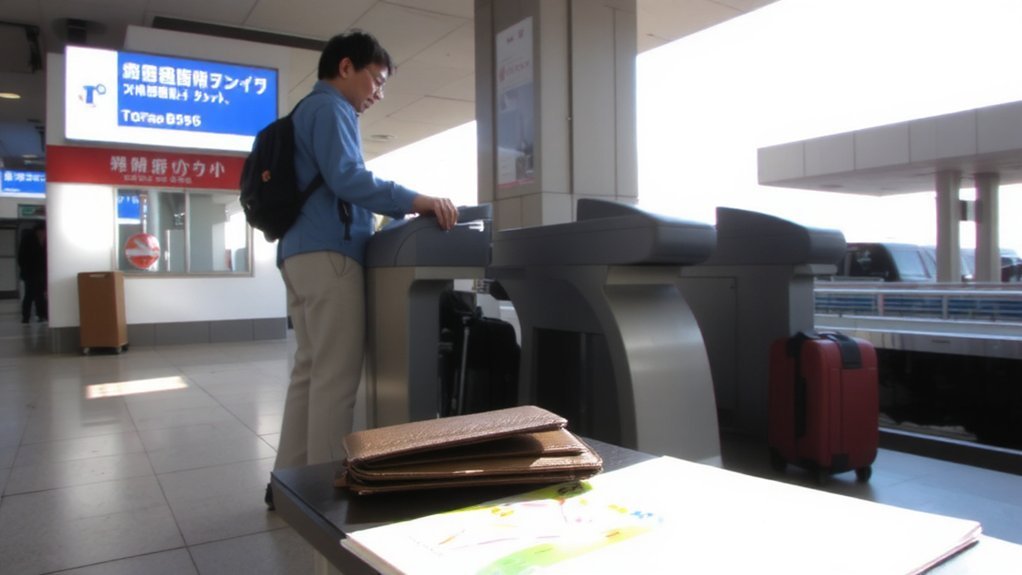
While Tokyo’s rail map looks like rainbow spaghetti at first glance, smart tickets tame it fast and save real money.
Load an IC card (Suica/PASMO), tap through gates, forget coin hunts. Use day passes when you’ll ride hard: Tokyo Metro 24-hour for inner loops, Toei+Metro combo for cross-town days, JR zones when you’re circling the Yamanote. Think Fare capping without the mystery math; once trips stack, passes win. Mind Platform etiquette: queue marks, stand left on escalators, bags front. Pair lines with sightseeing combos to cut extras and keep momentum.
| Feeling | Win |
|---|---|
| Freedom | Unlimited hops |
| Calm | One card, no math |
| Thrill | More sights, less spend |
Plan three clusters per day, pick the pass that matches, or stick to IC when plans stay loose. Either way, you’re free.
Leveraging Local Guide Apps and Community-Led Tours
Because the city hides its best stories in side streets, you’ll get more from Tokyo by pairing smart apps with people who live it. Use local guide apps that list micro-walks, ramen runs, and neighborhood photo hours. Filter by language, pace, and price, then check host credentials: licenses, reviews, years guiding. Message guides, ask what’s included, and set expectations. Prefer small groups; you’ll move faster and spend less.
Tap community-led tours from universities and ward cultural centers. Many run tip-based walks, tea shop hops, or shrine etiquette sessions. Meet at stations, split snacks, learn shortcuts. Always confirm meetup maps, backup contact, and payment security—QR or card in-app, never cash-only surprises. Trust your gut, respect the group, and chase the serendipity. Tokyo rewards curious travelers.
Discount Sites and How to Spot Real Bargains
Now that you’ve lined up a few local-led options, it’s time to hunt the deals. Start with trusted discount platforms—Klook, KKday, Rakuten Experiences—then cross-check the same tour on the operator’s site. Use Price tracking tools or a simple spreadsheet; note base price, promo codes, and date limits. Real bargains show 15–35% off without shrinking duration or group size.
Check Voucher authenticity: does the ticket show vendor name, redemption steps, and date/time? Screenshots only? Hard pass. Read newest reviews, filter by “verified purchase,” and peek at traveler photos.
Stack savings smartly. Combine a limited-time code with card offers or cashback. Watch flash sales at Japan time, early morning and late night. And before you click, confirm refund windows and change rules. Simple, fast, no compromises.
Avoiding Tourist Traps and Extra Fees
How do you dodge the classic traps that turn a great Tokyo tour into a pricey headache? Start by filtering Fake reviews: look for copy‑paste phrases, sudden five‑star bursts, and profiles with no history. Cross‑check Japanese reviews with auto‑translate. On the ground, confirm what’s included—transport, temple fees, tastings—before you pay. Avoid rickshaw rides without a clear, per‑minute rate. Skip “free” tours that pressure big tips. Watch Souvenir scams around busy strips like Nakamise‑dori: “tax‑free” signs, inflated base prices, and bundled trinkets you didn’t ask for. Ask for a price list, then walk away if it wobbles. Say no to photo packages, costume upsells, and “VIP access” add‑ons. Pay by card when possible, get receipts, and keep your schedule flexible. Less friction, more real freedom.
Sample Budget Itineraries by Area
While Tokyo sprawls, you can tour it in tight, cheap loops—one neighborhood at a time. Pick a base, ride one or two lines, walk a lot, and stack free sights with low-cost bites. You’ll save yen, time, and headspace. Here are quick loops you can run today.
| Area Loop | Quick Plan |
|---|---|
| Asakusa–Ueno | Temples, Sumida stroll, Ameyoko snacks; day-pass, share street food. |
| Shibuya–Harajuku | Scramble, Meiji Forest, Cat Street; thrift, konbini lunch, crepe split. |
| Akihabara–Kanda | Retro arcades, cheap curry, Kanda shrine; secondhand gear, river walk. |
For Family Itineraries, start early, pace breaks, and aim for parks. For Student Routes, chase weekday discounts, split tickets, and pack water. Use IC cards, not tours, and trust your feet—the city’s yours. Skip cabs, ride buses, and keep plans nimble.
Conclusion
You’re a street-smart gardener in Tokyo’s maze—plant deals, prune waste, harvest memories. Book midweek or shoulder season, set price alerts, compare Klook, KKday, and operator sites. Grab refundable slots, stack promo codes with card offers or cashback. Ride IC cards, skip taxis; favor small local guides, community walks. Budget snacks; chase free gems—Meiji Shrine, metro observatories. Watch last‑minute drops for nonseasonal tours. Verify vouchers, dodge add‑ons. Do this, and your yen grows, not your gallery.