
Wondering if Tokyo food tours are worth it? If you want fast, curated access to alleyway yakitori in Omoide Yokocho, standing sushi bars, and menus decoded by a local who teaches ticket-machine etiquette, you’ll get value—usually 6–8 tastings, less guesswork, more confidence. Downsides: brisk pace, extra fees for drinks, less spontaneity. Pick small groups, check inclusions, and match the neighborhood to your vibe. So, when should you book—and when should you skip?
What You Get on a Tokyo Food Tour
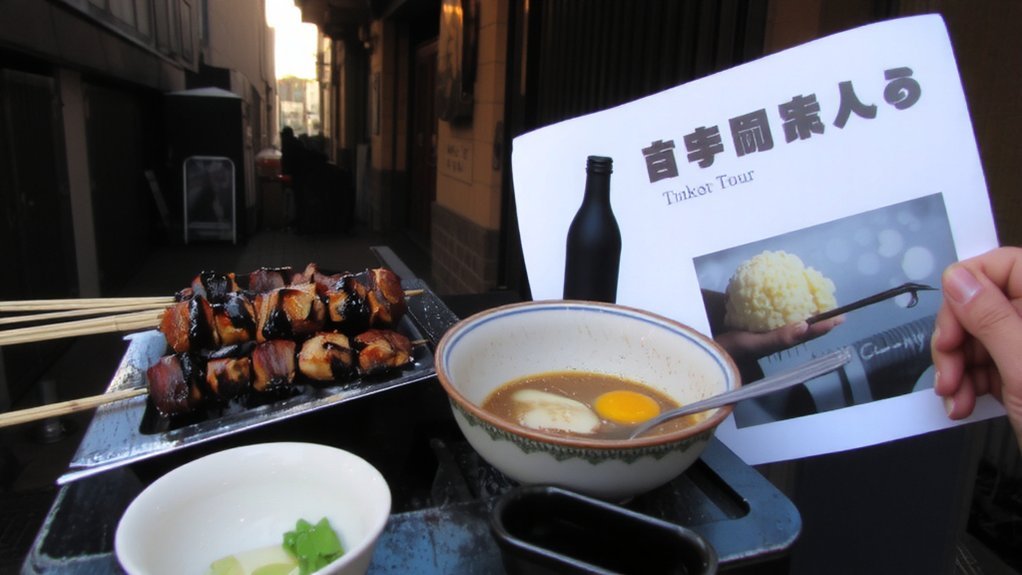
How does a Tokyo food tour actually play out? You meet a guide near a station, grab a quick intro, then delve into alleyways most travelers miss. You’ll sample skewer smoke in Yurakucho, slurp shoyu ramen in a six-seat shop, and compare nigiri at a standing sushi bar. Along the way you get cultural insights, small histories of neighborhoods, and sharp etiquette tips: how to greet, when to say itadakimasu, what not to dip in soy. You learn to order like a local, read basic menus, and spot seasonal icons, from yuzu to sanma. You’ll navigate payment machines, reserve counters, toast with oolong high, and keep pace without rushing. Photos, yes—respectfully. Curiosity, always. You leave confident, full, and map-ready. Independent, joyful, ready to roam.
Pros and Cons at a Glance
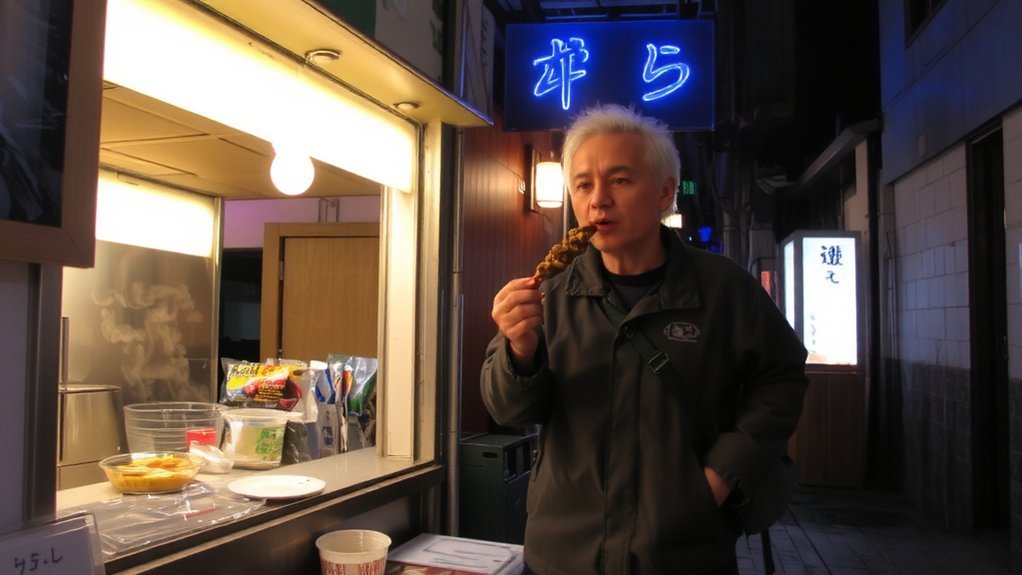
While food tours in Tokyo deliver big wins, they also come with trade-offs you should weigh. You get curated spots, zero guesswork, and a guide who decodes menus, neighborhoods, and unwritten rules. Fast track to variety: yakitori alleys, wagashi shops, standing sushi bars. You’ll learn Cultural Etiquette on the fly, from slurping ramen to toasting without faux pas. Safety net for Health Considerations too, like allergies, raw seafood comfort, and pacing.
The flipside? Fixed routes limit spontaneity, and groups can feel brisk or crowded. Narratives may gloss over the gritty, the weird, the wonderfully odd. Dietary limits narrow bites. Weather, lines, and jet lag? Real. Prefer wandering solo? You might chafe at schedules. Best move: choose small groups, ask questions, claim a counter seat.
Cost Breakdown and Value for Money
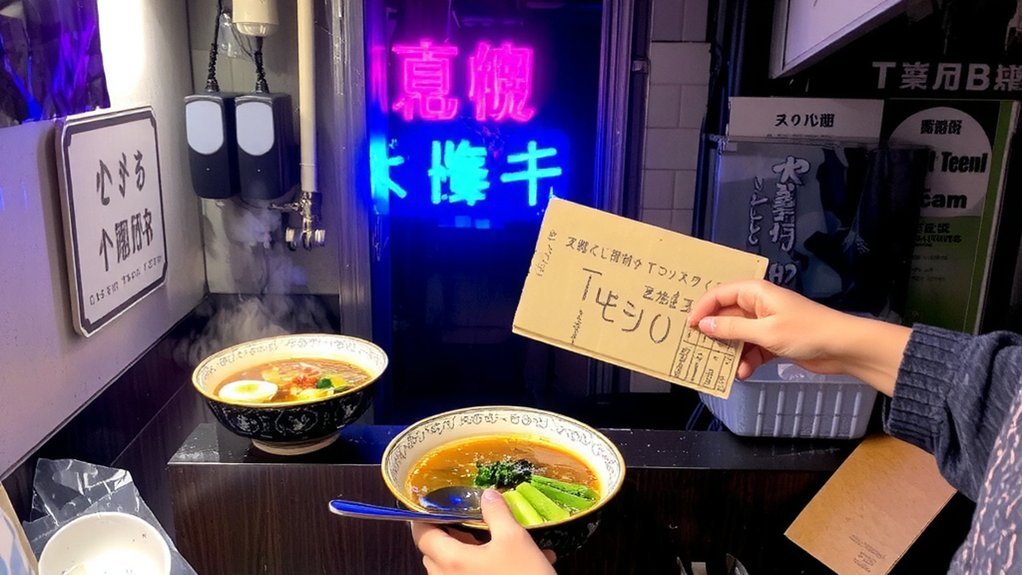
Start by weighing ticket price against tastings: how many stops, full portions or bites, one drink or pairings, a standout item like wagyu or uni, and a dessert you’ll actually want to finish. Then scan for hidden costs—alcohol upgrades, booking fees, transit between neighborhoods, add‑on ramen bowls when “samples” don’t fill you up, and whether tax is included (it usually is in Japan). Finally, confirm inclusions: an English‑speaking guide, 6–8 tastings minimum, one non‑alcoholic drink, dietary accommodations, and a rain plan—because yes, Tokyo eats in any weather.
Ticket Price vs. Tastings
Ever wondered if that ¥10,000–¥18,000 Tokyo food tour ticket really pays off? You’re buying speed, curation, and access, but your taste buds want proof. Count tastings: quality skewers in Yurakucho, a silky ramen half-bowl, two wagashi, a market nibble, maybe sake sips. Eight to ten distinct bites usually feel fair; four to six creates an expectation gap. Scan the route; dense neighborhoods mean more plates, less walking. Ask: are portions hearty, or just photogenic? Track perceived quality, too—chef-led counters, fresh fry, seasonal picks. Do the math in yen per bite, then trust your gut. If flavor, story, and pace sync, celebrate. If not, walk—freedom tastes better.
| Feeling | Tasting Count | Verdict |
|---|---|---|
| Thrilled | 8–10 bites | Worth it |
| Restless | 4–6 bites | Pricey |
Choose boldly, savor your independence.
Hidden Costs and Inclusions
How much does that tour really cost once you’ve clicked “Book”? Start with the base fee, then scan the fine print. Some tours include three to five bites, others only samples. Watch for drink surcharges on sake flights, craft beer, or extra tea. Ask if substitutions cost more. Transit isn’t always covered, so budget for a Suica top‑up. And taxes? Usually included, but confirm.
Now, gratuity expectations. Japan doesn’t tip, but foreign-run tours sometimes add a service fee or nudge for cash. Your move. Check whether guide audio, allergies handling, and sit‑down fees are included. Value test: add likely extras, divide by stops; aim for ¥1,000–¥1,500 per tasting. Still good? Book. If not, go DIY, follow your nose, and keep your yen nimble today.
Neighborhoods Compared: Shinjuku, Asakusa, Tsukiji, and Beyond
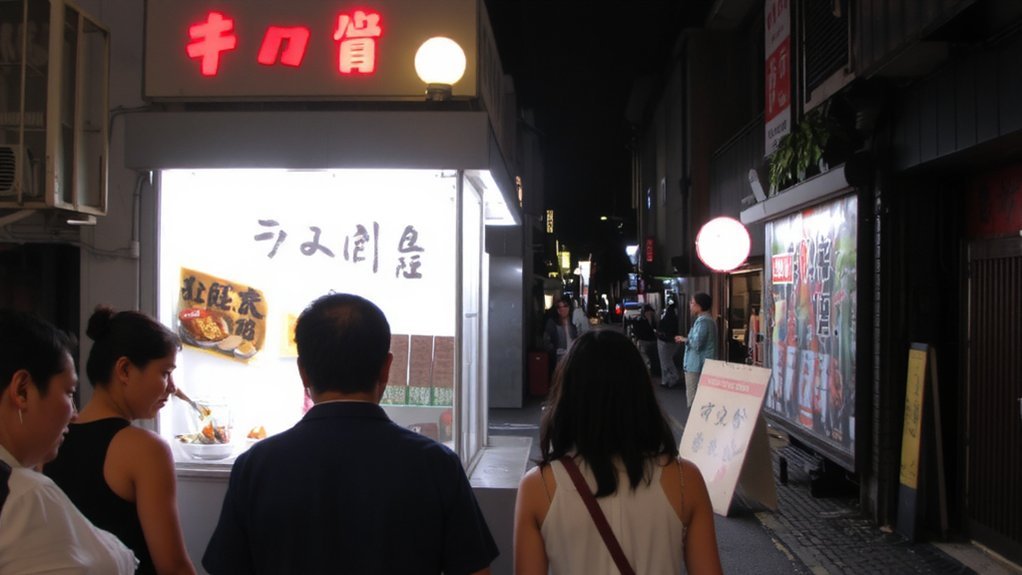
While Tokyo’s food scene sprawls, each neighborhood hits a different note—so you should pick your plates with purpose.
Shinjuku spikes your senses: neon izakaya alleys, yakitori smoke, ramen at midnight—pure nightlife contrasts. Asakusa slows the heartbeat with temple-side stalls; try fresh senbei, tempura, and sweet ningyo-yaki. Tsukiji (outer market) still thrills at dawn; chase knife-sharp sushi, tamagoyaki, and tuna collars. Beyond? Nakameguro for cafes, Kichijoji for yakitori lakeside, Yurakucho for salaryman grills.
To decide fast, use this short, liberating filter:
- Time of day: chase breakfast at Tsukiji, golden-hour bites in Asakusa, deep-night bowls in Shinjuku.
- Cravings: seafood-forward? Tsukiji. Old-school snacks? Asakusa. High-energy bar hops? Shinjuku.
- Seasonal variations: spring cherry-blossom sweets in Asakusa, summer unagi in Kanda, autumn sanma skewers in Yurakucho.
Group Size, Pace, and Portion Sizes
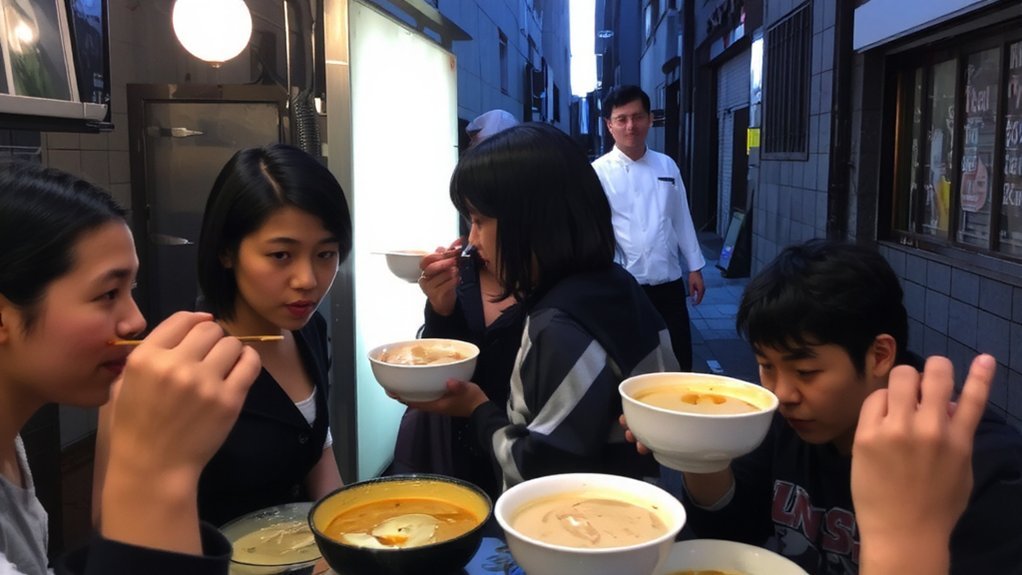
You’ll enjoy Tokyo food tours most in small groups—6 to 10 guests—big enough for buzz, small enough to slip into ramen counters without a wait. Ask for capped groups, check how they handle waitlists, and confirm a guide-to-guest ratio near 1:8, so you can actually hear the soy-sauce story over the street noise. Aim for a relaxed pace—about 2–3 km per hour with stops every 15–20 minutes—flat shoes, sips of water, and no sprinting between yakitori and taiyaki; you’re here to taste, not train.
Ideal Group Size
Why does group size matter on a Tokyo food tour? Because it shapes Conversation quality, Guide interaction, and how deeply you slip into each neighborhood. In a group of six to eight, you’ll snag counter seats, trade bites, and actually hear stories, not just noise. Fewer people means more questions answered, more photos without elbows, and a better read on your tastes. Massive groups? Fun energy, but you’ll get less time with the chef and more waiting around. Choose freedom over herding.
- Aim for 6–8 guests: small enough for conversation, big enough for variety.
- Ask operators about seating: counters and standing bars need nimble headcounts.
- Traveling with friends? Book a private slot, keep the vibe intimate, split plates your way tonight.
Comfortable Walking Pace
Because Tokyo rewards wanderers, set a pace that lets flavors and streets breathe. You’re not racing ramen; you’re tasting it. Aim for blocks, not sprints: five to ten minutes between bites, enough to reset your palate, snap a photo, and check a map. Ask your guide for stride synchronization, so tall striders don’t drop the noodle-curious. If someone lags, pause near a vending machine, sip tea, trade notes.
Portions matter. Share skewers, split taiyaki, keep room for the next stop. Two to three bites per shop is ideal, then walk. Build in weather adjustments: shade in summer arcades, underground passages on rainy nights, heated alleys in winter. Test the vibe—can you hold a conversation while walking? Good. If not, slow down. Feel the city.
Tour vs. DIY: Which Suits Your Travel Style
How do you want to eat Tokyo—on a polished path with a guide, or nose-first down side streets on your own? Tours suit you if you crave structure, storytelling, and quick wins. You’ll sample regional bites fast, decode etiquette, and ride a group’s social energy. DIY fits when your cultural curiosity runs hot, you love detours, and you don’t mind hitting a miss for the big hit.
- Pick your pace: guided evenings cover 5–7 stops in three hours; DIY, plan two neighborhoods, 3–4 spots, leave room for surprises.
- Budget the trade: tours bundle tastings; DIY, set a yen cap, chase lunch specials, stand at tachinomi.
- Tools, not luck: save pins, learn hiragana, ask chefs “osusume?” with a smile.
Either way, stay hungry, flexible, always.
How to Choose a Reputable Tour (and Red Flags)
While Tokyo overflows with food tours, you can spot the good ones fast with a few checks. Start with review authenticity: scan multiple platforms, read 3-star notes, and look for specifics—stall names, seasonal dishes, timing. Verify operator credentials: license, insurance, food-safety training, and guiding association links. Ask who leads—locals with language chops and vendor relationships, or freelancers pulled day-of? Group size under 10, yes; 20-person bus, no thanks. Menus should flex around allergies, but still highlight regional bites, not generic California rolls. Transparent pricing, inclusions listed, no surprise “cash tastings.” Photos should show real crowds and steam, not stock sushi glamour. Messaging matters: quick, clear answers beat vague scripts. And trust your gut. If it feels pushy, walk. Freedom first, your appetite follows. Always.
When a Food Tour Makes Sense—and When to Skip It
Now that you can spot a legit operator, let’s talk timing—when a food tour earns its fee, and when you’re better off grazing on your own. Choose a tour when time is tight, neighborhoods feel opaque, or you crave cultural immersion without guesswork. You’ll leapfrog lines, decode menus, and meet vendors you’d never find solo. Want language practice? Tell your guide; many will coach you through ordering, politely and boldly.
- Pick it for day one: learn portions, tipping norms, ramen etiquette, plus map your week with confidence.
- Skip it if you love wandering, speak some Japanese, and enjoy following your nose; DIY suits you.
- Book selectively: niche themes—depachika deep-dives, craft sake pairings—deliver clearer value than broad “greatest hits.”
Trust your gut, and your appetite.
Conclusion
You’re choosing between a GPS and wandering by stars. On my first Tokyo night, a guide zipped me to six bites in two hours—yakitori alley, standing sushi, that sneaky ticket machine—no guesswork, just chopsticks up. Worth it if you want speed, access, decoded menus. Pick small groups, confirm inclusions, budget extra drinks. Prefer serendipity? DIY: follow nose, queue with locals, learn by stumbles. Either way, eat curious, pay gracefully, and savor the detours in Tokyo.