
Funny coincidence—you’re planning Tokyo just as guide rates jump with spring festivals. You want clear numbers, not guesswork: how much for a private pro vs. a group walk, what hotel pickup really adds, which fees sneak in (rail passes, admissions, tips), and when to book to dodge surcharges. I’ll map the price bands, flag seasonal traps, and give smart swaps that keep quality high—without paying tourist tax. Ready for the real figures?
Typical Rates: Private vs. Group Tours in Tokyo
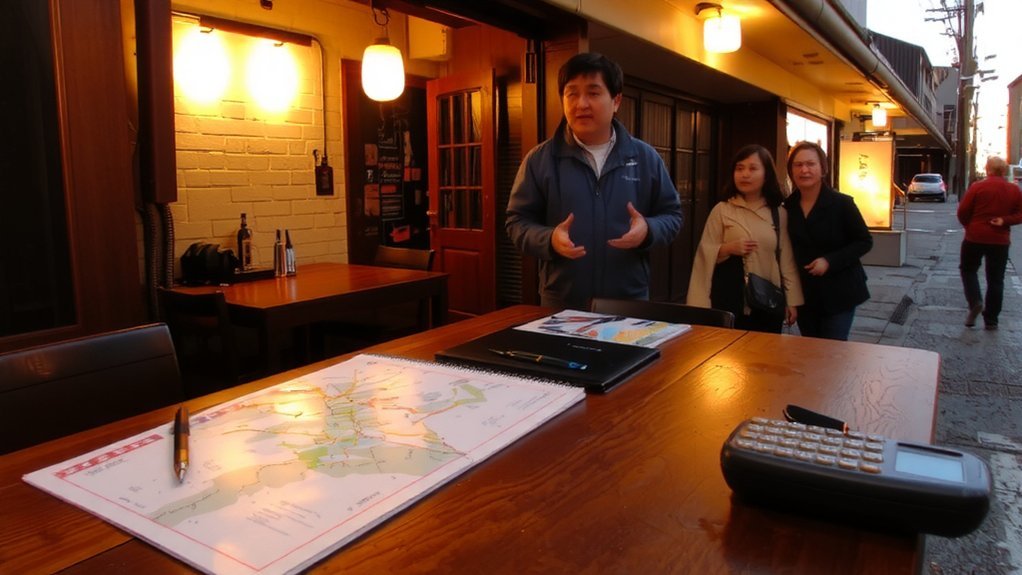
Even before you pick a route, it helps to know what “normal” looks like: in Tokyo, private tours typically run ¥25,000–¥45,000 for a full day with a licensed guide (about 6–8 hours), or ¥4,000–¥8,000 per hour for shorter custom walks.
Before you plan, know Tokyo’s norm: private tours ¥25k–¥45k daily, ¥4k–¥8k hourly.
That buys privacy, pace, and pivots on your terms. Prefer to share the ride? Group tours usually land ¥6,000–¥12,000 per person for half-days, ¥10,000–¥18,000 for full days.
Tip culture? Easy: you don’t tip in Japan; a warm thank-you beats cash.
Payment methods are smooth: most operators take cards and contactless wallets, though a few want cash at meet-up, so confirm and screenshot receipts.
Want freedom on a budget? Bring two friends, split a private, keep the flexibility. Same guide, same day, far less yen.
Key Factors That Influence Tour Prices
While the sticker price gets your attention, the real math sits behind it: time, talent, timing, and what’s included. You’re paying for expertise, not just hours, and access that saves hassle. Know what moves the meter.
- Guide experience and specialization: Veteran guides charge more, especially for subcultures, food, or niche neighborhoods. You get sharper insights, smoother routes, fewer dead ends.
- Duration, pace, and customization: Longer or tailored routes cost more; they demand planning, energy, flexibility. You call the shots; cover more ground.
- Seasonality and timing: Cherry blossom weeks, weekends, and evenings spike demand. Expect surge pricing and tight calendars.
- Group size, logistics, language availability, operational overhead: Private groups, intercity hops, transit wrangling, bilingual delivery raise costs—more moving parts, more coordination.
What’s Usually Included (and What’s Not)
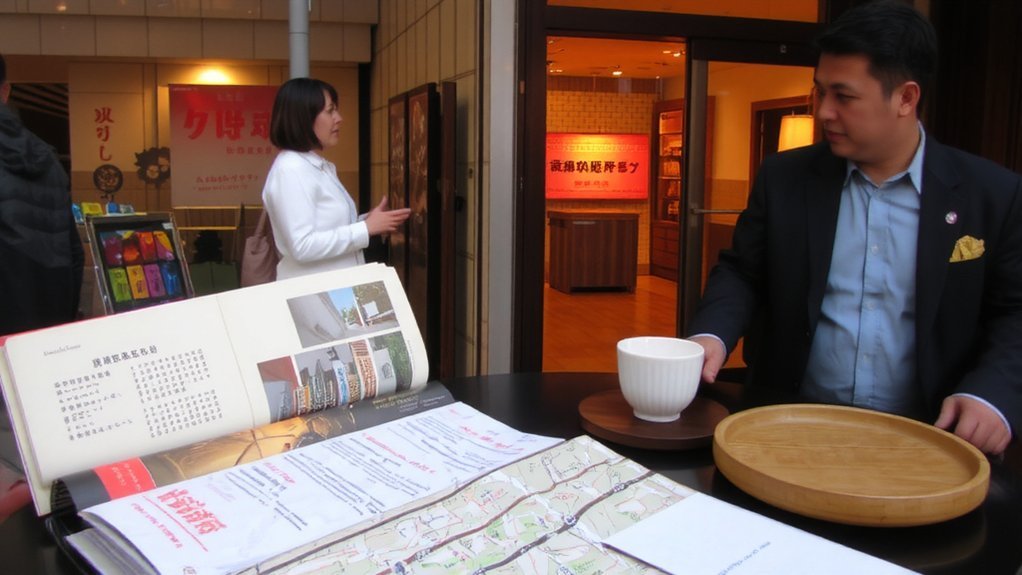
Because inclusions vary by guide, you should know the usual deal before you book: you’re typically paying for the guide’s time, route planning, on-the-fly navigation, light translation, and in many cases help with reservations and tickets (they’ll secure slots; you’ll cover fees). You also get Itinerary Flexibility, pacing, photo stops, and cultural context so you don’t miss the point behind a shrine or a bowl of ramen. Language Options matter: confirm English, bilingual, or another tongue you prefer.
What’s not included? Your transit fares, admissions, meals, and snacks. Souvenirs, too. Tips are optional, but not bundled. Private cars, hotel pickups, or airport meet-and-greets require arrangement. Want extras like tea ceremonies or studio tours? Ask the guide to book, then pay the venue directly.
Seasonal Pricing, Surcharges, and Hidden Costs
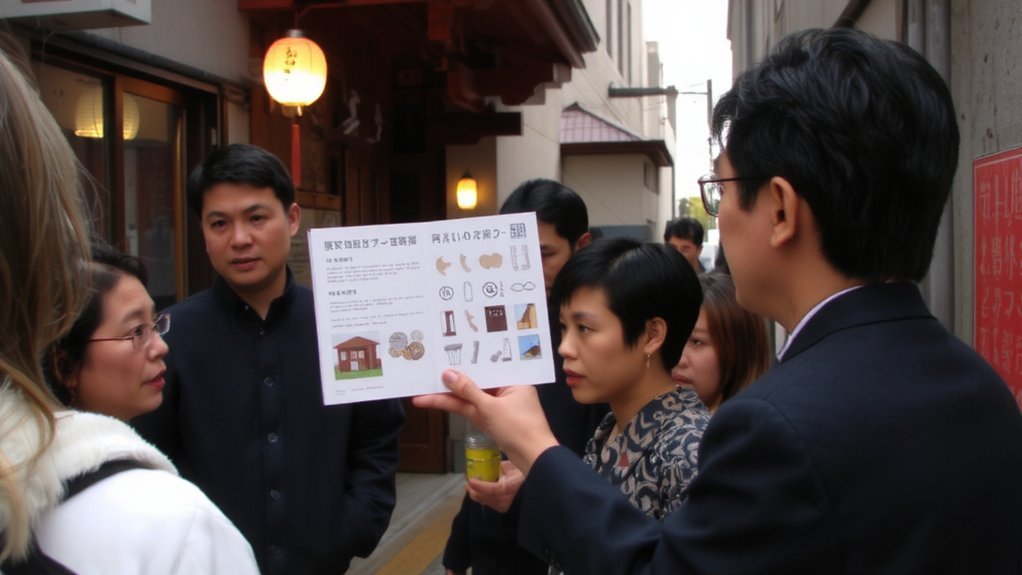
When does the price jump? In Tokyo, rates swell with the calendar and the clock. Cherry blossoms, Golden Week, and New Year bring holiday premiums; matsuri trigger festival spikes. Weekends run hotter than Tuesdays. Late starts, long days, and custom routes will cost you.
- Peak dates: Expect surcharges around sakura weeks, Obon, and year‑end. Guides book out, flexibility shrinks.
- Time add‑ons: Overtime after 8 hours, night or dawn departures, and last‑minute bookings often carry fees.
- Logistics: Hotel pickups across town, tolls, private car hire, and rush‑hour taxis may land on your bill.
- Access and admin: Museum tickets, shrine donations, reserved seating, translation gear, and itinerary changes can be pass‑through costs.
Ask for line‑item quote, confirm cutoffs, and lock cancellation terms.
Real-World Price Ranges by Tour Type
Most travelers want real numbers, so here they are: for a small-group walking tour, expect ¥4,000–¥8,000 ($25–$55) per person for 2–3 hours; popular food or nightlife crawls run ¥8,000–¥15,000 ($55–$100) with tastings included. Private guide-only sessions sit around ¥20,000–¥35,000 ($135–$240) for three to four hours; add a car and driver, and you’re at ¥40,000–¥70,000 ($270–$475). Full-day city immersions, 6–8 hours, land between ¥45,000–¥80,000. Family packages bundle kid-friendly pacing and museum stops, usually ¥30,000–¥60,000. Luxury excursions—helicopter views, tea with artisans—start near ¥90,000 and climb, fast.
| Tour | Duration | Price |
|---|---|---|
| Walk | 2–3h | ¥4k–¥8k |
| Food Crawl | 3h | ¥8k–¥15k |
| Private+Car | 4h | ¥40k–¥70k |
| Full Day | 6–8h | ¥45k–¥80k |
Crave independence? Book a punchy morning, meet your guide, then peel off. Want depth? Go full day and set the pace. Your way.
Smart Ways to Save Without Sacrificing Quality
Travel in shoulder season—think the weeks after cherry blossom crowds and before summer holidays, or midweek in early June—so guides have more slots, rates soften, and you can even nudge for add‑ons. Choose small group tours (6–10 guests), where the per‑person price drops 20–40% but you still get real attention—hello, ramen crawl in Nakameguro or a calm Tsukiji tasting walk. Bundle passes and tickets: pair a 72‑hour Tokyo Subway Pass with teamLab or a museum via a tour package, and you’ll trim ¥1,000–¥3,000 per person, sometimes more with skip‑the‑line and transit wrapped into one clean invoice.
Travel in Shoulder Season
Why pay peak-season premiums for a guide in Tokyo when the shoulder months hand you the same city, calmer and cheaper? Book late spring or early autumn, and you’ll get milder crowds, softer light, and guides with better availability. Prices drop, itineraries breathe, and you can linger—without the meter running.
- Target dates: mid-May to mid-June, late September to early November; skip Golden Week and typhoon spikes.
- Negotiate: ask for weekday rates, half-day blocks, or bundled transit; confirm cancellation terms.
- Time-shift: start at dawn for Toyosu and Tsukiji’s outer market, end at dusk in Asakusa, when lines vanish.
- Eat seasonally: request seasonal cuisine stops—sanma, matsutake, sweet potato wagashi—and limited-time menus your guide knows.
You keep flexibility, quality, and cash—exactly how smart travel feels in Tokyo.
Choose Small Group Tours
Even if you crave flexibility, small group tours hit the sweet spot: you pay a shared rate, but you still get real access, rhythm, and a guide who actually remembers your name. You move faster than a bus crowd, yet slower than a sprint, which means more photos, more questions. Choose groups of 6–10. That size keeps costs down and quality up.
Pick Local guides, not generic hosts. They’ll read the room, pivot for weather, and steer you to neighborhood joints where menus don’t bother with English. That’s Cultural immersion without the guesswork. Ask for clear itineraries, transit included, and fees stated upfront. Scan reviews for pacing, headset use, and break time. Tips: meet near a metro stop, travel light, bring coins for snacks.
Bundle Passes and Tickets
How do you cut guide costs without cutting the fun? Grab bundle passes and tickets that let you roam, skip lines, and keep yen for sushi. Pair a flexible guide with city passes; you handle transit and entries, they focus on stories, shortcuts, and photo ops. Rail Passes, day metro cards, and Attraction Combos shrink costs fast, especially across multiple wards. Do the math, always. If a pass covers three big sights and transit, you’re winning.
- Choose a 24–72 hour metro pass; stack it with museum discounts, too.
- Use Attraction Combos for Skytree, Sumida Aquarium, or teamLab; one scan, done.
- Split zones: JR Rail Passes for hops, Suica/PASMO for alleys and snacks.
- Book guides for anchor sites only; your passes carry the rest, freely.
Conclusion
Bottom line: set a budget, then match the tour to your day. For private walks, plan ¥4,000–¥8,000 per hour; full days run ¥25,000–¥45,000. Group? Half‑day ¥6,000–¥12,000, full‑day ¥10,000–¥18,000. Add transit, food, and admissions. Watch peak seasons, hotel pickups, cars, and custom routes—they spike rates. Book early, compare two or three guides, read reviews, and message questions. Trim costs with weekday slots, shorter routes, or meet‑ups. Choose fit over flash, like tailoring a suit that moves.