
A traveler who booked a Tsukiji tour on a drizzly Tuesday paid 20% less—like snagging the last nigiri before lunch rush. You’ll get best rates in shoulder seasons (late Jan–early Mar, mid‑Sep–early Dec), weekdays, and mornings. Book 3–8 weeks out; for blossoms or premium, lock 2–4 months early. Set alerts four weeks out, watch T‑14/T‑7/T‑3, hold refundable slots, compare local‑currency prices. Want the simple, step-by-step timing plan—and the quiet traps that blow savings?
Best Months to Visit for Lower Tour Prices

Between the headline seasons, you’ll find the best deals: aim for late January to early March, the June rainy stretch, and mid-September to early December (skipping the late‑November foliage spike). You’ll dodge school breaks, marathon crowds, and Golden Week prices, while keeping solid Weather Comfort and, often, Lower Humidity. Pick weekdays, avoid national holidays, and lean into drizzle days; guides drop rates when umbrellas pop. Winter brings crisp skies, quiet temples, and hot ramen lines you can actually conquer. June’s showers? Wear a light shell, score private slots, smile. Fall shoulder weeks feel generous: cooler air, clear views from Skytree, fewer queues. Stay flexible, pivot by neighborhood, and chase last-minute openings. Freedom move: let the crowd zig; you zag—politely, confidently, happily. Budget wins await.
How Far in Advance to Book Flights and Tours
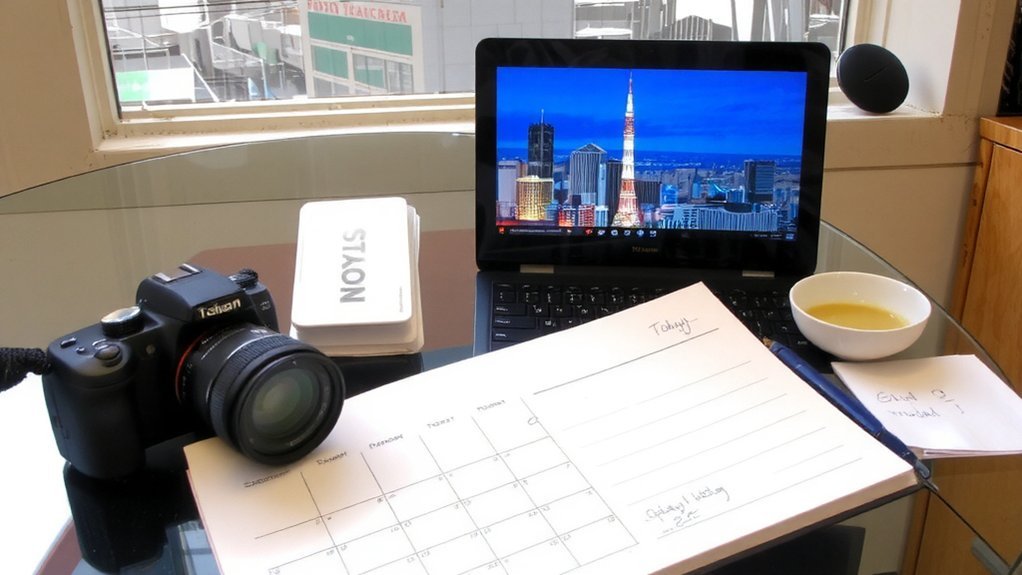
For the best value, book Tokyo flights about 2–5 months out and most tours 3–8 weeks ahead, nudging earlier if your dates aren’t flexible. In peak times—cherry blossoms (late March–early April), Golden Week (late April–early May), and fall foliage (November)—lock flights 5–8 months ahead and marquee tours at least 2–3 months out. Chasing last‑minute deals can work—think 72‑hour airline promos or same‑week tour openings—but it’s a gamble, so set fare alerts, stay flexible on dates and airports, and aim for midweek departures.
Optimal Booking Windows
While spontaneity sounds romantic, Tokyo rewards planners, so lock in the big pieces early and the fun stuff smartly. Book flights 2–4 months out for stable fares; set fare alerts, grab a drop, then stop looking. For tours, reserve 3–6 weeks ahead for must-do experiences—food walks, studio visits, sumo stables—so you get your ideal slot and language guide. Use operators with flexible Cancellation policies; freedom means you can pivot without fees. Traveling with friends? Group bookings should go in earlier, and ask for a private start time. Leave a few days unprogrammed, then add short, same-week add-ons: tea ceremony, ramen class, retro arcade crawl. Pro tip: hold refundable hotel rates first, then align flights and tours around that anchor. Simple plan, strong savings, more breathing room.
Peak Season Lead Times
Peak weeks in Tokyo move fast, so your booking window needs a longer leash than usual. For flights during cherry blossom, Golden Week, Obon, and New Year, aim 4–6 months out; snag 3 months at the latest. Tours and day trips? Reserve 8–12 weeks ahead, and premium experiences—sushi workshops, sumo stables, private guides—3–6 months. Hotels track similar clocks, 3–5 months.
Why so early? Airlines and tour companies lock capacity based on operator workflows and marketing timelines, then yield-manage prices upward. Beat that curve. Set fare alerts, block refundable seats, and ask operators for release dates. Mark calendar drops: January for spring, late June for autumn, mid-October for New Year. Build slack for visas, rail passes, and tickets. Freedom loves buffer, and Tokyo rewards planners.
Last-Minute Deal Chances
Sometimes, last-minute wins do happen in Tokyo—but you need a plan and quick reflexes. You watch fares and tour seats like a hawk, you pounce when prices dip, and you keep backups.
For flights, start checking four weeks out, then set alerts for T-14, T-7, and T-3 days; airlines often drop inventory near departure. Fly midweek, red-eyes, or first wave. For tours, monitor operator cancellations that reopen spots, plus supplier incentives that slash small-group rates. Follow operators on X and Instagram; flash sales live there. Keep a lean itinerary, refundable hotel, and a Suica ready. Book immediately, then cancel if a better slot appears. Non-negotiable: limits. Decide your max price, your dates, your deal-breakers. Freedom needs boundaries. Move fast, breathe, and enjoy the ride.
Weekdays vs. Weekends: Pricing Patterns in Tokyo
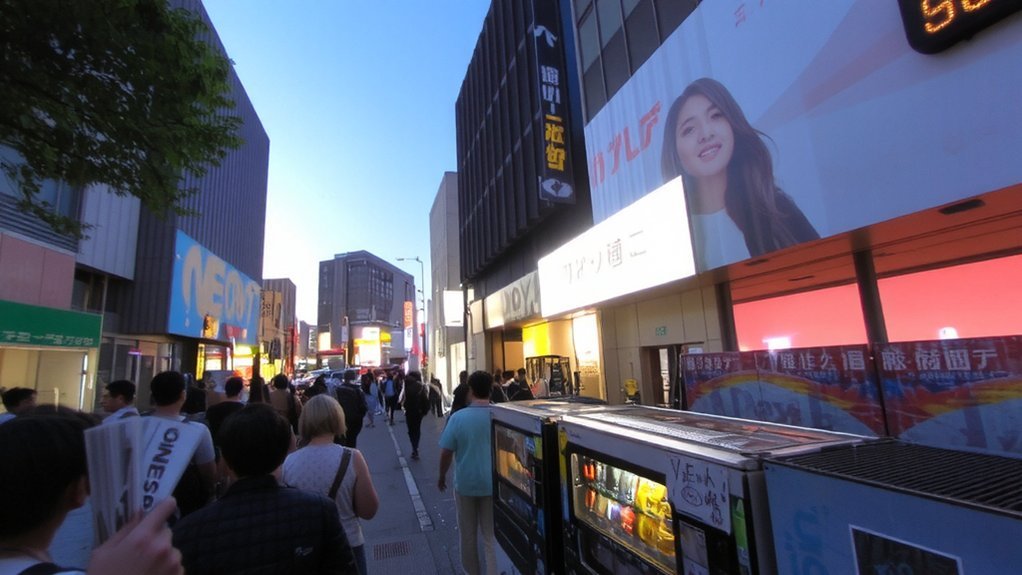
Generally, you’ll pay less for Tokyo tours on weekdays, and more on weekends—simple, but the gap can be real. You’re competing with locals on their days off, plus travelers stacking Saturday plans. So, lean into weekday discounts. Book museum highlights on Tuesday, food walks on Wednesday, and sumo stables on Thursday morning. You’ll dodge crowds, move faster, and keep cash for ramen, or a surprise bar hop in Golden Gai.
Here’s how you play it, clean and confident: Lock it in, don’t overthink.
1) Compare Monday–Thursday rates across at least three platforms, note fees, and screenshot the lowest.
2) Shift start times earlier; guides often cut weekend premiums but only before 9 a.m.
3) Bundle small-group tours midweek, then save Fridays for DIY wandering—cheap, flexible, wonderfully yours.
Navigating Peak Seasons: Cherry Blossoms and Fall Foliage
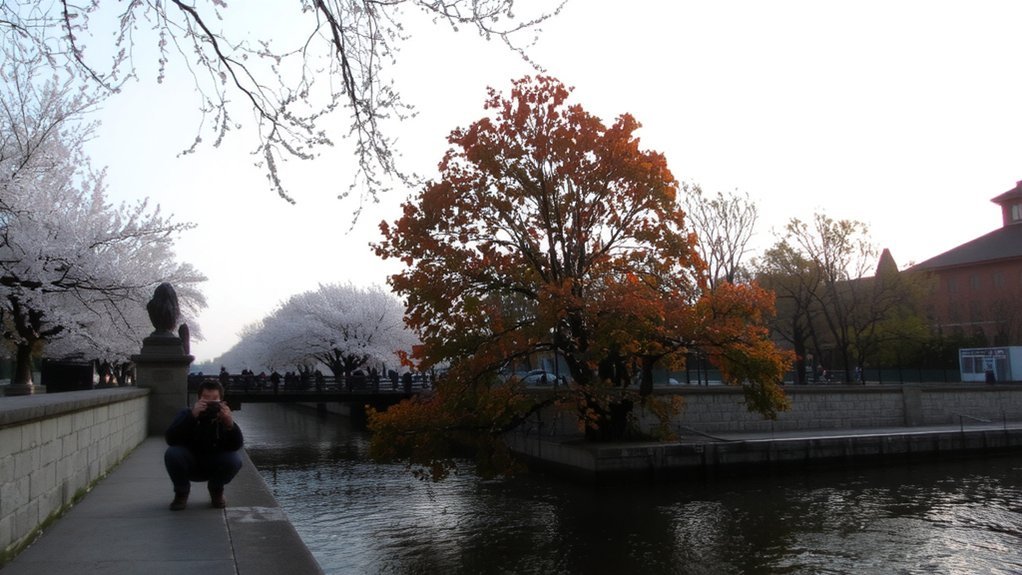
You’re eyeing sakura (late March–early April) and koyo (mid‑November–early December), so book core tours 8–12 weeks out, and lock premium experiences—tea ceremonies, night photo walks—3–4 months ahead. Expect crowds and prices to surge at hotspots like Ueno Park, Meguro River, and Rikugien, with weekends and late mornings selling out first; go Tue–Thu, aim for 7–9 a.m. or after dusk, and you’ll pay less and breathe easier. Set fare alerts, grab refundable slots, favor small-group tours, and keep a backup date—because nothing says “Tokyo pro” like beating the rush by a week.
Optimal Booking Windows
Before cherry buds even think about popping, lock in your Tokyo tours early. Aim for 3–6 months out for sakura, 2–4 months for fall foliage; you’ll secure slots, guides you actually want, and sane start times. If you’re handling group reservations, confirm headcounts early, and choose operators with flexible cancellation policies, so your crew can pivot without penalties. Freedom loves options.
- Book windows: sakura March–April, reserve by November–January; foliage late October–November, reserve by June–August.
- Hold refundable spots first, then upgrade to specialty tours—tea ceremonies, night illuminations—once flights are fixed.
- Set reminders at T-180 and T-120 days; recheck availability after festivals or long weekends shift.
Need spontaneity? Keep one open day, and grab a same-week street-food or cycling tour. Stay nimble, but commit when ready.
Crowd and Price Trends
Often, blossom fever lifts prices and crowds in tandem. Cherry blossom weeks spike hotel rates, tour fees, even taxis; you’ll feel it in Asakusa lines and Shinjuku Gyoen tickets. Watch microseason variation: early blooms in Ueno, late petals by the river, and price bumps follow bloom maps. Aim for edges—10–14 days before peak or three days after rain—when guides have openings and photo spots breathe. Fall isn’t gentler; weekends in November hit attraction saturation around Meiji Jingu and Rikugien. So book weekday morning slots, smaller-group walks, and neighborhood food tours. Track calendars, not hype: use Japan Meteorological bloom forecasts, Google Popular Times, and rail crowd charts. And pivot—bad timing? Shift to night illuminations or rooftop viewpoints, then pounce next dawn. Freedom favors quick moves.
Watching Airline Sales, Flash Deals, and Dynamic Pricing

Usually, the best Tokyo airfares pop up fast, vanish faster, and follow patterns you can learn. Airlines seed weekend promos, test midday flash deals, and tweak fares by route, seat bucket, and demand. You watch, you pounce.
Here’s how you play it smart:
1) Track sale rhythms with search aggregators, compare carriers, then click through to verify taxes and baggage. Midweek scans often reveal quiet dips.
2) Lean into loyalty programs. Join free, stack miles with co-branded cards, and access member-only promo codes, companion fares, or reduced award charts.
3) Work dynamic pricing in your favor. Check nearby airports, test one-way splits, and clear cookies or use a clean browser to avoid stale targeting. See a drop? Book first, think second—free 24-hour cancels exist.
Using Alerts, Flexible Dates, and Currency Swings to Save
Dial in price alerts, then ride flexible dates and currency dips to snag Tokyo deals. Set app alerts for routes you want, cap the price, and choose exact times, cabins, and stops. Lean on alert customization, so noise stays low and wins pop. Shift your search by a week, a midweek departure, and watch fares drop. Track yen swings; when it softens, prepay tours or reload travel wallets. Use multi-currency cards, avoid junk fees, and compare provider spreads. Hedge with small buys, not one big bet.
| Tool | Action | Payoff |
|---|---|---|
| Flight apps | Alert customization | Early pings |
| Fare calendars | Shift 3-7 days | Cheaper windows |
| Tour sites | Bundle filters | Stack savings |
| FX accounts | Currency diversification | Better rates |
Repeat weekly, screenshot baselines, and pounce when two signals align.
Last-Minute Booking: When It Works and When It Doesn’t
If your alerts stay quiet or prices stay stubborn, last‑minute plays can still win in Tokyo—if you pick your spots. They work best on weekdays, in shoulder seasons, and with small-group tours hungry to fill seats. Cancellations pop up after weather disruptions, too—gold for quick movers.
- Scan same-day slots at 7–9 a.m., then again at 9–11 p.m.; guides release holds and no-shows.
- Sort by flexible payment options: pay-on-arrival or no-fee cancellation. Book fast, keep the out.
- Avoid scarcity zones: cherry blossoms, Ghibli Park, sumo basho, tiny sushi counters. These sell out, then surge.
Last-minute fails when you need exact timing, family seats together, or special access. Otherwise, travel light, decide fast, and pounce. Have a backup neighborhood, route, and time, so you pivot easily.
Conclusion
You’ve got the playbook. Aim for shoulder-season weeks, book most tours 3–8 weeks out, cherry blossoms 2–4 months. Fly smart: set alerts four weeks out, watch T‑14, T‑7, T‑3 dips, hold refundable fares. Pick weekdays, early mornings, even drizzle days. Check yen pricing, compare providers, pounce on flash drops. Do this, and prices bend. And the best part? Your cart’s ready, your finger hovers, the deal’s live… will you click before the clock blinks red?