
At Senso-ji in Asakusa, a guide can steer you past the souvenir crush to the incense cauldron, explain omikuji, and snag that quiet side lane you’d miss. But you pay for that, and you trade a bit of wandering for a plan. If you’ve got a Suica card, Google Maps, and time, you can go far on your own. So, when is a guide worth it—and when is it just extra?
Key Takeaways
- A guide is most helpful for short stays, festivals, accessibility needs, low-language confidence, and groups of three or more.
- Local experts add cultural context, translations, off-menu spots, and crowd-savvy routing beyond simple navigation.
- Self-guiding is cheaper, flexible, and easy with IC cards and apps, great for wandering neighborhoods and spontaneous discoveries.
- Expect ~$200–$500 for private days or ~$40 group tours; private becomes cost-effective at 3–4 travelers.
- Drawbacks include added expense and quality variance; verify licenses, reviews, hidden fees, meeting logistics, and customization before booking.
When a Guide Makes Sense in Tokyo
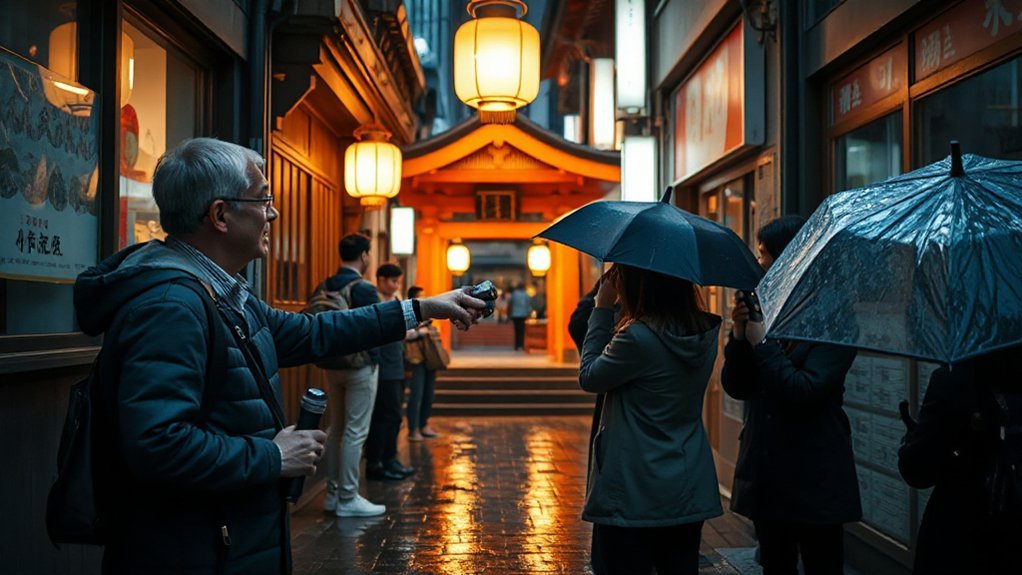
Ever wonder when a guide is actually worth it in Tokyo? You feel it most on short trips, when a local pro can stitch a day together so you hit Tsukiji at dawn, glide through Shibuya Crossing, and still catch a shrine before dinner. In a city where the English proficiency score sits around 503, a guide smooths tickets, orders lunch without mystery, and decodes tricky subway transfers that stack up like puzzle pieces.
They also earn their keep during seasonal festivals, when crowds surge and a back lane or earlier train makes all the difference, and they can line up accessibility assistance if someone in your group needs ramps, elevators, or gentler pacing. For three or more travelers, a private guide at roughly $35–$45 per hour often beats individual group tour fees. Best of all, you get doorways into small neighborhoods and eateries you’d otherwise stroll past.
Situations Where Self-Guiding Shines
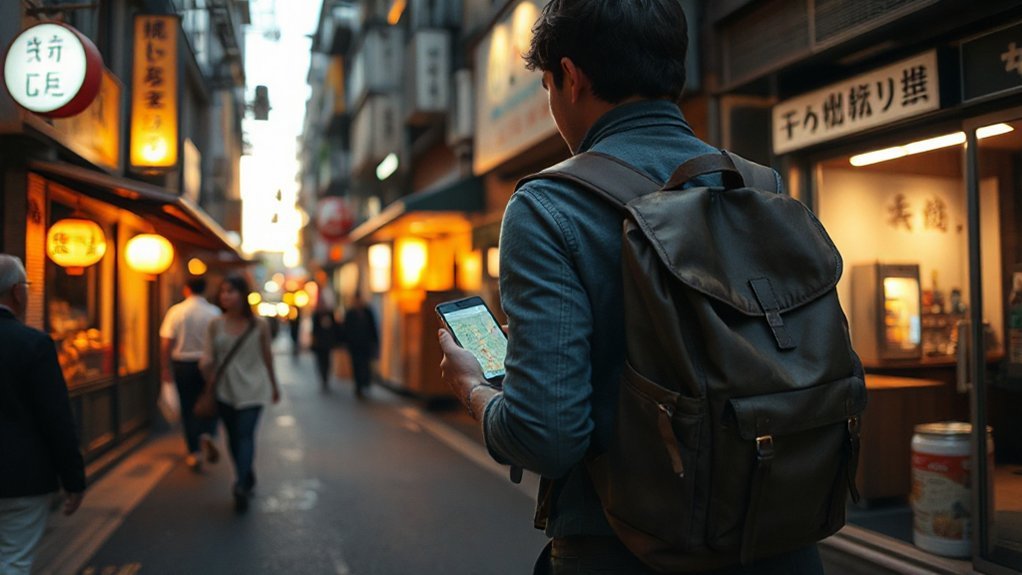
When you want to poke around on your own steam, self-guiding in Tokyo really shines, because you can follow your nose down a side street, spot a tiny shrine behind a vending machine, or slide into a coffee shop that never makes a tour handout. You’re built for spontaneous discoveries, so let yourself meander through niche neighborhoods like Yanaka Ginza’s old storefronts, Harajuku’s back lanes, or Asakusa’s quieter alleys after the crowds peel off. Going solo also saves cash, especially if you’re balking at private day rates that run about $200 to $500; that’s ramen money for a week, and a couple of museum tickets. Tokyo’s trains won’t bite: grab an IC card, tap through gates, and use route apps to hop lines without fuss. Download a half- or full-day walking plan, then set your own pace, lingering where the street art pops or the coffee smells right.
What You’Ll Gain With a Local Expert
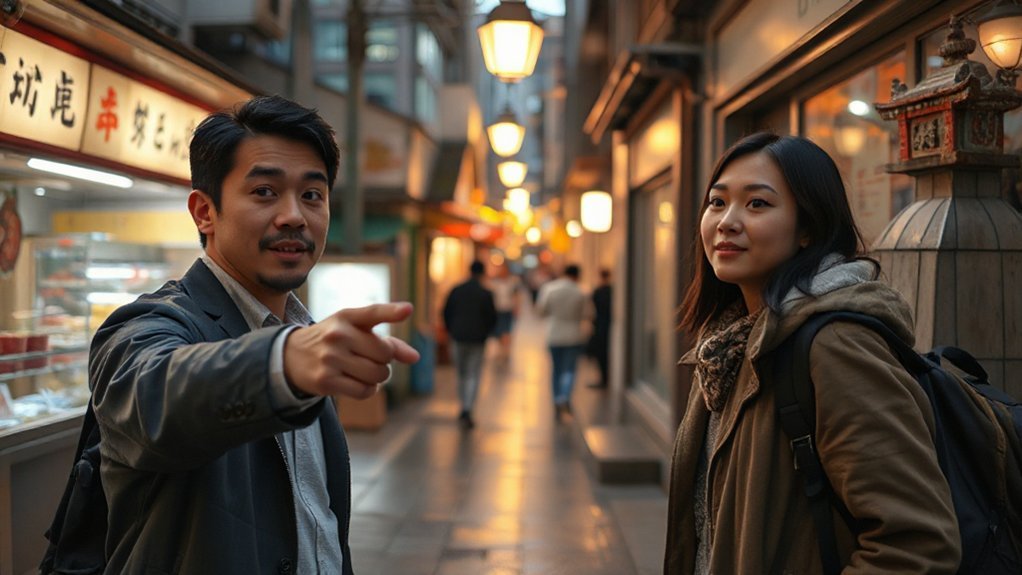
Bring in a local guide and the city snaps into focus, like someone wiped the fog off the window. You don’t just see Meiji Shrine; you hear the why behind the cedar scent and the clap, and that Cultural context sticks. In Yanaka Ginza, a guide turns snack stalls into family stories, not just photos. Folks like Akira N. or Kahoko K., thirty-year Tokyo hands, slip you into alleys with steam and chatter, the kind of Backstage access you can’t Google. They plan clean routes through the rail maze, time the crowds, and keep you moving without wasted steps. They translate, negotiate, and nudge etiquette—small bows, no eating on trains—so you glide instead of guess. Tell them what you love—Tsukiji bites, a tea ceremony, a night izakaya crawl—and they shape the day to your pace and needs, including ramps and rests, no heroics, just smart for your time.
Potential Drawbacks to Consider
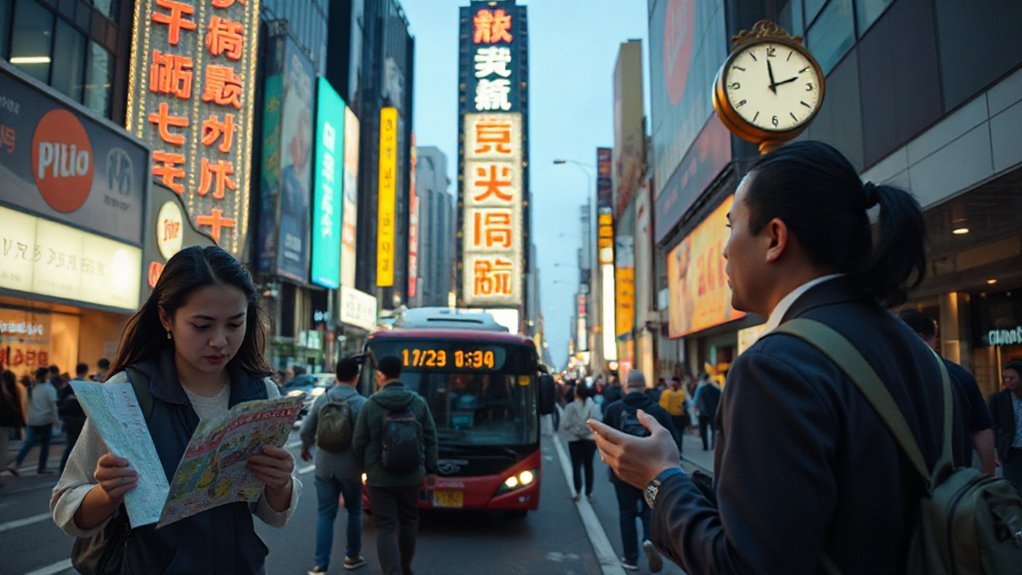
Guides add a clear extra cost, with full days often running $200–$500 and even basic rates around $35–$45, and that’s money you might rather put toward ramen, a Suica top-up, or a museum pass. Quality can be a bit of a lottery, where one day you get a patient pro who knows the back streets and the next you get someone reading a script and rushing you past the good stuff, so book through a platform with solid reviews and real credentials. If you speak some Japanese or you’re pinching pennies, the math may not pencil out, and that’s worth saying plain.
Added Cost
Sticker shock creeps in fast, because a guide can turn a simple day out into a bill that nips at your heels. You might see $35–$45 listed for a private guide and think, nice deal, but a full day often lands closer to $200–$500 once you add time, transit, and tips, plus Hidden fees like hotel pickup or extra sites. Walking tours run about $50–$150 per person, and small-group days $80–$150, which stacks up if you’re a family. Specialized stuff—geisha evenings, private vans, multi-day packages—can jump to $250–$600+. Seasonal surcharges sneak in during cherry blossoms and holidays, because everyone’s booking. If you travel solo or on a tight budget, you may skip the guide, plan ahead, and see the big sights just fine anyway.
Quality Variability
Even though Tokyo’s packed with talent, picking a guide can feel like a bit of a lottery, and a bad draw can burn a short visit fast with wrong facts, clumsy routing, or low energy that drags like wet socks.
You’ll see Rating variance and Experience disparity in the listings. On GoWithGuide, top names sit at 4.96/5 with 389 reviews or 4.95/5 with 390, while others land around 4.68/5 with 346. Those numbers aren’t just glitter; they hint at pace, accuracy, and fit.
To dodge duds, watch full bios and videos, and favor national guide‑interpreters or folks with 30+ years in Tokyo. Because you book the whole group, a mismatch gets pricey fast, so vet recent reviews, not just averages. Test their reply time.
Cost Breakdown and Value by Group Size
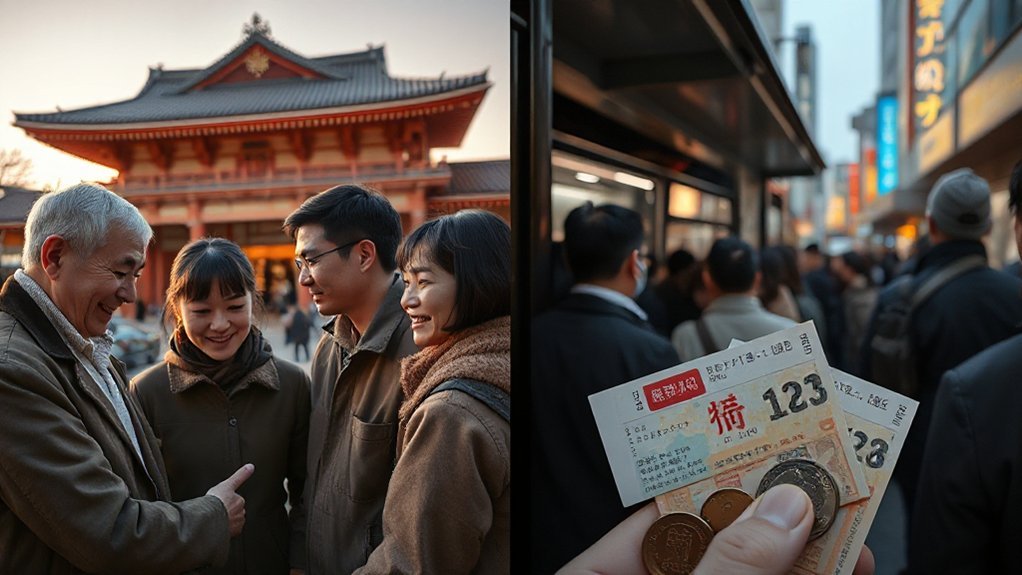
When you’re sizing up tours in Tokyo, think in two columns: what you pay and what you get, because group size swings both. Listings can confuse you: you’ll see a $35–$45 guide fee that’s shared by the group, then full-day rates jump to about $200–$500 for exclusive time. Walking tours run $50–$150 per person, and small-group days land around $80–$150. Prices wiggle with operator margins and demand fluctuations, but the math stays simple.
For two travelers, a small-group tour at $100 each can beat a private day’s sticker, and you’ll get a tidy route. With four friends, that same $300 private rate suddenly reads $75 a head, cheaper than many group spots. Add in a guide who trims transfers, skips dead ends, and lines up lunch right, and you buy back hours, not just facts. That saved time is quiet value, the kind you feel in your feet.
Private vs. Group Tours: Which Fits You?
You’re weighing cost and flexibility: a private guide runs about $35–$45 for your whole party, so once you’re three or more it can beat per-person group tickets, and you get a plan built around you. With a private tour you can start at 7 a.m. for a quiet Meiji Shrine walk, tuck in a ramen stop, and get one-on-one help with signs and trains, while a group tour might be ~$40 for a day run or $50–$150 for a walking tour, steady route, simple and cheap. So pick private when time’s tight or you want odd little spots and flexible hours, and pick a group when you want low cost and a sociable pace with fewer decisions, just know private magic hinges on your guide while groups feel steadier if a bit cookie-cutter.
Cost and Flexibility
How do you pick between a private guide and a group tour in Tokyo without overthinking it? Start with the bill. Private listings often show $35–$45 for the guide, but a real full day usually runs $200–$500 for your whole party. Group tours come cheaper per person—think Viator around $40, and many walks sit near $50–$150. Run the math: once you’re four, a private can match or beat separate tickets, and you get wiggle room on the day.
- Price check: weigh payment methods and currency fees before you click.
- Group size: divide total private cost by your headcount.
- Flexibility: privates allow detours; groups keep to a line.
- Value: need language help and deeper context? Private wins; tight budget favors groups.
Schedule and Personalization
Even with a tight clock, a private tour lets you build your day around what you care about, not around someone else’s timetable. With a private guide, you set the pace, weave in food stops, swing by a shrine for a photo, or dive deep into a neighborhood, and make midday adjustments when rain or crowds pop up. You can do quick interest mapping at the start—first-timer highlights, cherry blossoms, or a tea ceremony—and your guide steers the route. Groups run cheaper per person (think US$40 to $150), but they stick to the script and won’t pivot for you. For three or more, a private guide’s flat rate—often $35–$45, about $200–$500 for a full day—can pencil out, and it saves precious hours in Tokyo.
How to Find and Vet Reputable Guides
Where do you start when picking a Tokyo guide who’s the real deal? Begin with platform trustworthiness and credential verification, not glossy photos. On GoWithGuide, you can sort through verified profiles with short intro videos, open dates, clear rates, and straight-from-the-guest reviews, which makes the wheat separate from the chaff pretty fast.
- Scan ratings and volume. A pattern like Akira N. at 4.95/5 from 390 reviews or Kahoko K. at 4.96/5 from 389 tells you the praise isn’t a one-off.
- Check background. Look for licensed or national guide-interpreters and folks who’ve lived in Tokyo 30+ years; they know the back streets, not just the billboards.
- Message before booking. Share dates, group size, must-sees, and language needs, then confirm what they’ll tailor and the final price.
- Compare pricing apples to apples. Many quotes are per group, so ask what’s included, and what transport or entrance fees sit on top.
Smart Tips to Get the Most From Your Tour
Before you book, treat a Tokyo tour like a smart grocery run: check the label, compare prices, and know what you actually want. Start with ratings, not hunches. On GoWithGuide, a profile like Kahoko K.’s 4.96/5 from 389 reviews tells you you’re not rolling dice. Message your dates, group size, pace, and must‑sees, then ask your guide to dodge peak crowds. Private guides can shuffle stops so you hit Meiji Shrine early and save your feet.
Do the math. Short sessions run $35–$45 per guide, full days $200–$500, while group tours are cheaper but not nimble. Ask for off‑the‑beaten‑path corners, local eateries, and IC card tips with easiest train routes. Confirm the meeting point, transport, accessibility needs, and cancellation and price rules.
On the day, follow local etiquette, but speak up. Your guide will frame the photo opportunities and sequence sights so a short visit still feels roomy.
Frequently Asked Questions
Are Guides Necessary for Navigating Tokyo With Mobility or Accessibility Needs?
They’re not strictly necessary, but a guide can streamline routes. You’ll leverage Tokyo’s accessible infrastructure, yet local expertise speeds transport navigation, identifies elevator access, avoids stairs, and secures seating, assistance, and barrier-free restrooms during transfers.
Do Tokyo Guides Accommodate Dietary Restrictions During Food Tours?
Yes, most Tokyo guides accommodate dietary restrictions on food tours. You share needs beforehand; they handle allergy communication with vendors, arrange menu substitutions, and steer you to suitable eateries. Some stalls can’t guarantee against cross-contact.
Are Tours Available in Japanese Sign Language or Other Accessibility Formats?
Yes, you’ll find JSL-interpreted tours, plus options like tactile routes, braille materials, captioned videos, assistive-listening devices, and wheelchair-accessible transport. You should request needs when booking, confirm guide certification, and ask about step-free entries and restrooms.
Can Tours Be Customized for Families With Young Children or Seniors?
Coincidentally, yes, you can customize tours for young children and seniors. Guides tailor Kid friendly pacing, rest breaks, and accessibility. They’ll add Intergenerational activities, flexible meals, and shorter durations so everyone engages and enjoys Tokyo.
What Happens if Bad Weather Disrupts a Scheduled Tour?
If bad weather disrupts your tour, operators usually prioritize safety and contact you promptly. You’ll review Rescheduling policies, indoor plans, and Refund options. Confirm deadlines, fees, communication channels, consider travel insurance for refunds or credits.