
If you want Tokyo to open up, hire a guide who grew up zigzagging its backstreets, speaks clear English, and can show you how to bow at a shrine without making it weird. Look for someone who tells tight stories, handles trains and tickets, snaps your photos, and flexes the plan when rain or jet lag hits. Check licenses, themes, prices, and reviews, then book early. The trick is knowing what to ask before you shake hands…
Key Takeaways
- Local expertise and adaptability; reads neighborhoods, adjusts pacing and itinerary on the fly.
- Cultural fluency: can explain shrine etiquette, bowing, temple rituals simply; smooth ticketing and train navigation.
- Credentials and communication: clear English; ideally National Government Licensed Guide-Interpreter or proven interpreter experience with strong reviews.
- Transparent pricing and booking: reputable platforms, clear group versus per-person rates, cancellation terms; request sample itinerary and mobility accommodations.
- Practical hosting skills: photo help, IC card and ticket handling, proposal cues; optimizes subway routes and avoids rush hours.
What Makes a Great Tokyo Tour Guide?
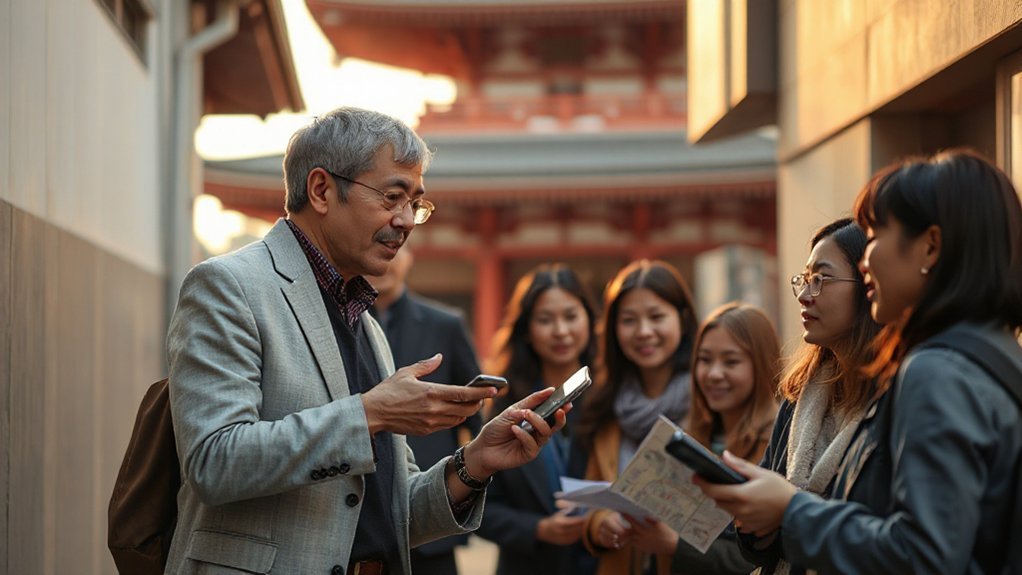
Why does one Tokyo guide make the city click while another just walks you past the sights? You feel it in the first block. A great guide grew up with these streets, points out the candy shop that became a cafe, and tells you why the shrine fox wears that bright bib. Their storytelling skill turns corners into chapters, and their cultural fluency makes etiquette simple, like how to bow, rinse, and pray without fuss. They speak clear English, often as a licensed interpreter, so history lands plain and true. They read the day, adjust on the fly, and swing by a craft stall or a festival drumline when your eyes light up. They ride trains like locals, time transfers, dodge rush hours, and save your feet. And they host well: snapping photos, buying tickets smooth, steering you to honest ramen, and helping you ride back with confidence.
Why Private, Local-Led Experiences Beat Standard Tours
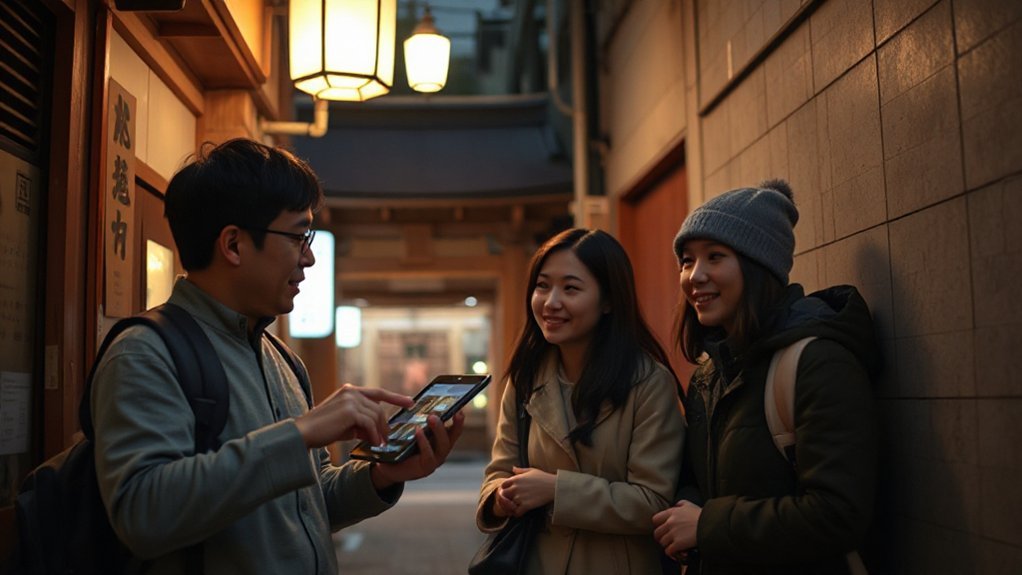
Ever notice how a city opens up when someone who lives there walks beside you? With a private, local-led day in Tokyo, you set the pace and your guide tweaks it on the fly when ramen beats sushi or a garden calls louder than anime. Instead of a checklist march, you get stories that stick, so the Imperial Palace and Meiji Shrine turn from quick snaps into clear moments, with etiquette, history, and notes.
You also get insider access to tucked-away craft shops, neighborhood izakayas, and a festival you’d miss if you blinked, plus subway routes that shave minutes day. That’s cultural immersion that feels easy, not staged. Costs scale well, too—many charge around $35–$45 for the guide, and full days often run ¥35,000–¥60,000 per group, so friends split it. Meanwhile, your host handles tickets, trains, photo spots, even a proposal cue—less stress, more Tokyo.
Types of Tours You Can Book in Tokyo
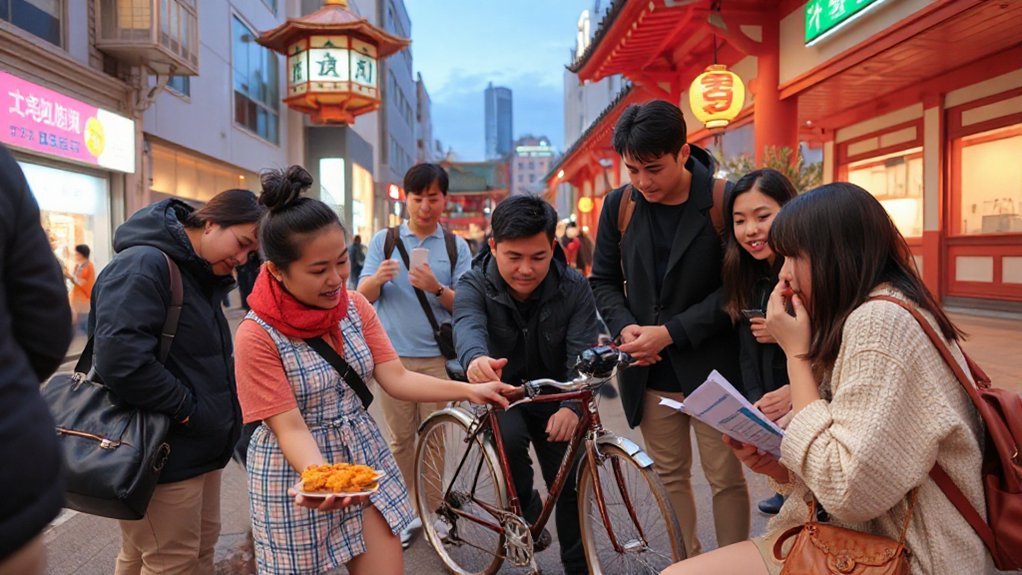
Plenty of private tours in Tokyo fit how you like to move, from tight 3-hour essentials that hit a couple must-sees or an izakaya crawl, to steady 4-hour half-days that let you learn the ropes, to full 8-hour “Tokyo in a Day” walks where you cover temples, markets, and a bowl of something good without rushing.
You can go deep instead of wide with themes that match your tastes. Culinary tours trace sushi counters, ramen steam, and alley yakitori, while pop-culture walks hit Akihabara arcades and Harajuku corners. If you like lines and light, find architecture strolls and digital-arts routes. Families get gentler pacing, snack breaks, and stroller-friendly stations. Nightlife crawls, usually three hours, slip into bars and izakayas you’d miss on own. For reach, book a private car for Mt. Fuji, Nikko, or Kamakura, a 10–12 hour spin. Prefer wheels or halls? Try cycling routes, museums, theaters.
How to Book the Right Guide for Your Tokyo Trip
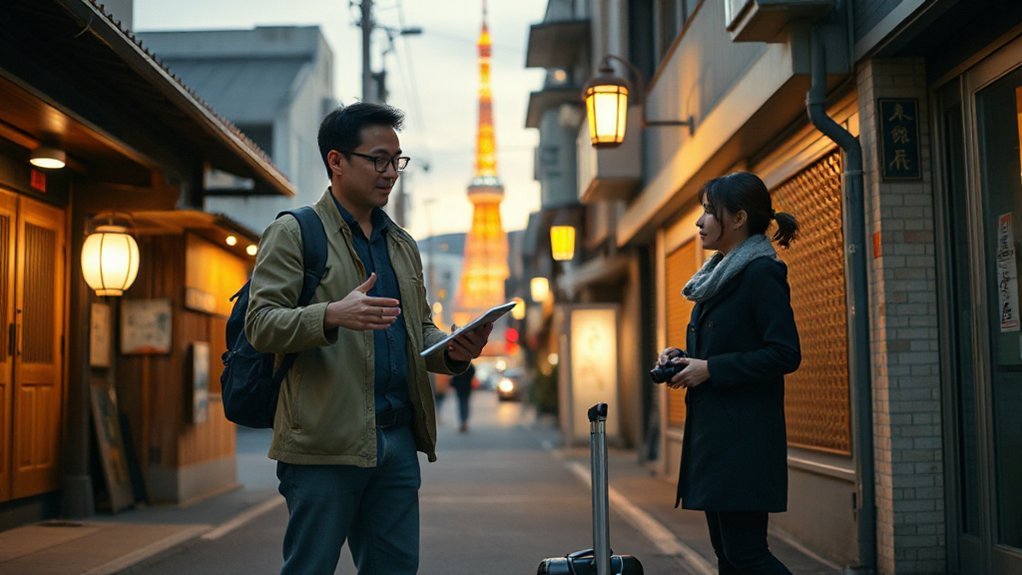
How do you pick the right person to lead you through Tokyo without overthinking it to death? Start early—book 2–4 weeks ahead, longer for cherry blossom or Golden Week—so you actually get the top folks and the time you want. Search reputable platforms like ToursByLocals, City Unscripted, and GoWithGuide, where reviews are verified and prices are clear, and compare like for like.
If you want deep stories and smooth language, favor a National Government Licensed Guide-Interpreter or a veteran with 30 years on the streets. Match by theme—ramen alleys, anime haunts, or old shrines—and check they’re fine with trains or a private car. Nail down group pricing, per guide or per person.
Message your musts: English level, a female guide if you prefer, mobility needs, and your short must-see list. Ask for a sample itinerary, cancellation policies, fee triggers, and basic insurance verification before you click confirm today.
Planning Your Tokyo Experience: Practical Considerations
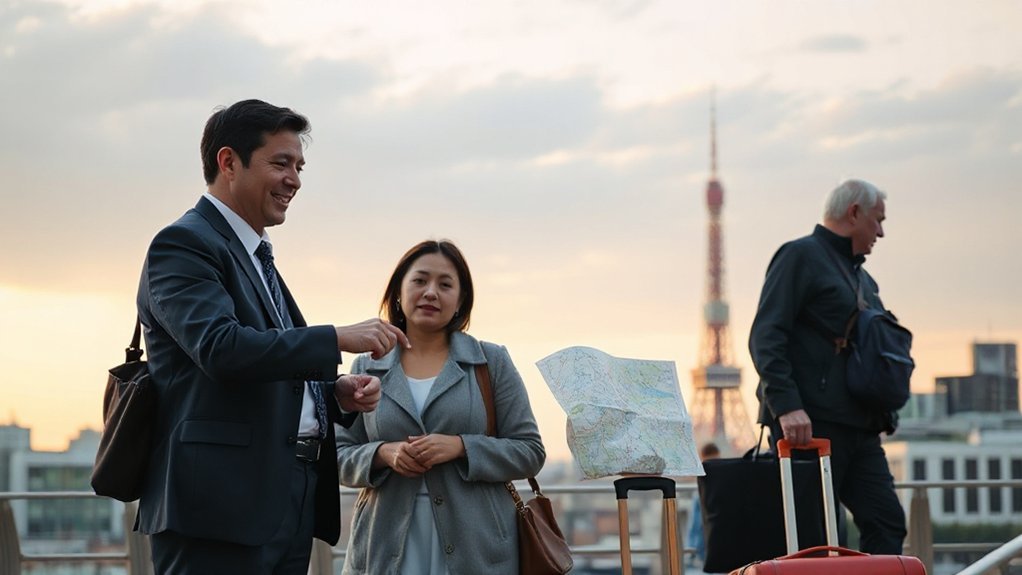
Once you’ve booked the right person, it’s time to shape a day that actually works on the ground. Start with weather planning, because rain or heat changes your pace, and your guide can swap an outdoor shrine for a museum without losing the thread. Pick a half‑day if you want one neighborhood done right, or go full‑day to stitch together, say, Asakusa, Ueno, and Yanaka with a few quiet nooks; typical private rates run ¥35,000–¥60,000. Ask your guide to steer around rush hours, 7:30–9:30 and 17:00–19:00, since packed trains eat minutes and patience. Let them handle IC cards, tickets, and shrine etiquette, and don’t be shy about photo help. Confirm licensing or strong English so you get the story behind the stones, not just the stones. Sort luggage storage near your start or finish, so you’re not hauling a roller up station stairs. After, ask for train tips.
Frequently Asked Questions
Can Guides Help With Same-Day Restaurant Bookings and Queue Management?
Yes—40 percent of top eateries allocate slots via concierge channels; you’ll leverage Reservation networks and Waitlist strategies to secure same-day seats, manage queues, monitor drops, and pivot to comparable venues when timing shifts, in minutes.
What Are Policies on Photographing Guides or Sharing on Social Media?
Ask your guide before photographing or posting. Respect Consent etiquette, clarify Image ownership, avoid tagging without approval, blur other guests, follow company policies, honor takedown requests, and credit appropriately. Don’t film private briefings or minors.
Do Guides Carry Liability Insurance, and What Does It Cover?
Like a safety net, many guides carry liability insurance. You’ll confirm it covers bodily injury, property damage, and legal defense. Also ask about Policy limits, deductibles, and Coverage exclusions, especially risky activities and intentional acts.
Can a Guide Assist With Luggage Transfers Between Accommodations?
Yes, many guides can assist with luggage transfers between accommodations. They handle Luggage logistics, arrange takuhaibin couriers, and manage Hotel coordination. Confirm fees, timing, and insurance; they’ll coordinate rather than haul bags due to liability.
Are Tours Suitable for Neurodivergent Travelers Needing Sensory-Friendly Pacing?
Like a calm harbor in choppy seas, yes—tours suit neurodivergent travelers. You request Sensory Accommodations, customize routes, control pace, and you’ll set Break Scheduling. You choose quieter venues, reduce crowds, use previews, and confirm communication.