
On your first Tokyo morning, you meet Aya, a licensed guide who loads your Suica, threads Shinjuku’s right exit, and tweaks the plan when the kids fade—no drama, just lunch and a quiet shrine. That’s the guide you want: licence number shared, clear fees, real reviews, solid English, sample routes, transit know‑how, and fair cancellation. Here’s how you spot that pro before you even step off the plane.
Key Takeaways
- Verify a national Licensed Guide Interpreter credential, visible license number, insurance, and consistent profile details across platforms.
- Match specialties and language to your interests; request sample itineraries and message to confirm terminology and kid-friendly communication.
- Favor guides with many recent, verified five-star reviews describing customization, punctuality, transit help, and food picks; request references.
- Confirm flexibility for pacing, mobility, and dietary needs; ask about rest breaks, stroller-friendly routes, and start/end logistics.
- Choose the right format and transport: 2-hour kickstart or 5–7 hour day, subway planning, rush-hour dodging, or taxi/van for comfort.
Why Hire a Private Guide in Tokyo
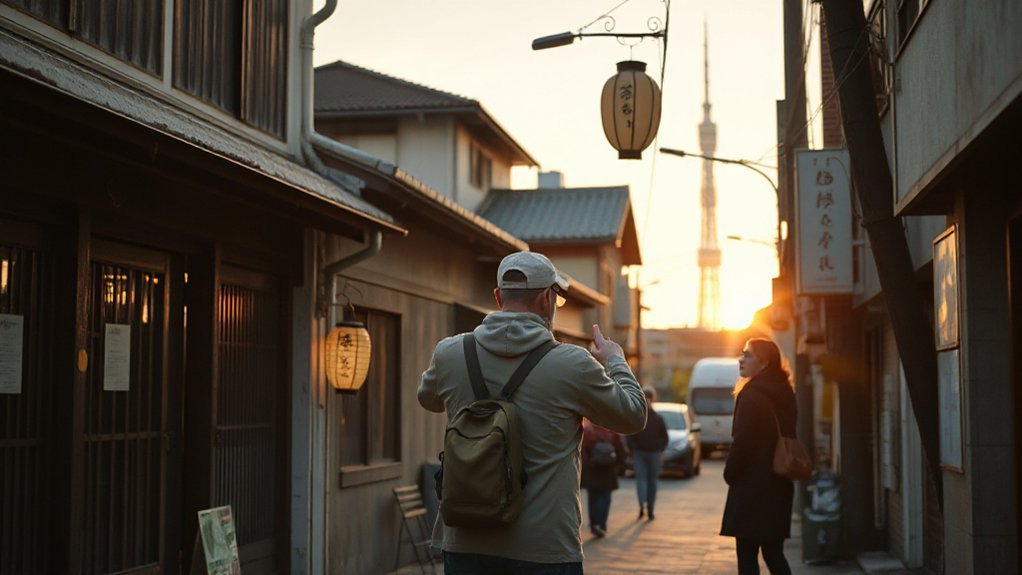
Even if you like to wing it, hiring a private guide in Tokyo saves you hours of guesswork and gets you straight to the good stuff. You get a day shaped to you, not a herd, with no strangers, easy pacing, and on‑the‑spot changes when your feet or stomach vote. Think Akira N.’s 7‑hour Personalized Tokyo Journey (4.95/5, 390 reviews): you share age and interests beforehand, then it clicks into a route of back‑alley snack bars, quiet shrines, and small surprises you’d likely miss. That’s cultural immersion with stress reduction baked in.
Local pros steer you through transit—Pasmo or JR pass activation, no sweat—and sometimes toss in language help, complimentary rides, or even pro photos. Short 2‑hour kickstarts or full 5–7 hour rambles both work. You leave with spot‑on restaurant picks and logistics tips. Your booking backs independent hosts, fair pay, neighborhoods, and ratings hover 4.9 with reason.
What a Licensed Guide Credential Means
Now, about that little badge some guides list next to their name—it’s not just a pretty sticker. In Japan, a National Guide Interpreter credential comes from Government oversight and a tough national exam that checks language, history, culture, and guiding skills. When a guide is licensed and registered with local authorities, they can legally lead paid tours, which sets them apart from friends or volunteer escorts who can’t. You’ll see the license type, issuing body, and sometimes a registration number on their profile, so you can verify it without guesswork.
That license also signals proven language chops and know-how about customs, transit, and timing, so your day runs smooth and explanations land on the spot. Most pros carry liability coverage, list years of experience, and keep high ratings, which adds a layer of accountability. Renewal requirements keep skills current, and audits or updates reinforce standards, not marketing fluff.
Matching a Guide to Your Interests

First, get clear on what you want out of the day—if it’s street food and hidden alleys, pick someone like Akira N. with 30+ years in Tokyo, or if it’s pure eating, book a focused food tour like “A Taste of Tokyo: Sake & Sushi” or a Tsukiji specialist with the five-star track record to match. Then check language and specialties and proof in the reviews—Tokyo guides often sit around 4.9, so hunt for lines that praise exactly what you care about, and remember you can also pick a guide who handles logistics and photos (think Thomas K. as the model, even if he’s in Seoul) so you’re not juggling trains and snapshots. Finally, match the pace and style to your group—ask for pre-book tweaks, share ages and interests like Akira’s 7-hour Personalized Tokyo Journey requires, and choose between a long, on-foot alley wander or a comfy, photo-friendly day with transport so no one fades by midafternoon.
Clarify Your Priorities
How do you want Tokyo to feel in your shoes by sundown? Start by naming the experience you want—street-food and ramen crawl, Tsukiji sushi class, Asakusa history walk, or a full-day personalized Tokyo journey—then build a Must see hierarchy so your guide knows what’s sacred and what’s optional. Be honest about Experience tradeoffs: alleyway grazing takes time, temples take lines, and trains take legs.
Match the format to your pace. If you like to wander and snack, pick a walking-focused guide; Akira N. even prefers walk-and-discover tours. If you want range, book a 5–7 hour private day. Check ratings to sanity-check fit.
When you message a guide, share ages, mobility, and any food limits, plus exact interests, so they tune stops and timing perfectly.
Language and Specialties
When you skim guide profiles, treat language and specialty like your compass, because the right match turns a good day into a bullseye. Start with languages you actually speak, then scan for focus areas you’ll enjoy. Aton M. blends French and English with Tokyo gastronomy and daily life; Matilde M. shows how history, art, and architecture chops read on a profile. Akira N., a certified interpreter with 30+ Tokyo years and a 4.95/5, excels at flexible, street-treasure themes. Seasonal specialties matter too, from cherry-blossom food walks to autumn sake.
- Check tour titles: “A Taste of Tokyo,” “Tsukiji Fish Market,” or “Ginza Architecture” signal expertise.
- Ask in pre-book chat for sample itineraries and language checks.
- Seek Specialty collaborations or extras—sushi classes, sake tastings, photography options.
Tour Pace and Style
Even if you’ve only got a day to spare, the right guide will set a pace that matches your feet and your mood, not the other way around. Before you book, expect a quick chat where they ask age, interests, and comfort, then shape the day for you. Short with 2–2.5 hour kickstarts or food runs, or stretch to 5–7 hour rambles; Akira’s seven-hour wander is for Slow savoring, while Brisk highlights fit a quick dash. If you want comfort, Thomas rolls a van and snaps pro photos, easy on knees and kids. If you love street food and alleys, Akira favors unplanned strolls. Most routes are walking-heavy; read notes on stairs and transit. It’s your party, linger, skip, or switch on the fly.
Language Skills and Communication
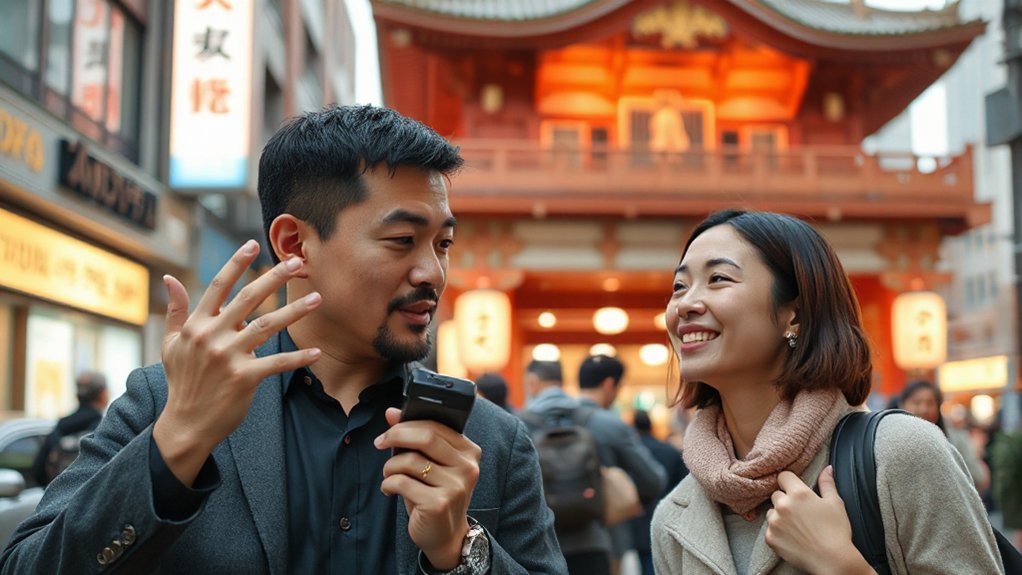
Why does language matter on a Tokyo tour? It steers what you notice, what you taste, and how fast you feel at home, and it’s not just words, it’s Nonverbal cues and your Terminology preferences, like whether ramen “tare” or shrine “torii” ring a bell. Start by checking each guide’s profile language field today; you’ll see notes like Aton M. lists French and English, and Matilde M. is native Portuguese, clear. Then message them before booking and ask for their conversational level, the vocab you care about—history, food, transit—and a short English sample if you need advanced terms.
- Scan for formal credentials; a certified national guide interpreter, like Akira N., signals pro-grade interpreting and context.
- If you need kid-friendly talk, pick guides with reviews praising patience, and confirm they’ve done families.
- Favor high ratings and review counts—many Tokyo pros sit near 4.9/5—showing clear, steady communication.
Crafting a Flexible, Family-Friendly Itinerary
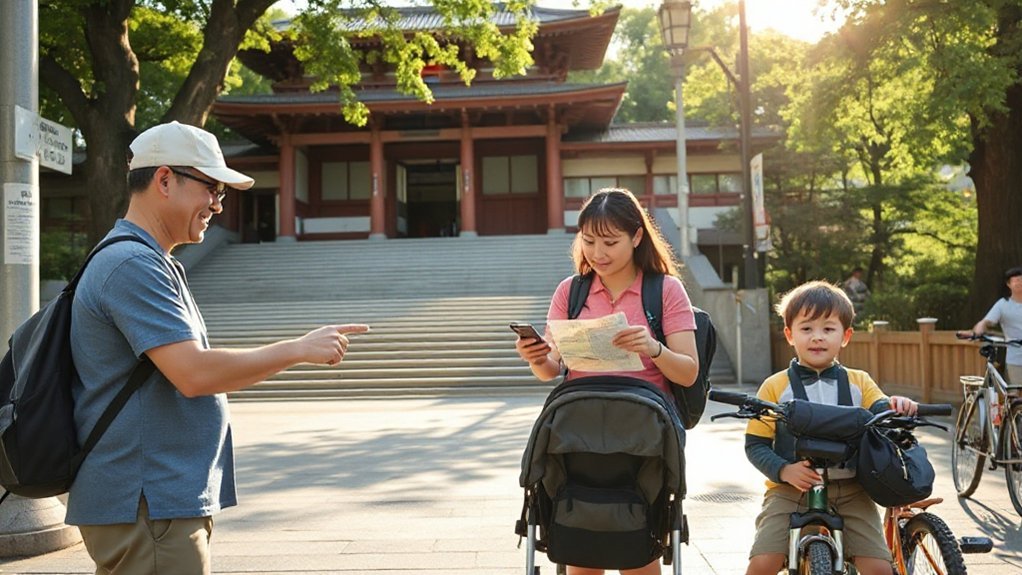
Start by telling your guide the kids’ ages and what lights them up, then ask for a 5–7 hour plan that fits them—maybe a private sushi-making class for a curious teen, a short sumo or neighborhood peek for a grade-schooler, or hands-on tastings like the “10 Tastings of Tokyo” so little ones stay busy. Build in rest breaks and low-walking, stroller-friendly stops—Meiji Shrine’s flat paths, Skytree’s elevators, a seated Tsukiji sushi stop—and keep start and end times flexible so you can tweak the day without fuss. Ask for transit help (Suica/Pasmo, easy subway hops, or a van if needed) and quick snack or park pauses, because there’s no medal for sprinting through Tokyo with tired kids.
Age-Based Activity Planning
When you plan a day in Tokyo with a private guide, think in ages, not hours, because kids and teens travel at different speeds and you’ll feel it by lunchtime. Share ages and interests up front, so pacing fits, whether Meiji Shrine’s calm paths or a hands-on sushi class.
- For little legs, book 2–3 hour tours or split a full day into two half-days, ask for stroller-friendly routes and transit-heavy moves, and get help loading Pasmo cards with that refundable 500‑yen deposit.
- For teens, mix Shibuya street food, Akihabara pop culture, and Skytree view, alternating buzz and breath.
- For mixed needs, pick a flexible guide who can tweak plans, offer van transport, photo services, and shorter museum visits, with souvenir suggestions and sensory considerations.
Built-In Rest Breaks
Usually, the best Tokyo days roll smoother when you plan short, built‑in breathers every 60–90 minutes, because kids, grandparents, and honestly you too run out of steam faster than you think on a 2–7 hour tour.
Tell your guide ages and mobility upfront; they’ll plan stroller‑friendly routes, longer pauses, or a complimentary van. Think Micro Restspots and Snack Strategies: Tsukiji stall bites, a 10–20 minute café, a konbini seat, or Yoyogi Park. Guides can load Pasmo (500 yen deposit) and reserve family tables. Stay flexible—Akira‑style—so breaks slide on 5–7 hour days safely.
| Stop | Time | Why it works |
|---|---|---|
| Konbini bench | 5–8 min | Fast bathroom, cheap drinks |
| Café near station | 10–20 min | Seats, AC, easy reentry |
| Yoyogi Park bench | 10–15 min | Quiet shade by Meiji Shrine |
Navigating Trains and City Logistics
More often than not, you’ll ride the rails to see Tokyo, and a good private guide maps out a clean subway-and-train plan so you hop between neighborhoods fast without burning time or shoe leather. They show you how to read station signage, where to stash bags in coin lockers or arrange luggage storage, and which exits drop you right where you need to be. You’ll breeze through with a Pasmo or Suica, topped up on the fly, and yes, that Pasmo deposit is usually ¥500 and refundable.
- Need a JR Pass? Your guide can steer you to Tokyo Station to activate it and snag train seats, which is calmer than Shinjuku.
- Hate crowds? They’ll pick routes that dodge rush-hour, or switch to a taxi or Thomas K.’s van for door-to-door comfort.
- Got stairs ahead? Expect a heads-up on long walks, elevators, and IC card manners at the gates.
Reading Reviews and Verifying Experience
Start by checking the guide’s credentials and years on the job, look for “certified national guide interpreter,” “licensed tour guide,” or a local syndicate badge, and see if reviews mention how long they’ve been guiding without gaps that make you squint. Then look for steady ratings across the board, not a one-hit wonder—Tokyo pros often sit at 4.8–5.0 with 400+ reviews, like Akira N. at 4.95/390 or tours showing 4.9 with 440–605, which tells you the good service isn’t a fluke. Finally, skim recent, verified reviews for specific wins—custom plans, sharp food picks, help on trains, on-time meets, even photo help—so you know the praise matches real work done this year, not a greatest hits album from long ago.
Check Guide Credentials
How do you tell a Tokyo guide’s the real deal and not just good at selfies? Start with credentials you can touch and trace. Look for licensed titles like “national guide interpreter,” an official guide number, or training and degrees listed right on their page. Cross‑check their social profiles and website portfolio to see if the same facts show up, with dates, specialties, and sample tours that feel lived‑in, not copy‑pasted. Years matter, too—thirty seasons in Tokyo reads different than a summer gig.
- Ask for their licence number and insurance, plus a sample itinerary for your dates.
- Scan recent, verified post‑tour reviews for language skills and private tour details.
- Message them; judge how specific, timely, and practical their replies are before you commit today.
Assess Ratings Consistency
Paper credentials are great, but the crowd’s track record tells you how they show up on tour. Start with the rating distribution, not just the headline score, because a 4.95 across 390 reviews or tours averaging ~4.9 from hundreds beats a shiny 5.00 from 40 any day. Skim recency and detail: listings with 605, 550, 532, or 470 fresh notes show steady work, not one lucky weekend.
Use outlier detection like a human: weigh clusters of similar comments over single outbursts. When dozens mention food know-how, customization, or punctuality, that sticks. Favor platforms where only real customers can review after the tour. Then cross‑check claims—“certified national guide interpreter,” long Tokyo living, or a pro photo add‑on—against what reviewers say they actually got on tour.
Verify Years Guiding
Why guess when you can trace the miles a guide has actually walked? Start with clear claims on profiles and review summaries: “more than 30 years living in Tokyo” like Akira N., “licensed since 2016” like Thomas K., or “4 years’ experience” like Oskar Enrique M. Match those lines against the trail: 390 reviews for Akira, 605 on similar Tokyo tours, steady 4.9–5.0 stars, and recent dates.
- Check credentials: “Official Guide since 2004” like Matilde M., or membership badges, say the Egyptian Syndicate of Tourist Guides for Aton M.
- Scan archived bios and press mentions that timestamp careers, which don’t vanish when taglines change.
- Read multiple reviews for repeat bookings, multi-day gigs, and notes like “thousands of clients over a decade.”
Budget, Fees, and What’s Included
Before you lock in a guide, get a clear picture of what you’ll pay and what you actually get, because Tokyo tours swing from short 2–3 hour marketplace outings at roughly €32–€117 per person to full‑day private listings around €96–€97 in some examples, while specialist, top‑tier private days can run much higher, roughly US$388–$1,281 depending on length and bells and whistles. Push for price transparency, and ask plainly about hidden costs. What’s included usually means a licensed local pro, a private, custom plan, and pre‑tour messaging. Some hosts toss in van transport or pro photos, and food tours often include tastings. Expect higher rates for veteran, certified guides, bigger groups, and add‑ons like trains, taxis, shrine tickets, or lunch. Pre‑booking details like ages and interests help them pace stops and pick meals that fit you. On marketplaces, you’ll see secure checkout, fair‑pay setups, flexible cancellations, and tipping guidance.
Safety, Insurance, and Professional Standards
Price squared away, now make sure the person you’re hiring is legit and has your back when things get bumpy, because peace of mind is worth more than an extra stop at a shrine.
Price sorted; hire someone legit who has your back—peace of mind beats extra shrines.
In Tokyo, start with credentials—look for “licensed tour guide” or “certified national guide interpreter,” and don’t be shy about asking to see the card.
- Ask about liability insurance, secure payment on the platform, and clear cancellation terms; it’s boring until the day you need it.
- Confirm practical safety help: Pasmo or IC card setup, JR Pass activation, meetup plans, and what happens in an emergency, with numbers and steps.
- Seek professional standards: years guiding, ratings and sample reviews, Data Privacy for your info, proof of ID, and any Continuing Education or training.
A good guide will answer straight, no fuss, and you’ll feel that really quiet click of trust before the first station gate.
How to Contact, Vet, and Book Your Guide
How do you turn a promising profile into a guide you can trust for a full day in Tokyo? Start with the platform’s direct messaging and use message templates to ask about languages and availability, then please share traveler ages and interests—some guides, like Akira N., build trips around that. In the chat, request a rough itinerary, note walking versus van options, flag mobility needs, and ask what’s included; Thomas K. even offers complimentary van transport and pro photography.
Then vet like a pro: scan profiles for licenses, years, and ratings—say 4.95/5 from 390 reviews or 5.00/5 from 40. Before you pay, confirm total price, per‑person or flat, payment, cancellation, tipping, and whether they’ll help with PASMO cards or JR Pass activation. Read reviews for the tour and ask for references or sample routes to match your style—food alleys, history, or hidden corners—while keeping data protection in mind.
Frequently Asked Questions
Is Tipping Customary for Private Guides in Tokyo?
Tokyo tipping truths: you typically don’t tip private guides. Tipping etiquette favors thanks over cash. Local expectations welcome gratitude, small souvenirs, or reviews. If service shines, discreetly offer a modest gratuity; guides may sometimes decline.
What Is the Typical Group Size Limit per Guide?
Typically one private guide handles 6 guests comfortably. Some accept up to 8 as maximum capacity, depending on itinerary and transport. You’ll get booking flexibility—add a second guide or split groups for pacing and safety.
Do Guides Operate on National Holidays and During Major Festivals?
Like lanterns glowing at dusk, guides operate on national holidays and during major festivals. You’ll confirm holiday availability early, since festival staffing tightens; book flexible hours, expect rates, and verify access, transport changes, and plans.
Are Pets Allowed on Private Tours or at Most Sites?
Yes, private tours allow pets, but policies vary by site. You should confirm in advance, follow pet etiquette, use carriers or leashes, and note that service animals are often permitted, even where regular pets aren’t.
Are Drones or Tripod Photography Permitted at Planned Locations?
Sometimes—permissions vary by site. Drones usually need permit requirements and face location restrictions; tripods are limited in crowds. For example, you secure a park permit but must skip shrine flights. I’ll confirm rules and alternatives.