
You want Tokyo under your feet, not behind a bus window, so start with a free neighborhood walk in Asakusa or Ueno, get your bearings, then chase smells and stories—like skewers in Shinjuku’s alleys, samurai armor at the Tokyo National Museum, and quiet graves in Yanaka where cats run the lanes. Pack a Suica, water, and good shoes. If you like a night cap—or a niche—there’s a smart next step waiting.
Key Takeaways
- Tokyo Localized free walking tour from Akihabara to Ueno Park, 3 hours, reservation required, straightforward route; tipping encouraged based on value.
- Self-guided walking loops in Asakusa, Tsukiji, and Yanaka using apps with offline maps and audio; 1–3 hours each.
- Shinjuku bar‑hopping night tour, 3.5 hours, max seven guests; includes guide, two meals, multiple drinks, and dietary-friendly options.
- Context Travel’s 2‑hour Tokyo National Museum tour with scholar guides explores Ukiyo‑e, samurai armor, and Buddhist art; museum admission extra.
- Walk Japan’s two‑day historical Tokyo walk covers hidden neighborhoods and Edo‑to‑modern stories; full days on foot with metro card provided.
The Basics: The Original Free Walking Tour
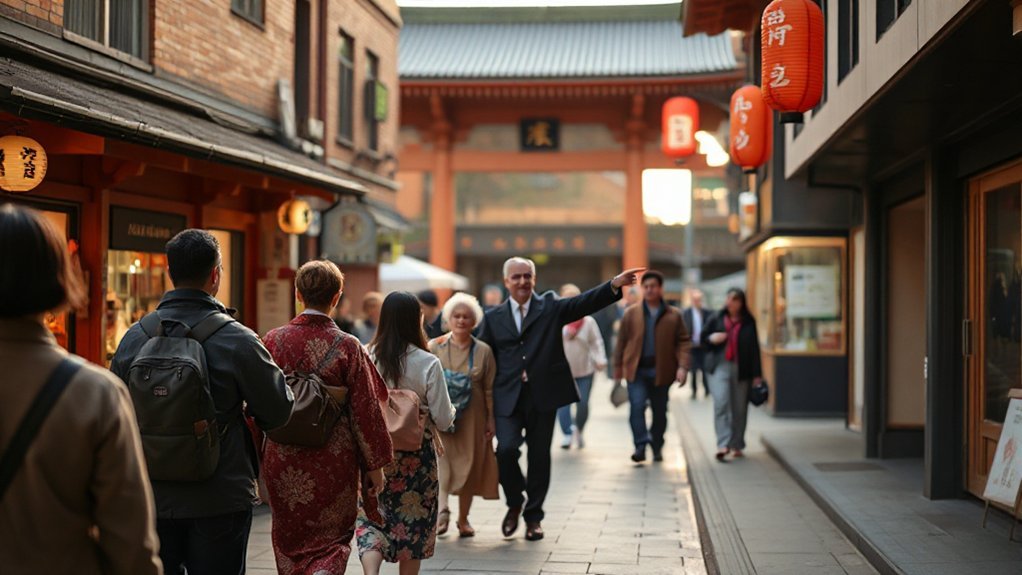
If you want a simple way to get your bearings without burning your whole day, start with Tokyo Localized’s Original Free Walking Tour. It runs three hours, which sounds long until you see how fast Akihabara to Ueno flies by when someone points out good stuff and sets a steady pace. You meet at the Meeting Point in Akihabara, then wind to Kanda Shrine, cut through Ameyoko’s bustle, and pause at Yushima Seido before finishing under Ueno Park’s trees. Reserve your spot ahead; they won’t take walk-ups, and spots go quick.
Price-wise, it’s free to join, and Tipping Etiquette here is simple: tip if you learned something or laughed, because that’s how the guide gets paid. Toss in what feels right, then remember their paid tours start around ¥3,000 if you want more later. Wear comfy shoes, bring water, and trust the route—it’s straightforward and time well spent.
Food & Drink: Tokyo Bar Hopping Night Tour in Shinjuku
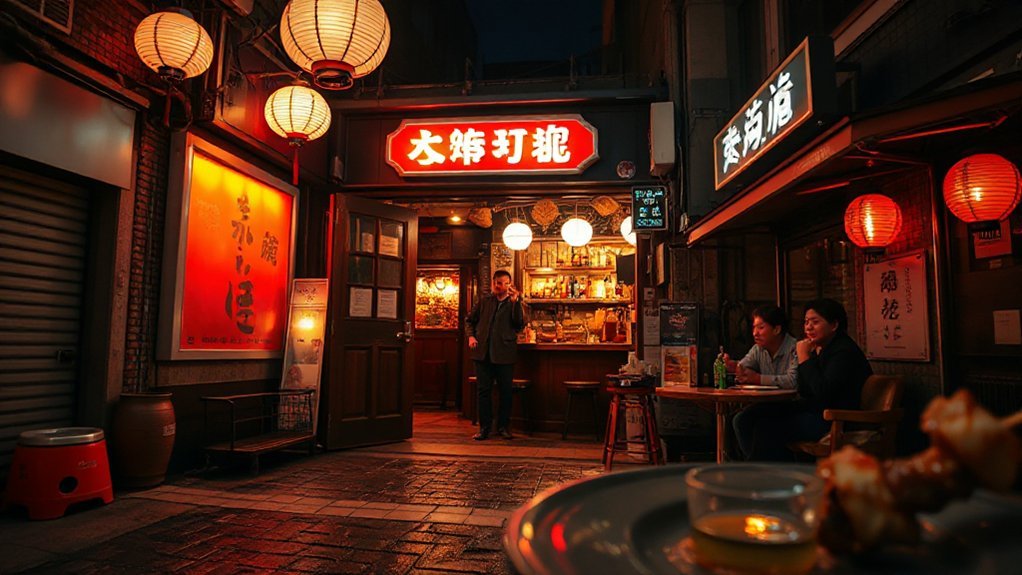
How do you meet Shinjuku after dark without getting lost in the neon? You join Magical Trip’s Tokyo Bar Hopping Night Tour, a 3.5‑hour wander through izakaya life with a guide and no guesswork. You slip into an Omoide Yokocho nook for smoky skewers, then a Kabukicho izakaya, and finish at a Kabukicho sake bar where Local Spirits line the wall. Along the way you learn Izakaya Etiquette the simple way—where to stash your bag, how to kanpai without clinking like cymbals, when to pour for others and let them pour for you.
It’s about ¥16,590 per person, small and sane with a max of seven. The price covers a guide, two meals, and drinks: two at the first stop, all‑you‑can‑drink at the second, one at the last. Vegetarian and non‑alcoholic requests are welcome. You eat what locals order, pay once, and walk, steady, and a little braver.
Art: Tokyo National Museum Tour – A Guided Crash Course
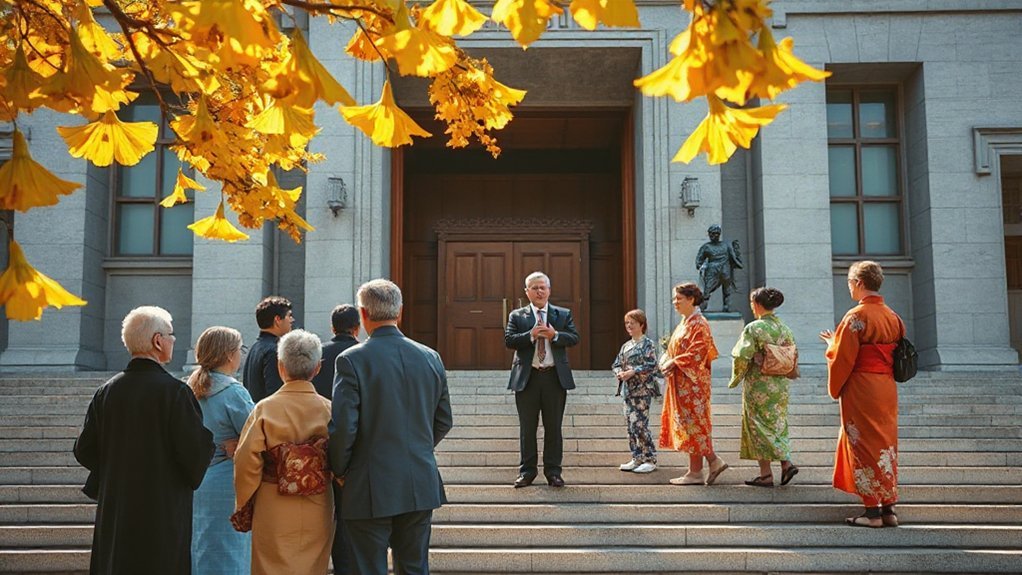
After last night’s bar hop, trade neon for quiet halls and head to Ueno for a sharp, two-hour crash course at the Tokyo National Museum with Context Travel. You’ll walk with a masters- or PhD-level guide who keeps things tight, moving from Meiji-era paintings to Ukiyo e prints, from samurai armour and kimonos to calm Buddhist sculptures. They don’t just point; they deliver Curatorial insights that stitch timelines together so the rooms make sense.
From Meiji to Ukiyo-e, samurai to serene Buddhas—two hours, expertly guided
Here’s how to think about it:
- Pay about ¥40,479 for the tour, and budget roughly ¥1,000 more for museum admission.
- Expect rotating exhibits each month, which means new highlights if you come back.
- Get depth over breadth, a true primer that beats wandering and guessing.
- Ask questions, since your specialist—art history, archaeology, even architecture—will meet you where you are.
It’s a clear, compact way to see major periods without rushing.
History: Walk Japan’s Tokyo Tour
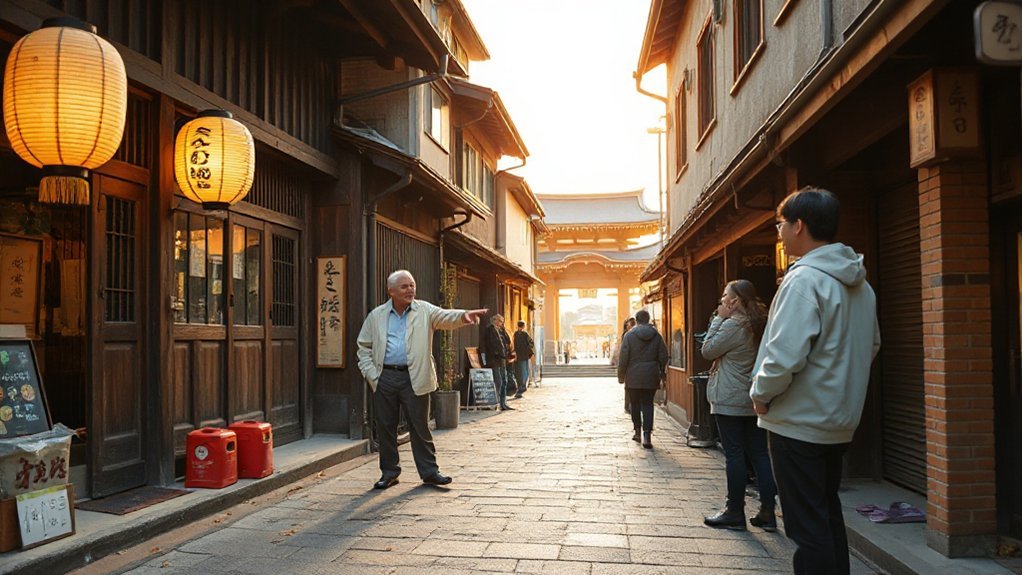
You spend two full days, about 9 to 5, walking Tokyo with Walk Japan, tracing the city’s story from Edo samurai streets to postwar rebuilds and today’s shine, and it runs about ¥40,000. You thread through Morishita, Iidabashi, Nippori, and Ginza, slipping into quiet corners like Yanaka Cemetery and Nezu Shrine, then popping out by the Imperial Palace and the time-capsule floors at Mitsukoshi—history with shoe leather, not a slideshow. It’s mostly on foot with a metro card in your pocket and steady breaks, so bring easy shoes and lunch money, because the guide keeps the pace honest and the city does the talking.
Two-Day Historical Itinerary
On this two‑day Walk Japan tour, you trace Tokyo’s old bones from the Edo period through the post‑war rebuild to the city you see now, with a guide who knows where the stories hide. Days run 09:00–17:00, mostly on foot with metro card, so use smart Pacing strategies and bring a simple Packing checklist: water, sun cover, layers, cash. Regular breaks keep the miles friendly, and your guide folds in quiet corners and strong, plain talk.
- Start in Morishita, slip alleys to Nezu Shrine, buy your own lunch.
- Walk Yanaka Cemetery’s paths, hear old names, ride the metro when needed.
- Circle the Imperial Palace precinct, watch joggers, feel the moat wind.
- Finish in Ginza at Mitsukoshi, see old service meet bright windows, about ¥40,000.
Edo to Modern Timeline
This two-day walk lays out Tokyo’s story like a long street, where each block carries a different year and you can see the seams if you look close. You start in Edo’s corners, hearing about shoguns and the Samurai Decline, then step into Meiji change and Industrial Modernization that rebuilt streets, work, and habits. Morishita, Iidabashi, and Nippori map that shift, while Imperial Palace precincts show power turned public space. Yanaka Cemetery and Nezu Shrine hold what lasted; Ginza and Mitsukoshi point to postwar bustle and today’s shine. You walk most of the way, ride a few metros with the card, take breaks, and buy your own lunch. Hours run 9 to 17 both days; departures are guaranteed, and the price sits near ¥40,000.
Hidden Neighborhood Highlights
While Tokyo’s big sights hog the postcards, the good stuff hides in the seams, and Walk Japan’s Tokyo Tour shows you where the stitching shows. Over two days, roughly 9 to 5, you wander Morishita, Iidabashi, Nippori, and Ginza, hopping the metro when it helps and resting before your feet bark. Guides tie Edo streets to today’s corners, no fluff, just stories you can touch at Yanaka Cemetery, Nezu Shrine, the Imperial Palace area, and Mitsukoshi. You’ll spot Community Murals and Rooftop Gardens above the bustle, proofs that the city still breathes.
- Follow shop lanes where fishmongers traded, and hear why the prices stuck.
- Read worn temple posts like ledgers.
- Count bomb‑scar repairs.
- Watch neighbors swap greetings, like tea.
LGBTQ+: Tokyo Night Tour
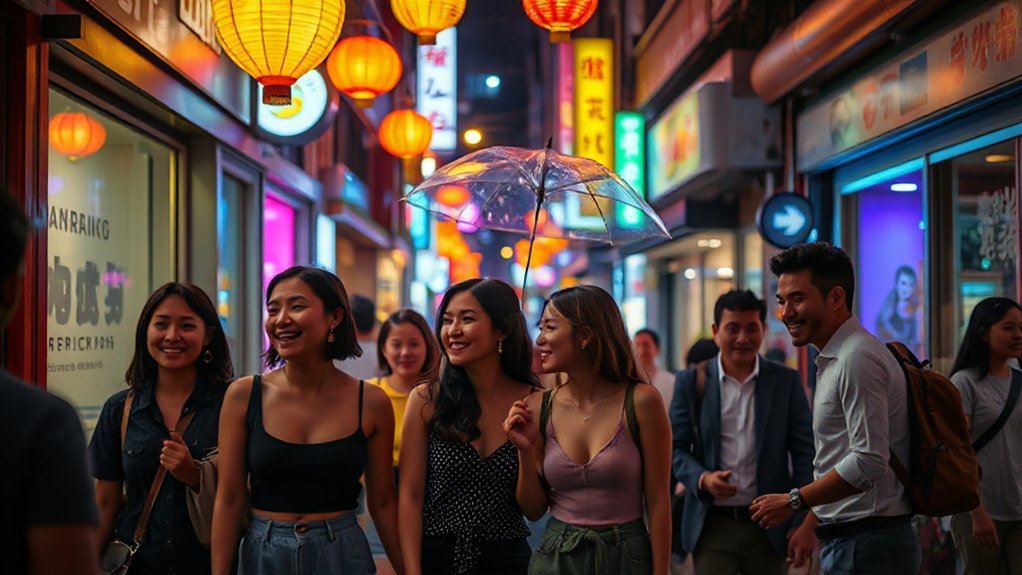
You start in Asakusa tracing underground queer history, then hop the metro to Shinjuku Ni-chome, Tokyo’s main gay district, with your guide keeping the pace easy and the stories grounded. You get a light dinner and one drink included, the metro tickets are covered for the group, and the small crew—usually no more than eight—makes it feel like you’re out with sharp friends, not stuck in a herd. If you want extra focus, you can pay a bit more for a one-on-one guide, which suits solo travelers and shy folks, and at about three hours and ¥14,388 per person it’s a tidy, no-fuss night that earns its keep.
Asakusa to Nichome Route
After dusk, set out from Asakusa with a small crew to trace the city’s queer backstreets with Pinpoint Traveler, then hop the metro to Shinjuku’s Nichome where the neon gets loud and the stories get louder. You’ll feel the Neon shifts and the Architectural contrasts, from temple lanes and low eaves to glass cubes and rainbow signs, and a guide keeps the thread so nothing gets lost. The route runs about three hours, metro tickets included, and groups cap at eight, so you can hear each other. It’s roughly ¥14,388, with a private add-on for ¥3,000 if you want elbow room.
- Start with context, not spectacle.
- Notice who’s welcome, why.
- Ask short, honest questions.
- Let the street set the pace.
Light Dinner and Drink
Since this night tour keeps a tight three-hour loop, the light dinner and one drink are baked into the price so you can eat, sip, and keep moving. You’ll start in Asakusa, then roll to Shinjuku Nichome, and the guide times bites so you see without losing stride. Think skewers or a small rice bowl, with Portion Sizes meant to keep you light on your feet, plus a beer, highball, or soft drink.
| What you get | Notes |
|---|---|
| Light dinner | Simple, tasty, quick to serve |
| One drink | Alcoholic or non-alcoholic |
Dietary Options are handled with a heads-up when you book, no fuss. The price (about ¥14,388) covers food and one drink.
Optional Private Guide
Plates cleared and glasses empty, the night can get even more your speed with a private guide on this LGBTQ+ Tokyo Night Tour. Pinpoint Traveler already keeps groups small, usually 2 to 8, but a one-on-one upgrade adds real Privacy Benefits for just ¥3,000 extra. You’ll still get the 3-hour flow from Asakusa’s underground corners to Shinjuku Nichome’s neon bars, dinner and one drink included, plus metro tickets, and you’ll set the pace, no elbowing.
- Personalized Itineraries: map the stops you care about, skip what you don’t.
- Safety and comfort: ask frank questions, stay low-key if you prefer.
- Language help: smooth chats with bartenders and regulars.
- Value check: at ¥14,388 per person, the upgrade makes each minute count.
You walk, they handle the rest.
Nightlife: Tokyo Deep Underground Nightlife Tour
While most of the city winds down, the Tokyo Deep Underground Nightlife Tour wakes up at midnight and keeps you out till about 5:00 a.m., and it only runs on Saturday nights. You’ll handle late night logistics; the guide sets the meet point, keeps the pace, and watches the clock so you don’t miss a beat. With a cap of four, small group dynamics stay easy and friendly, like bar‑hopping with pals who know the door staff. It’s run by Rakuten Travel Experiences, and the route bends to your tastes, so you might slide from a vinyl bar to karaoke to a pulsing club, or linger where the vibe clicks.
It’s ¥18,000 per booking; drinks and entry fees are on you, which keeps choices wide open. Tell the guide what you like, and they’ll shape the night. Bring cash, pace your pours and water, always wear danceable shoes.
Customisable: Eighty Days Japan
A good fit when you want Tokyo your way, Eighty Days Japan builds private and multi‑day trips that match your pace and quirks, not the other way around, so you can spend a slow morning in Yanaka’s backstreets and then chase ramen steam in the afternoon without anyone rushing you. You set the focus, they tune the dial. Want to meet sumo wrestlers after a bout, share dinner with geishas, pluck a shamisen, or polish wood with a master? Ask early, especially for cherry blossom weeks, and they’ll line it up without the song and dance.
They’re big on Sustainable Itineraries and quiet Community Engagement, so your yen lands with local folks, not just the neon. You can request a quote or chat live on their site, and peek at sample packages to spark ideas.
- Pace set.
- Skills, hands-on.
- Book early.
- Leave slack open.
Featured Day Tours: Asakusa, Tsukiji, Yanaka
Three easy picks set you up to taste old Tokyo without burning a whole day: in Asakusa you can dip a brush in ink for a 1 to 1.5‑hour calligraphy class, or join the free neighborhood walk if you reserve ahead and want to save your yen; down at Tsukiji’s Outer Market a paid 2.5‑hour food tour walks you past sizzling skewers and fresh seafood you actually sample, not just stare at; and over in Yanaka a steady 3‑hour stroll threads quiet lanes, temples, and shopfronts that still creak like they did decades ago.
You’ll meet Local Artisans who show how ink flows and brushes breathe, then you’ll write your name and a simple kanji you won’t forget.
At Tsukiji, guides steer you to crisp tamago, tuna belly bites, and a hot cup of tea, so you taste plenty and don’t get hustled.
Seasonal Festivals add lantern-lit Yanaka.
Self-Guided Tokyo Walks and Insider Tips
How do you wander Tokyo without a guide and still feel like you’ve got one in your pocket? Use a self-guided walking app on iOS or Android, download the audio, and wander Asakusa, Tsukiji, or Yanaka on easy 1–3 hour loops. Switch on Offline maps so you don’t chase Wi‑Fi, and let the voice guide. In cherry blossom season, hit Ueno Park’s pond; locals call it the headliner, and your photos will agree. When you need quiet, hop to Jindaiji for moss, temples, and buckwheat shops, pleasantly rural.
- Transit hacks: start early, take the Ginza Line to Asakusa, then walk back toward Skytree.
- Book ahead: calligraphy in Asakusa and Tsukiji tastings sell out; snag routes and timed entries.
- Gamify it: use GPSmyCity stamps and chase the “Exploration Mayor” title.
- Pack small: water, Suica, sunscreen, and a spare mask; streets run longer than they look.
Frequently Asked Questions
Are Tours Wheelchair- and Stroller-Accessible Across Different Neighborhoods?
Wondering if tours are accessible? Yes, many neighborhoods offer wheelchair and stroller access, but you should confirm routes, since sidewalk quality, curb cuts, hills, station elevators, and construction vary; guides can adjust pacing and detours.
Can I Bring My Dog on the Walking Tours?
Yes you can bring dog, but you’ll need to confirm with staff. Follow leash policies, check breed restrictions, and bring waste bags. Routes enter dog-free sites. Provide vaccination proof, keep control, and notify guides beforehand.
Are Restroom Breaks Planned, and How Frequently?
Yes, you’ll get restroom breaks every 45–90 minutes, depending on route and pace. Guides plan scheduled stops, use restroom mapping to adjust timing, and accommodate emergencies. If you need more frequent breaks, tell your guide.
Do Guides Provide First-Aid Support for Minor Injuries?
Yes—about 70% of guides are certified responders, and they’ll assist you with injuries on the spot. They carry basic supplies like bandages, antiseptic wipes, and ice packs, and they’ll escalate to emergency services when needed.
Is Luggage or Large Backpacks Storage Available Before or During Tours?
Tours typically don’t provide luggage storage during walks; use Station Lockers or ask your Hotel Concierge. Arrive early, confirm locker sizes, keep valuables with you. Some guides can suggest options, but availability and hours vary.