
What saves you an hour a day in Tokyo is picking a hotel within a 10‑minute walk of a big station. From there, you cluster sights by neighborhood, book teamLab or Ghibli slots, tap a Suica, and hit the exact exit number like you mean it. Skip rush hour, take a midday nap, stash cash, and reserve dinner. Do this right, and Tokyo flows; here’s how to stitch it together.
Key Takeaways
- Cluster nearby neighborhoods to walk between sights (e.g., Shibuya+Shinjuku), limiting each day to 2–4 clusters to cut transfers and backtracking.
- Save offline Google Maps, drop pins, and note exact station exits; plan routes before descending to avoid 20-minute wrong-exit detours.
- Use Suica/Pasmo for seamless JR/metro/bus taps; add to Apple Wallet, and download Navitime and Translate for fast, reliable navigation.
- Prebook timed entries (teamLab, Ghibli, Shibuya SKY) and key restaurants; screenshot QR codes and arrive 10–15 minutes early.
- Travel outside rush hour, stand near car ends, and stay near major stations; schedule a midday break to maintain energy and pace.
Map Your Must-Sees and Cluster by Neighborhood

Before you sprint off the plane, drop your pins first: open Google Maps, save it offline, and mark every must‑see you’ve got in Tokyo, then start drawing clusters so the nearby stuff lives together — Tsukiji with Ginza, Yoyogi/Meiji with Harajuku, Shibuya with Shinjuku, and the Imperial Palace with Otemachi. Treat your map like a Visual Heatmap and use POI Tagging for simple notes: stall hours at Tsukiji, best metro lines, and exact exits. Limit each day to two to four clusters so you’re walking more than riding, because one wrong transfer or exit can chew up 20 minutes. Pick one or two base neighborhoods for sleep, near big stations you’ll use — Ginza, Otemachi, Shibuya, or Shinjuku — so mornings start with a ten‑minute stroll, not a slog. For every cluster, jot the gate numbers and a nearby taxi stand, and you’ll move like you’ve lived here.
Smart Tickets, Reservations, and Timed Entries
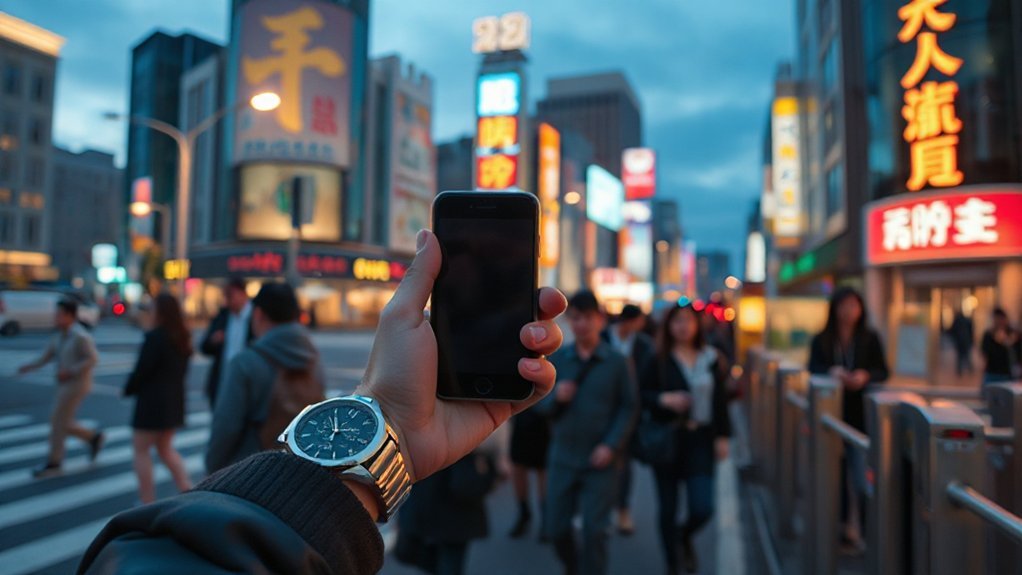
You prebook the big hitters because Tokyo rewards the early bird, with teamLab Planets (about ¥3,200) and Shibuya SKY sunset slots snapping up fast. Ghibli Museum tickets aren’t sold at the door so you grab them weeks ahead, and fixed-entry spots like Imperial Palace guided tours (usually 10:00 or 13:30 when open) need a click before you fly. For food, you reserve the places you care about—omakase counters and tiny favorites—using Pocket Concierge or local sites, because seats vanish quick and it’s nicer to stroll up smiling than to plead at the host stand.
Prebook Popular Attractions
Even in a city that runs on trains to the minute, the hot spots run on tickets to the minute, too, so book the big ones early and pick a time you can actually make. Lock in teamLab Planets (about 3,200 yen), and snag Ghibli Museum weeks out—they never sell at the door. For Shibuya SKY or Tokyo Skytree, sunset slots vanish, and bags and strollers face lockers. Imperial Palace tours run on fixed clocks—10:00 and 13:30—and close Dec 28–Jan 3. Use official sites or reputable resellers, check cancellation policies, and consider private guides.
- Screenshot your QR codes, add to wallet, arrive 10–15 minutes early.
- Pick times you can reach by train without sprinting.
- Travel light; big backpacks get turned away.
Reserve Dining Early
Tickets squared away for teamLab and the palace? Good. Now lock down dinner. Tokyo’s best counters and tiny Michelin spots book out fast, so reserve 2–3 weeks ahead, longer for omakase with eight stools and no walk‑ins. Use Pocket Concierge, local booking sites, or your hotel to snag a set seating time, which saves you from those mysterious “please wait” queues. Check Deposit policies and cancellation rules, because no‑shows bite hard here, and some places won’t bend. Aim to arrive 10–15 minutes early with a screenshot or printout; a few mom‑and‑pops still love paper. Mind Dress codes, even casual ones, so you’re not the odd one in sneakers. Space entries 30–60 minutes apart, plan metro transfers, and give yourself an easy exit at night.
Navigating Tokyo: JR, Metro, IC Cards, and Taxis
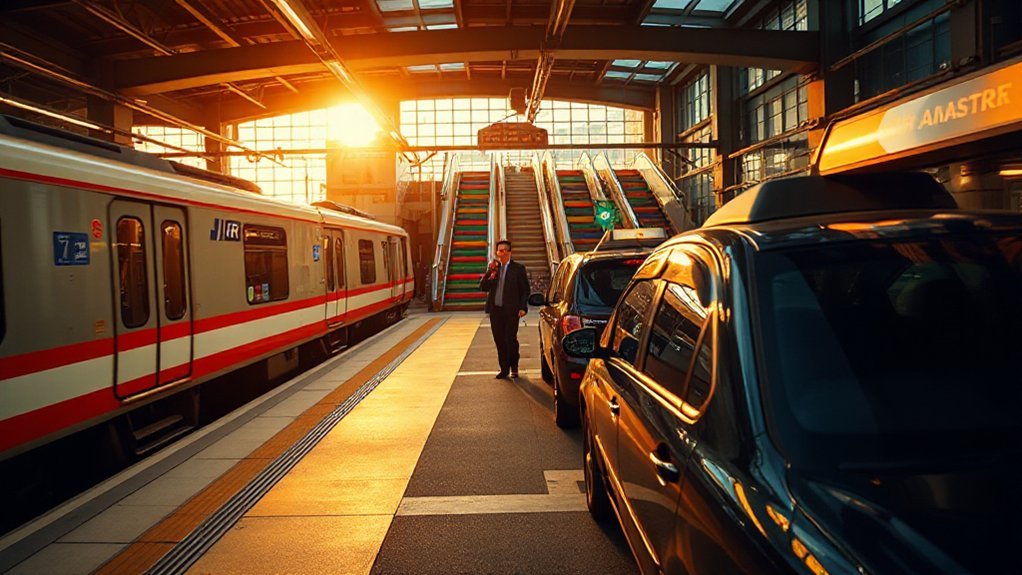
While the map looks like a plate of noodles at first, Tokyo’s rails sort into two big camps: JR for quick cross‑town hops and the metro for tight local coverage. You’ll ride JR’s Yamanote to loop hubs, then switch to metro to stitch the in‑between blocks. Grab a Suica or Pasmo, load it once, tap everywhere—JR, metro, buses, even 7‑Eleven and vending machines—and toss it in Apple Wallet for smooth gates.
- Rush hour strategies and Luggage logistics: ride before 8:00 or after 9:30 when cars breathe, stand near car ends for space, and if you’ve got bags or kids, take elevators, use JR platforms with wide gaps, or spring for a taxi at the curb.
- Planning checks: last trains dry up near midnight, so set an alarm for the ride back, or budget for a cab.
- Beyond Tokyo: buy a JR Rail Pass before arrival; it covers JR lines like Narita Express, not most subways.
Where to Stay: Best Areas and Hotels

First, map your must‑see spots, then plant your bed within about a 10‑minute walk of a big station so you’re sliding onto trains instead of hoofing it through tunnels with sore shoulders by day two.
Ginza works when you want sidewalks and window‑shopping; the Tokyo EDITION Ginza gives you sleek rooms, a welcome drink, and suites, plus cribs and robes that keep toddlers happy. If you like quick links, Otemachi is a breeze: the Four Seasons puts you near the Imperial Palace, with metro lines, a rooftop pool, and baby toiletries, plates, and blankets that save your packing list. For neon energy, aim for Shibuya or Shinjuku, and pick hotels inside or next to the station, like JR‑East Hotel Mets Shibuya or Shibuya Granbell, so transfers shrink. Split your stay to sample two moods. Crave a Capsule Experience or Ryokan Alternatives? Book one night, not your whole trip.
Three Perfect Days: A Time-Maximizing Itinerary
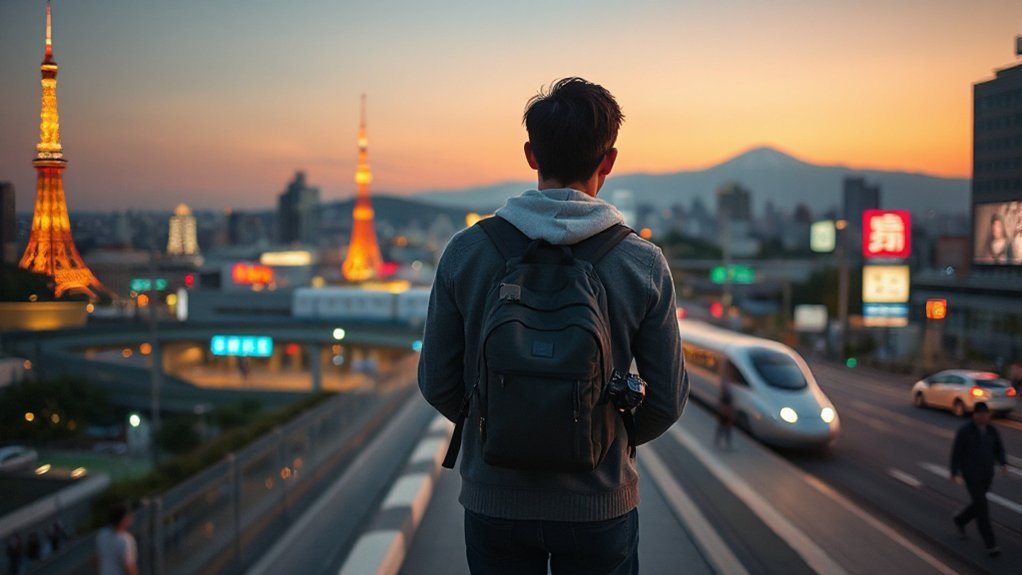
You’ve got your bed by a big station; now let’s wring the most from three easy days without sprinting. Load a Suica/Pasmo, check opening and entry slots, and pad time for long station walks. Seasonal tweaks and Weather contingencies matter, so carry a sunny plan and a rainy backup.
- Day 1: Hit Tsukiji Outer Market early, snack on tuna and tamago before stalls wind down by 2. Afternoon, float at teamLab Planets or laze at a hotel rooftop pool if the sky’s kind, then dress up for est, a Michelin dinner with skyline views.
- Day 2: Sip coffee, stroll Yoyogi Park and Meiji Jingu, then shop Harajuku and Takeshita. Nap after lunch, then aim for Shibuya Crossing and a prebooked Shibuya Sky at sunset.
- Day 3: Browse Jimbōchō bookshops, grab a 7‑Eleven smoothie, lunch at EDITION Ginza, wander flagships, finish at Pigneto or Golden Gai.
Kid-Friendly Tokyo Without Slowing Down
Start early at a calm shrine like Meiji Jingu, when the paths are empty and stroller‑friendly, and you can let little legs wander while you sip a 7‑Eleven coffee and set your Suica so the day moves without fuss. Book teamLab Planets for a morning slot, bring a small towel and a spare tee since shoes come off and there’s shallow water, and you’ll flow through the rooms before lines build, which feels like cheating, in a good way. Then make a nap‑smart pit stop at a central base like the EDITION Ginza or Four Seasons Otemachi, lay the kid down for 60–90 minutes and order simple sandwiches, and you’ll roll back out with fresh legs and zero drama.
Early-Morning Shrine Time
By 8 a.m., roll into Meiji Jingu through Yoyogi Park while the air’s cool and the paths are mostly yours, which means the kids can toddle along the wide gravel like it’s their morning runway and you can actually hear the wind in the trees. Aim for 8:00–9:30; you’ll dodge crowds and snag clean Torii Photography and a steady Shrine Soundscape. Teach quick etiquette: bow at the torii, rinse at the temizuya, hush near prayer. Bring a lightweight stroller, but swap to a carrier on deeper gravel. Dress in layers, carry wipes, and pack out trash; bins are scarce. Restrooms sit by the halls. After, grab Little Nap coffee and let kids loop a playground.
- Dewy cedars
- Quiet footfalls
- Steam rising
Teamlab With Kids
Booking early makes teamLab with kids feel like play, not a battle line. Grab tickets ahead (about 3,200 yen) because Borderless and Planets sell out, especially weekends. Aim for the first entry so trains and crowds don’t set the pace for you. You’ll ditch shoes, socks, stash bags in lockers, and at Planets the water gets knee‑deep, so pack quick‑dry shorts for kids. Use simple Sensory Strategies: talk about dark rooms, reflections, and water, and hold hands in mirrors and busy spots. Keep the visit brisk; the walkthrough runs about an hour with no hard clock. For Exhibit Navigation, follow staff cues, skip bottlenecks, and loop back if a room feels jammed.
| T | W | Do |
|---|---|---|
| Book | sellouts | early |
| Shoes | water | shorts |
| Close | mirrors | hold |
Nap-Smart Hotel Breaks
While Tokyo hums at full tilt, you’ll actually move faster if you pause at noon and make a nap part of the plan.
Plan a daily 12:00–14:00 break, let kids sleep 60–90 minutes, and you’ll skip peak crowds. Pick a place five to ten minutes from a major station—Tokyo EDITION Ginza or Four Seasons Otemachi—so you’re back fast, not wrestling trains. Order sandwiches or bento, close Blackout curtains, run White noise machines; rooms with cribs speed turnarounds, and a rooftop pool or lounge lets you rest while they nap.
- Strollers parked by the door, shoes lined up, sandwiches half gone.
- Lights off, curtains sealed, phone alarms set for 90 minutes.
- Back out by three, riding one stop to Ueno, kids bright-eyed.
Money, Connectivity, and Must-Have Apps
Even before you touch down, set yourself up so Day 1 runs smooth and you’re not hunting Wi‑Fi like a lost duck: grab a prepaid eSIM such as Airalo at home, load 1–3 GB, and you’ll have maps and reservations working the moment the wheels kiss the runway—enough for about 3–5 days unless you’re streaming sumo. Toss in Backup chargers, and aim for Fee free ATMs when you land.
At the airport or big stations, snag a Suica or Pasmo; you’ll tap through gates, and pay in shops, and on newer iPhones you can add it to Apple Wallet. Carry yen, since ramen joints and temple stalls run cash only; 7‑Eleven and post office ATMs work with foreign cards. Save Tokyo in Google Maps offline, add Navitime or JR‑East Train Info, load Google Translate’s Japanese pack, use Pocket Concierge, and enable Apple/Google Pay, but don’t rely on it.
Common Mistakes to Avoid and Local Etiquette
Because Tokyo runs on unspoken rules, you’ll have a smoother trip if you slow down and mind the small stuff: plan your train routes and the exact exit before you dive underground, since Exit A7 and Exit B3 can drop you on totally different streets, and give yourself extra minutes for transfers in stations that feel like indoor cities.
Skip single tickets and tap Suica or Pasmo to dodge lines.
Mind queue etiquette on platforms, stand at the arrows, let folks off, then board.
Phones on silent and voices low, and don’t eat while walking or on trains, slide to a bench or counter.
Carry cash, use 7‑Eleven ATMs, no tipping.
Trash cans are scarce, pack a bag; at temples, shoe removal.
Be patient.
- A Shinjuku rush calms because knew Exit D5.
- You step aside, slurp ramen, toss nothing yet.
- In packed cars, queue straight, phone dark, backpack.
Frequently Asked Questions
How Do I Handle Luggage Between Hotels and Stations Efficiently?
Like clockwork, you’ll streamline transfers: use Coin Lockers at stations for short stops, book Luggage Delivery between hotels, pack a day bag, photograph locker numbers, keep yen coins, and track delivery windows via apps easily.
When Is the Least Crowded Season to Visit Tokyo’s Attractions?
Visit during Late Autumn and Early Winter for the fewest crowds—mid-November to early December, then mid-January to early February. Avoid holidays and weekends. You’ll enjoy shorter lines, cheaper rooms, and calm neighborhoods without sacrificing culture.
Are Tokyo Attractions and Transport Wheelchair-Accessible and Step-Free?
Absolutely—Tokyo practically bows before wheels. You’ll find station elevators, tactile paving, and step free routes across most trains, subways, and attractions. Some older spots lag, so check station maps, use apps, and request staff assistance.
How Can Vegetarians or Halal Travelers Find Reliable Dining Options?
Use official Halal certification apps and directories; cross-check menus and supplier details. Tap Vegetarian networks, meetups, and HappyCow. Message restaurants, ask about cross-contamination, and don’t skip reviews. Save map lists and offline translations for clarity.
What Should I Do in Medical Emergencies or Late-Night Pharmacy Needs?
With ambulances averaging 8-minute responses, you’ll call Emergency Numbers 119/110, share location, and follow dispatcher. For late needs, search Night Pharmacies, ask hotel, or visit university hospitals’ ERs; carry ID, medications list, and insurance details.