
You won’t just tour Tokyo—you’ll wade barefoot through TeamLab’s water room as koi slip under your toes, slide a go-kart past Shibuya’s neon like it’s a movie, press warm rice for your first nigiri, and sip crisp sake in a brewer’s tiny back room. After Golden Gai’s snug bars and a quiet sword kata, you’ll take the lift to Shibuya Sky and catch your breath. Now, here’s how to line it up right.
Key Takeaways
- TeamLab immersive digital art (Planets barefoot water and Borderless), interactive projections responding to crowds; book 1–2 months ahead; ¥3,800–¥5,600.
- Street go-karting through Shibuya Crossing with costumes; licensed karts, IDP required; 60–70 minutes; best pre-sunset slot; ¥10,000–¥12,000.
- Hands-on sushi or wagashi classes with matcha, small groups; shape nigiri or craft seasonal sweets; ¥6,000–¥15,000; some include market demos.
- Guided sake brewery tastings or omakase pairings, exploring ginjo to koshu styles; curated flights ¥1,500–¥40,000 with thoughtful food matches and explanations.
- Night alleys and rooftop views combo: Shinjuku’s tiny bars tour plus Shibuya Sky sunset photography; reserve tickets; expect cover charges and wind exposure.
Immersive Digital Art With Teamlab
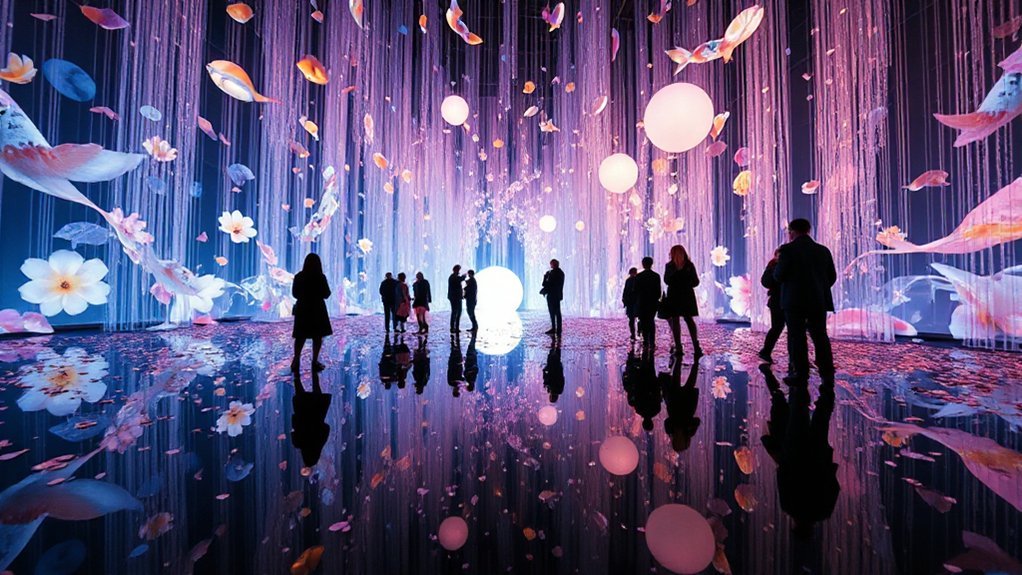
Stepping into TeamLab in Tokyo feels like walking into a dream that answers back when you move, and it comes in two flavors you can choose between. At Planets, you go barefoot, wade through shallow water, and watch ripples trigger color shifts, then duck into a floating flower garden and, yes, finish with a bowl of vegan ramen if you’re peckish. Borderless sprawls wider, with rooms that melt into each other while Projection Mapping and Interactive Design make light behave like an animal that follows your steps.
Both spots read your motion and even the crowd’s mood, so sound and visuals change in real time, which makes photos but means patience helps. Book tickets early—one to two months ahead in busy seasons—and expect ¥3,800–¥5,600. Aim for first slots; they’re calmer and kinder to cameras. Mind the house rules: no flash, shoes off in water, and share the magic.
Street Go-Karting Through Shibuya

Rolling a low-slung go-kart through Shibuya feels like dropping into a video game that forgot to pause, only it’s real streets and your guide sets the pace so you don’t do anything dumb. You suit up at Monkey Kart, pick a Mario-style outfit, and learn Costume etiquette, like no masks that block your view and no capes near wheels, you clip on a helmet and slide into a licensed, low-speed kart. Bring your passport and an International Driving Permit, because they check both before you roll out. Tours run about 60–70 minutes, cost around ¥10,000–¥12,000, and swing past Shibuya Crossing where phones come out and strangers wave. Book one to two weeks ahead, since groups stay small and runs leave hourly from 10 to 18. For the best light, grab the slot before sunset. You drive streets under Safety regulations, and the guide keeps everyone spaced and steady.
Hands-On Sushi and Wagashi Classes
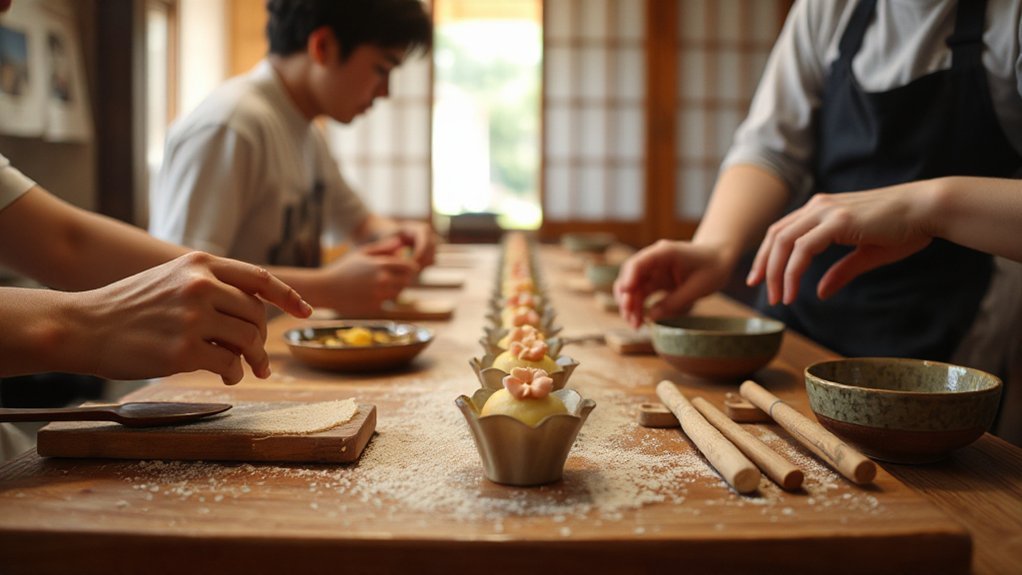
You roll up your sleeves in a Tokyo sushi class, learn nigiri techniques—season your rice, slice tuna clean, press with two fingers—and often start at a Tsukiji-style market where the fish still smells like the sea. Then you switch gears and craft seasonal wagashi, shaping maple-leaf nerikiri around bean paste and pairing it with a quiet bowl of matcha, which sounds fussy but feels calm and friendly. These quick-pick workshops are for travelers who like to do, not watch, so you leave with steady hands, clear tips, and a small box that proves it.
Learn Nigiri Techniques
While Tokyo has sushi on every corner, the clearest way to feel the craft is a hands-on nigiri class where a chef shows how lukewarm rice and light fingers do most of the talking. You’ll taste rice acidity balanced with a simple vinegar mix, then learn fish slicing to the grain, clean and steady, about 3–6 millimeters. In 1–2.5 hours you shape shari, press 18–24 pieces, and tuck wasabi just enough, not pushy.
| Moment | Feeling |
|---|---|
| Warm shari in your palm | Calm focus |
| Knife gliding true | Quiet pride |
| Neta set just so | Simple joy |
| Chef’s nod | You belong |
Classes stay small, usually 4–12 or private, with hygiene rules, steady coaching, optional market demos, and prices around 6,000–15,000 JPY, plus a recipe handout for repeats later.
Craft Seasonal Wagashi
Shaping soft bean paste into a tiny sakura or a crisp red momiji feels like slow, careful play, and a wagashi class in Tokyo shows you how to do it right without fuss. In 60–90 minutes, you learn how mochi and sweet bean paste turn into seasons you can hold, with teachers explaining why petals mean spring renewal and maple leaves nod to change. You shape, color, and finish 3–5 pieces, then pack them to take home, like small trophies that actually taste good. Most studios in Asakusa, Ginza, and near the Ghibli Museum run English-friendly small groups or private lessons, with tea, a matcha demo, and proper presentation. Expect Regional variations and Festive motifs, and book early for cherry-blossom and New Year spots.
Hidden Alleys and Secret Bars Night Tour
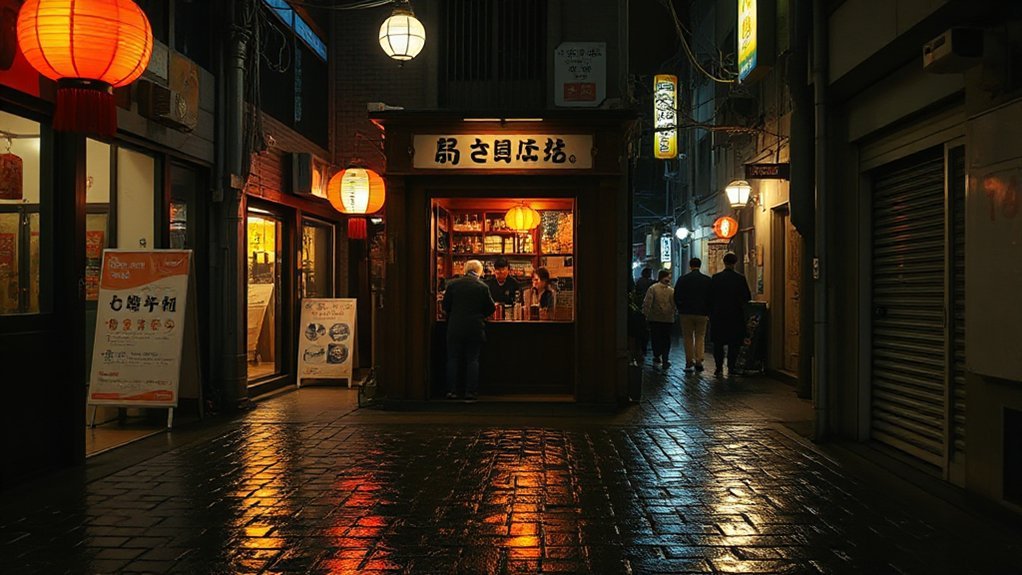
You slip into Shinjuku’s back alleys around 7 or 8 pm with a small group, the kind where you can count heads without using both hands, and you follow a local who knows which doors actually open. In Golden Gai you duck into tiny bars that seat maybe 6 to 12 folks, order one drink like a highball or sake, hand over a small cover—about ¥500 to ¥1,000—and hear how these lanes grew out of post‑war scraps. You hit three to five stops without being loud or pushy, pay cash for ¥800 to ¥1,500 drinks, and get waved past members‑only signs that usually stop tourists, which is the whole point of a proper Golden Gai crawl.
Shinjuku Back Alleys
Neon alleys pull you off Shinjuku’s main drag and into the good stuff, where a guide threads you through Kabukicho, Omoide Yokocho, and into Golden Gai’s maze of more than 200 tiny themed bars packed into lanes you could miss if you blinked. You walk narrow planks of Neon heritage and Backstreet folklore, slipping into rooms that seat six or eight, where the bartender remembers faces, not tabs. Tours run two to three hours, small and steady, with a couple food or drink stops so you pace yourself. Bring yen, since many spots are cash-only and may add an otoshi cover. Weeknights feel more local. Your guide handles intros, checks age and language rules, and reminds you to keep photos quiet and manners easy.
Golden Gai Crawl
Often, a Golden Gai crawl feels like cracking open a hidden panel in Shinjuku and stepping into six-foot-wide alleys lined with more than 200 tiny bars, most with just 5–10 seats and a theme as obvious as the hand-lettered sign on the door. You slip in on a weekday evening, when regulars steer the room and the hush sits right, and you let a guide lead you through 3–5 stops in 2–3 hours, a drink at each, plus alley etiquette and little maps in your head. Themed interiors stack to the ceiling, and and Owner stories spill like warm tea. Some crawls fold in street-food tastings and boast thousands of five-star nods, and you’ll want reservations, especially weekends, because doors fill fast. Out here.
Sake Breweries and Omakase Pairings
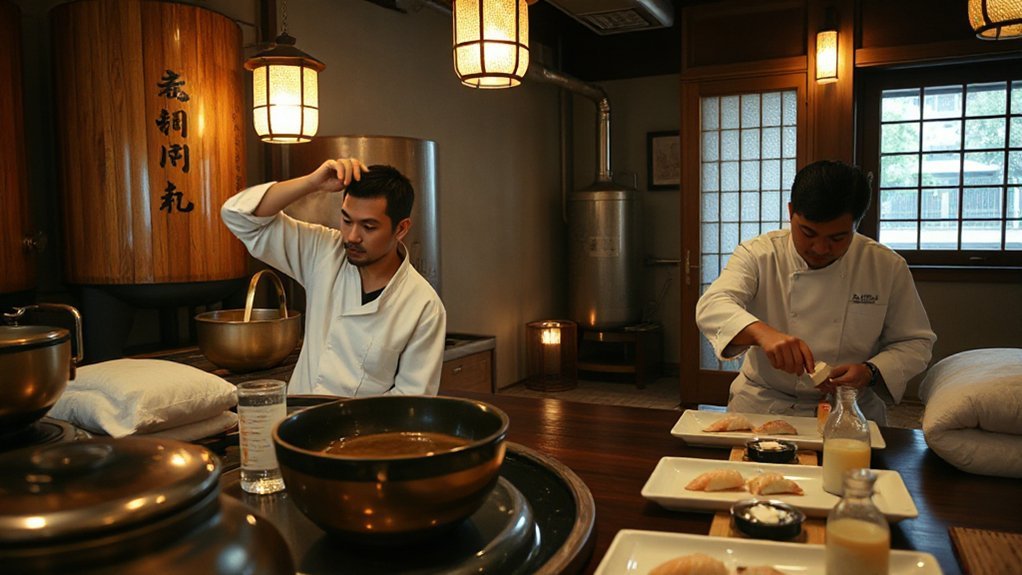
While the city races outside, a quieter craft hums inside Tokyo’s urban breweries, where places like Tokyo Port Brewery walk you through fresh pours and straight-talk lessons on how the sake gets its shape. You sip four to six small pours, learn how Rice Polishing shapes aroma, and how Yeast Strains drive fruit, spice, or calm grain. Staff pour floral ginjo, sturdy junmai, and time-softened koshu, and they point to sweetness, acidity, and umami without fluff.
Then you hit omakase, where nigiri or wagyu meet contrasting pours, from one steady bottle to eight-plus picks; expect ¥1,500–4,000 flights or ¥10,000–40,000 full pairings with calm, careful pours.
| Stop | Taste | Pairing |
|---|---|---|
| Tokyo Port Brewery | Light ginjo, melon | Tofu, sea salt |
| Back-alley taproom | Junmai, rice, umami | Karaage, lemon |
| Warehouse nook | Koshu, nuts, amber | Aged cheddar, soy |
| Chef’s counter | Dry tokubetsu, clean | Sea bream nigiri |
| Late-night bar | Sparkling sake, crisp | Tempura shrimp, chili |
Taiko Drumming and Samurai Workshops
Beating a taiko drum in Tokyo feels less like a class and more like joining a small storm, and you don’t stand around watching—you swing, shout, and move with the group till your arms buzz in a good way. In Shinjuku, a 50‑minute group session puts smaller drums under your sticks, and you learn basic rhythms and Taiko Dynamics with clear calls, hips low. Step up to Taiko Lab for a one‑hour studio lesson on big barrels that rumble your ribs, where synchronized team playing clicks and you feel the festival roots. Some nights you cap it with a taiko plus wagyu yakiniku bundle, three hours door to door, feeding appetite and bragging rights.
Samurai time splits two ways. The Shinjuku show, opened 2023, runs two hours, 18+, not a meal, around $64 with two drinks. Or take beginner sword workshops on kata and Samurai Etiquette, 1–2 hours.
Rooftop Views at Shibuya Sky After Dark
Because the roof is open and the wind’s in your face, Shibuya Sky hits different after dark—you stand on a fully outdoor, 360-degree deck on top of Shibuya Scramble Square and watch the neon spill over the crossing like a live circuit board.
You feel the city breathe, and the views run clear in every direction, no glass glare, no echo, just sky. Arrive just before the Sunset Shift, and you’ll catch gold fading to electric, which is when Night Photography sings. Frame the scramble from above, wait for the lights to pulse, and let the trails paint themselves. Book tickets ahead—about a week is safe—so you can lock a sunset or late slot; walk-ups can bite. Afterward, roll into dinner nearby or a rooftop bar, since you’re already in the thick of it. Indoor towers feel tidy; this one feels honest, wind, scuff marks, and all. Tonight.
Frequently Asked Questions
Are Tours Suitable for Wheelchair Users and Strollers Across All Experiences?
Not all experiences are fully suitable, but many accommodate wheelchairs and strollers. You should confirm Accessible restrooms and Ramp availability per stop, request assistance, and share needs early; you’ll get alternatives, pacing, and guide support.
Do Guides Provide Tours in Languages Other Than English and Japanese?
Right off the bat, yes—you can request multilingual guides beyond English and Japanese. Availability varies, so book early. Specify language, group size, and needs. Sign language tours are available on request; you’ll confirm pacing details.
What Is the Typical Group Size and Guide-To-Guest Ratio?
You’ll typically join Small groups of 6–10 guests, with one guide per group. On premium options, expect Private guides for your party, yielding a 1:1–1:4 ratio. Family or corporate bookings can scale with assistant guides.
How Do Cancellations and Refunds Work for Weather or Illness?
If weather disrupts, you’ll reschedule or get a refund under Weather Contingencies; if illness strikes, you cancel and request a refund with Medical Documentation. Notify us promptly online; choose credit or refund; receive confirmation soon.
Should We Tip Guides in Tokyo, and if So, How Much?
Yes you can tip, though it’s not customary. Tipping expectations: optional, discreet cash, about ¥500–¥1,000 per person or 5–10% for exceptional service. Prefer envelopes. Cash alternatives: small omiyage, prepaid coffee card, or review and referral.