
You land in Tokyo, the signs blur, and you just want someone who speaks your Hebrew and knows which train actually gets you to Asakusa without a detour. I walk you through shrines, street food you can actually eat, kosher stops, and Shabbat plans with Chabad or the JCJ, plus IC cards and luggage forwarding—no fuss. We pace it for kids or couples, hit the good photo spots, and skip the duds. Here’s how it works.
Key Takeaways
- Explore Tokyo with a Hebrew-speaking guide for clear history, cultural context, and stress-free navigation between sights.
- Get tailored 7-hour itineraries based on ages and interests, with optimized routes, photo stops, and options to reduce walking.
- Seamless transit help: IC cards, station routing, Shinkansen or private cars, luggage forwarding, and stroller-friendly paths.
- Connect with the Jewish community: Chabad Tokyo and JCJ for services, Shabbat meals, kosher guidance; advance RSVP recommended.
- Book early—ideally a month ahead; share dates, group size, interests, and kosher/Shabbat needs for smooth planning.
Why Choose a Hebrew-Speaking Guide in Tokyo
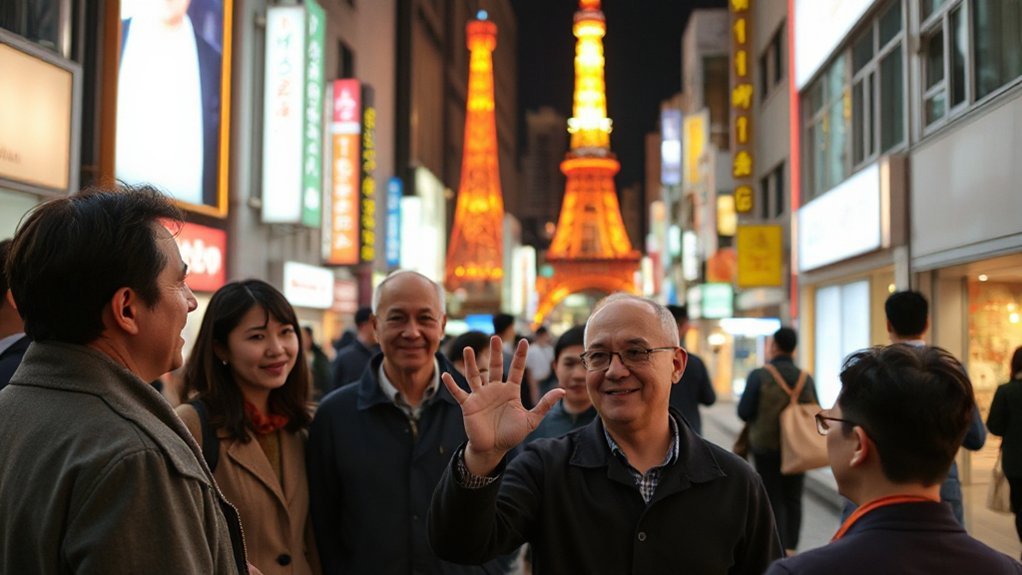
Ever land in Tokyo and feel like the signs are winking at you in five languages at once? A Hebrew‑speaking guide cuts that noise, explains history and daily life in your own words, and keeps pace when the city sprints. You get Cultural Comfort and real Travel Confidence, because questions land clean and answers don’t vanish in translation. They steer you through trains and ticket lines, read the kanji that looks like art, and keep you moving instead of guessing at every platform.
They also open doors you won’t find on an app. A good guide can introduce you to the Jewish Community of Japan, connect you with Chabad under Rabbi Mendi Sudakevitch, and book kosher meals at spots like Chana’s Place. Need a Shabbat‑friendly plan or a quiet synagogue visit? They map it out, no fuss. You save energy for the moments that matter—which is the point.
Jewish Heritage Highlights Across the City
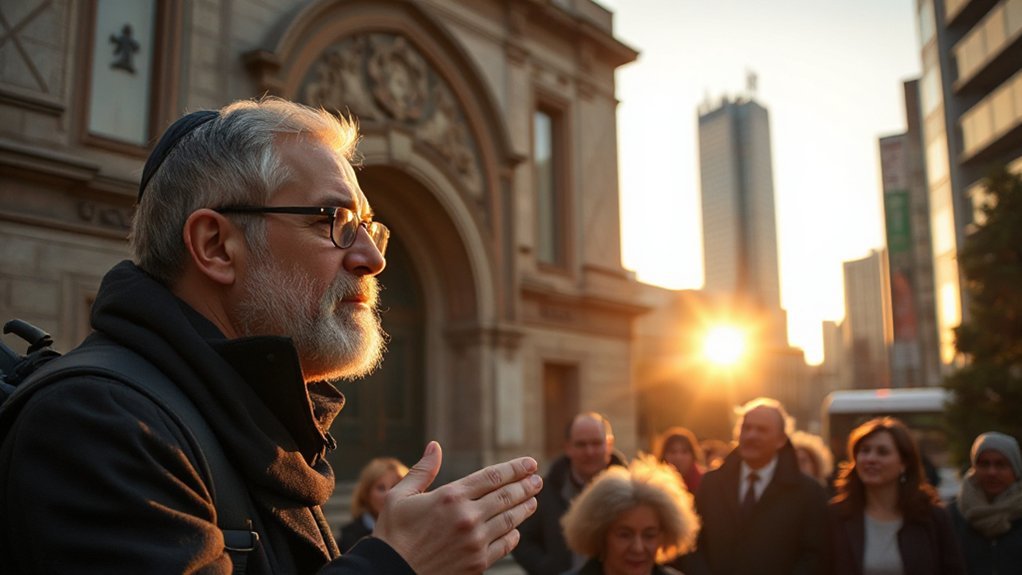
From quiet side streets to busy train hubs, Tokyo tucks its Jewish highlights in places you can actually reach, and a good guide strings them together so the day flows. You’ll trace a steady story, meeting people who keep the lights on and the doors open.
- Start at the Jewish Community of Japan, where Rabbi Andrew Scheer and community president Jonathan Tischler greet visitors, and you learn how a small center runs big-city programs, with synagogue space and clear notes on local history.
- Fold in a stop at Chabad Tokyo with Rabbi Mendi Sudakevitch and his wife Chana, and hear how travelers find bearings, faith, and help, a good reminder that welcome can be practical.
- Along the way, hear refugee narratives tied to wartime routes through Japan, notice commemorative plaques, and sit for a short talk about Jewish–Japanese ties and how they play out today.
Shabbat in Tokyo: Chabad and JCJ Options

You can greet Shabbat in Tokyo two easy ways: Chabad Tokyo with Rabbi Mendi Sudakevitch and his wife Chana, where you’ll find Friday night services, a seat at Chana’s Place with home‑style kosher food, and straight-up, traveler-friendly hosting. Or you can head to the Jewish Community of Japan in Hiroo, where Rabbi Andrew Scheer and community president Jonathan Tischler run traditional services, warm meals, and easy chances to meet locals and other visitors. Either door gives you kosher help, clear times for prayers and candle lighting, and fast introductions to people who know the ropes, which is exactly what you want when you land and the clock’s already ticking.
Chabad Tokyo Services
Shabbat in Tokyo can feel simple once you know where to knock, because Chabad Tokyo, led by Rabbi Mendi Sudakevitch and his wife Chana, runs traditional services and sets a friendly table where travelers slide right into the mix, and Chana’s Place turns out home‑style kosher meals that taste like someone actually cooked for you, not a factory.
You’ll get Prayer Support and plain Community Outreach that feels neighborly.
- Friday night: candles, Kabbalat Shabbat, kid blessings, and a sit‑down meal with fresh challah and hot soup, spots go fast so RSVP.
- Shabbat day: morning davening with clear page calls, a hearty kiddush, and easy Hebrew help if you’re rusty.
- Practical help: directions, eruv note, stroller space, and tips on kosher groceries and reheating rules.
It’s steady, kind, and on time, the sort of place where they remember your name by dessert and send you off with leftovers for Motza’ei Shabbat.
JCJ Shabbat Services
A quiet doorway off a busy Tokyo sidewalk leads into the Jewish Community of Japan’s community center, where regular Shabbat services move with a calm, steady rhythm and the city noise drops to a hush. You’ll find Rabbi Andrew Scheer up front, and community leaders pitching in, with JCJ president Jonathan Tischler keeping things organized, the way good volunteer involvement should feel. The davening follows familiar liturgical customs, not fancy, just clear and heartfelt, and there’s Kiddush after, where folks swap tips on kosher shops. Visitors are welcome, no fuss, just let them know you’re coming. If you want a more heimish spread, Chabad with Rabbi Mendi and Chana offers meals at Chana’s Place, and both spots give you Shabbat rest and company too.
Kosher Dining and Grocery Spots to Know
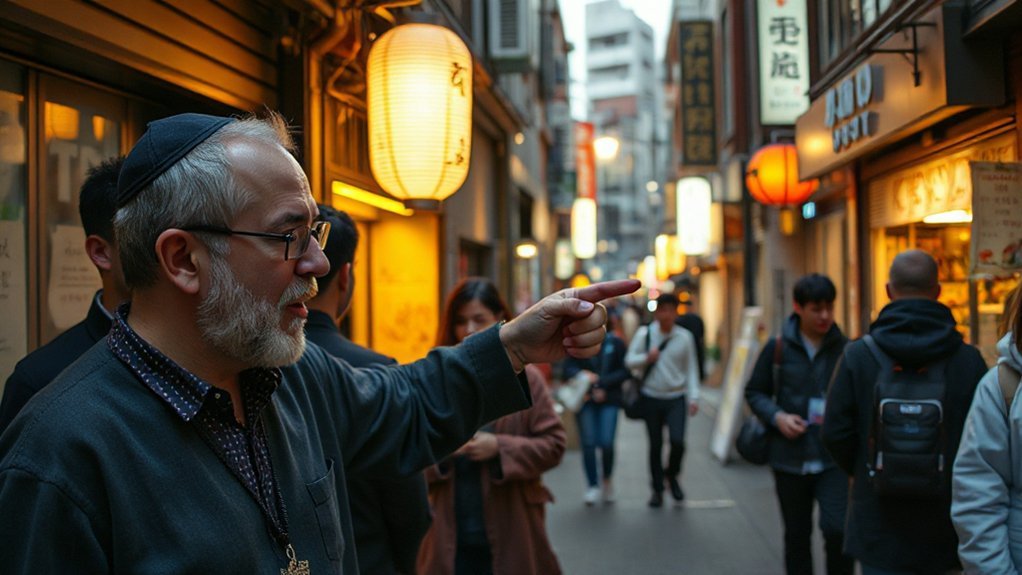
While Tokyo dazzles with ramen alleys and neon, kosher basics take a little planning, and that’s where the city’s Chabad center with Rabbi Mendi Sudakevitch and Chana steps in as the steady hub for meals, Shabbat services, and straight answers. You’ll find home-style plates at Chana’s Place, plus tips on imported kosher goods and grocery alternatives when shelves run thin, which they often do.
Neon Tokyo dazzles; Chabad and Chana’s Place steady kosher meals and answers.
- Start by emailing Chabad before you fly, tell them your dates and needs, and they’ll line up Shabbat seats, weekday meals, and pointers to trusted shops, no guessing in the aisles.
- For packaged items, check international markets and expat stores near hubs, think cans, crackers, tuna, noodles, and snacks with clear symbols, nothing fancy, just reliable.
- If you need meals on the go, pre-order sealed kosher boxes through the community, pick them up, stash them in hotel fridge, and breathe and easy.
Custom Itineraries for Families, Couples, and Groups
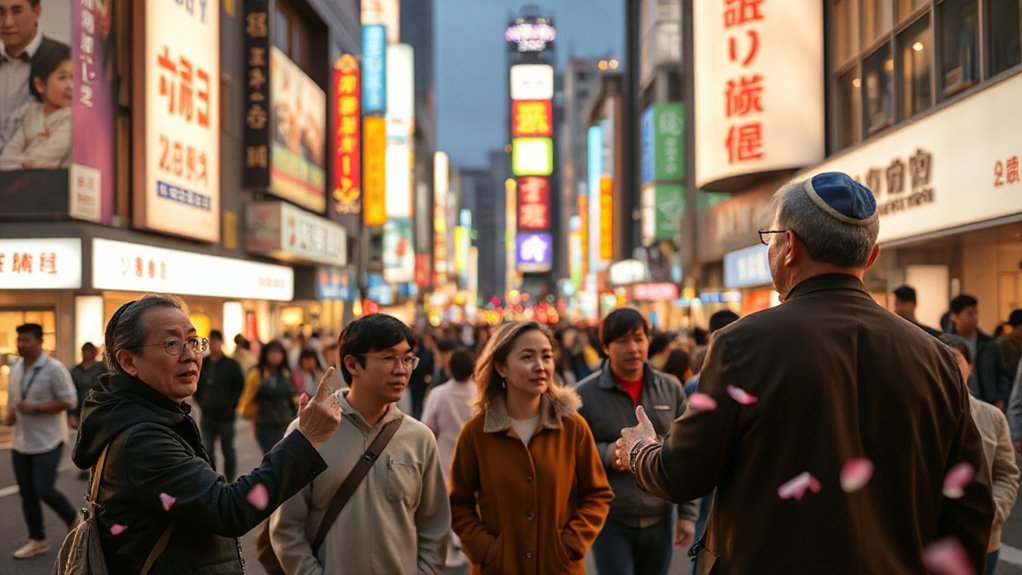
Once you’ve got meals squared away, it’s time to map your days so the city feels friendly, not frantic, and that’s where Hebrew‑speaking private guides earn their keep. You share ages, interests, and pace when you pre‑book a 7‑hour Personalized Tokyo Journey, and a pro like Akira N. builds routes you’ll actually enjoy. Families get kid‑smart stops—Senso‑ji’s bright gates, old‑school snack shops, hands‑on museums, even simple sushi—plus short walks and cool, frequent breaks. Couples fold in sunset at Skytree or an easy Odaiba stroll, with private tastings that feel thoughtful, not fussy. Groups can stretch to Nikko, Hakone, or Kamakura, with clear Hebrew commentary, and choices that fit mixed energy levels. Accessibility Options and planned Photography Stops keep everyone seen and calm. You won’t waste a step.
| Traveler | Plan | Add-ons |
|---|---|---|
| Family | Asakusa/museum/sushi | Breaks, stroller paths, Photography Stops |
| Couple | Skytree-sunset/Odaiba | Tasting, quiet spots |
| Group | Tokyo-core+daytrip | Pace options, Accessibility Options |
Seamless Logistics: Transfers, Transit, and Translation
Because Tokyo’s trains run like clockwork, you’ll hop between neighborhoods fast, then pop up right where you need to be—Asakusa’s gates, Shibuya’s scramble, Meiji Jingu’s woods—usually a short walk from the station, no mystery detours needed. With an IC Card tapped in and out, you glide through JR and subway lines without fiddling for coins, and your Hebrew-speaking guide keeps the route tidy, names clear, and timing steady.
Tokyo trains run like clockwork—hop neighborhoods, emerge at icons, glide with IC, Hebrew guide steady.
When you want less stair-climbing or you’re on a tight clock, we book a private car or a chauffeured van, so older guests sit easy and you skip shuffles. For longer hops—Nikko, Hakone, Kamakura—we ride Shinkansen or arrange door-to-door wheels, and use Luggage Forwarding so you travel light.
- Reserve Hebrew tours or translators 3 days–1 month ahead.
- Confirm meeting spot, train lines, entrances, and tickets in messages.
- Share mobility needs early; we trim transfers and avoid bottlenecks.
Sample One- to Three-Day Tour Plans
How do you want to stack your days so they flow easy and still hit the good stuff?
Day 1, you cruise from hush of Meiji Jingu to Harajuku’s color and Shibuya Crossing’s rush, then a sushi lunch near Tsukiji or Ginza, with Hebrew stories, smart Photography Stops, and Hidden Gems tucked in.
Day 2 leans classic: lanterns at Senso-ji, snacks on Nakamise, hop over to Tokyo Skytree for big-sky views, glide the river if legs want a break.
Day 3, pick your flavor: Kamakura’s Great Buddha, Hakone’s steam and Lake Ashi with Fuji peeking, or Nikko’s splendor and cedar shade.
Fold in a visit to the Jewish community center or a hello at Chabad, then cap it with kosher bites at Chana’s Place in town.
| Day | Snapshot |
|---|---|
| 1 | Meiji, Harajuku, Shibuya, sushi near Tsukiji/Ginza |
| 2 | Asakusa, Nakamise, Skytree, river option |
| 3 | Kamakura, Hakone, or Nikko |
How to Book and Prepare for Your Visit
Before you even pack, lock in your Hebrew‑speaking guide early—aim for a month ahead, and at the very least three days before you land—since language slots go fast and some routes fill quicker than a rush‑hour train. Check profiles, then message your dates, group size, ages, and interests; guides list Hebrew, and Akira N.’s 7‑hour tour asks for ages and interests up front, which saves wobble on the day.
- Share needs plainly: kosher meals, Shabbat plans, stroller naps. Your guide can loop in Chabad (Rabbi Mendi Sudakevitch/Chana’s Place) and community helpers.
- Nail logistics: most tours use JR and subways and walk, but you can book a private car to cut transfers or wrangle luggage; confirm meeting spot, summer tweaks, and cancellation terms.
- Handle basics early: visa requirements, travel insurance, and cash for local participation or guide fees in Japanese yen—small change smooths gates and smiles.
Frequently Asked Questions
Are Tours Available During Japanese National Holidays and Golden Week?
Yes, tours run during Japanese national holidays and Golden Week. You’ll want to book early due to Peak crowds and limited Holiday availability. Expect earlier starts, adjusted routes, closures, and transit delays; confirm surcharges upfront.
Do You Offer Accessible Routes for Wheelchairs or Strollers?
Yes—you can choose step free routes with accessible restrooms. Test the theory: picture a color-coded map tracing curb cuts, elevators, gradients; you verify each segment. We’ll customize pacing, stroller spots, transit assistance, and contingency detours.
What Are the Guide’s Certifications, Insurance, and Background Checks?
You receive certified guides with credentials; we’ve completed License Verification, Background Screening, and first-aid certification. We carry liability insurance, require local guiding licenses, validate experience, and renew checks annually, so you tour with vetted professionals.
Can You Accommodate Photography Permits for Shrines, Museums, or Studios?
Yes, you can rely on me to arrange photography permits for shrines, museums, and studios. I’ll handle Permit Assistance, coordinate timelines, manage fees, conduct Location Scouting, liaise with administrators, and provide support to streamline approvals.
Is Tipping Customary for Guides in Japan?
No, tipping guides in Japan isn’t customary. Follow local Tipping etiquette: pay the agreed fee, thank them warmly, and, if you insist, give cash discreetly in an envelope. Consider Gift alternatives like sweets or souvenirs.