
You probably don’t know you can stand under a 400-year-old bell tower in Kawagoe less than an hour from Shinjuku, then be slurping noodles in Yokohama’s Chinatown by lunch. Want trees? Mount Takao’s trails and cable car fit a half day. Prefer temples? Kamakura’s Great Buddha and Hase-dera feel close and calm. Clear skies? Kawaguchiko frames Fuji with Chureito Pagoda. Let’s match your mood to the right platform and time.
Key Takeaways
- Kawagoe is 30–60 minutes away; stroll Edo-era Kurazukuri Street, Toki no Kane, Candy Alley, and snack on sweet-potato treats; ¥500 all-day bus.
- Yokohama takes 30–60 minutes (~¥480); enjoy Minato Mirai, Cosmo Clock Ferris wheel, Red Brick Warehouse, Chinatown dumplings, and Osanbashi pier views at dusk.
- Mount Takao is 50–90 minutes; hike paved Trail 1, ride Japan’s steepest cable car or chairlift, visit Yakuo-in temple, and enjoy seasonal foliage.
- Kamakura is about 1 hour (~¥940); see the Great Buddha, Hase-dera views and hydrangeas, Tsurugaoka Hachimangū, beaches, and ride the Enoden toward Enoshima.
- Mount Fuji via Lake Kawaguchiko takes ~2 hours by bus (¥1,250–¥2,000); capture Fuji views, Chureito Pagoda, Oishi Park, or bus to the 5th Station.
Kawagoe
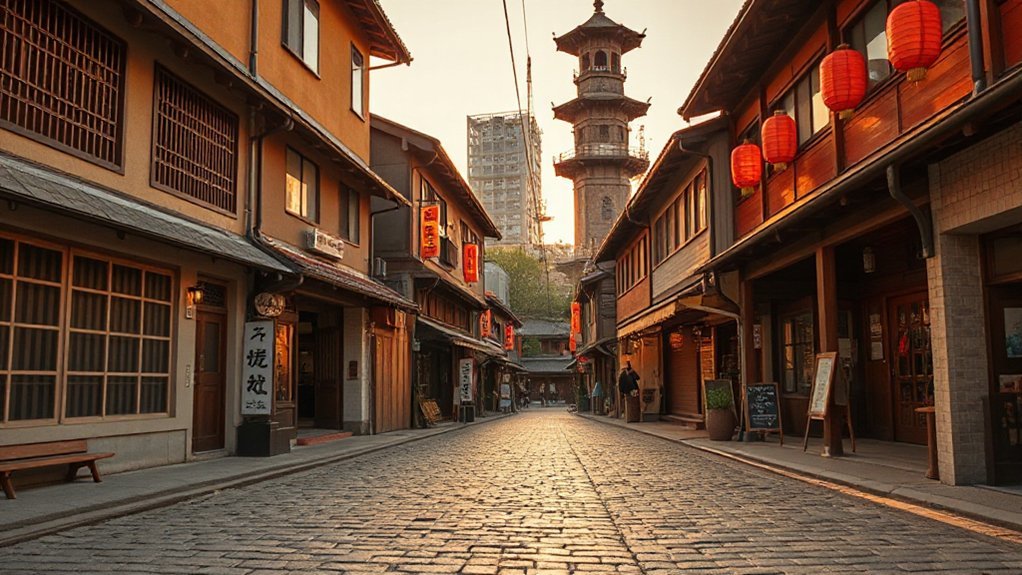
How about a quick step back in time that doesn’t eat your whole day—Kawagoe sits just 30 to 60 minutes from central Tokyo, about half an hour from Shinjuku or Ikebukuro, and it still wears its old Edo face like it means it. Walk straight to Kurazukuri Street and you’ll see stout clay-walled shops lined up like they’re still tallying rice, the Kurazukuri Warehouses holding their ground with dark timbers and thick plaster. Keep an ear out for the Bell Tower, the Toki no Kane that still marks the hours, and you’ll know you’re in right spot. Go early, before the tour buses breathe down the lane, and the streets feel yours. Grab sweet-potato soft serve, then drift to Kashiya Yokocho, Candy Alley, for old-school candies by the scoop. If your feet tire, hop the ¥500 all-day bus. Prefer a nudge and stories? Join a guided walking tour.
Yokohama
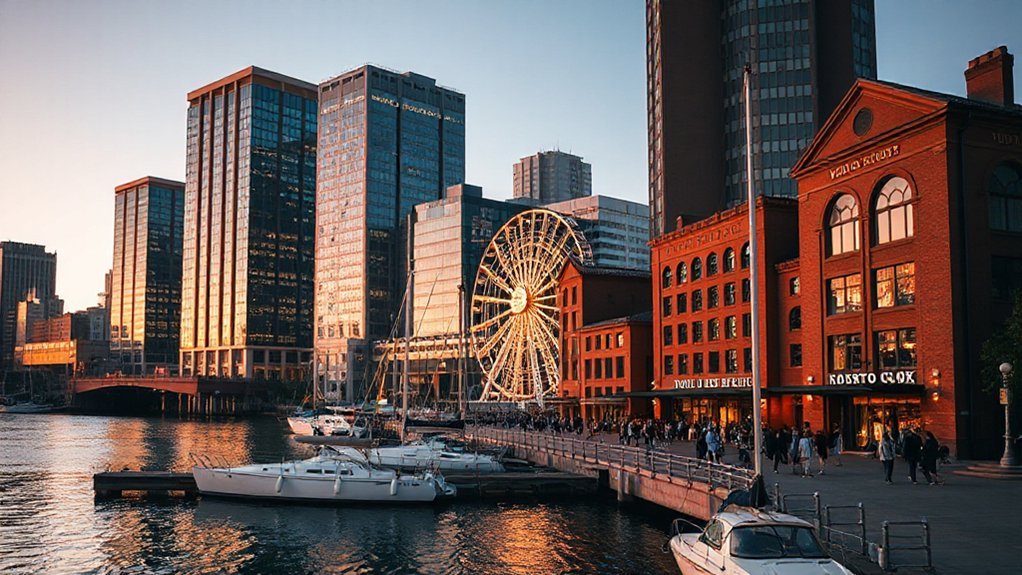
A quick hop puts you in Yokohama, Japan’s second city, about 30–60 minutes by JR from Tokyo Station for roughly ¥480, and it feels like the ocean opened the windows on Tokyo’s busy rooms. Start at Minato Mirai 21, where the Cosmo Clock 21 Ferris wheel ticks over the bay and the Red Brick Warehouse lines up shops, sweets, and pop-up events. Walk the pier at Osanbashi for salt air and wide views, then duck into Chinatown for steam, spice, and alleys that promise dumplings. For play you can taste, build your own Cup Noodle at the museum, and sample bowls at the Shin-Yokohama Ramen Museum, which feels like a time capsule that forgot to lock up. Families do fine here, with Harbor Cruises, the Nippon Maru tall ship, and flat promenades made for strollers. Linger till dusk, when the skyline lights up and the bay turns mirror-bright.
Mount Takao
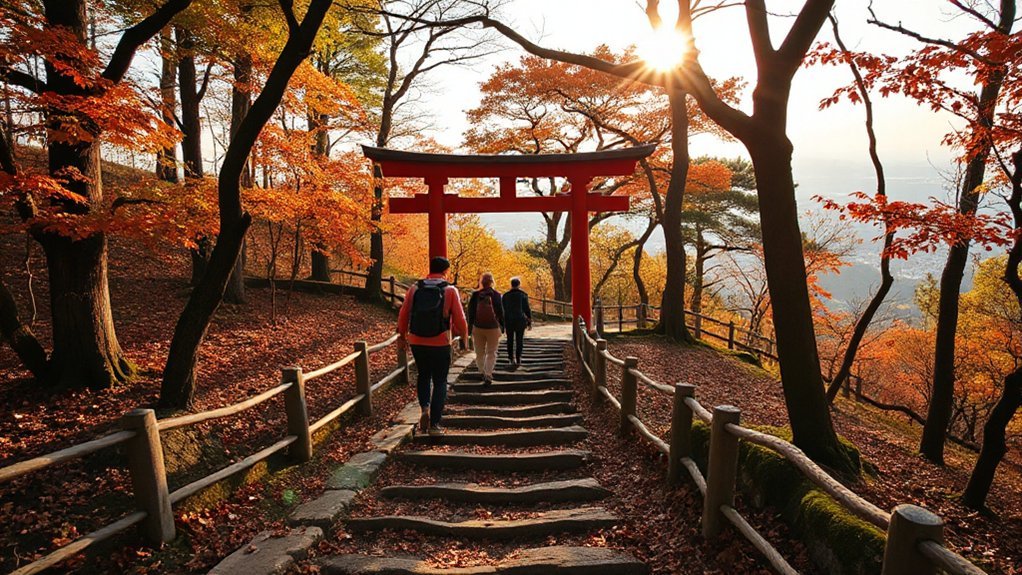
Boots on, you can swap Tokyo’s towers for Mount Takao in 50–90 minutes, riding the Keio Line straight to Takaosanguchi and walking out into cool trees and clean slopes. Start on Trail 1 if you want easy going, it’s paved, wide, and full of families and snack stalls, and you can peel off onto steeper, rooty paths when your legs warm up. The Cable car or the breezy chairlift cuts the climb fast, and that cable line is Japan’s steepest, which you’ll feel in your knees on the way down. Near the top, the Yakuo in temple waits with tengu carvings, incense, and a clear ridge view that makes you slow your step. In fall the maples flare red and gold, in spring the azaleas pop, and year-round you can peek at the monkey park and grab noodles or a tea. It’s close, simple, and honest mountain time.
Kamakura
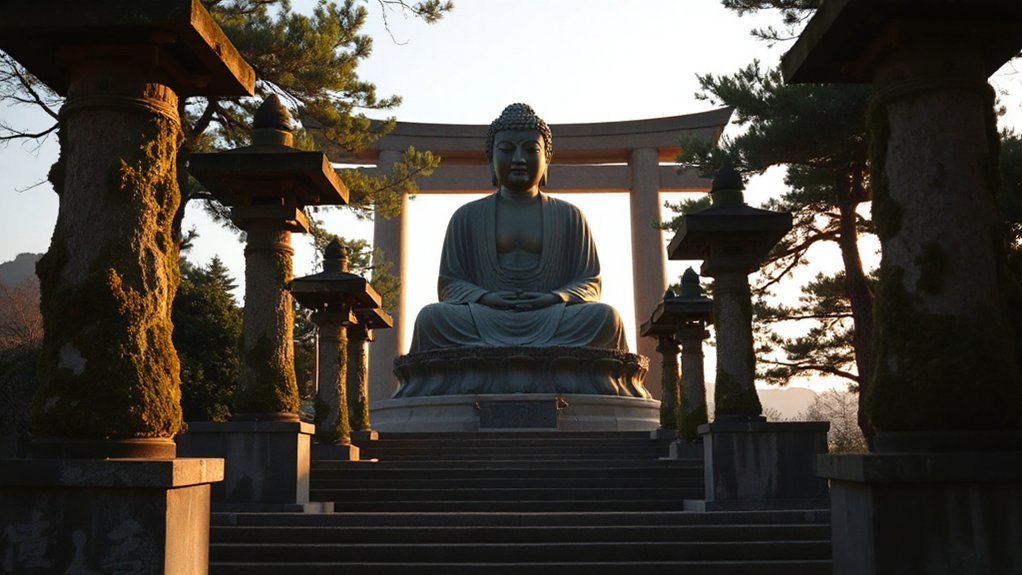
Salt wind and bronze greet you in Kamakura, an easy hour or so from Tokyo on the JR Yokosuka Line (about ¥940 one way), where you roll off the train and onto streets that stay small enough to walk.
Head first to the 13th-century Great Buddha at Kōtoku-in, an open-air, hollow bronze that feels calm even with a crowd, and you can peek inside the shell for a few coins.
Then follow the slope to Hase-dera for Hydrangea Walks above the sea, blue and purple in June, and wide views that make you slow down.
Back near the station, Tsurugaoka Hachimangū gives you tall steps, drum bridges, and wedding kimono if you’re lucky.
Yuigahama Beach is a flat, sandy breather, good for a barefoot stretch and a can of tea.
If you want extras, hop the Enoden toward Enoshima for island views and wave caves, easy and cheap.
Mount Fuji
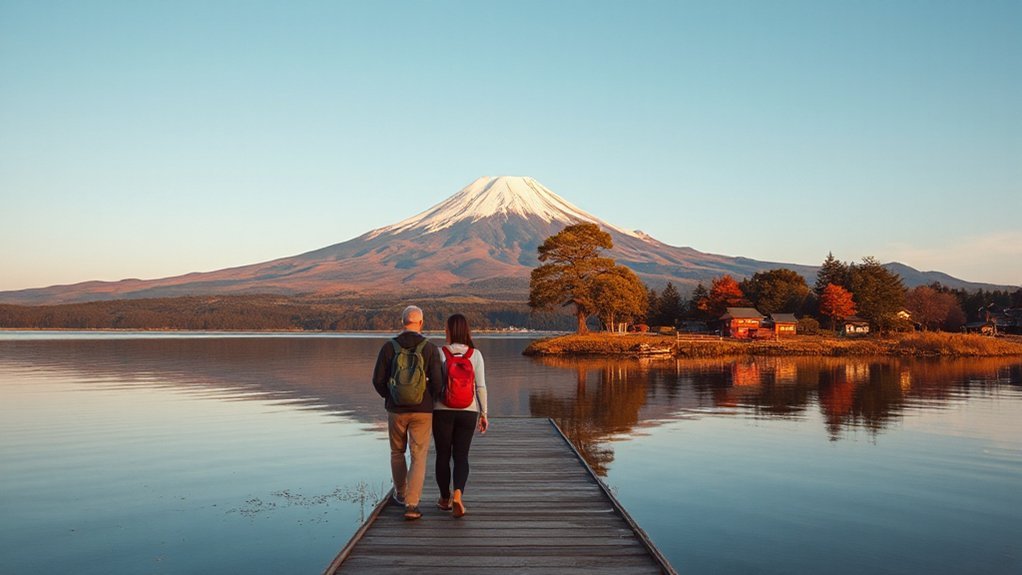
Snow cone on the horizon, Mount Fuji pulls you west to the Fuji Five Lakes, with Lake Kawaguchiko the easy day base that actually shows you the mountain instead of hiding it in clouds. From Shinjuku or Shibuya, ride a highway bus about two hours for ¥1,250–¥2,000 one way, or take the JR Fuji Excursion in 1 hour 57 minutes. For Bus Logistics, the bus wins most days. Go early; winter gives the clearest Snow Views, while cherry blossom season and Golden Week pack crowds. For the classic shot, climb to Chureito Pagoda via Shimoyoshida—about 398 steps—and expect peak-time crowds. Oishi Park lines up lake, reeds, and Fuji, clean and calm. Want altitude? Take the Fujikyu bus to the 5th Station, about ¥2,300 round trip. Remember the Otsuki–Kawaguchiko stretch isn’t on the JR Pass. Prefer no juggling? Guided Fuji–Hakone combos run about $150–$190 and keep the day tidy.
Frequently Asked Questions
Do I Need a JR Pass for These Day Trips From Tokyo?
You don’t need a JR Pass for most Tokyo day trips. Do a Cost Comparison: individual tickets or IC cards cost less. Consider Regional Alternatives like JR Tokyo Wide Pass, Hakone Freepass, or Nikko Pass.
Can I Use Suica/Pasmo on Non-Jr Private Lines and Buses?
Time-traveling pager says yes: you can use Suica/PASMO on non-JR private lines and buses. Bus compatibility varies; check operator variations, rural routes, and airport lines. Sometimes you’ll need paper tickets or IC recharge before boarding.
How Early Should I Book Limited Express Seats on Weekends?
Book limited express seats as soon as sales open—one month ahead at 10:00—especially weekends. Use Advance booking and monitor Seat availability; aim 1–2 weeks early, 3–4 weeks for holidays, you’ll risk standing or awkward timings.
Are Coin Lockers Available at Major Day-Trip Stations?
Yes—around 90% of major stations offer coin lockers; you’ll find varied locker sizes and multiple payment methods, from coins to IC cards. Arrive early on weekends; spots fill fast, with usage peaking 80% by mid-morning.
What’s the Best Way to Handle Sudden Weather Changes?
Prepare a flexible Layering strategy, and you’ll check hyperlocal forecasts. Pack an Emergency kit: poncho, thermal layer, power bank, snacks, meds. Use waterproof shoes, quick-dry fabrics, and a drybag. Adjust plans, seek shelter, and reschedule.