
Shinjuku Station moves over 3.5 million people a day, and you can ride that tide to quick escapes. Zip to Yokohama’s waterfront, Kamakura’s temples on the rattly Enoden, or Mt. Takao’s easy trails; stretch to Hakone’s hot springs, Kawaguchiko for Fuji, or Nikko’s shrines and falls. Load Suica on your phone, start early, leave a buffer—trains won’t wait; here’s how to choose and make it back smiling.
Key Takeaways
- Yokohama is ~30 minutes via JR Tokaido or Keihin-Tohoku; explore Chinatown, CupNoodles Museum, and waterfront Minato Mirai.
- Kamakura is ~1 hour via JR Yokosuka Line; visit temples, the Great Buddha, and ride the Enoden for coastal scenery.
- Hakone is ~2 hours via Odakyu; enjoy onsen, Lake Ashi cruises, ropeway views; get the Hakone Free Pass or book the Romancecar.
- Nikko is 2–3 hours via Tobu Railway or JR; see ornate UNESCO shrines, waterfalls, and forests.
- Kawaguchiko/Mt. Fuji is 2–2.5 hours by highway bus; capture Fuji views, lakeside strolls, and seasonal flowers; reserve seats ahead.
How to Get Around Japan
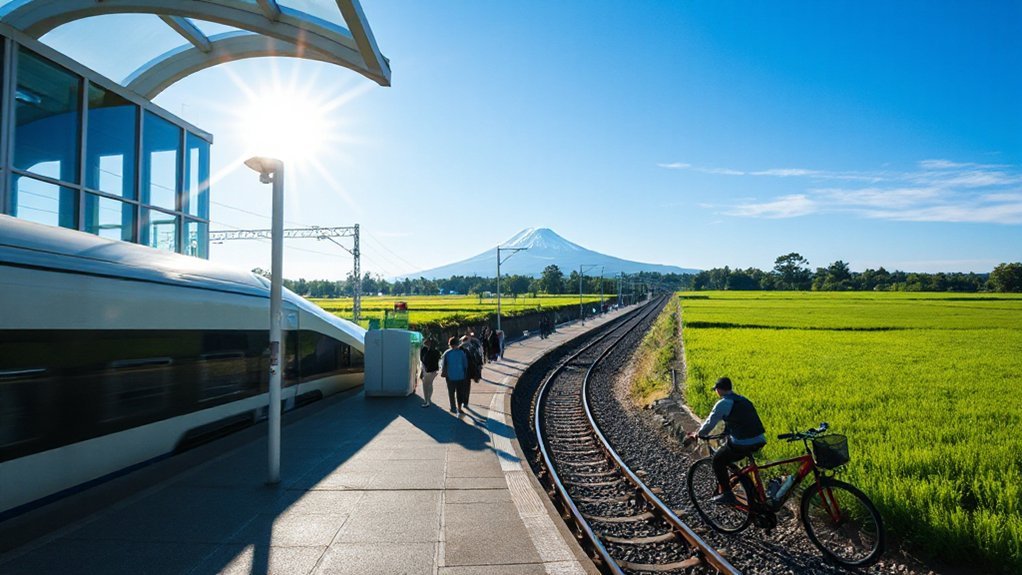
How do you get around without fuss? You ride the rails and buses, because in Japan they’re spotless, on time, and stitched to almost every day-trip spot from Tokyo, so you don’t need a car. Use Google Maps for live station names, platform numbers, and fares, and you’ll glide through transfers like you’ve done it for years. Tap in with a Suica, even the digital one in your phone wallet, refill on the go, and skip ticket machines. On local buses, board in the back, grab the little ticket, then pay up front when your stop shows, and the driver will make sure you’re squared away. Mind Taxi etiquette: line up, let the rear door open itself, speak your destination, buckle up, no tipping, and keep it calm. If you bike, follow Cycling rules: ride on the left, lights at night, park in racks, and watch for pedestrians.
What Is the JR Pass?
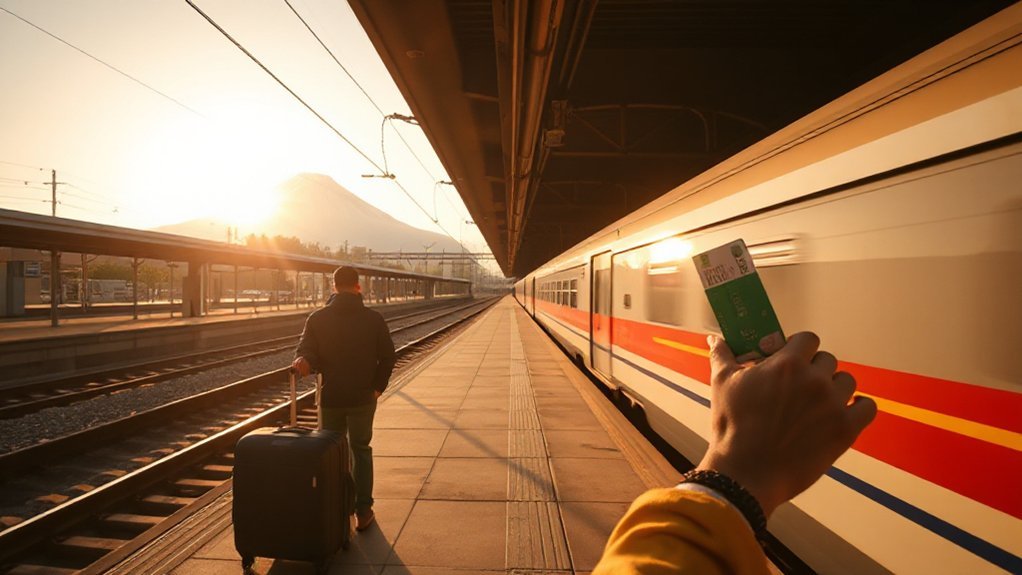
Why do folks keep talking about the JR Pass? Because it’s an unlimited-ride rail pass from Japan Rail that lets you hop on JR local lines and most Shinkansen, so you can cover ground without pulling out your wallet every station. You pick 7, 14, or 21 consecutive days, in Regular or Green Car, and as of January 2024 you’re looking at roughly ¥50,000/¥70,000 for 7 days, ¥80,000/¥110,000 for 14, and ¥100,000/¥140,000 for 21.
Eligibility requirements are straightforward: you need to be visiting Japan as a temporary visitor, not a resident. The Activation process is easy: buy before you go, swap your voucher at a JR office, set your start date, and you’re rolling. It shines on long runs like Tokyo–Kyoto or Tokyo–Osaka, and airport links, but it doesn’t cover every private railway or subway. Not sure it saves you money? Use a JR Pass cost calculator online.
Top Day Trips by Train and Bus
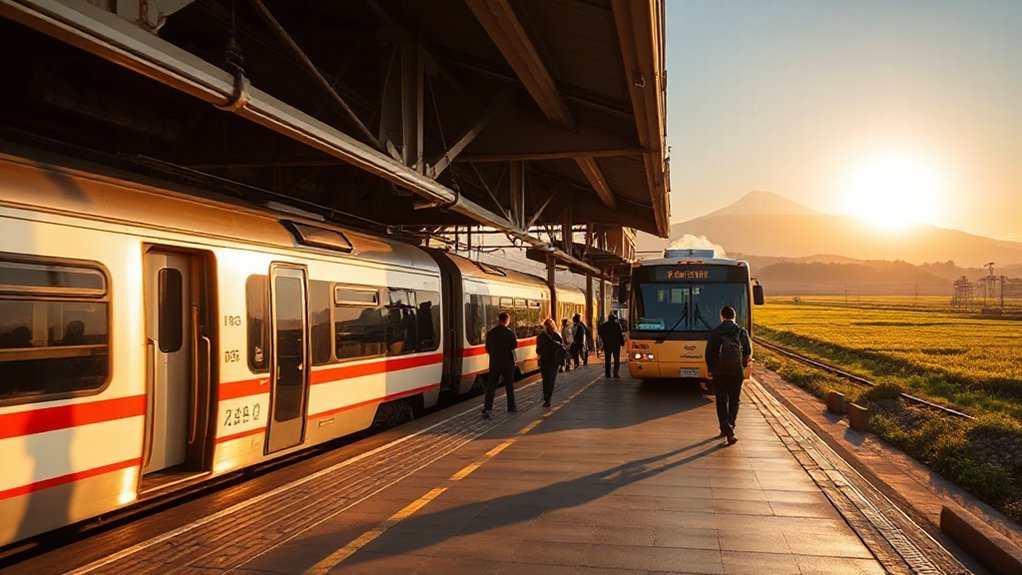
A handful of the best escapes from Tokyo sit just a train or bus ride away, so you can slip out after breakfast and be back by dinner without sweating the logistics. Yokohama warms you up in about 30 minutes on the JR Tokaido or Keihin-Tohoku, easy. Kamakura takes about an hour by the JR Yokosuka Line, where old temples, surf, and Coastal scenery link up with the Enoden. Mt. Takao is roughly an hour on the Keio Line for stairs and noodles at the summit. Hakone is about two hours on the Odakyu Romancecar, with the Hakone Free Pass saving you transfers. Highway buses roll straight to Kawaguchiko and Mt. Fuji in around 2–2.5 hours, cheap seats, toilets, and luggage space included, which matters with cameras and coats. Nikko runs 2–3 hours via Tobu or JR, shrines and easy Culinary detours and tea shops near the station.
Smartphone Transit Cards and Navigation Tools
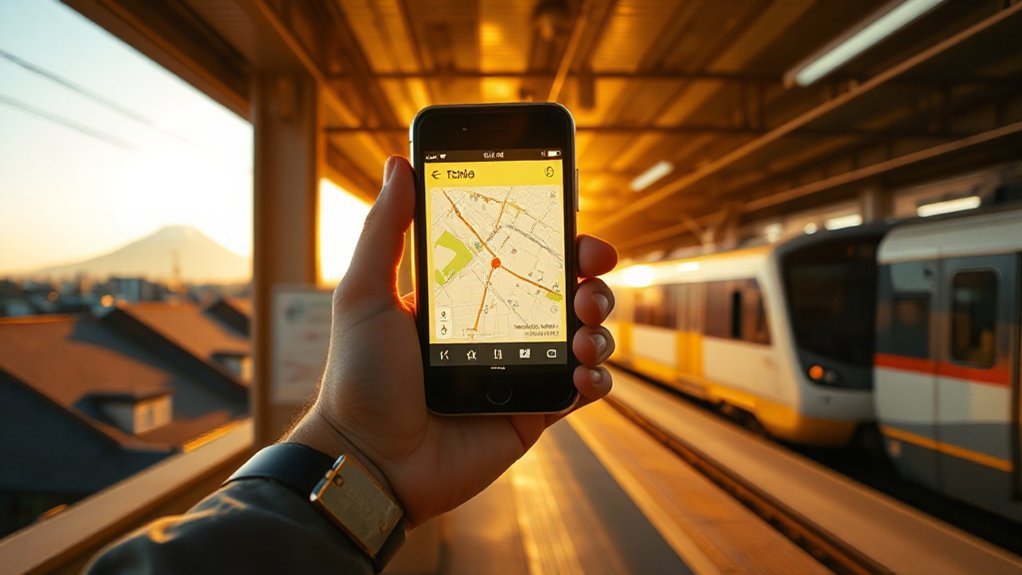
Ever notice how travel days go smoother when your phone does the heavy lifting? Add Suica to Apple or Google Pay, top it up in the app, and tap your phone on train and bus readers in Japan. No paper tickets, no lines, and no fumbling for coins. Google Maps handles the rest, showing station names, platform numbers, transfer timing, and estimated fares, so you slip connections instead of guessing at them. It also settles last‑mile walks, especially when you download Offline Maps. Some regional passes sit in apps too, and Google shows eligibility for each area.
Here’s a quick cheat sheet:
| Tool | What it saves you |
|---|---|
| Suica in Wallet | Ticket queues and spare change |
| Google Maps | Wrong platforms and missed transfers |
| Local bus passes (e.g., Kawagoe ¥500) | Overpaying for short-hop sightseeing |
Mind Battery Management, because tap-to-ride needs juice; a dying phone strands you faster than any delay.
Planning Tips for Stress-Free Day Trips
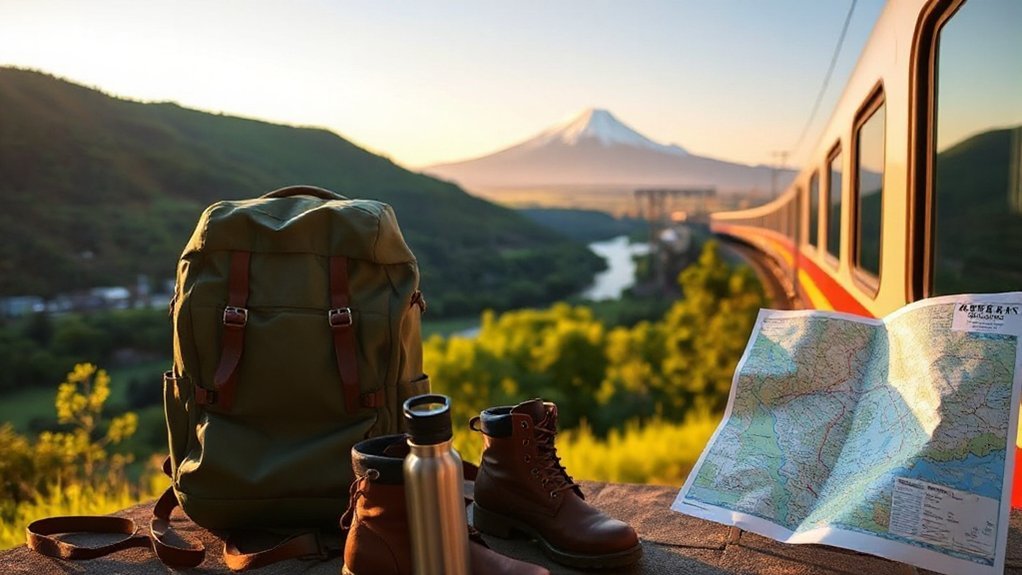
If you want a day trip that feels smooth instead of scrambled eggs, lock down the tricky pieces first: book limited‑seat rides like the Odakyu Romancecar to Hakone or the highway bus to Kawaguchiko a few days ahead, since weekends and peak seasons wipe them out fast. Load a Suica or your phone’s tap wallet so you glide through gates and skip ticket lines, and top up at a konbini when your balance dips. Do quick weather checks the night before and again at breakfast, then build small itinerary buffers, ten to twenty minutes here and there, for late trains and photo stops. Arrive early—before 9 or 10 a.m.—to beat crowds, and remember kitchens close around five. For longer hops, compare a 7‑day JR Pass, ¥50,000 in Jan 2024, against your fares. Last-mile buses can be odd ducks, lean on Google Maps platforms, or book a guided tour.
Frequently Asked Questions
Are Day-Trip Attractions Wheelchair and Stroller Accessible?
About 70% of attractions offer wheelchair ramps and stroller access; you’ll find elevators, accessible restrooms, and paths. Still, verify entrance widths, terrain, transport options, and contact venues for step-free routes, rentals, and companion ticket policies.
Do Major Sites Offer Luggage Storage or Coin Lockers?
Yes, most major sites offer luggage options. You’ll find Station lockers at train stations and attractions, though sizes fill fast. When unavailable, use Hotel storage or tourist counters. Carry coins or IC cards, photograph numbers.
What Etiquette Should I Follow at Shrines and Temples?
Like entering a library, you’re moving softly: bow at torii, perform Purification Rituals at the temizuya, avoid paths, offer coins, bow twice, clap twice, pray, bow once, practice Shoes Removal indoors, keep photos discreet, gently.
Are Tattoos Allowed at Onsen Near Tokyo Day Trips?
Yes, sometimes, but many onsen restrict tattoos. You’ll need to check each facility’s cover up policies, ask about private baths, or use waterproof patches. Call ahead, favor tattoo-friendly sento, and consider spas at day-trip hubs.
Can Operators Customize Itineraries for Families or Photographers?
Like a tailor fitting a suit, yes—operators customize itineraries. You share Family Preferences or Photography Options, and they adjust pacing, locations, kid-friendly stops, golden-hour timing, guides so you’ll maximize comfort and truly memorable, portfolio-worthy shots.