
Think of a tour package as your Tokyo operating system: it should fit your budget, power your must‑sees, and never crash your schedule. Start by choosing guided, semi‑guided, or DIY, then match days to neighborhoods—Shinjuku nights, Asakusa mornings, maybe a Nikko day trip. Check transit passes and airport transfers, language and accessibility, group size, reviews, and refund rules. Want a simple way to spot hidden fees and time-wasters?
Define Your Budget and Priorities

Before you click “book,” set your ceiling and your non‑negotiables: how much you’ll spend, and what you refuse to skip. List three must-haves, three nice-to-haves. Price the musts first, then see what’s left. Build an Emergency buffer, 10–20%, so a surprise ramen crawl or last‑minute museum slot doesn’t torpedo your plan. Watch your Spending psychology: anchor on total cost, not the shiny per‑day tease. Packages love bundles; you love choice. If a “free” add‑on nudges you past budget, it’s not free. Compare hotels by location and transit time, not lobby chandeliers. Pay for convenience that frees your day, cut status fluff. Use a simple tracker, color‑code costs, lock deposits with a card that rewards travel. Breathe. Decide. Book with intent. Calm, clear, in control.
Match Trip Length to Your Must-Sees

Start with a Short Stay Strategy: if you’ve got 48–72 hours, lock in 3–4 must-sees, group them by subway line, and run a tight loop—Shibuya Crossing at sunset, Asakusa’s Senso-ji at dawn, teamLab Planets mid-morning, ramen when your feet complain. Use Days per District to pace yourself, not punish yourself: give Shinjuku or Shibuya a full day, then bundle half-days like Asakusa + Ueno or Akihabara + Kanda. Got a week? Cool—stretch to 1 day each for Shibuya, Shinjuku, Asakusa/Ueno, Akihabara, Odaiba, plus flex time for Ghibli Museum or a Nikko side trip.
Short Stay Strategy
How short is your Tokyo window? If it’s 24–72 hours, you need a lean plan, not a maze. Choose three must-sees that match your energy, then lock transit and meals around them. Book timed entries, preload a transit card, and keep a Packing checklist with layers, a power bank, and slip-on shoes. Jet lag? Front-load outdoor stops; sunlight resets you.
- Shibuya’s neon river, you crossing once, twice, laughing.
- A quiet shrine garden, cedar air, coin clink, calm breath.
- A steamy ramen counter, fogged glasses, rich broth, clean bowl.
Cut detours. Sleep smart: aisle seat, water, no heavy dinners. Move smart: walk, then train. Buy tickets the night before. You’ll leave hungry—good. Tokyo rewards returners. Claim moments, not miles; savor the blur.
Days per District
Right-sizing your days to Tokyo’s districts keeps your trip crisp, not chaotic. Anchor each day in one zone, maybe two if they touch. Shinjuku for towers, bars, and gardens. Asakusa for temples, river views, and street snacks. Odaiba for sci‑fi malls and sunsets. You decide the vibe, the pace, the spoils.
Use site clustering to cut travel time. Morning headliners, afternoon side quests, night views. Example: Shibuya day—Scramble, Hachiko, Miyashita Park, then late ramen. Next day, Ueno museums, Yanaka alleys, and a chill cafe. Save cross-town hops for transfer days, or when energy spikes.
Rule of thumb: one full day per major district, half-day for niche areas. Leave buffer hours, always. Weather shifts, lines build, surprises appear—good ones. Keep room to wander and linger.
Choose Guided, Semi-Guided, or Independent
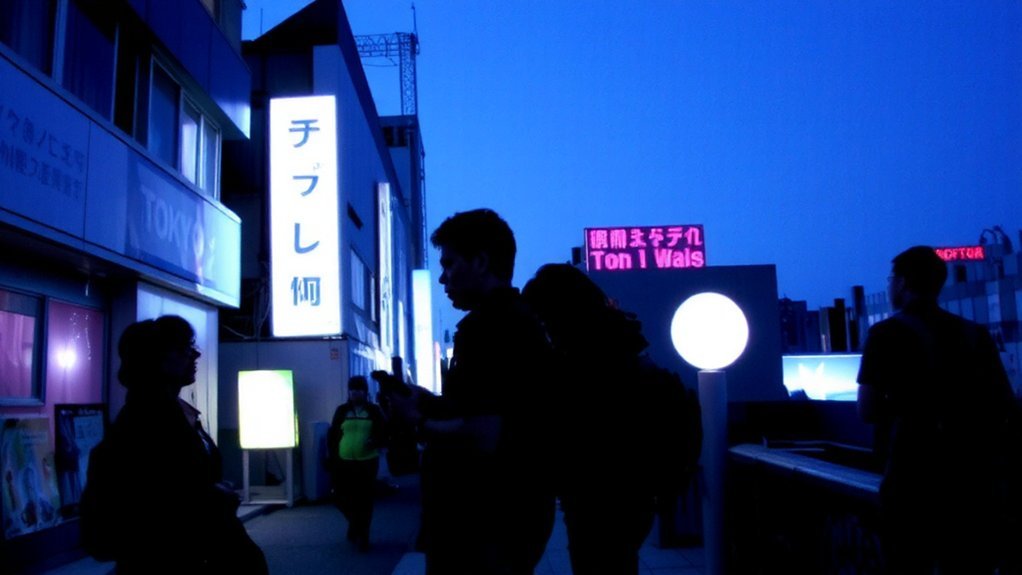
Start by ranking your priorities—budget versus flexibility—and match them to a format: guided for predictable costs and time-saving access, semi-guided for a split agenda, independent for maximum freedom if you like planning. If language and navigation worry you, go guided or semi-guided; a pro handles JR lines, ticketing, and restaurant orders, while you still get pockets of solo time. Comfortable with apps and signs? Then go independent: load Google Maps or Navitime, grab an IC card (Suica/PASMO), save a few key phrases, and you’ll cruise the metro like a local—with extra yen for ramen.
Budget and Flexibility
Why pick guided, semi-guided, or independent? You’re balancing budget and freedom. Guided costs more, but bundles entries and transit. Watch dynamic pricing: festivals spike rooms, weekdays drop tour fares. Check payment methods to manage cash and cancellations.
1) Picture a guided day: prebooked entries, priority lines, zero guesswork—worth it when time’s short.
2) See a semi-guided afternoon: a host launches you, then you wander, linger for ramen.
3) Imagine an independent night: cheap tickets, late detours, your call.
Use this rule: pay for certainty only when it saves hours. Book a guided Tsukiji tasting, roam Shibuya on your own. Mix and match—day tours, free evenings, a rail pass if it pays. If rain hits, slide bookings, skip add-ons, chase flash deals. Freedom, with receipts.
Language and Navigation
How comfortable are you with Japanese signs, station mazes, and asking for help when you’re turned around at Shinjuku? If navigation thrills you, go independent. Tokyo’s street signage is decent, apps are great, and phrase essentials like sumimasen and doko desu ka take you far. Load Suica, pin exits, trust Google and Navitime, and ride.
Want freedom with training wheels? Choose semi-guided. A local leads the big knots—Shinjuku transfers, Tsukiji alleys—then cuts you loose with maps, meet-up points, and emergency chat support.
Hate puzzles? Pick a guided package. Your guide handles tickets, platforms, and etiquette, while you focus on ramen, shrines, and views. Bonus: cultural context you won’t Google at a crosswalk.
Gut check: how much uncertainty fuels you, and how much drains you?
Time Your Visit: Cherry Blossoms, Summer, or Autumn Leaves
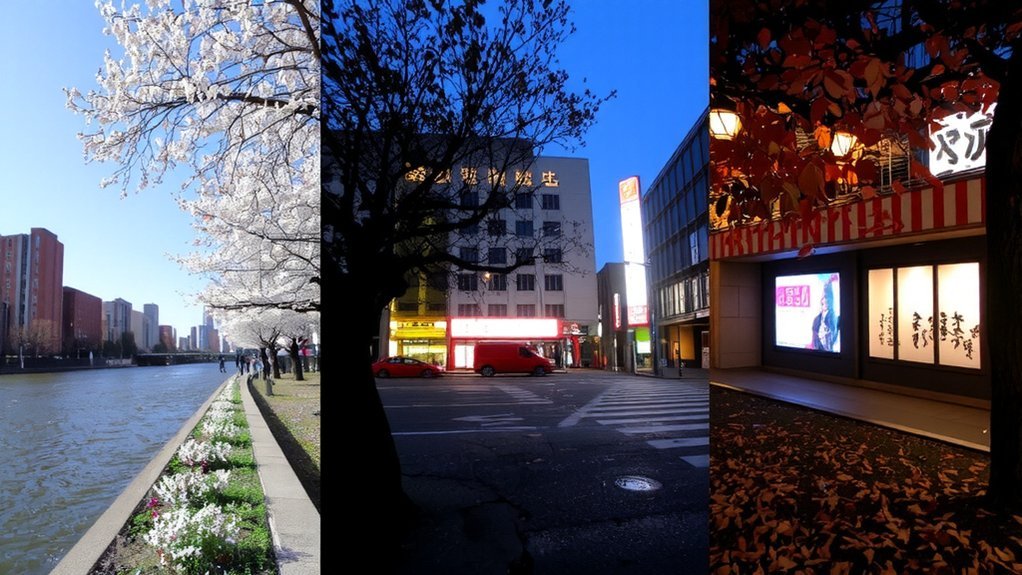
Timing shapes your whole Tokyo experience, so pick your season like you’d pick a headline act. Spring thrills with pink confetti and picnic buzz; use bloom forecasting, learn hanami etiquette, and book fast. Summer hits hard—festivals, fireworks, ramen by night, heat by day—so chase shade, late tours, and rooftops. Autumn? Crisp air, amber light, temples glowing. Freedom season.
- Picture petals drifting over the Sumida, your bento open, laughter riding the breeze.
- Feel taiko drums at a summer matsuri, lanterns rising as you cruise the bay.
- Hear leaves crackle underfoot at Meiji Jingu, sunset pouring gold through the torii.
Pick a package that aligns with light, temperature, and crowd tolerance, then lock flexible dates. Weather shifts; you won’t. Pack layers, a fan, and patient shoes.
Pick Themes and Neighborhoods That Fit Your Style
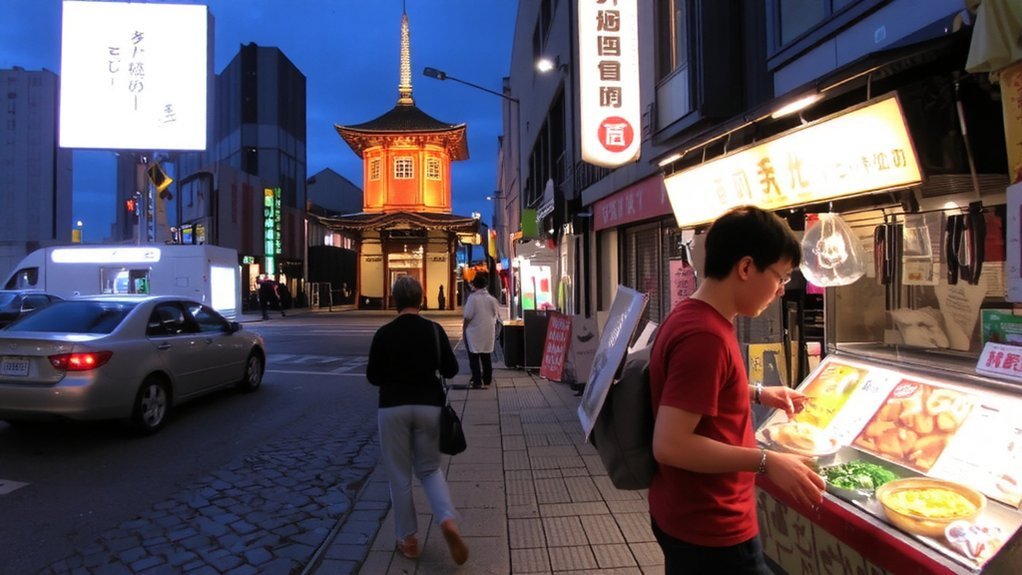
Where do you want your Tokyo story to live? Start by choosing a theme. Food freedom, pop culture, old-town calm, or neon nights. Then match areas: Asakusa for temples and crafts, Yanaka for slow, human-scale streets. Shibuya and Shinjuku for pulse and panoramic views. Harajuku for fashion play, Akihabara for gadgets and arcades.
Build your route around Culinary neighborhoods and Artistic enclaves. Think Tsukiji outer market, Toyosu tours, and Kappabashi’s kitchenware strip. Add Nakameguro for galleries and canals, Daikanyama for design bookstores, Shimokitazawa for thrifting and indie stages. Want waterfront sci‑fi? Odaiba. Crave tradition after dark? Kagurazaka’s lantern lanes.
Practical step: pick three anchors, one per day, and link them by JR or metro. Keep transfers minimal, your curiosity maximal. Test, refine, roam, repeat.
What’s Included vs. Extra Costs
Why does one package look cheap on the page and pricey in real life? Because inclusions hide in fine print, and extras ambush your wallet. Start by scanning what’s covered: guides, entry fees, tastings, small group size. Then flag what isn’t: optional add-ons, peak-season surcharges, currency conversion fees. You want clarity, not surprises.
Scan inclusions, flag exclusions—avoid extras that ambush your wallet; clarity beats surprises.
- Picture temple gates at sunrise, guide at your elbow—admission included, headset included, peace of mind included.
- Now imagine checkout: Tour taxes added, fuel surcharges tacked on, a mysterious “handling” fee—poof, budget gone.
- Last scene: cash for street snacks, and Gratuity expectations, clearly stated or not—tip jars don’t accept confusion.
Ask for a breakdown. Compare apples to apples. Negotiate extras, or walk. Your schedule, your money, your call, always.
Transport Made Easy: Rail Passes and Airport Transfers
You’ll keep your trip smooth by picking the right rail pass and booking your airport ride before you land. If you’ll stay mostly in Tokyo, grab a 24/48/72‑hour Tokyo Subway Ticket; if you’re hopping to Kyoto or Nikko, a JR or regional pass may win—do a quick fare check, count travel days, and compare totals. For airports, go Narita Express or Keisei Skyliner from Narita, Tokyo Monorail or Keikyu from Haneda, or play it easy with a Limousine Bus or prebooked taxi; then lock passes online, screenshot QR codes, and add Suica/PASMO to your phone—tap, ride, done.
Choosing Rail Passes
How do you pick the right rail pass without overpaying? Start with your map and mood. If you’ll hop across Tokyo’s core, a 24–72 hour Tokyo Subway Ticket shines. Planning day trips on JR lines—Kawagoe, Nikko, even Karuizawa—then the JR Tokyo Wide Pass may win. Count rides, compare costs, and check Validity Windows, because an unused day is money lost. Prefer speed? Choose Mobile Redemption when available, skip counters, jump straight to gates.
- Picture dawn trains sliding past neon, your pass tapping green—no coins, no fuss.
- Imagine a rain plan: museums today, waterfront tonight, still covered.
- See a surprise detour—Ueno pandas or Odaiba views—and you still ride free.
Final test: add up single fares. If the pass beats them, buy confidently.
Airport Transfer Options
With your rail pass sorted, let’s get you from runway to city fast. From Narita, the Narita Express is seamless, reserved seats, space for bags, about 60 minutes to Tokyo. From Haneda, jump on the Tokyo Monorail to Hamamatsucho, or the Keikyu Line to Shinagawa—easy transfers. Prefer zero transfers? Book a shared shuttle or a private car; pricier, but door-to-door freedom after a long flight. Cabs are spotless and safe, yet costly; great if you’re jet-lagged. Tipping etiquette is simple: don’t tip, just say arigato. Keep cash for tickets, and a PASMO/Suica for quick gates. Watch for Photo opportunities: bay views on the Monorail, city canyons on N’EX. Late arrival? Confirm last-train times, or reserve a night bus. Hotels can arrange pickups on request.
Language Support, Accessibility, and Group Size
While Tokyo dazzles, the right tour hinges on three nuts-and-bolts details: language support, accessibility, and group size. Ask what languages guides actually speak, and if they provide sign language or whisper headsets. You want directions you can follow, jokes you can catch, and context you can quote later.
Choose tours by language, access, and group size—so jokes land and directions stick.
- Picture smooth sidewalks, ramps, and elevators; confirm wheelchair access, step-free routes, and accessible restrooms near shrines and stations.
- Imagine a small pod, 8–12 travelers, where you can linger for photos, detour for ramen, and still hear the guide.
- See your day mapped cleanly: meeting points, transit lines, and timing, so you roam without friction.
Pro tip: ask about platform gaps, taxi options, and museum entrance policies. You’re buying ease—and freedom. Own your pace.
Flexible Policies: Cancellations and Changes
Because plans can pivot in Tokyo faster than a rush-hour platform, lock down the tour’s flexibility—cancellations and changes can save your trip and your budget. Check the window for free changes, the cutoff for full refunds, and whether rebooking fees scale by date. Ask if you can switch dates, swap activities, or transfer the booking to a friend.
Study refund timelines. Is it 48 hours, 7 days, or stage-based? Demand clarity on how long refunds actually hit your card. Note policy exceptions: weather closures, transit strikes, force majeure, minimum group size misses.
Prefer providers with self-serve portals, chat support, and timestamped confirmations. Screenshot everything. When in doubt, book cancellable rates, hold flights with free holds, and bundle travel insurance for edge cases. Truly essential.
Read Real Reviews and Spot Red Flags
- Picture dawn at Asakusa: fewer crowds, soft light, a guide who knows the side alleys.
- Hear the JR chime, feel the rush-hour squeeze, and note how the itinerary adapts.
- Taste yakitori in Omoide Yokocho, not a mystery “local spot” miles away.
If something feels off, trust that. Freedom loves receipts. Every time.
Conclusion
Close the guide like a well-folded map, but keep your compass out. Set your budget, circle Shinjuku or Asakusa, pick guided or DIY, and time it for blossoms or blazing leaves. Grab a Suica, confirm airport transfers, and double-check language, access, and group size. Read recent reviews, spot refund traps, and keep a buffer. Your tour is a train ticket: clear route, room to wander. Choose with intention, then ride Tokyo’s rhythm with confidence—and joy.