
You probably don’t know that many “English-speaking” Tokyo tours vary wildly in pace, restroom access, and cancellation rules—I’ve learned this the hard way. You want small-group walks or a private guide? A self-guided map, izakaya hop, or anime café crawl? Maybe Nikko or Hakone in a day, with cherry blossoms timed right. We’ll hit prices, durations, and real logistics, fast—starting with the one choice that quietly makes or breaks your trip.
How to Choose the Right Tour Style (Small-Group, Private, Self-Guided)
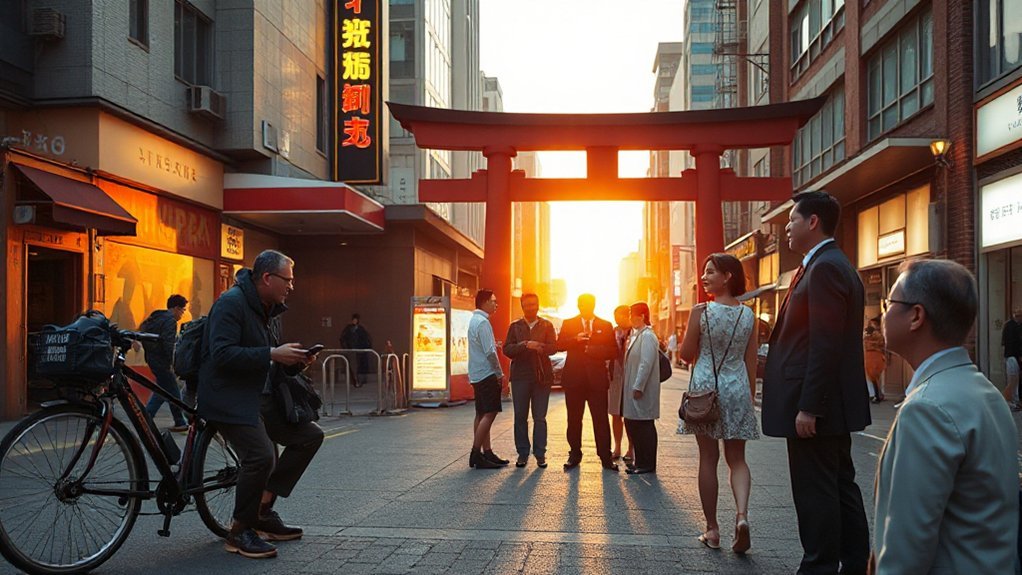
How do you want Tokyo to feel—buzzing and shared, quiet and tailored, or wide-open and yours to discover? Small-group tours give you energy and easy logistics: a guide, a route, built-in buddies. You move fast, you see a lot, you skip stress. Private tours give you control—your pace, your interests, your start time—and a guide who flexes with you when rain hits or your mood shifts. Self-guided? You own everything: no schedule, no small talk, just you and the city; I love this, but it demands planning and a calm Plan B. Check cancellation policies and insurance coverage before you book; freedom feels better when you’ve got a safety net. Think budget, stamina, and attention span. Do you like questions, or quiet? Do you want food stops, photo time, translations? Choose for today’s you, not some perfect traveler. Then commit, breathe, and go—Tokyo meets you where you are.
Best Neighborhood Walks: Asakusa, Shibuya, Shinjuku, and Beyond
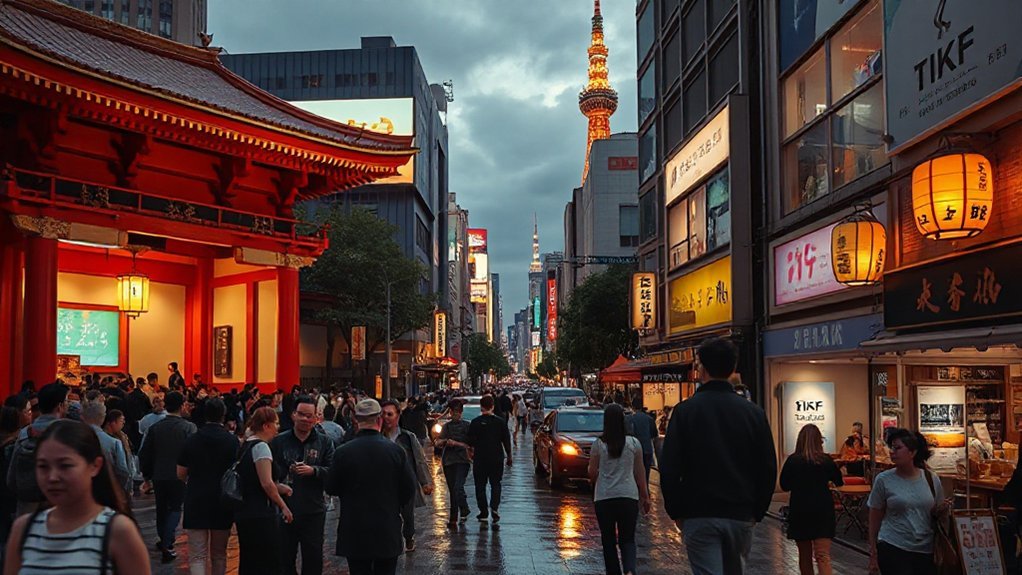
Start at Senso-ji and follow the Asakusa Temple Trails past the giant Kaminarimon lantern, through incense-sweet air on Nakamise-dori, then slip into quiet alleys for pocket-size shrines and snack stands. Ready for motion? Trace Shibuya Crossing Circuits—time the scramble, loop by Hachikō, peek from a rooftop deck, then cut into neon side streets for ramen and vinyl shops. Walk steady, breathe easy, trust your feet—I’ll admit I still get goosebumps here—and let the rhythm guide you: tradition then thrill, calm then chaos, step by step, story by story.
Asakusa Temple Trails
Lanterns and incense pull you into Asakusa’s temple trails, where old Tokyo still breathes. Step under Kaminarimon’s giant red lantern, feel its weight of lantern symbolism—guidance, protection, a reminder to walk brave. Cleanse your hands at the chozuya, then waft smoke from incense rituals over your shoulders, like courage settling in. You wander Nakamise Street, crisp senbei in hand, drums thudding from a shrine, shopkeepers nodding. I’ll nudge you: slow down, read the ema wishes, ring the bell twice, bow, clap, breathe. Let the Sumida breeze cool you, let the five-story pagoda anchor you, let curiosity lead. You’re free to linger, free to learn, free to get a little lost. Isn’t that why you came—to feel awake? Take the path; your pace sets everything.
Shibuya Crossing Circuits
Sometimes you need a crowd to find your stride, so step into Shibuya’s great scramble and ride the green light like a wave.
You’ll cross with headphones off, eyes up, letting the city teach you how to move.
Watch the Signal timing, feel the Crowd choreography, then flow—pause, pivot, glide.
Start at Hachiko, breathe, then loop past Center-Gai, Shibuya Stream, and the rooftop view at Shibuya Sky.
I’ll be honest, I get overwhelmed here, but I use it as fuel.
You will too, because you’re braver than you think and lighter than your luggage.
Duck into a kissaten for a calm pour-over, jot a goal, then step back out on the beat.
Cross again, again, again, until the nerves fade and the rhythm sticks.
Food and Nightlife Tours: Markets, Izakaya Hops, and Street Eats
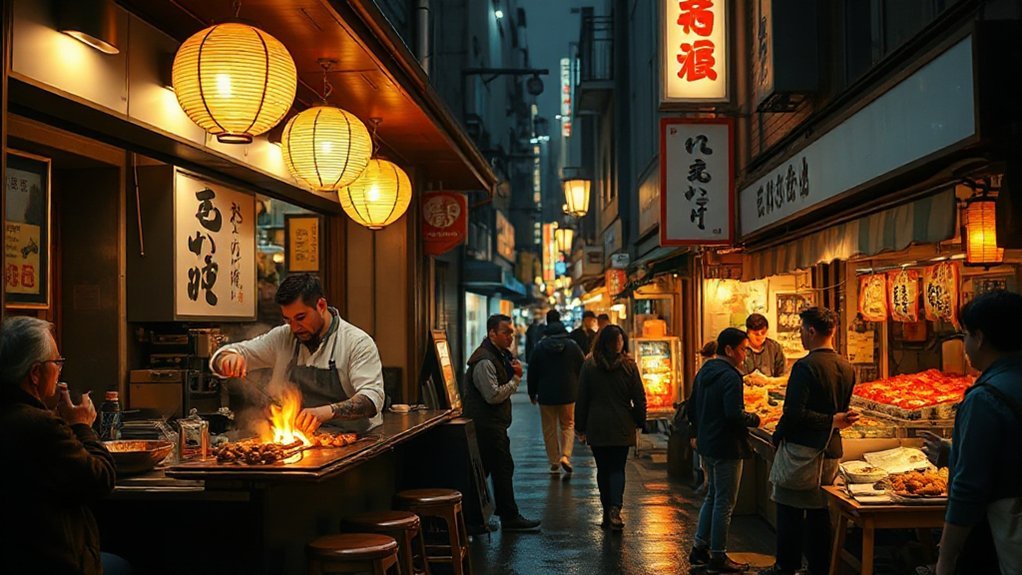
Chasing flavors through neon alleys, you slip into Tokyo’s night like it’s a secret you’ve been waiting to keep. Your guide meets you at a humming market, translating the sizzle and smiles, freeing you to taste with both hands. Skewer by skewer, broth by broth, you learn: follow the steam, trust the line.
Izakaya hops keep you moving—yakitori, karaage, grills, clinking glasses. Thoughtful Sake Pairings unleash umami, and you feel braver with every pour. Ask questions, trade stories, steal a seat; I’ll nudge you if you hesitate. English-speaking hosts smooth the path so you can chase what calls.
Then the streets: gyoza stands, ramen windows, takoyaki balls crisping on the griddle. Save room for Street Desserts—taiyaki, sesame ice cream, butter-sugar crepes that crackle. You wander, you sample, you laugh. And when the last shop shutters, you’re lighter, bolder, freer—because you didn’t just eat; you claimed your night.
Pop Culture and Themed Experiences: Anime, Gaming, and Kawaii Districts
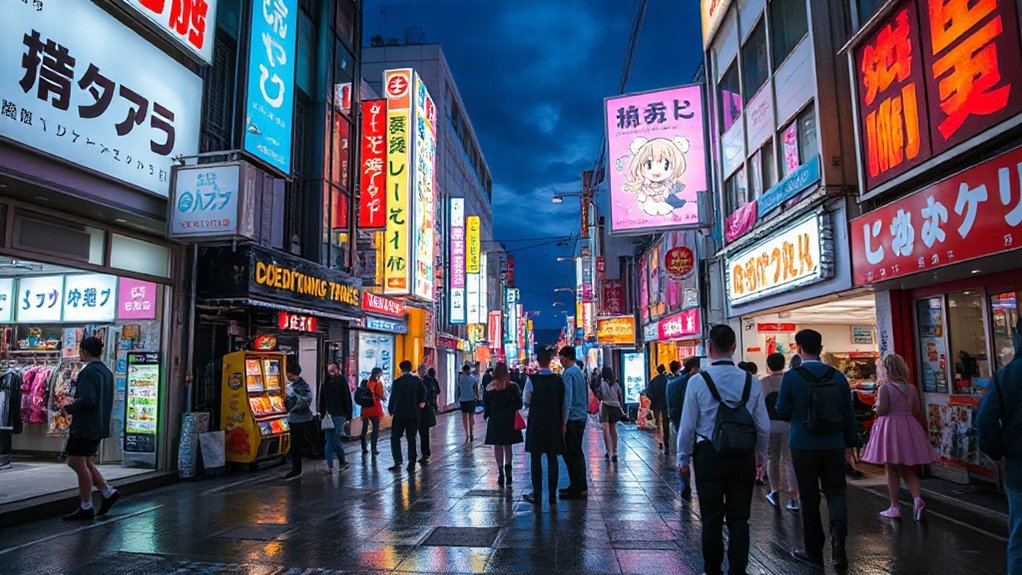
Step into the glow and level up your inner fan; Tokyo makes it easy to geek out and still feel cool. Hit Akihabara’s lanes with an English-speaking guide who gets memes and maps, not just monuments. Chase gachapon, browse figure dens, then plunge into Retro Arcades where CRT screens hum and the buttons dare you to try again. I’ll admit, I still mash them. You’ll sample themed cafés—maids, mecha, monsters—then jump to Ikebukuro for otome finds and Manga Museums that make your inner kid grin. Want kawaii overload? Harajuku paints it loud, playful, free.
Now choose your quest. Cosplay photoshoot, e-sports lounge, or VR arena? Your guide smooths lines, translates jokes, negotiates rules, and leaves time for wandering—because you need space to breathe. Sing anime anthems in karaoke, swap pins with friends, and leave with a bag of tiny treasures, a neon camera roll, and a braver voice.
Day Trips From Tokyo: Nikko, Kamakura, Hakone, and Yokohama
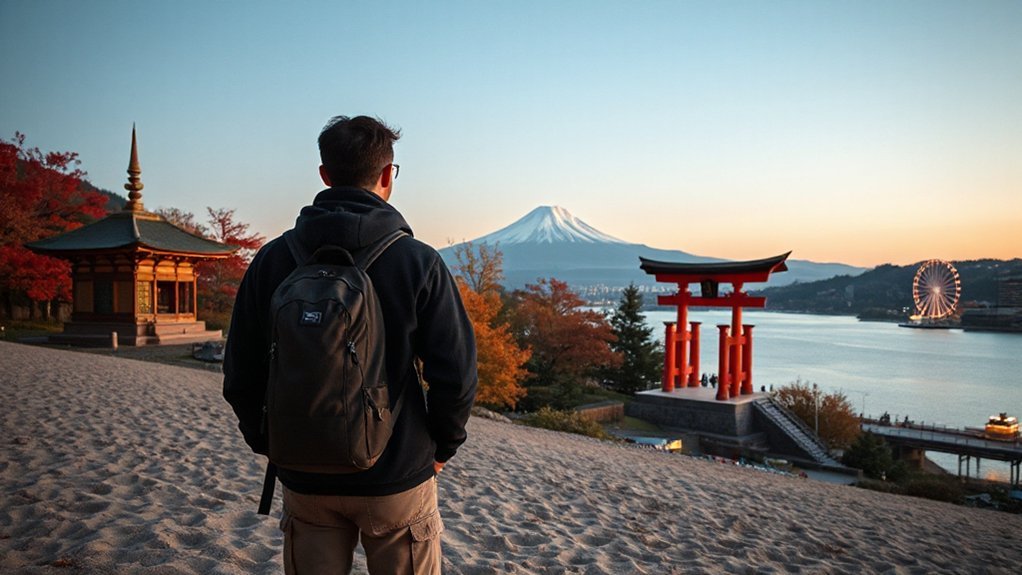
Slip out of Tokyo for a day: Nikko’s gold-trimmed Toshogu Shrine, Kamakura’s serene Great Buddha, Hakone’s lake cruises and ropeways with Mt. Fuji peeking through, and Yokohama’s lively Chinatown and bayfront. Wondering how to do it without stress—JR trains on your own, or guided options like small-group buses, hotel pickup with skip-the-line entries, and flexible passes that bundle rides and tickets? Pick your pace, pick your price, pick your joy—I’ll admit, I need that nudge too, so choose the tour that saves your energy for the moments you’ll remember.
Top Sights Overview
When Tokyo’s pace runs hot, you can slip out for a day and come back glowing: Nikko’s mossy shrines and Kegon Falls, Kamakura’s sea air and the Great Buddha, Hakone’s steamy onsen and Lake Ashi views of Fuji, Yokohama’s bayside sparkle and ramen museums. You chase contrast: cedar-dark temples, salt-bright shorelines, sulfur valleys, neon harbors. In Nikko, Architectural Landmarks whisper power; carve a quiet path beneath lanterns, then let the falls roar clear your head. In Kamakura, breathe, surf the breeze, meet the Buddha’s calm gaze. Hakone hands you switchbacks, ropeways, open-air sculpture, and onsen steam that unknots pride you didn’t know you carried. Yokohama pulls wide—Museum Districts, ferris wheel light, Chinatown spice. Claim space, move freely, return lighter. I needed that, you too?
Guided Tour Options
How do you want to be led through your day away from Tokyo—handheld, hands-free, or somewhere in between? Pick your pace. Join a small-group guide to Nikko’s shrines, Kamakura’s giant Buddha, Hakone’s lake and ropeway, or Yokohama’s bayside bites. Prefer space? Choose Audio guides, set your own tempo, linger where the light hits. Want backup without the crowd? Book a private guide; I love how they translate menus and moments you’d miss. Short on time? Try Virtual tours before you go, then cherry-pick what truly calls you.
Mix it up: train out, walk free, meet a guide for the tricky bits. Ask questions, skip lines, chase sunsets. You’re not difficult—you’re decisive. Build the day that fits your courage. I’ll cheer while you choose boldly.
Family-Friendly and Accessible Routes: Strollers, Wheelchairs, and Seniors
Though Tokyo moves fast, you can tour it at a gentle pace with kids, wheels, and wisdom. Choose routes with elevators at major stations, curb cuts at crossings, and wide sidewalks through Asakusa and Odaiba. I love mixing temple calm with smooth movement: Senso-ji’s flat Nakamise, then a ramped Sumida River cruise. For green time, roll Ueno Park’s loop and pause often.
Ask guides about sensory accommodations, quiet corners, and pacing; you deserve comfort, not rush. Prioritize restroom accessibility—barrier‑free toilets are common in stations, malls, and museums, and staff will point the way. Use station attendants; they’ll set up portable ramps and guide you to lifts. Take breaks, sip water, adjust.
Bring a lightweight stroller or travel wheelchair, keep rain covers handy, and layer clothing. Look for “priority” elevators and seating, and don’t hesitate to claim them. You’re not slowing the group—you’re setting a kinder rhythm. For everyone.
Prices, Durations, Inclusions, and When to Book for Cherry Blossoms or Autumn Color
Why chase blossoms or crimson leaves without a plan? During sakura and koyo, English-speaking city tours run 2–8 hours; compact walks cost ¥6,000–¥10,000, half-day vans ¥12,000–¥18,000, full-day private cars ¥45,000–¥80,000 per group. Peak pricing hits weekends and festival weeks, so flex your dates if you can.
You’ll typically get a guide, transit or van, curated photo stops, and timed park entries; better packages add hotel pickup, tea tastings, and pro photos. I’ll be honest: I once paid extra for a picnic mat and didn’t regret a yen.
Book early. Cherry blossoms are fickle, but booking windows open 60–120 days out; grab cancellable slots, then adjust as forecasts sharpen. Autumn color is steadier—aim 30–90 days. Choose sunrise or twilight departures for space to breathe, for room to linger. Bring layers, cash for street snacks, and a Plan B. Freedom loves preparation, and preparation loves you back, every single time.