
Tokyo can make a sake beginner feel like a pro in one evening. You sit at a tiny counter, sip on premium craft Japanese sake, and suddenly you are discussing rice polishing like you have been doing it for years. Honestly, it is a great little plot twist.
The trick is choosing the right experience. A brewery visit shows you how the drink is made, while a guided tour takes the pressure out of ordering. A neighborhood bar gives you the most local atmosphere, but it also asks you to read the room. These tips will help you enjoy Tokyo sake tasting tours without guessing your way through the customs.
Key Takeaways
- Book brewery visits and English-language tastings ahead of time, then confirm the latest opening hours.
- Fussa and Ome offer immersive brewery experiences within Tokyo, while sake bars in Shinjuku and Akihabara are convenient choices for an evening out.
- Taste slowly, drink water, and follow the host’s lead before taking your first sip.
- Use both hands when receiving a pour, and ask before taking photographs.
- You must be at least 20 to drink in Japan, and public transport is the sensible plan.
What a Tokyo Sake Tasting Tour Actually Feels Like
A sake tasting session is typically led by a knowledgeable sake sommelier rather than following a rigid, dramatic ceremony. Your guide will often begin by introducing the brewing process, explaining how the choice of rice, water, and the essential koji mold work together to create the final flavor profile. Once the introduction is complete, the tasting flight begins, usually consisting of several small pours served in traditional ceramic cups or modern glassware.
An ochoko is the small ceramic cup most people picture when they hear “sake cup.” Some establishments prefer using wine glasses because they make aromas easier to notice. This is not considered untraditional, as it simply gives your nose more room to do its job and appreciate the complex notes of the brew.
You may detect hints of pear, melon, steamed rice, banana, herbs, or earthy undertones. Do not panic if your first description is simply “rice wine that tastes cold.” That is a perfectly respectable starting point for any beginner. Sake has a huge range of profiles, and the nuance of a pour often evolves after the drink warms slightly in the glass.
A guided tour can include a detailed look at the brewing process, a curated tasting flight, water, snacks, and expert advice on food pairings. Some experiences include a full meal, while others focus on a focused tasting session lasting 30 to 60 minutes. Be sure to read the specific inclusions before booking, especially if you are expecting transportation to the venue or a comprehensive lunch.
For a useful look at available experiences and formats, browse these Tokyo sake tasting experiences before deciding what fits your itinerary.
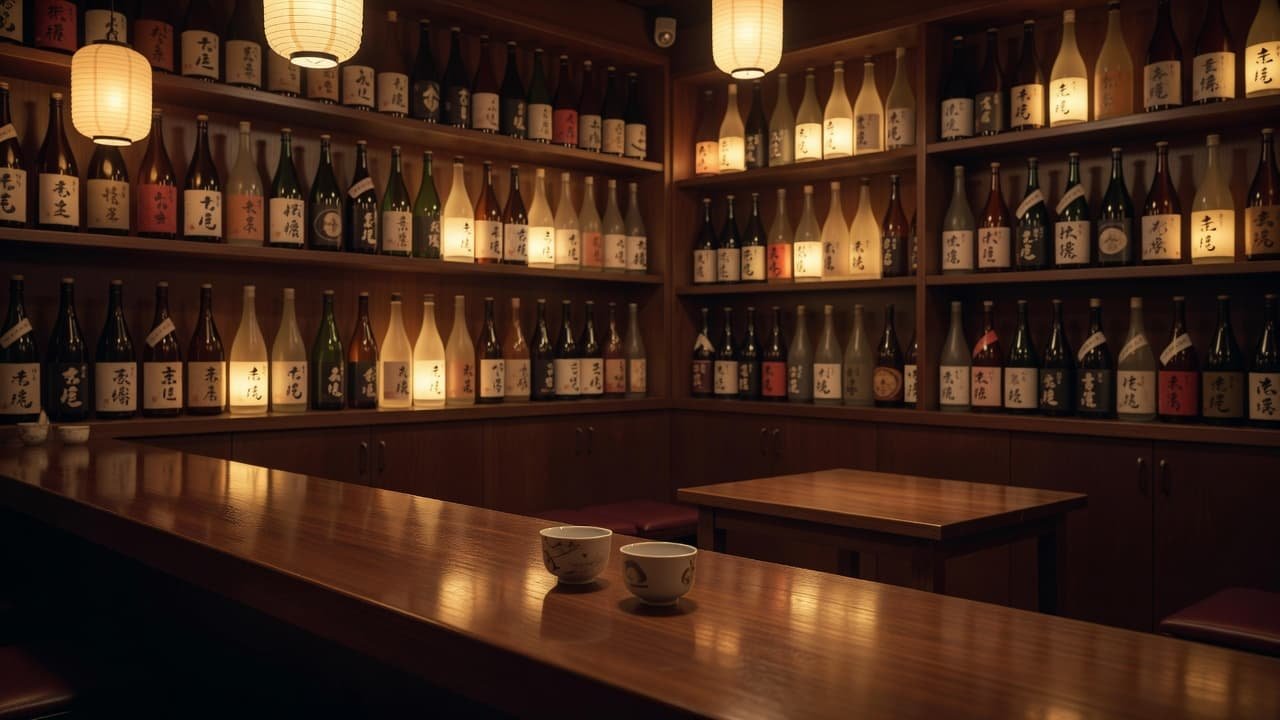
A small counter, a few cups, and a helpful server can be all you need for a memorable tasting.
Choosing Between a Brewery, Guided Tour, and Sake Bar
Tokyo offers three distinct ways to experience local rice wine, and each provides a unique perspective. Your choice depends on your schedule, comfort level, and whether you are looking for deep educational insight or a relaxed atmosphere.
| Experience | Best for | What you can expect | Main thing to check |
|---|---|---|---|
| Sake brewery tour | Travelers who enjoy process and history | Brewing rooms, technical explanations, tastings, and a shop | Tour dates, language, transport, and booking rules |
| Guided tasting | First-time visitors | A host, several pours, flavor guidance, and pairing ideas | Duration, tasting count, food, and meeting point |
| Sake bar | Independent travelers and nightlife fans | A large menu, local atmosphere, and flexible ordering | Cover charges, last orders, seating rules, and photo policy |
A sake brewery tour is the most educational option. You may see fermentation tanks, rice preparation areas, storage rooms, or traditional tools used in the craft. Because production spaces can close for cleaning or seasonal work, some facilities only welcome visitors during specific times of the year.
A guided tasting is a convenient choice if you do not speak Japanese. You might opt for a private tour if you want a more personalized experience, as the host can translate the menu, explain the nuances between bottles, and help you navigate various premium sake varieties. Having an expert guide ensures you enjoy high-quality selections rather than ordering randomly.
A sake bar works best when you want freedom. You can order one glass, pair it with a small dish, and leave whenever you are ready. Keep in mind that tiny bars often have limited seating, so large groups may struggle to find space. It is best to keep your party small and avoid occupying a seat long after you have finished if other guests are waiting.
Reservations, opening hours, and tour availability can change. Always check the venue’s current website or booking page before leaving your hotel, as a location that looks perfect online may only operate on selected days.
Tokyo Breweries Worth Building a Day Around
The most famous brewery experiences in Tokyo are often found outside the central tourist districts. This is actually a benefit, as it gives you a chance to see a greener, slower side of the metropolis, where rivers, wooded hills, and quiet residential neighborhoods replace the neon lights.
Ishikawa Brewery in Fussa is one of the easiest brewery day trips to consider. The brewery is famous for Tamajiman sake and has a rich history in the area. Its grounds include places to eat and drink, so you can pair your experience with a traditional kaiseki lunch, turning the visit into a proper afternoon rather than a quick tasting squeezed between train connections.
Fussa is west of central Tokyo, and the journey requires some planning. Check the current access information, tour calendar, age rules, and whether English support is available. Do not assume that a restaurant booking automatically includes a brewery tour, as they are often separate reservations.
Ozawa Brewery, home of Sawanoi in the scenic Okutama region, offers another beautiful option. The brewery sits near the Tama River, and the surrounding area feels far removed from the intensity of the city. This is a perfect choice when you want sake, fresh air, and a walk that does not involve dodging shopping bags every few seconds. Many of these sites also feature a sake museum where you can learn about the centuries-old brewing traditions that define the local craft.
A brewery visit may include a tasting room, a shop, and a chance to try bottles made on site. Production access varies, however. Some tours show active brewing areas, while others focus on the history and finished product. When searching for an authentic feel, try to look for small family owned breweries that offer a more intimate look at the process.
Tokyo also has smaller urban producers, including Tokyo Port Brewing in Minato. City breweries can be convenient, but their visitor programs are usually more limited than a large destination brewery. Look for a confirmed appointment rather than turning up and hoping for a tour.
Before booking, check:
- The exact meeting point and nearest station
- Whether reservations are required
- Tour language and duration
- Tasting quantity and food inclusions
- Whether the facility allows children or non-drinkers
- The final train back to your hotel
This sake brewery tour planning guide is useful when you are comparing locations and deciding how much travel time to allow.
Sake Bars in Shinjuku, Akihabara, and Golden Gai
If traveling west to Fussa or Ome does not fit your itinerary, local sake bars bring the tasting experience directly to the city center. Shinjuku, Shibuya, and Akihabara are practical bases for your exploration, especially if you are already planning dinner or nightlife in these vibrant districts.
Sake Market has locations in Shinjuku and Akihabara, including the popular Sake Market Akihabara, which offers a vast selection in a famous nomihodai format. That sounds exciting, and it is, but treat the menu like a tasting room rather than a race. Start with small pours, drink water, and keep track of what you have tried. “I wonder what this one is like” can become a very expensive feeling when repeated at full speed.
A specialist bar may offer bottles arranged by prefecture, rice variety, flavor profile, or brewing style. Ask the server for osusume no sake, meaning a recommended sake. You can also describe what you want in simple terms:
- Light or rich
- Dry or sweet
- Fragrant or subtle
- Chilled, room temperature, or warm
Don’t worry about pronouncing every word perfectly. A smile, a clear point at the menu, and “osusume” will get you surprisingly far.
Golden Gai is another famous drinking area, but many individual bars are tiny and have their own rules. Some charge a seating fee or otoshi, a small appetizer served with the first drink. Others may be cash-only, reservation-only, or closed to larger groups. Ask before settling in if the price is not clear.
Photography rules matter here. Golden Gai bars often restrict photos, and you should never photograph customers without permission. In a packed little room, your phone can feel less like a camera and more like a spotlight. Keep it away unless staff says yes.
Understanding Sake Types Without Memorizing a Textbook
You do not need to learn every label before your first tasting. A few key terms will help you understand the menu and tell the server what sounds good.
Junmai means the sake is made purely with rice, water, koji, and yeast. This rice fermentation process relies on traditional methods without added distilled alcohol. It often has a fuller rice character, although the final flavor still depends on the specific brewery.
Ginjo and daiginjo are premium sake varieties that refer to highly polished rice and careful brewing styles. Ginjo sake often has fresh, fruity aromas, while daiginjo usually leans more delicate and aromatic. These are broad clues rather than rigid guarantees.
Honjozo includes a small amount of added distilled alcohol. It can be light, crisp, and easy to drink with food.
Nigori is cloudy sake with rice particles left in the drink. It tends to feel creamy or sweet, but styles vary. Roll the bottle gently if the server tells you to mix the sediment. Do not shake it like a cocktail unless you want a tiny sake disaster.
Nama is unpasteurized sake. It usually needs careful refrigeration and may taste bright, lively, or fresh. Follow the bar’s storage advice if you buy a bottle.
Sparkling sake is lightly carbonated and often a friendly introduction for people who prefer softer, sweeter drinks.
Rice polishing is another term you may see. A lower percentage on the label means more of the outside of the rice grain has been polished away. While some Tokyo breweries lean toward sharp, modern profiles, you might find that their styles contrast with the famously soft water profiles found in Kyoto.
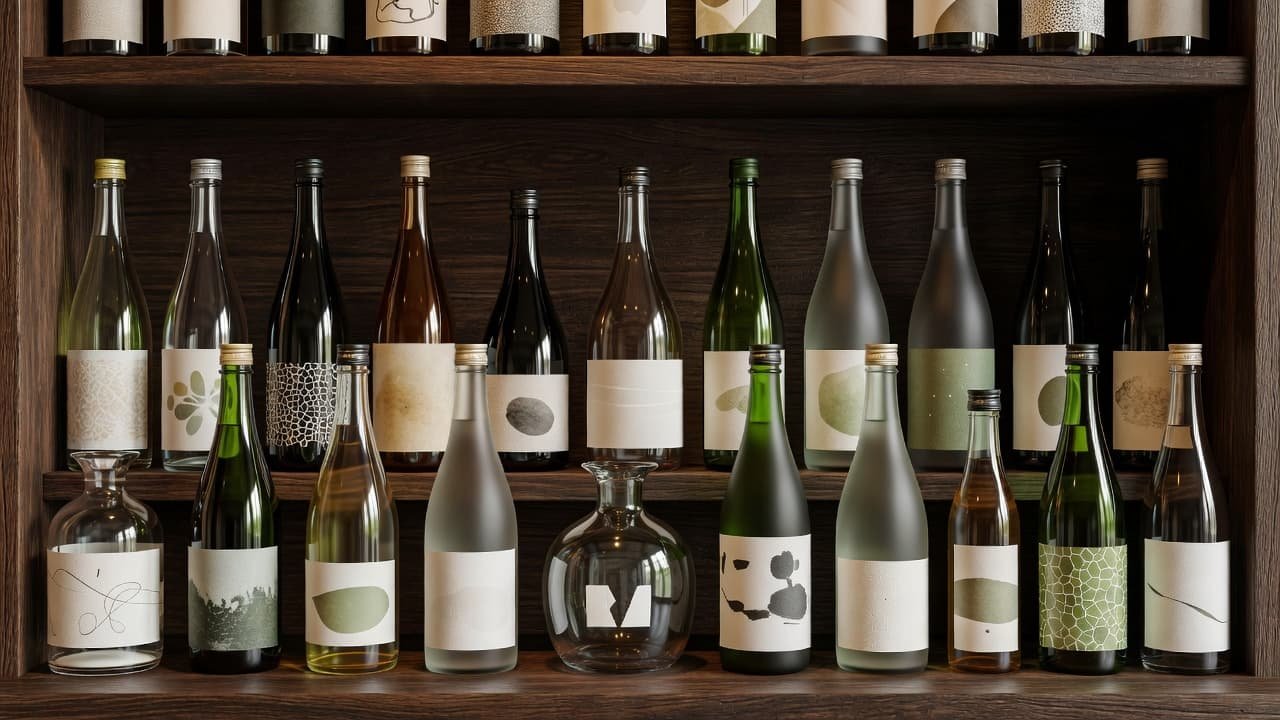
A tasting menu often becomes much easier once you recognize these common label terms.
A good tasting order usually moves through light and dry styles before richer, sweeter, or cloudy pours. Try sparkling or fragrant ginjo first. Save nigori, rich junmai, and strongly aged styles for later.
Temperature changes the experience, too. Reishu is chilled sake. Hiya traditionally means room temperature, while nurukan is gently warm and atsukan is hot. Ask the staff which temperature suits the bottle. Some sake becomes softer and rounder when warmed, while delicate aromas can disappear.
Between pours, sip water. Japanese tasting rooms may call it yawaragi-mizu, or palate-resetting water. Five milliliters is enough for a thoughtful sip, and you do not need to gulp every sample. If you are visiting several breweries, use a spittoon when one is provided.
For a broader explanation of styles, ingredients, and serving customs, see Japan’s official sake guide.
Sake Tasting Etiquette That Keeps Things Comfortable
The etiquette is easier than it first appears. Watch the staff, copy the pace of the table, and don’t treat the tasting like a drinking contest. If you are participating in a guided excursion, your English-speaking expert guide is often the best person to teach these subtle cultural rules in real time.
Start with a greeting. A friendly “konbanwa” works in the evening, and “arigato gozaimasu” means thank you. When leaving after a meal or tasting, gochisosama deshita is a polite way to thank the staff for the food and hospitality.
If someone pours for you, hold the ochoko with two hands. Keep one hand around the side and place the other under the base. This looks respectful and also keeps the cup steady. When pouring for another person, hold the tokkuri, or sake flask, with both hands if the setting feels formal.
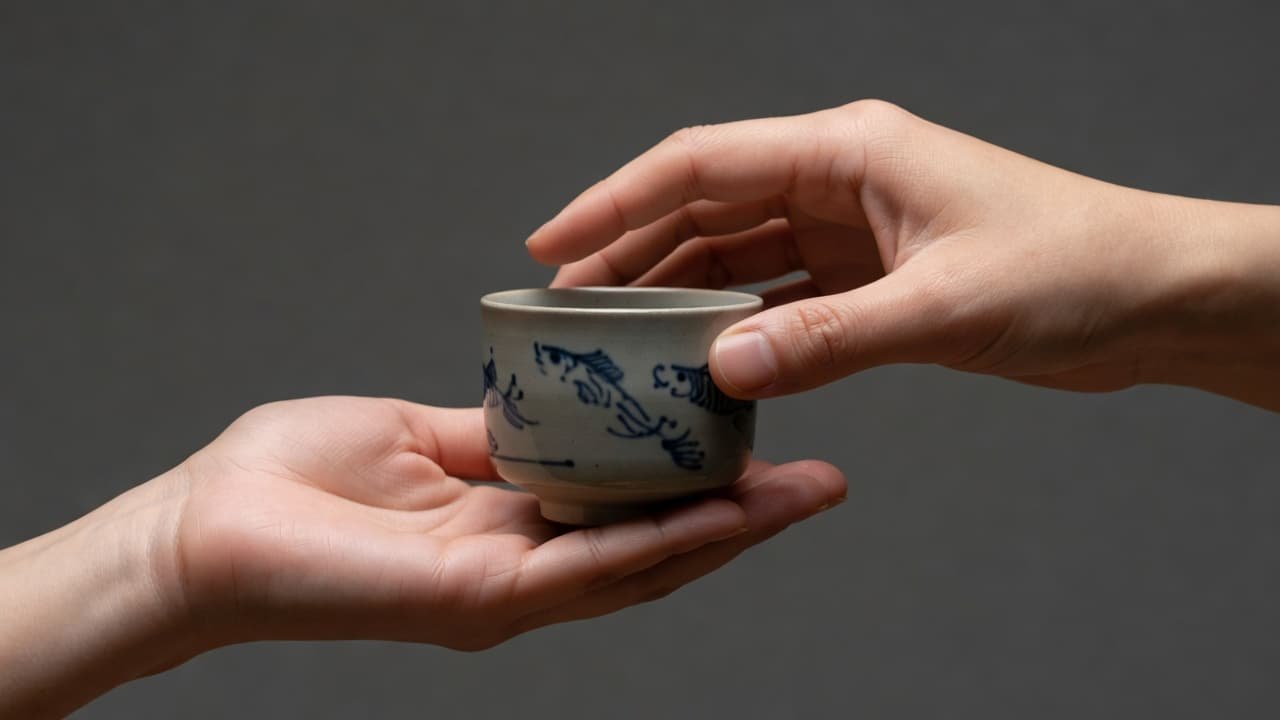
Hold the ochoko securely with one hand at the side and the other beneath it when receiving a pour.
Don’t automatically pour your own drink at a formal meal. Offer to pour for someone else, and allow them to return the favor. At casual bars, the server may pour everything, or you may order individual glasses. Follow the local setup rather than forcing a ceremony onto a relaxed counter.
When sake arrives in a masu, the square wooden box may hold an ochoko inside it. If the server fills the cup until sake spills into the masu, drink from the cup first. You can then pour the extra sake into the cup. Avoid lifting the entire masu to your mouth unless the staff invites you to do so. It can spill quickly, and nobody wants to mop a wooden counter because you got enthusiastic.
Wait for the host or a certified sake expert to say kanpai before drinking. After the toast, take a small sip. Sake is meant to be noticed, not thrown back like a shot.
A few small rules make a big difference:
- Don’t wear perfume or cologne to a brewery or serious tasting. Strong scents interfere with aromas.
- Don’t touch tanks, tools, rice, or koji unless staff gives permission.
- Keep your voice low in small bars.
- Ask before taking pictures of bottles, rooms, staff, or guests.
- Never photograph a person who hasn’t agreed, even if they appear in the background.
- Don’t refill another person’s cup without noticing whether they want more.
- Say “kekko desu” if you want to decline another pour. It means no thank you in this context.
Ordering food is part of the experience, not an interruption. Ask for otsumami, small dishes designed to accompany drinks. Grilled fish, tofu, pickles, sashimi, chicken, seasonal vegetables, and miso-based dishes allow you to explore how intentional food pairings elevate the flavor profile of the sake.
If you’re unsure, ask, “What pairs well with this?” You can also say, “Osusume no otsumami?” The staff will usually point you toward something that matches the bottle. Salty or smoky dishes can make a dry sake feel softer, while lighter foods may suit fragrant ginjo styles.
Planning a Safe and Enjoyable Tasting Night
Sake can taste gentle while still carrying plenty of alcohol. The polished aroma is not a warning label, so pace yourself early.
Eat before the first tasting, especially if you are planning multiple stops. Take a few sips of water between samples and avoid ordering another pour simply because the bottle looks interesting. You can always return to a favorite style later. If you are truly looking to master the craft and want a deeper education on nuances and history, consider booking a structured sake tasting class to learn from an expert.
If staff notices that you are intoxicated, they may stop serving you. That is normal and responsible. Do not argue, order a final shot, or turn the refusal into a story for your travel group. Head back while the night is still fun.
Japan’s legal drinking age is 20. Carry your passport if a venue may need to confirm your age, especially when you look young or are booking a formal tour. Never drink and drive. Tokyo trains and taxis are much safer choices, and public transport is usually the simplest option.
Check the last train before you begin. Many lines run until around midnight, but the exact time depends on the route, day, and station. A tasting in Ome or Fussa needs more attention than a bar beside Shinjuku, where options are plentiful and late-night transit is frequent.
Wear comfortable clothes and shoes for brewery visits. Some facilities have uneven floors, cool storage rooms, or areas where you need to follow staff closely. Leave room in your bag for a bottle, but check airline rules before buying more than you can transport.
Book ahead when:
- You need an English-language guide
- You are visiting a brewery outside central Tokyo
- Your group has more than two or three people
- You want a food pairing or private tasting
- Your trip falls on a weekend or public holiday
On the day, confirm the reservation time, cancellation policy, payment method, and meeting point. Opening hours can change for holidays, brewing schedules, private events, or staff availability. A quick check saves a long train ride and a sad photo outside a locked door.
Frequently Asked Questions
Do I need to be an expert to enjoy a sake tasting tour?
Not at all. Most guided tours are designed for beginners and focus on introducing you to different flavor profiles through a relaxed, educational experience. You can simply enjoy the variety and learn as you go, with your guide handling the technical details.
Is it necessary to make reservations for every sake experience?
It is highly recommended to book brewery tours and guided tastings in advance to ensure English-language support and confirm availability. While some smaller bars may welcome walk-ins, popular spots or group visits typically require a reservation to guarantee seating.
How should I dress for a sake brewery visit?
Wear comfortable clothing and sensible footwear, as you may be walking on uneven floors or moving between different temperature zones within the facility. Avoid wearing strong perfumes or colognes, as they can interfere with the delicate aromas of the sake during your tasting.
Conclusion
The best Tokyo sake tasting tours do not require perfect vocabulary or expert knowledge. Whether you choose a brewery for the history, a guided tasting for confidence, or a small bar for the atmosphere, exploring craft Japanese sake is a highlight of any trip to the city. Simply slow down enough to notice the subtle differences in every pour.
Greet the staff, hold your ochoko carefully, wait for the kanpai, order some food, and always ask before taking photos. Keep water nearby and know your route home. With these basics in place, your first sip will not feel intimidating. Instead, it will feel like the start of a very good Tokyo evening, perhaps even leaving you inspired to continue your beverage education when you eventually move on to Kyoto for your next stop.