
Think of it as a choose‑your‑own‑adventure in Tokyo. Hato Bus gives you a plush seat, live bilingual guides, fixed routes, and timed photo stops—great if you want structure and stories. City Tour Bus lets you hop on/off, ride open‑top loops, and chase neighborhoods at your pace. Prices, routes, commentary, comfort—each swings differently. So which gets you more sights with less stress? There’s a catch most travelers miss.
Price and Value Comparison
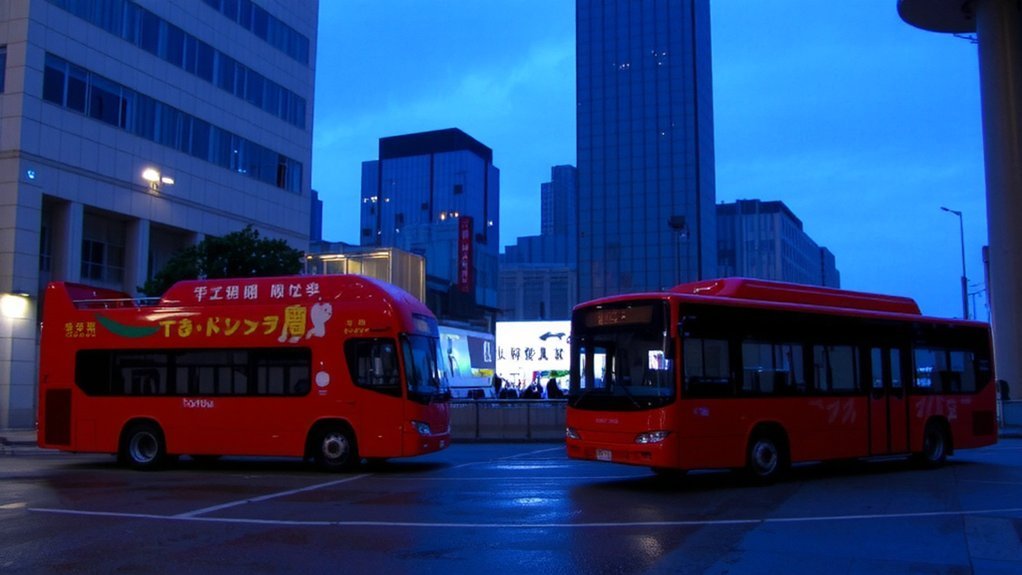
Value isn’t just a price tag, it’s what you actually get per hour on the road. You want freedom, not fine print, so compare total cost, not headline rates. Check what’s included: live guide quality, headset audio, Wi‑Fi, seat type, restroom breaks, and refund terms. Scan for hidden fees—ticketing surcharges, seasonal “peak” add‑ons, last‑minute booking bumps. Look for bundle deals that pair the tour with a museum entry, a river cruise, or a snack; if you’d buy those anyway, that’s real savings. Do the math: price divided by tour time, then adjust for extras you’ll actually use. Traveling with kids? Count child discounts. Short on time? Choose flexible tickets with easy rescheduling. And always screenshot the checkout page. Receipts remember; memories cost. Real money.
Route Coverage and Depth
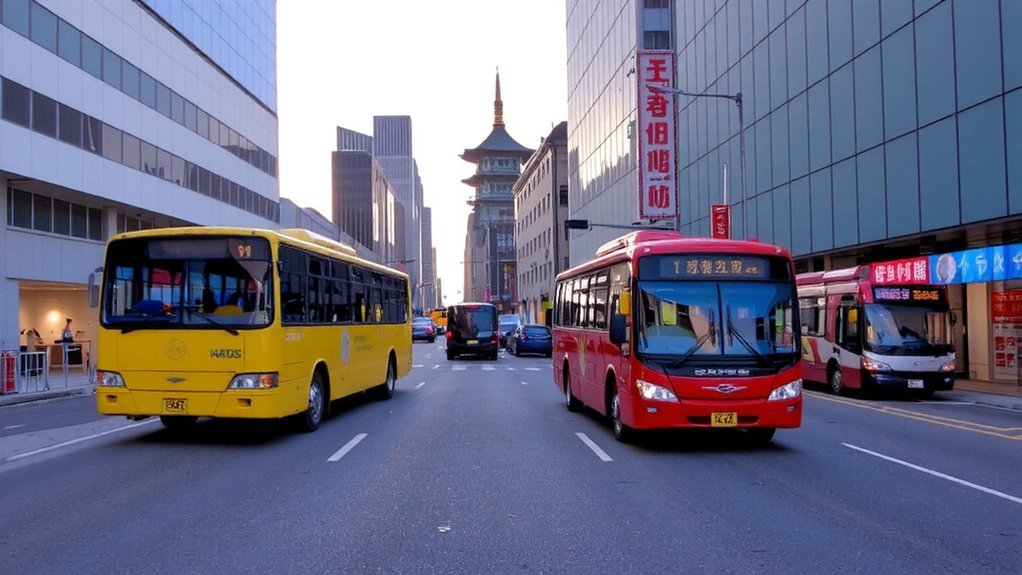
While price sets the stage, route coverage decides the show. You want reach, rhythm, and room to roam. Hato Bus maps classic spines—Imperial Palace, Asakusa, Odaiba—tight connections, fewer detours. City Tour Bus sprawls wider, with hop-on freedom across Shibuya, Ueno, and waterfront loops. Ask yourself: do you crave neighborhood granularity or a greatest-hits reel of cultural landmarks?
Here’s how to choose, fast:
- Chase icons? Pick the line that links shrines, towers, bridges in one clean arc.
- Crave side streets and coffee alleys? Go where stops stack close, block by block.
- Need flexibility? Favor loops with frequent pickups and late runs.
- Hate transfers? Choose routes that circle back, minimizing waits and zigzags.
Your map, your tempo, your Tokyo. Own it now.
Guide Quality, Commentary, and Language Support
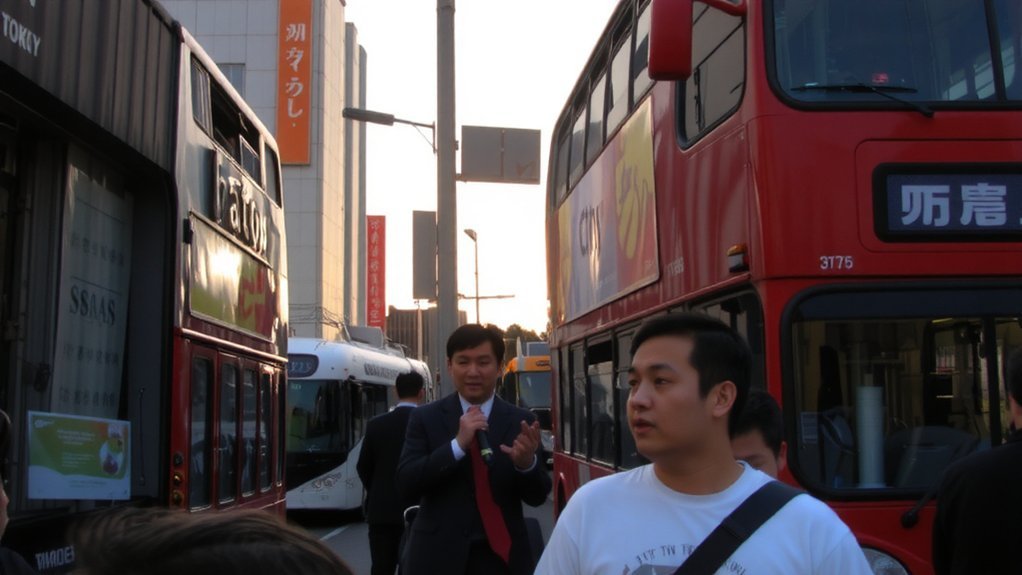
Routes set your path; now, who’s in your ear matters just as much. On Hato Bus, you usually get a trained, live guide—clear voice, quick wit, and real-time answers. They weave cultural insights into sights: shrine etiquette, festival backstories, why salarymen slurp ramen. Ask a question, get a thoughtful reply. City Tour Bus leans on headsets and multilingual guides via audio tracks—broad coverage, smooth delivery, but less banter, fewer follow-ups.
Crave nuance? Choose Hato when you want stories tied to the street you’re on, names you can remember, phrases you can try. Prefer autonomy? The City Tour narration is steady, discreet, and easy to pause mentally. Tip: check language availability, test audio at boarding, and sit near the guide for richer commentary when possible.
Flexibility, Schedules, and Timing
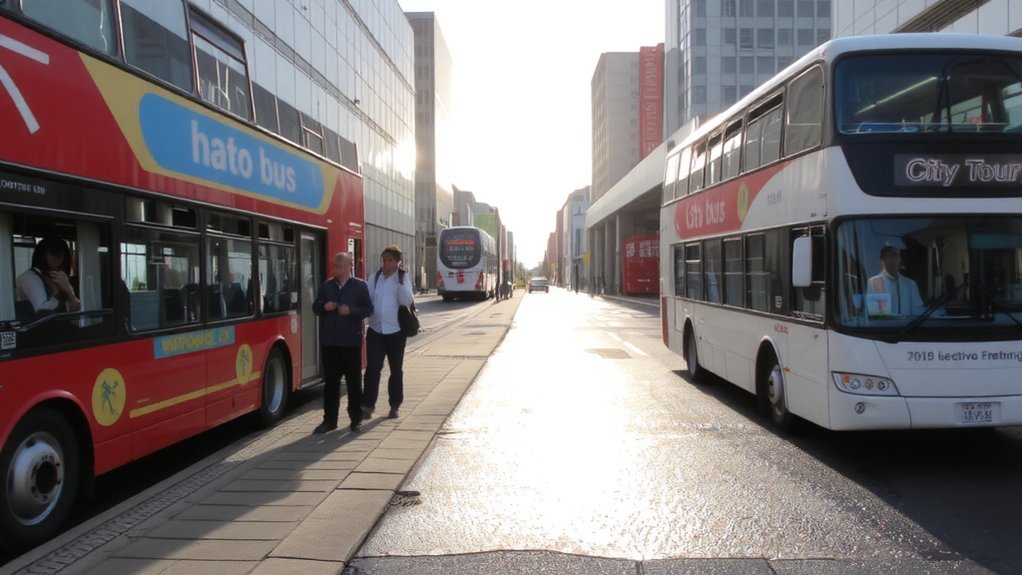
First, check how often buses leave: Hato Bus runs fixed departures a few times a day, while many city hop-on hop-off loops circulate every 15–30 minutes, with extra buses on busy routes. If you want freedom, hop off at Asakusa for tempura and jump back on later; with Hato’s set itinerary, you’re on the clock—breaks happen, but the bus waits for no one. So ask yourself: do you want a tight schedule that guarantees seats and timing, or rolling flexibility where you trade certainty for spontaneity—set an alarm, screenshot timetables, and plan one anchor stop per hour.
Departure Frequency Comparison
Often, the big split is simple: Hato Bus runs on fixed tour slots, City Tour Bus loops roll by frequently. You feel it in your clock. With Hato, departures lock to the timetable, so you commit; with City loops, the next bus shows soon, so you relax. Frequency comes from logistics: Fleet rotation, Driver staffing, and street conditions. Want control? Match your pace to their cadence.
- Hate waiting? City loops cut gaps to minutes, not hours.
- Crave certainty? Hato’s set times protect tight plans and dinner reservations.
- Running late? City frequency forgives slipups, and saves the day.
- Love structure? Hato rewards early birds with smooth check-ins.
Practical tip: check the first and last departures, then set alarms, not hopes. Traffic can stretch intervals, breathe.
Hop-on Hop-off Freedom
That rhythm matters when you want true hop-on hop-off freedom. With Hato Bus, you lock into set routes and timed stops, great for order, not for wandering. You’ll get commentary and cultural immersion, but you can’t linger at a shrine or chase street art down a side alley without losing the schedule. City Tour Bus passes, by contrast, let you bail and rejoin all day. Check the app, note headways, plan a loop, then improvise. Miss one? No panic—another arrives soon. Pro tip: start early, ride one full circuit to map your must-stops, then hop for food, photos, or a river detour. Night loops shine, too. Lights, breezes, open deck. Your time, your tempo, your Tokyo. Skip lines, dodge crowds, and squeeze in surprises.
Comfort, Seating, and Onboard Amenities
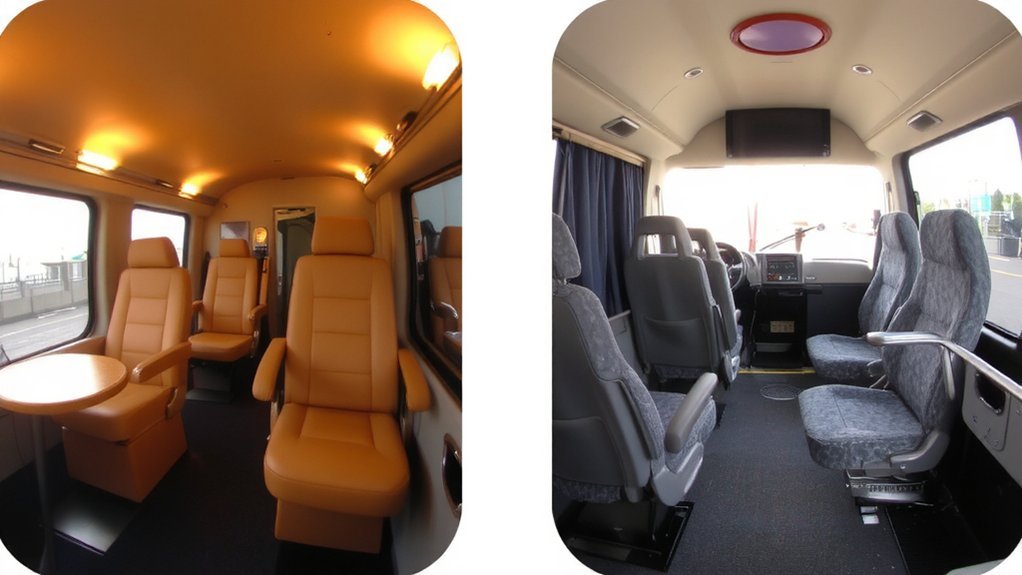
While both options will show you Tokyo, your body notices the difference fast. Hato Bus seats feel plush, spaced well, and often recline; City Tour Bus benches can be tighter, fine for quick loops, less kind on long rides. You’ll want climate control that actually works; Hato usually nails steady cooling and heat, while open-top city buses trade breeze for chill or scorch. Restrooms? Rare on city routes; Hato coaches sometimes include one. Power outlets and Wi‑Fi vary, so check before you board, freedom-lover.
- Soft seats, room for knees, and easy swivels—ahh.
- Reliable climate control, not a wind gamble.
- Clear audio guides, not tinny blasts.
- Wheelchair accessibility that’s real: lifts, anchors, and respectful space.
Bring water, a scarf, and curiosity.
Photo Stops, Access, and Seasonal Extras
Where do you actually get the shot? Hato Bus tends to secure closer curb access and timed stop windows at hotspots—Tokyo Tower, Asakusa, the Palace bridges—so you step down fast, frame, and move. City Tour Bus gives you flexible hop-on freedom; linger longer, or ride the open-top for skyline sweeps. For lighting considerations, book golden hour or night loops; Hato often schedules seasonal illumination runs, while City Tour layers blossom and foliage routes. Guides on Hato handle crowd management, staging small groups, even rotating vantage points; on City Tour, beat clusters by riding earlier, skipping noon, and walking one stop ahead. Sit left for Rainbow Bridge inbound, right for Skytree drifts. Pack a strap, lens hood, and patience. Selfie-sticks? Defensive driving. All day smiles.
Best Fit: First-Time Visitors Vs Repeat Travelers
If it’s your first time in Tokyo, you want the greatest hits—pick Hato Bus for curated highlights, timed entries, and a guide who keeps you on track. Been here before? Go City Tour Bus for flexibility: hop-on routes, longer stops in neighborhoods you care about, and freedom to chase ramen, vintage shops, or sunsets. Think checklist vs sandbox—choose the structure that matches your goals, your pace, and how much wandering you’re craving today.
First-Timers: Hato Highlights
Usually, Hato Bus wins for first-time visitors: it’s curated, efficient, and hits Tokyo’s greatest hits in one sweep. You glide from Senso-ji to the Imperial Palace, Shibuya’s scramble to Tokyo Tower, no guesswork, no transit puzzles. Guides handle tickets, timing, and language gaps, while you focus on wonder—and photos. You’ll also get quick primers on cultural etiquette, so you bow, queue, and temple-walk like a pro.
Here’s what you feel, mile by mile:
- Relief—clear routes, comfy seats, a plan that breathes.
- Awe—temples, neon, skyline arcs, all before lunch.
- Confidence—smart narration, small hacks, spot-on souvenir suggestions.
- Freedom—zero logistics, maximum energy left for dinner adventures.
Pack light, charge your phone, bring cash for charms, snacks, and that perfect maneki-neko. You’ve got this.
Repeat Travelers: City Flexibility
Trading structure for freedom pays off on your second or third Tokyo run. By now, you’ve seen the headline sights; you want wiggle room, quick pivots, and rabbit holes. That’s where the City Tour Bus wins for repeat travelers. Hop on for an overview, hop off for Micro adventures: a kissaten in Jimbocho, vintage arcades in Nakano, vinyl crates in Shimokitazawa.
Use the loop as your moving base. Ride two stops, jump out, wander ten blocks, reboard—no pressure. Stack Neighborhood explorations: Kiyosumi’s gardens, Kuramae’s makers, Ikebukuro’s anime lanes. Bring Suica for side detours on metro, then reconnect with the route.
Hato’s scripted timing still shines for language comfort, but you’ll trade spontaneity. Your call: schedule—or serendipity. Pick curiosity, chase corners, own your day, fully.
Conclusion
Choose Hato Bus when you want structure: plush seats, a bilingual guide, fixed routes, timed photo stops, and no guesswork. Choose City Tour Bus when you want freedom: open‑top views, loops, multilingual audio, and hop‑on flexibility. First timer? Book a morning Hato tour, reserve a bilingual slot, relax. Repeat visitor? Check weather, grab the HOHO pass, map three stops—Asakusa, Odaiba, Shibuya. Either way, time it for cherry blossoms or evening illuminations. Tokyo rewards commitment—and curiosity.