
You want Tokyo without the wallet drama. Grab a $70–$120 food walk in Shinjuku or Ueno, ride a full‑day city bus around the big sights for about $140, or snag a Mount Fuji coach seat for $58–$83. Kamakura day trips run $70–$110, and a private car from ~$100/4 hours saves your knees. I’ve tried the lot—simple routes, no ticket puzzles. Here’s how to pick the right one, hiccups and perks included.
Key Takeaways
- Shinjuku Night Bites food tour: $70–$120 for 3–5 cozy izakayas; great value and starter for Tokyo dining.
- Ueno Ramen Crawl: $90–$120 sampling shoyu, tonkotsu, and miso; learn ticket machines and toppings.
- Mount Fuji budget coach: $58–$83 day trip to Kawaguchiko and Chureito Pagoda; direct departures, no transfers.
- Kamakura guided day tours: $70–$110 covering Great Buddha, Hase‑dera, and seaside viewpoints; easy train guidance.
- Sumo experiences: $61–$77 demos (or $77–$102 with extras); book early and confirm inclusions.
Mount Fuji: Japan’s Most Iconic Day Trip

Even if you’ve only got a day to spare, Mount Fuji fits, and it fits clean: you hop on a comfy coach at Shinjuku or Tokyo Station, skip the train tangle, and spend about 10–11 hours chasing the mountain from the spots that actually show it off. You’ll roll past Kawaguchiko for mirror-lake views, climb steps to Chureito Pagoda for that postcard stack of pagoda and peak, and poke around Oshino Hakkai’s ponds, then swing to Hakone for the Ropeway, sulfur steam at Owakudani, a Lake Ashi cruise, and a walk to Hakone Shrine’s torii.
Go simple with a group bus, $150–$190, or snag a budget seat around $58–$83 if you don’t mind fewer bells. Want quiet? Book a private 10-hour ride with hotel pickup, roughly $300–$440 per group.
You’re sightseeing, not summiting, so Climbing Permits don’t matter today. Mind Photography Etiquette—don’t block paths, ask before shooting people.
Kamakura: Temples, Sea Breezes, and the Great Buddha
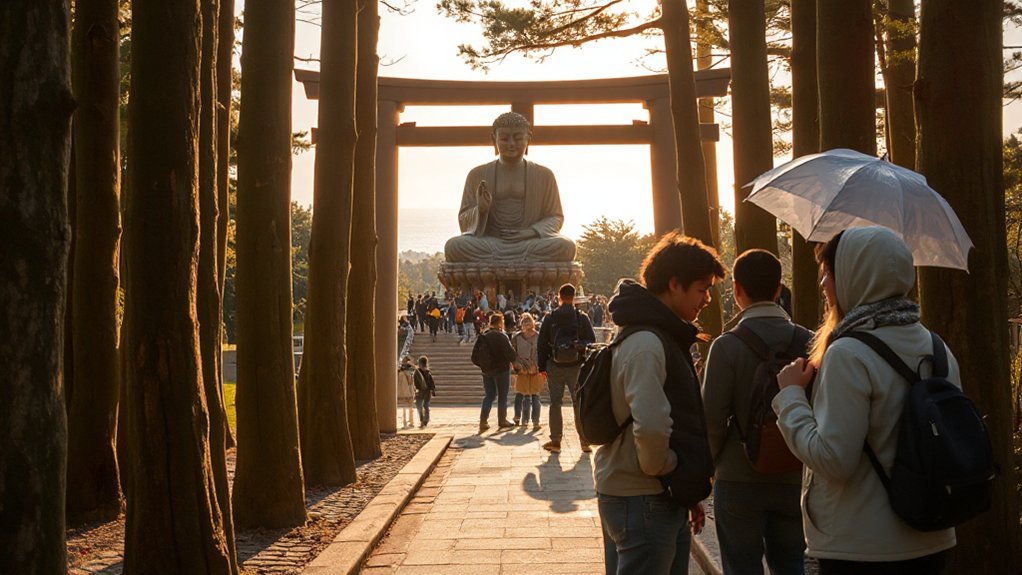
While Tokyo hums behind you, Kamakura slows the dial with salty air, old stone, and a bronze giant that doesn’t need a spotlight to impress. On a budget day tour ($70–$110), you’ll hop from the Great Buddha at Kōtoku‑in to Hase‑dera, then ride out toward breezy Enoshima. Guides keep the pace easy, point out hillside trails, and steer you to simple viewpoints where the sea and temple roofs line up just right. Come in Hydrangea season, June, and Hase‑dera turns blue and purple, like the town dressed up without trying. Private guides are worth it if trains worry you, since transfers can be fussy and timing matters, especially on short itineraries.
| Stop | Highlights |
|---|---|
| Kōtoku‑in (Great Buddha) | Quiet courtyard, giant bronze, clean angles |
| Hase‑dera Temple | Hill paths, ocean lookouts, Hydrangea season blooms |
| Enoshima Seaside | Salt wind, lighthouse views, mellow Surf culture |
| Forested Trails | Low climbs, shrine gates, pocket vistas |
Exploring Tokyo DisneySea
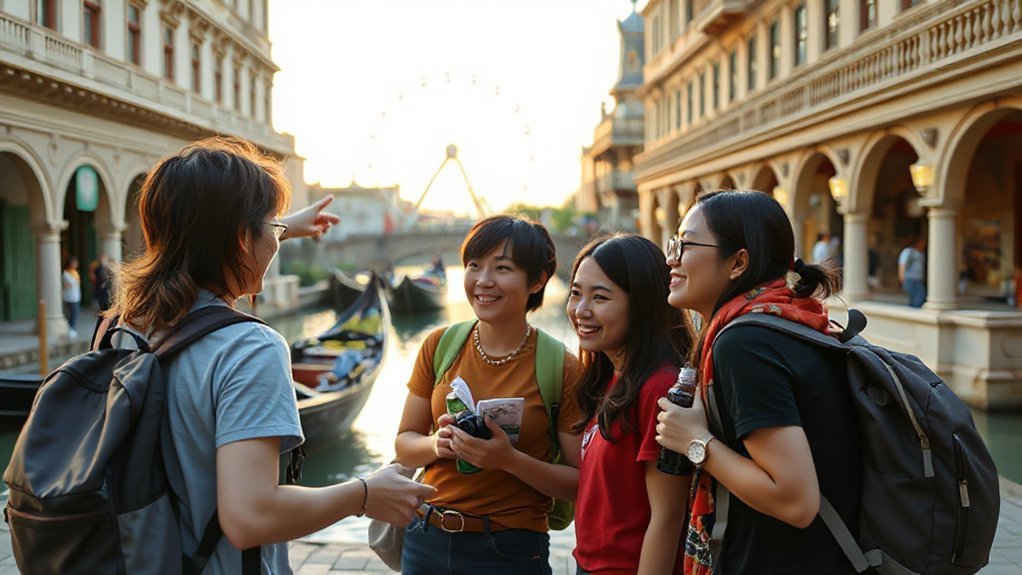
Since DisneySea runs on spectacle and little surprises, plan a full day if you can, or at least a long afternoon, and you’ll move with the flow instead of sprinting and missing the good stuff. You’ll find it suits families, couples, and Disney fans, with tickets about $75–$100 per person and really cheaper than U.S. parks. Set your Ride priorities early, then wander, and save time by bundling a single-day or partial-day tour with wider Tokyo stops.
- Hit the headliners: Journey to the Center of the Earth at Mysterious Island’s Mount Prometheus, Venetian gondolas at dusk, add Soaring if the line looks kind.
- Hidden gems: poke through Fortress Explorations, slip into Mediterranean Harbor alleys, and rest at the Teddy Roosevelt Lounge for a calm, fair-priced lunch.
- Money savers: mobile-order, split the gyoza dog, shop late, and let a guide wrangle trains and timing on busy days.
A Day Trip to Nikko
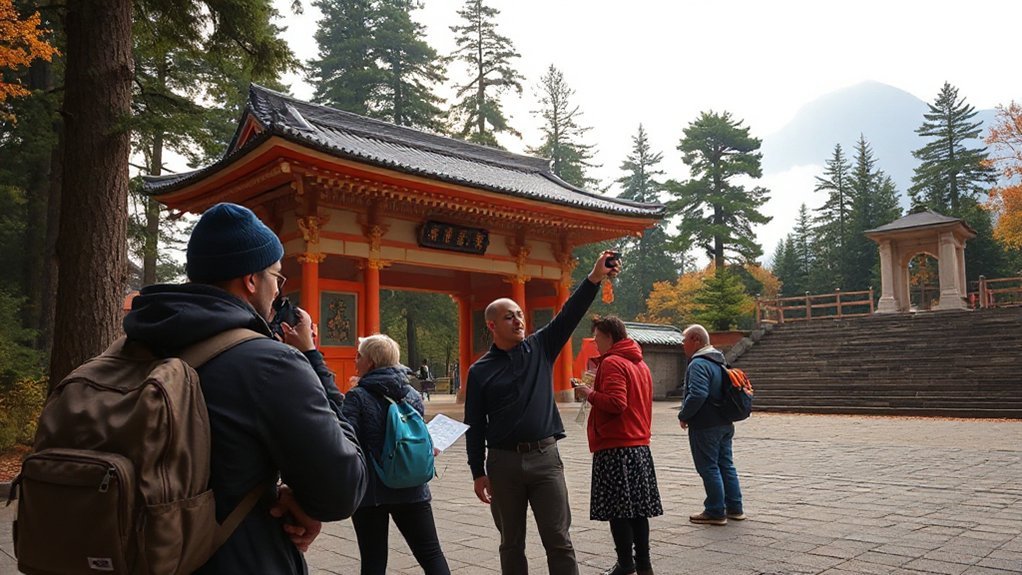
You start at Toshogu Shrine, where gold trim, carved gates, and those famous monkeys sit under tall cedar trees, and you feel like the air itself smells old and steady. Then you roll up to Kegon Falls, a 97‑meter drop that throws cool mist on your face, with an easy lookout up top and a simple elevator ride down if you want the spray and the rumble. Finish at Lake Chuzenji, where the water sits quiet under the mountains and you can stroll the shore or hop a small boat, and yes, bring a light jacket because the breeze doesn’t care what month it is.
Toshogu Shrine Highlights
Gold leaf catches the morning light at Toshogu Shrine in Nikko, and it tells you right away this isn’t a quiet little temple stop. This UNESCO-listed mausoleum to Tokugawa Ieyasu, finished in 1617, wears polychrome lacquer like a festival coat, and the Yomeimon carvings shout the Tokugawa legacy without a word. You walk in, and detail tugs at your sleeve.
- Stand at Yomeimon, the “Gate of the Sun,” and trace a few of its 500-plus carvings and leaves; you won’t finish today, and that’s fine.
- Spot Hidari Jingorō’s clever pair: the Three Wise Monkeys and the Sleeping Cat guarding a corridor.
- Step under the cedars and stone lanterns where bold color meets woods.
Guided day trips run $130, easy on planning.
Kegon Falls & Chuzenji
Water thunders off a cliff at Kegon Falls, a clean 97-meter drop straight from Lake Chuzenji’s outlet, and you can ride the elevator down to the observation platform to feel the spray on your sleeves if that’s your thing. For about $130, a typical guided day trip folds this stop with Toshogu Shrine and the Irohazaka switchbacks, so you cover a lot without fuss. Up at Lake Chuzenji, 1,269 meters high, the air stays cool and clear, and Mount Nantai sits right there like a guidepost. Try Lake boating or just walk the shore; both give steady views. Autumn is the sweet spot, leaves lighting the road and water. Hit the Observation platform, then head back smiling, pockets and schedule still in line today.
Food Tours Across Tokyo’s Neighborhoods
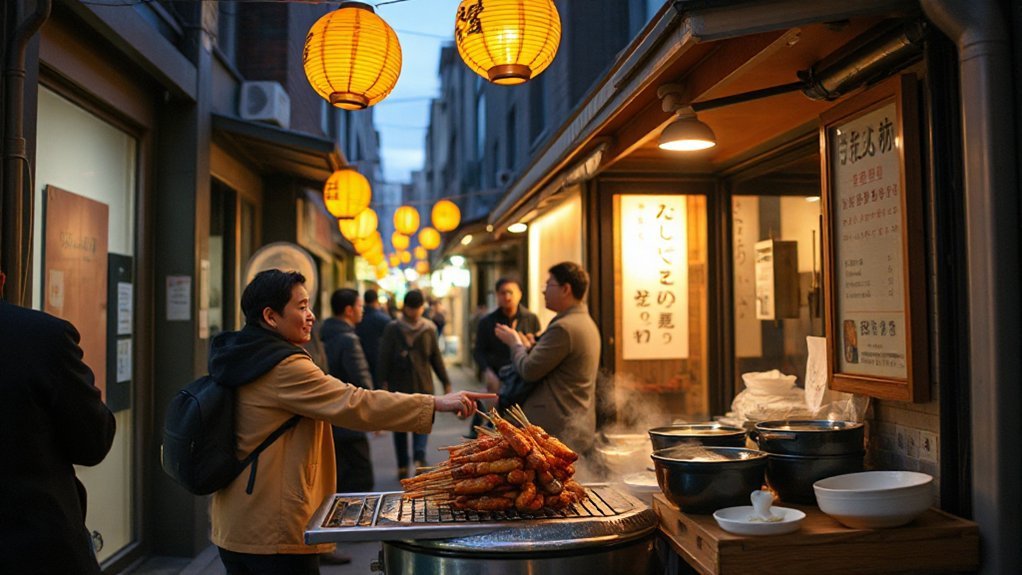
Start your night with Shinjuku Night Bites where a guide leads you through snug izakayas for skewers, wagyu tidbits, and a cold highball, the kind of Tokyo Bar Hopping or Night Foodie Tour that slips you into places you wouldn’t pick alone. Then hit a Ueno Ramen Crawl where you thread past market stalls into steamy little shops for rich tonkotsu or clean shoyu bowls and a tavern stop or two, all easy walking and big on local color. Do one early in your trip for about $90–$120, and you’ll learn simple ordering and manners, skip the menu guesswork, and feel set for the rest of the week—no hero moves needed.
Shinjuku Night Bites
After dark, Shinjuku turns into a neon pantry, and a guided night bites tour walks you straight into the good stuff without the guesswork. You slip into Hidden Alleys—Omoide Yokocho and Golden Gai—where tight stools and hissing grills greet you, and Izakaya Etiquette saves rookie stumbles. In 2–3 hours you hit 3–5 tiny joints for yakitori, ramen, and salty bar snacks, with a guide handling trains and those reservation-only doors. Sake or beer pairings come matched to the bites. Prices run about $90–$120, with leaner deals near $70.
- Try one skewer, then switch; you’ll taste more without overfilling.
- Watch locals order and toast; copy rhythm and you’ll fit in.
- Note spots you like and return solo; the tour knocks fear off.
Ueno Ramen Crawl
How do you taste Tokyo fast without getting lost in menus and ticket machines? Join a Ueno Ramen Crawl, and let a local lead you through Ameya Yokocho and the side streets where the steam hangs low and choices run wide. In 2–3 hours, you’ll sample shoyu, tonkotsu, miso, and a couple regional bowls, moving from a standing stall to a snug neighborhood shop and a friendly izakaya, so you see old-school and new in one sweep. Groups stay small, or you can go private, and the price runs about $90–$120 with plenty of tastings and straight talk.
It’s a smart early-trip move—learn ticket machines, portions, toppings, and simple manners, while watching Ramen craftsmanship up close. You’ll order better tomorrow, with less guesswork, happy.
Touring Tokyo’s Iconic Sites by Bus or Private Car
While you can crisscross Tokyo by train, a guided bus or a private car makes the big sights easier to string together in a day, no transfers, no guesswork. A full-day bus run (about 9–10 hours) hits Tokyo Skytree, the Imperial Palace, Asakusa, Meiji Jingu, and a Tokyo Bay cruise, averaging around $140 per person, fair when you want the day handled. Private cars fit small groups, run about 4 hours for ~$100 or 6 for ~$150, and give you door-to-door ease, and fewer stops at your pace.
Bus tours string Tokyo’s big sights; private cars trade structure for flexible, door-to-door ease.
1) Booking Strategies: compare what’s included, since some tours cover transport and guiding but skip admissions, and check pickup rules and group caps.
2) Accessibility Advice: buses mean more walking at each stop, while cars can drop you closer and cut stair time.
3) Simple chooser: want structure and volume, pick the bus; want flexibility and calm, take the car.
Sumo Shows and Hands-On Experiences
Ever wonder what it’s like to feel the floor thump when a wrestler stamps the ring and grins like he knows you’re hooked? In Shinjuku or Asakusa, you catch a 1.5–2 hour demo for $61–$77, learn Ring Etiquette, and see footwork shake dust. Experiences often add steaming chankonabe, souvenir photos, $77–$102.
| Feeling | Why it sticks |
|---|---|
| First stomp | Right in your ribs. |
| Salt toss | Clean start, clean spirit. |
| Warm pot | Simple, welcoming. |
| Grip drill | Power and grace, up close. |
| Bow-out | Quiet respect after thunder. |
Want the big stage? Sumo Tournament Tours run 4.5 hours with chair seats near $134. Seats tier to Standard, VIP, VVIP; challenger or priority spots land by lottery. Photo Opportunities with retired wrestlers and brief training score 4.6–4.9 and sell out, so book early.
Frequently Asked Questions
Are Tours Wheelchair-Accessible and Suitable for Strollers?
Yes, many tours are wheelchair-accessible and stroller-friendly, but you’ll need to confirm routes, elevator availability, and restroom accessibility. Ask about step-free transport, ramps, alleys, and guide assistance. Reserve accessible tickets early to guarantee proper accommodations.
Do Guides Offer Multilingual Commentary or Translation Devices?
Yes—like an orchestra with earpieces, you’ll hear multilingual commentary via headsets, apps, or guides using simultaneous interpretation; some tours arrange prebooked translators. Confirm languages, device availability, fees, and whether private groups or departures support needs.
What Is the Typical Group Size for Budget Tours?
You’ll typically find budget tours host about 8–20 travelers. Operators favor small groups for better pacing, but capacity limits vary by venue and transport. Book early, check caps, and confirm guide-to-guest ratios for comfort overall.
Are Tips Expected in Japan for Tour Guides?
Like a quiet bow, no, tips aren’t expected in Japan for tour guides. Follow Tipping etiquette: express thanks verbally or with a small gift. If you insist, match Cash preferences—discreet yen in an envelope, coins.
What Happens During Rain or Extreme Weather?
You’ll proceed with rain, but operators may shift schedules, add indoor stops, or shorten walks. In extreme weather, tours can cancel; you’ll receive itinerary adjustments or options per the refund policy, like rescheduling or refunds.