
Is it true Tokyo only clicks if you plan every minute? Not quite—you plan the bones, then let the city breathe. Land at Haneda if time matters, tap a Suica, load an eSIM, and sleep by a Yamanote stop. Split nights: Shinjuku’s buzz, Ueno’s calm. Forward your bag, carry cash, and hit Tsukiji at first light. Skip rush hour, book izakayas early. Here’s how to thread it, step by steady step.
Key Takeaways
- Check entry requirements, buy travel insurance, set up eSIM, download offline Maps/Translate, and bring Type A/B adapter for Japan’s 100V power.
- Land at Haneda for time savings or Narita for cheaper flights; use Suica, Narita Express/Skyliner or Haneda Monorail/Keikyu into Tokyo.
- Stay within 8 minutes of a major station, ideally on the Yamanote Line; consider a split stay between lively Shibuya/Shinjuku and quieter Ueno/Yoyogi.
- Carry some yen for cash-only spots; withdraw at Seven‑Eleven ATMs; tap to pay transit and shops with Suica or Welcome Suica.
- Plan mornings: Tsukiji by 7:45 AM, Meiji Shrine at 8 AM; reserve izakayas early; use Google Maps to avoid rush-hour trains.
What to Know Before You Go
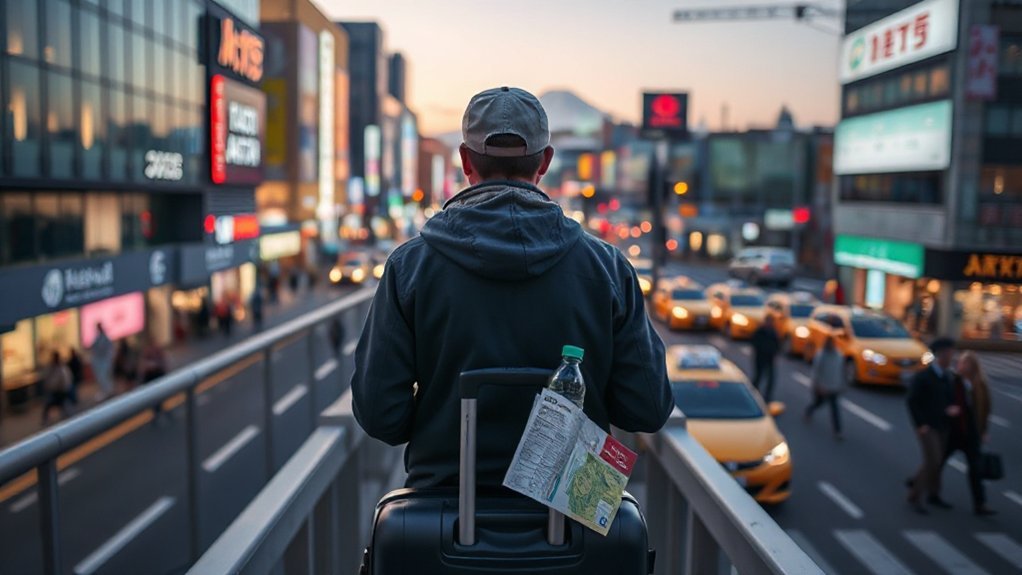
Before you even click “buy” on those flights, know a few nuts‑and‑bolts things that make Tokyo easy instead of exhausting. Check Entry requirements early, since visas and passports don’t bend to last‑minute plans, and grab Travel insurance because luggage and delays happen to careful people too. Pick your arrival airport with eyes open: Haneda saves time, Narita often saves money, so choose what you value most. If you’ll ride a lot beyond Tokyo, buy a JR Pass or exchange voucher before you fly. Load an eSIM, download offline Google Maps, and the Japanese Google Translate pack, so you can land and get moving smoothly.
Plan for payments the old and new way. Carry yen for ramen counters and shrine stalls, and use Seven‑Eleven ATMs for withdrawals. When you arrive, grab a Suica or Pasmo; the Welcome Suica skips the deposit, and that little card works everywhere you’ll tap.
Getting From the Airport and Around the City
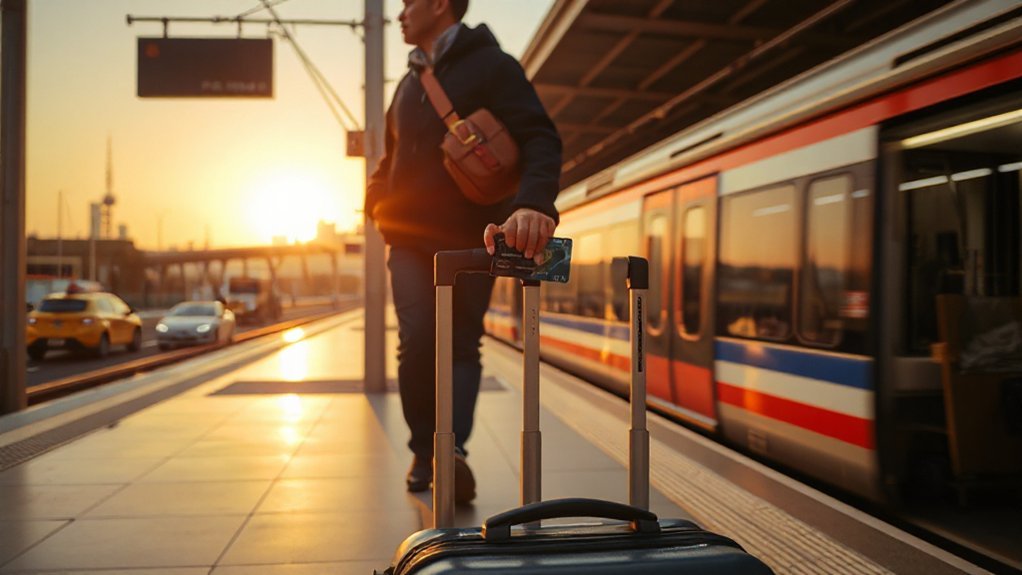
Landing in Tokyo is simple if you treat it like a small set of choices, not a maze. If you land at Haneda, hop on the Keikyu line or Tokyo Monorail and you’ll be in central Tokyo in about 20–40 minutes for roughly ¥500–¥600, which feels like cheating after a long flight. From Narita, book the Narita Express or Keisei Skyliner for a luggage‑friendly, reserved seat, about 50–70 minutes into big hubs, with fares around ¥2,570–¥3,070. Grab a Suica or Welcome Suica at the station, pay the ¥500 deposit on the physical card, and tap through JR, Metro, buses, and even shops without thinking. Pick up Mobile SIMs near arrivals, and note Luggage storage counters if you want to roam bag‑free. Use Google Maps, it tells you which car and exit to take, saving you epic walks in Shinjuku. Avoid rush hours, and pull cash at Seven‑Eleven ATMs.
Where to Stay in Tokyo
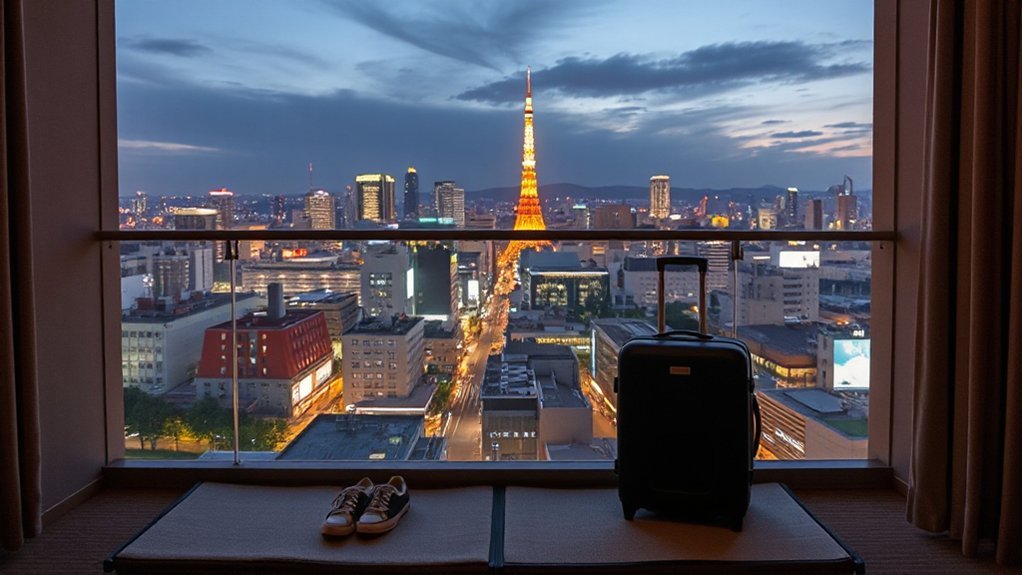
Pick a place that’s a short walk from a big station on the Yamanote Line, and your cross‑town runs shrink fast, turning hourlong zigzags into a few quick stops. To cut backtracking and see more, split your stay—do two or three nights in buzzy Shibuya (think JR‑East Hotel Mets Shibuya or Shibuya Granbell), then a few in calmer Ueno or by Yoyogi Park where the streets actually hush at night. You’ll get fresh neighborhoods without wasting time on trains, and the concierge can chase hard‑to‑book dinners while you rest in a small room you chose on purpose after checking the square footage.
Proximity to Transport
Even if Tokyo’s maze feels thrilling, you’ll save time and sanity by sleeping a short walk from a major station, because every minute you’re close to JR, Tokyo Metro, or Toei lines cuts down on transfers and backtracking. Pick places with solid Station Amenities and mind Noise Levels, since lockers and quiet streets make mornings easy and nights restful. Staying on the JR Yamanote Line keeps you in the thick, hopping to Shibuya or Akihabara without fussy connections. For calmer nights, the stretch between Higashi-Kitazawa and Yoyogi Park works, walkable to Yoyogi or Harajuku. For airports, Shinagawa is gold for Keikyu to Haneda; Tokyo or Shibuya make NEX simple.
- Walk under 8 minutes to rail.
- Verify station name and exit.
- Check first/last train times.
Split Stays Strategy
While one home base can do the job, you’ll squeeze more out of Tokyo by splitting your stay: a few nights in the buzz of Shibuya or Shinjuku for late trains, neon, and easy shopping, then a few in a quieter pocket like Ueno or the stretch between Higashi‑Kitazawa and Yoyogi Park where evenings exhale and you can hear your thoughts. Map your days first—call it Itinerary Syncing—so each hotel sits a few minutes from a Yamanote Line or Tokyo Metro stop. Send bags via Luggage Forwarding and walk free, it’s cheap and painless. Pick rooms by square footage and beds; Hotel Emit or Mustard Hotel for vibe, JR‑East Hotel Mets Shibuya or Shibuya Granbell for no‑drama comfort. Big shopper? Keep Tokyo for last.
Essential Tips for Food and Coffee
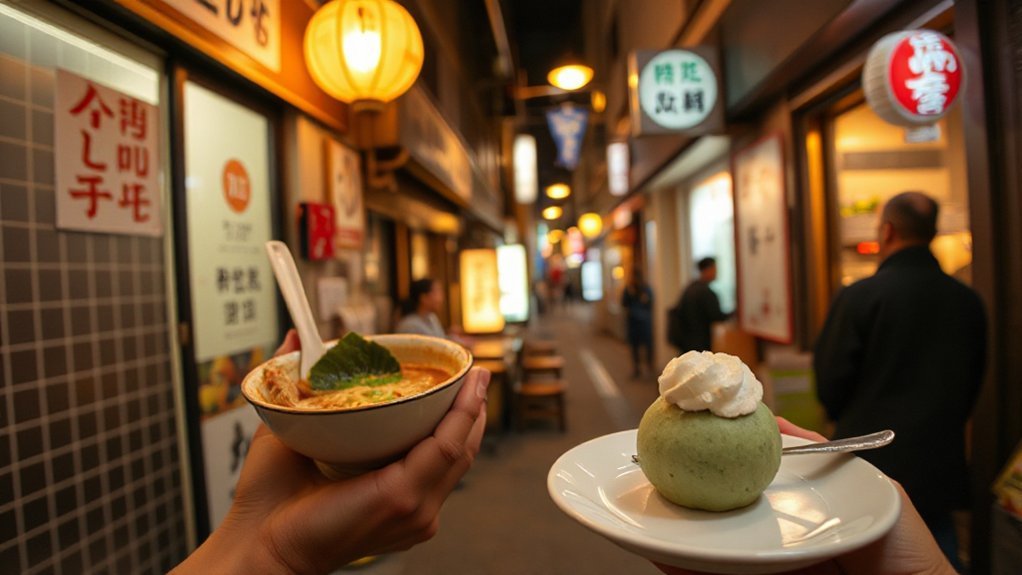
Chasing good bites and better coffee in Tokyo means planning a little and moving like a local, not a herd. Start with simple ordering etiquette—wait to be seated, point to the set you want, and mind those seasonal ingredients the chef is proud of. Book izakayas a month out; ask your hotel concierge to snag FUKU Yakitori or Kaikaya by the Sea. Carry yen—many ramen counters and shrine stalls are cash-only—and 7‑Eleven ATMs work best with foreign cards. Hit Tsukiji’s outer market by 7:30–8:00 AM for photos and first pick, same deal near temple stalls. Don’t skip tsukemen, a tuna breakfast at Tsukiji/Toyosu, yakitori, and the tonkatsu sandwich at Maison Tonkatsu.
Plan a little, move like a local: cash, early markets, yakitori, tsukemen, and coffee-fueled mornings.
- Reserve early, then relax; the good seats go fast.
- Pocket cash, swipe at 7‑Eleven, and keep moving.
- Map a café crawl: Onibus Nakameguro, Café Kitsuné, CAMELBACK, and JBS Record Bar for coffee with records.
Must-See Sights and Short Experiences

Start early for a calm Meiji Shrine walk, hit the gravel paths by 7:30–8:00, and you might spot a wedding party in white and black slipping past the tall torii near Yoyogi, which feels like you stumbled into a quiet old movie. Then catch Shibuya Crossing from the second‑floor Starbucks or up at Shibuya Sky, where the scramble looks like a living map and makes an easy time‑lapse you’ll actually watch again. For Tsukiji Market bites, stick to the outer market and grab tamago on a stick, a quick tuna bowl, or a grilled scallop, eat standing up, and keep moving.
Meiji Shrine Walk
Stepping under the giant wooden torii just five minutes from Harajuku Station, you slip off Tokyo’s busy street and into a cool, cedar-lined tunnel where the air smells like rain and gravel crunches under your shoes. Meiji Jingu’s Torii architecture feels simple and grand, and the 1920s forest hushes the city. Follow the gravel path past donated sake barrels and giant waraji, then pause at the water pavilion. Ladle water to rinse left hand, right hand, and mouth—don’t touch your lips—then head to the offering hall or write on Ema plaques. Simple, practical plan:
- Arrive 7:30–8:00 AM for quiet and weekend weddings.
- Walk the 2–3 km loop via Yoyogi Park, Takeshita Dori, and Omotesando.
- Wear comfy shoes; gravel eats flimsy soles.
Shibuya Crossing View
Neon, white crosswalk lines, and a timer you can feel in your shoes—Shibuya’s Scramble throws 2,500 to 3,000 people into motion on one green light, and you’re part of the tide before you know it. Stand in the flow once, hit record for time‑lapse, then step to Center Gai or Nonbei Yokocho for cool-down and Neon Reflections. Change angles after: grab a window at the second‑floor Starbucks in Tsutaya, then ride up to SHIBUYA SKY for Crowd Choreography. Best shots: 7:30–8:00 AM; frame Hachiko or billboards; fast shutter truly crisp, slow blur.
| View | Why it works |
|---|---|
| Street level | Feel the surge, best time-lapse. |
| Starbucks Tsutaya | Classic wide frame, easy sit. |
| SHIBUYA SKY | Skyline + crossing in one sweep. |
| Side lanes | Quiet contrast after the rush. |
Tsukiji Market Bites
Steam curls off scallop skewers as you slip into Tsukiji’s Outer Market around 7:45 AM, and the scene wakes up fast—fishmongers calling, knives flashing, and breakfast sushi sliding over a counter like it’s no big deal. The inner wholesale action moved to Toyosu, but this lane maze rules for quick bites. Arrive early, grab a Standing Sushi spot, and order an Uni Donburi before the good stuff’s gone.
1) Hit a tamagoyaki stand, then a grill for buttery scallops, and watch a knife shop demo that’ll make you mind your fingers.
2) Queue for Sushi Dai or Daiwa if you’ve got 1–2 hours; otherwise pick shorter lines and keep moving.
3) Bring cash, eat at counters, and wrap by 2 pm; many close Sundays.
Booking Checklist and Practical Tools
While the trip itch is fresh and you’ve got a cup of something handy, tick through this simple Tokyo booking stack so the rest feels easy and calm. Start with flights on Skyscanner, lock a hotel on Booking.com, then sort payment methods (Suica for taps, a little cash for ramen joints) and adapter recommendations (Japan uses Type A/B, 100V), so your gear and bills behave.
| Do this | Tool I trust |
|---|---|
| Compare fares | Skyscanner |
| Reserve stays | Booking.com |
| Airport ride | Welcome Pickups |
| Luggage forward | Yamato Ta‑q‑bin |
| Data on arrival | Airalo eSIM or airport SIM |
If you’ll ride shinkansen beyond Tokyo, pre-purchase a JR Rail Pass; otherwise use Suica or Welcome Suica (tourist, no deposit). Download Google Maps offline and the Google Translate Japanese pack. Buy travel insurance with medical, theft, and cancellation. Renting a car? Use Discover Cars, choose full coverage, favor Alamo, Hertz, Sixt.
Frequently Asked Questions
Is It Okay to Enter Onsens if I Have Tattoos?
Like waves meeting rocks, you’ll find some onsens will accept tattoos, but you must check tattoo policies. Choose facilities welcoming ink, use cover stickers, or book private rentals. Call first, stay respectful, follow posted rules.
How Accessible Is Tokyo for Wheelchair Users and Strollers?
Tokyo’s broadly accessible for wheelchairs and strollers. You’ll find elevators, tactile paving, and signage. Stations post step free routes; many attractions offer ramps and accessible restrooms. Use apps, avoid rush hours, and contact venues ahead.
What’s the Etiquette for Taking Photos in Shrines and Temples?
You can photograph discreetly, but check signs. Don’t photograph areas, ceremonies, or worshippers. Practice Flash Etiquette: turn it off. Ask people’s permission. Silence, step away, and prioritize Offering Respect by bowing, donating, finishing photos quickly.
How Safe Is Tokyo at Night for Solo Travelers?
Tokyo’s safe at night for solo travelers. You’ll walk confidently, but stay alert. Check Neighborhood safety, avoid dark alleys, and stick to lively areas. Use Night transport—trains, taxis—track last departures, share routes, trust instincts too.
How Do I Handle Earthquake or Typhoon Alerts While Visiting?
Follow official alerts on NHK and Japan’s Emergency Warning System. Move to higher ground or duck, cover, and hold. Note Shelter locations, keep Communication plans ready, charge devices, download disaster apps, obey staff, don’t linger.