
If you want the best English-speaking guide in Tokyo, don’t gamble—pick someone licensed, reviewed, and clear about price and what’s included, like subway fares and temple tickets. Look for a real profile, sample itinerary, and steady replies (ghosting is a bad sign). Ask about Asakusa, Shibuya, and pacing, especially if stairs or sushi aren’t your thing. You’ll save time, money, and blisters—and here’s how to spot the keepers.
Key Takeaways
- Prioritize NGGI licensed guides; request written confirmation your tour will be led by a licensed Guide-Interpreter.
- Find guides via licensed associations (Japan Federation, True Japan, GoWithGuide) and marketplaces showing profiles, specialties, NGGI badges, and pricing.
- Vet profiles: review count plus rating, language level, specialties matching itinerary, clear inclusions/exclusions, dates, and group size limits.
- Typical full-day private guide costs about ¥40,000; confirm transport, admissions, and out-of-Tokyo surcharges are extra.
- Book 3 days to a month ahead; message guides to customize, verify availability, meeting point, payment methods, cancellations, and emergency preparedness.
What to Look For in an English-Speaking Tokyo Guide
How do you pick an English-speaking Tokyo guide without getting lost in the crowd? Start by favoring a National Government Licensed Guide Interpreter, because passing that exam means your guide knows the lay of the land and the rules, and that steadies a day fast. Scan ratings like scuff marks on boots: Kaneo U. 4.99/5 with 75 reviews, Grant A. 4.97/5 with 120, Ritsuko K. 5.00/5 with 134, steady hands all around. Match specialties to your plan—Kaneo for Hakone, Kamakura, or Yokohama, Grant for castle and shrine history across all 47 prefectures, Chiaki K. for architecture and tea ceremony—and ask about their Storytelling style so the streets breathe. Confirm basics up front: English level or JLPT (Grant’s N2), a clear price (around 40,000 yen for a full day), what’s included, and dates. Look for tailored itineraries, food or anime detours, accessibility care, and Emergency preparedness, just in case.
Where to Find and Contact Private Guides Online
Start with licensed guide associations that keep things straight, like the Japan Federation of Certified Guides, True Japan, GoWithGuide, and Japan Wonder Travel, where you can request a National Government Licensed Guide Interpreter in English or nine other languages and know you’re getting the real deal. Then check major marketplaces such as ToursByLocals (you’ll see 479 Tokyo tours), or Tokyo Private Tour Guides, where you can spot prices like a full day around 40,000 yen, peek at profiles like Kaneo U. or Grant A., and look for the “National Government Licensed Guide Interpreter” badge before you hit Message. If you want a custom or multi-day plan, contact the guide through the platform’s Message or booking buttons and do it 3 days to a month ahead, since most will tailor the trip and your odds are better when you don’t ask the night before.
Licensed Guide Associations
When you’re ready to hire a pro who knows Tokyo’s backstreets and the big sights, you can head straight to the source: licensed guide associations that list real, vetted guides you can contact online. Start with the Japan Federation of Certified Guides, which lets you request National Government Licensed Guide Interpreters across Japan, and check its association history and membership benefits so you know who’s standing behind your guide. For Tokyo, you can search Japan Wonder Travel and the Japan Guide Association for English-speaking, government-licensed pros with contact buttons. True Japan and GoWithGuide run nationwide listings. Don’t skip the regional crews—Kansai, Hiroshima, and Kyushu groups keep directories. There are 1,000 licensed guides in up to ten languages, so always confirm availability and language first.
Major Tour Marketplaces
Curious where to actually find a solid English‑speaking guide in Tokyo without wading through a maze? Start with marketplaces. ToursByLocals lists 479 Tokyo tours, with full‑day prices around $364–$475, and you can message guides to tweak plans. GoWithGuide and Japan Wonder Travel/True Japan match you with locals. Profiles show ratings (many 4.9–5.0) and specialties. National directories list 1,000 licensed guides. Check booking windows—months out to three days—and confirm languages. Look for Marketplace partnerships and Mobile apps; they make changes easier when rain shows up.
| Tip | Why |
|---|---|
| Read recent reviews | Dozens to hundreds show consistency |
| Verify license | NGGIs know rules and fees |
| Compare pricing | ~40,000 yen is common for full days |
| Message first | Test response time and ideas |
| Pin availability | Lock date and language early |
How to Compare Pricing, Availability, and Reviews
How do you tell a fair deal from a shiny mirage? Start by lining up apples to apples, and mind review recency and demand seasonality, because peak seasons really push prices up. A full-day private tour in Tokyo runs about 40,000 yen for 8 hours, and marketplace listings land around $360–$475 depending on length and inclusions, you’ve got a yardstick. Check what’s included: some guides quote only their time, then add transport and admission, and if you head outside Tokyo, that 40,000 yen is plus transportation.
Now weigh trust. Pair ratings with review counts: a 5.00 with 134 reviews (Ritsuko K.) or a 4.99 with 75 (Kaneo U.) beats a perfect score from five people, nice as they are. Scan platform reputation too—4.90/5 across “Tokyo Private Tour Guides” with 479 tours. Finally, confirm availability windows—from about a month to three days—and lead time; nothing’s real until it’s confirmed.
Questions to Ask About Customization, Transit, and Pacing
Start by asking if the guide is a National Government Licensed Guide Interpreter and if they’ll shape an 8‑hour day around your musts—anime shops, quiet gardens, or noodle stops—and tell you the rate up front. Then sort out how you’ll move—JR, subway, a lot of walking, or a private car—and who pays for train fares, tickets, or parking, since costs can stack up fast once you head outside Tokyo. Finally, pin down the pace and breaks—Tokyo looks flat until your feet say otherwise—so ask about earlier summer starts, shaded routes, and tweaks for bad knees, strollers, or a vegan in the group.
Itinerary Customization Options
When you talk customization with an English-speaking guide in Tokyo, ask the nuts-and-bolts first so you know what you’re buying and why it costs what it costs, not after your feet are sore. Start with hours and money: do they offer half-days or full-days, and what’s a number? For example, Grant A. lists a full-day 8-hour rate of ¥40,000, and a full-day outside Tokyo at ¥40,000 plus transportation. Then press on Theme flexibility: can they build food, anime, or architecture days, or stitch a multi-day plan so Tuesday doesn’t step on Wednesday. Ask for Surprise experiences, not gimmicks. Set pacing early, especially July 1–Sept 30 when guides shorten exposure and shift start times. Confirm meeting point, group size caps, and accessibility or dietary needs.
Transit and Transfers
Where will your day actually happen—in the train car or on the sidewalk—and what does that choice do to your legs and your wallet? Ask straight out: are we riding JR and subways, hailing taxis, or booking a private car? Some guides quote 40,000 JPY for 8 hours, but transport and admissions sit outside that number, so pin down what’s included. If a car is used, confirm any extra for out‑of‑Tokyo legs. Get estimated transit times between stops and a sample route—walking‑heavy vs rail‑linked—so you’re not shocked by long, sunny stretches. For trains, check Platform signage, transfer counts, and basic Train etiquette. For airport days, confirm pick‑up points, luggage handling, and buffer time for traffic or timetables; missed flights aren’t fun. Plan it early.
Walking Pace & Breaks
Often, the day rises or falls on pace, not sights, so ask your guide straight up how many hours and kilometers you’ll walk—half-days run about 4 hours, full days closer to 7–8—and make sure that matches your legs, not your wish list. Then pin down breaks: how often and where, with summer routes (July 1–Sept 30) tuned for heat, plus shade planning and water stops. Ask for hydration strategies: convenience-store bottle runs, café pauses, refillable bottles, and whether they recommend a parasol or hat. Clarify transit between sights—JR or subway for long hops, or private car with fees. Choose your tempo: relaxed with coffee, or brisk highlights-only, with photo stops counted. Share accessibility needs and group size so they set rests and pace.
Sample Tours and Day Trips (Asakusa, Shibuya, Nikko, Hakone)
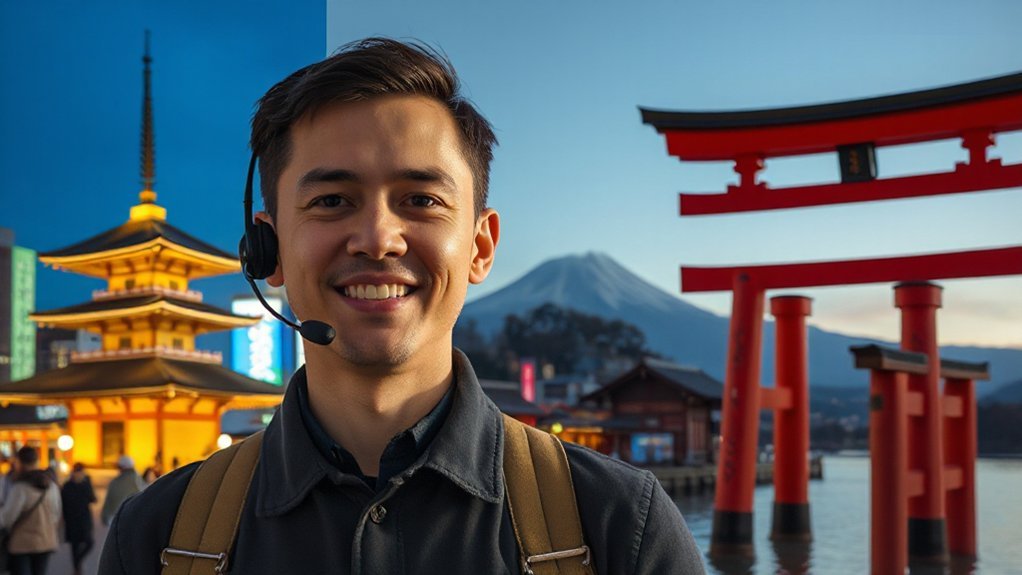
Kick off your Tokyo days with simple, well-worn routes that show you the good stuff without fuss, then branch out as you get your bearings. Start in Asakusa: loop Senso-ji, the big lantern gate, and Nakamise-dori for grab-and-go snacks, then duck a block to hidden temples the tour buses miss. Thread back to the Sumida for scenic viewpoints, breathe the river air, and watch boats slide past.
Shift to Shibuya for 4–6 hours: ride the Crossing with the crowd, see Hachiko, wander Harajuku’s youth streets, then reset in Meiji Jingu’s quiet, a modern-to-traditional flip. For a day out, Nikko is all Toshogu’s carvings, the red Shinkyo Bridge, and a cedar-lined approach. Hakone fills eight hours with an onsen town stroll, a Lake Ashi cruise with maybe Fuji, Owakudani’s steam, and outdoor art. Plan about 40,000 yen for an eight-hour English-speaking guide; transport and tickets are extra.
Licensed vs. Independent Guides: Credentials and Fit
Though both can show you a great day, licensed and independent guides play different roles, and knowing which fits you saves time and money. Pick based on needs.
- If you want certified depth, pick a National Government Licensed Guide Interpreter. They’ve passed a national exam, can explain shrines and museums in detail, and work in about 10 languages like English, Chinese, Korean, French, German, Spanish, Italian, Portuguese, Russian, and Thai.
- Need flexible, personal pacing? Independent guides shine. Many run solo or through match‑making sites, and seasoned pros often charge around 40,000 yen for an eight‑hour day.
- Risk and recourse matter. Ask about Liability insurance and Complaint handling. Associations list roughly 1,000 licensed guides and set clear standards; independents vary, so verify.
- Fit beats fame. Check credentials and reviews, match language and vibe to your plans, and you’ll get a guide who feels like a smart friend in Tokyo.
Booking, Payments, and Cancellation Tips
When you’re ready to lock in a guide, move early and save yourself the scramble, because booking a month out is smart even if some routes still take reservations from a month to as little as three days before the tour. Put it in writing that a National Government Licensed Guide Interpreter will lead you, or you might meet a surprise stand‑in. Ask for a clear price sheet: Grant A. runs a full‑day private tour at 40,000 yen, and outside Tokyo it’s 40,000 yen plus transport. Confirm currency and payment—some routes take yen only, others accept cards.
Scan cancellation rules and refund timelines, and note summer schedule shifts. If plans wobble, travel insurance can soften the blow.
| Feeling | Risk | Fix |
|---|---|---|
| Hopeful | Guide not licensed | Get written confirmation |
| Curious | Price creeps | Demand a breakdown |
| Rushed | Yen/card mix-ups | Verify payment before day one |
You’ll rest easier tonight.
Frequently Asked Questions
Do Guides Accommodate Wheelchairs, Strollers, or Mobility Aids at Attractions?
Yes, most guides accommodate wheelchairs, strollers, and mobility aids. You should confirm Accessible routes, step-free entries, elevator access, and accessible restrooms. Ask them to arrange Equipment rentals, accessible transport, and adjust pacing, meeting points accordingly.
Are Tours Suitable for Kids or Multigenerational Families?
Yes—like a shared storybook adventure, you’ll find tours tailored for multigenerational families, with age appropriate activities, family friendly pacing, stroller-friendly routes, and engaging guides who balance curiosity and comfort so grandparents, parents, and kids enjoy.
Can Guides Handle Food Allergies and Arrange Safe Dining Stops?
Yes, guides can handle food allergies and arrange safe dining stops. You’ll share restrictions; they perform menu verification, provide allergy translation cards, and monitor cross-contamination. You’ll have vetted eateries and backup plans if issues arise.
What Tipping Etiquette Applies for Private Guides in Tokyo?
After a stellar day tour, you quietly hand ¥5,000 in an envelope. You follow Japan’s tipping customs: tipping isn’t expected, but appreciated for private guides. Use proper cash etiquette—crisp bills, two hands, note of thanks.
How Do Guides Adjust Plans for Rain, Heat, or Typhoon Warnings?
You’ll see guides pivot: switch to indoor alternatives like museums and covered arcades for rain, start earlier for heat with shaded routes and breaks, and follow typhoon emergency protocols—monitor alerts, reroute or cancel, prioritize shelter.