
Cedar-scented soy vats to gleaming Nissan engines—near Tokyo, you can tour them all. You’ll taste at Kirin Yokohama or Suntory Musashino, watch Kikkoman’s fermenters, mold Meiji chocolate, sip Sawanoi sake by a river, and try Edo Kiriko glass cutting. Book weekends early, wear closed shoes, bring ID, and pair sites on the same line for a smooth day. Curious which routes, time slots, and tastings to target first?
Kikkoman Soy Sauce Factory, Noda
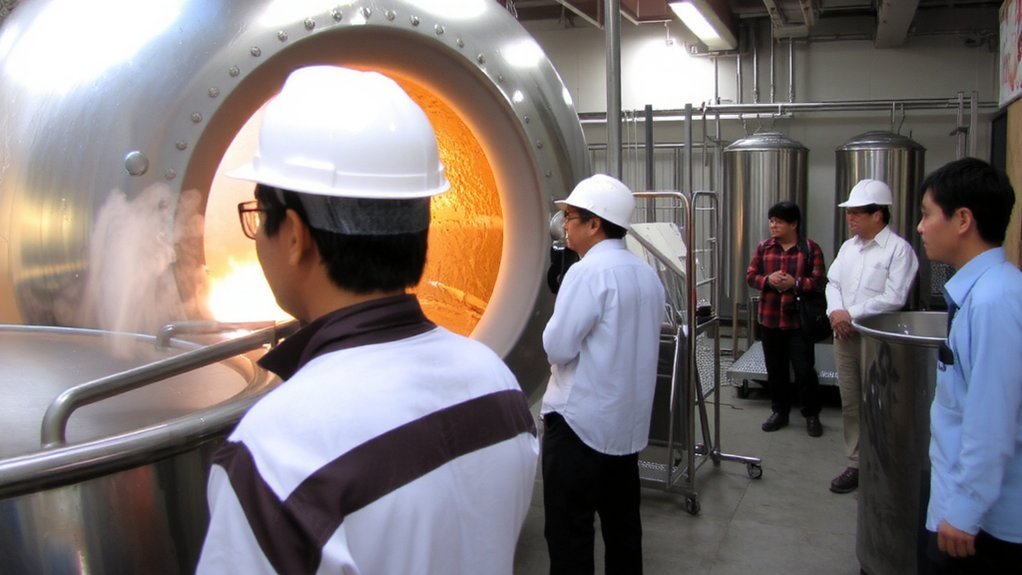
Steam, cedar, and the sweet-salty edge of soy—at Kikkoman’s Soy Sauce Factory in Noda, you don’t just learn how shoyu is made, you feel it. You walk past cedar vats where koji works slowly, and guides break down Umami Chemistry in plain terms: enzymes release amino acids, time deepens flavor, patience wins. You sniff raw moromi, compare color against glass, then taste a drop—salty, round, strangely alive. Want agency? Book the free tour, pick an English slot, arrive early; phones are fine for photos, pockets for samples. You’ll see bottling lines snap into rhythm, small triumphs of Packaging Innovations that keep aroma sealed and waste down. Before you leave, snag recipe cards, then plan dinner. Stir-fry, rice bowl, quick marinade? Yes. Do it tonight.
Kirin Beer Yokohama Brewery Tour
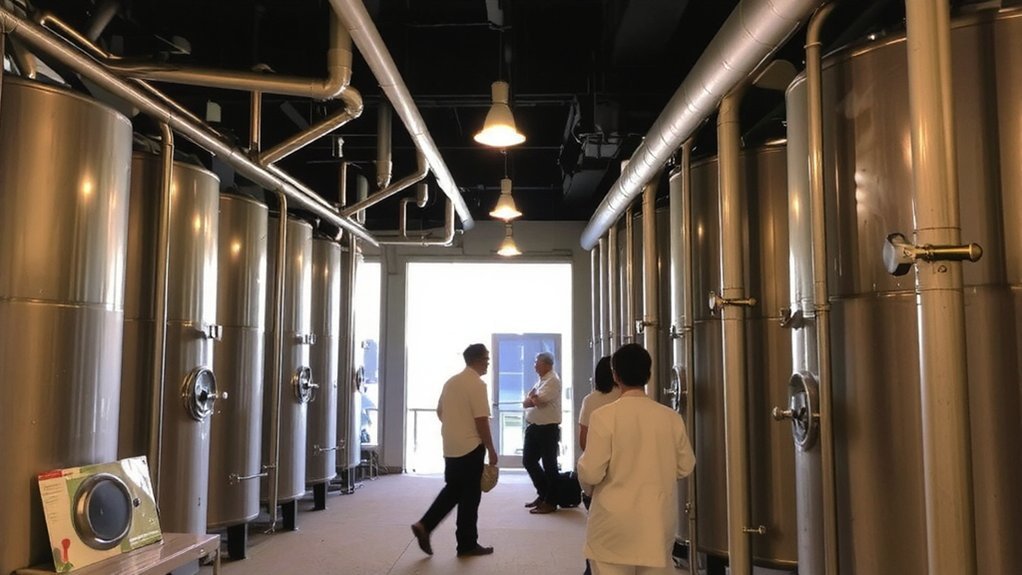
How does a beer go from barley to that crisp first sip? At Kirin Beer Yokohama Brewery, you trace the journey, grain to glass, with mash tuns humming and copper kettles gleaming. You’ll touch malt, smell hops, and watch the whirlpool send wort spinning. Guides move fast, but you won’t miss a beat. Sip fresh Ichiban Shibori at the end—clean, bright, deserved.
Between sips, wander for architectural highlights, clever brick-and-glass angles made for roaming spirits and sharp lenses. Time your visit late afternoon; golden hour flatters steel and foam, and yes, your grin, and the bay skyline, too.
- Pre-book a free tour slot online; weekend spots vanish.
- Arrive early for lobby photography spots.
- Wear closed-toe shoes; stairs appear.
- Budget 90 minutes, plus tasting. Cheers
Suntory Musashino Brewery, Fuchu
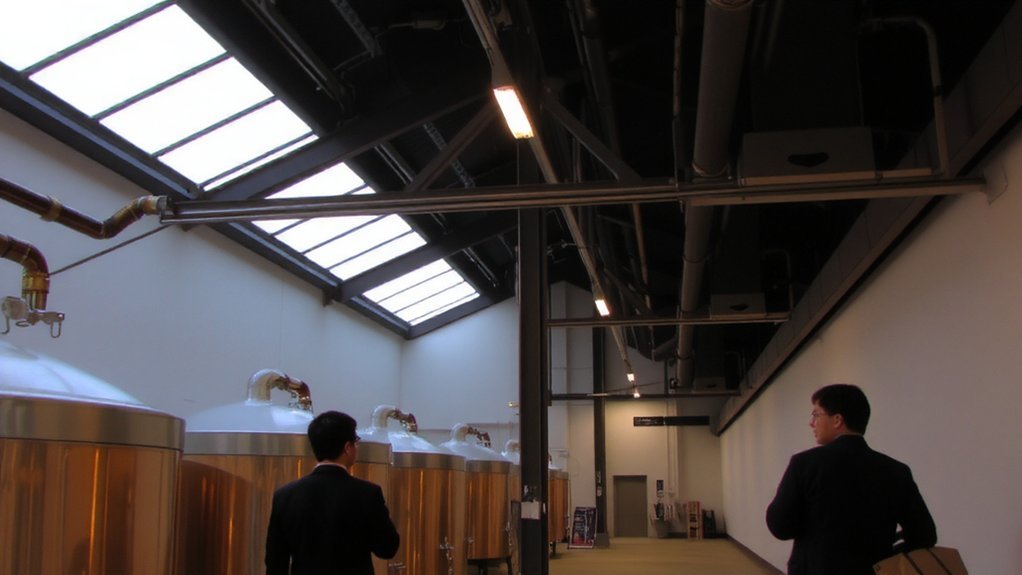
At Suntory’s Musashino Brewery in Fuchu, you’ll walk a tight, well-paced brewing process tour—malt to mash, kettle to fermentation, filtration to fresh canning—smelling hops, feeling heat, watching spotless lines run. Then you’ll sit for a guided beer tasting session, often The Premium Malt’s and limited brews, learning aroma, foam control, small sips, water resets—yes, snacks help. Book ahead, bring ID (20+ to taste), expect about 70–90 minutes, and aim for Fuchu-Hommachi Station for easy access, with a free shuttle when it’s operating.
Brewing Process Tour
From grain to glass, you’ll trace every step of beer’s journey on the Brewing Process Tour at Suntory’s Musashino Brewery in Fuchu. You’ll step into the malt room, crush kernels, and feel warm mash steam rise. Guides walk you past lauter tuns, gleaming kettles, and that sweet, bready air. You’ll see wort sanitation in action, valves hissing, sensors blinking, no shortcuts. Then, into fermentation, where stainless tanks hum, and yeast propagation keeps cultures healthy, consistent, alive. You’ll track cooling, filtration, and packaging lines that sprint like clockwork. Ask questions, snap photos, keep moving—this is a working floor, not a museum. Practical, precise, and a little rock ’n’ roll. You’ll love it.
- Mash conversion timelines
- Hop dosing schedules
- CIP and safety protocols
- Packaging QA checkpoints
Beer Tasting Session
Sipping fresh pours where they’re born sets the tone—this tasting is the payoff for the tour. At Suntory Musashino Brewery in Fuchu, you slide into the tasting hall, breathe in malt and citrus, and get flight glasses, cold and clear. Start smart: Glass etiquette matters. Hold the stem, don’t warm the beer, watch the bubbles climb. First sip, small; second, honest; third, decide. Compare pilsner snap to the richer malt of Premium Malt’s. Reset with water. Hungry? Try Food pairing like karaage, salted edamame, or sharp cheddar; note how fat softens bitterness, how salt lifts aroma. Ask staff for seasonal pours, they’re generous with tips. Finish with your favorite, buy a take-home voucher, and step out grinning. Freedom in a glass, crisp and earned.
Meiji Chocolate Factory, Saitama
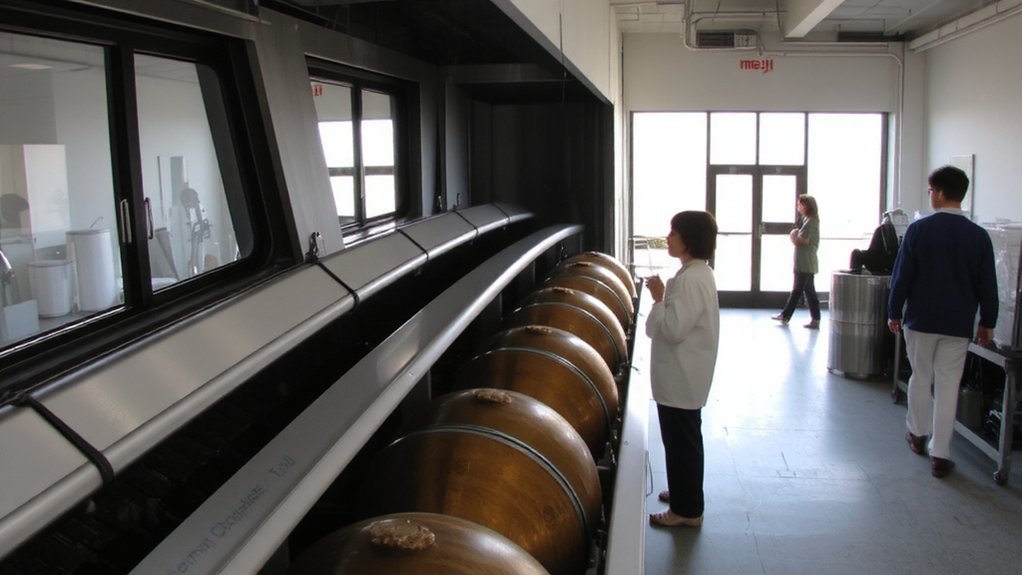
Conveyor belts and a warm cocoa smell greet you at Meiji’s Chocolate Factory in Saitama, an easy day trip from Tokyo. You trace chocolate history from bean to bar, then lean in close—machines temper, enrobe, and wrap at speed. Guides keep it lively, you keep moving, and yes, you taste. Book ahead; tours fill fast. Arrive 15 minutes early, stash big bags, and follow the floor arrows. The interactive displays invite you to grind nibs, test aroma notes, and compare cacao origins. Kids cheer, adults learn, everyone leaves smiling—pockets full of ideas, not samples.
- How to get there: JR Saikyō/Keihin-Tōhoku to Saitama-Shintoshin, walk.
- Best window: mornings; lines shrink, guides linger.
- Photo policy: allowed in halls, not in production.
- Souvenirs: limited-edition bars, tasting kits, enamel pins.
Nissan Yokohama Plant Engine Tour
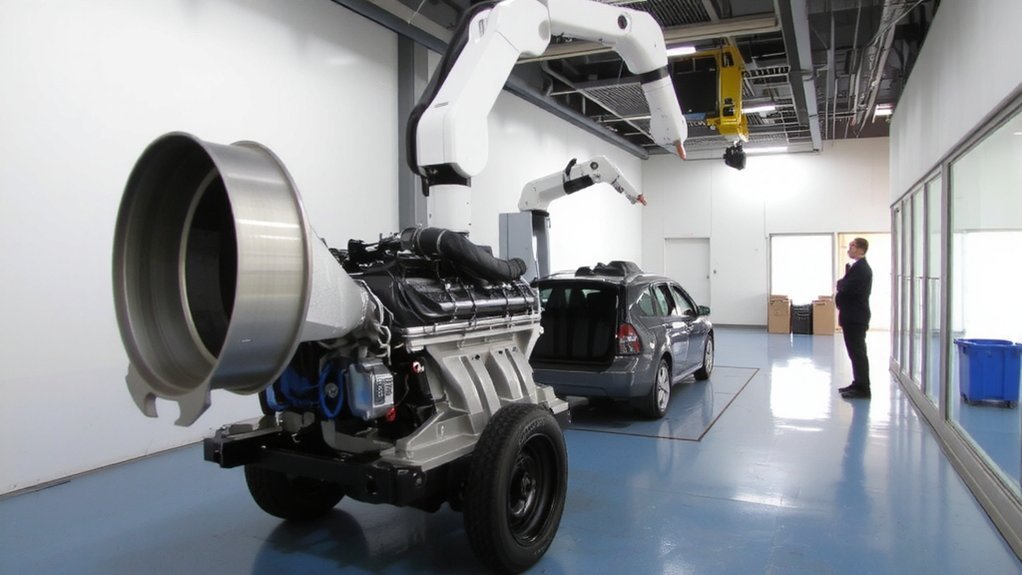
A working symphony of torque and timing unfolds at Nissan’s Yokohama Plant, where you watch engines come to life piece by precise piece. You step onto the tour path, close enough to feel the hum, far enough to roam without fuss. Guides cue up stories, you watch assembly robotics thread bolts with impossible grace, pistons glide, torque wrenches click. You follow the line from raw block to firing heart, stopping at stations, asking why, hearing how. Then the finale: engine testing in sealed rooms, gauges dancing, redlines kissed, emissions checked. Photos are okay in marked zones, gloves off curiosity on everywhere. Book ahead, bring ID, wear closed shoes. You’ll leave charged, ready to chase open roads—and your own projects. Freedom loves well-made machines. Truly.
Sawanoi Ozawa Sake Brewery, Ome
Head to Ome’s Sawanoi Ozawa Sake Brewery, a historic riverside landmark on the Tama River, and you’ll feel the centuries right away—wooden storehouses, cool river air, the works. You’ll walk the production path, from polished rice and koji prep to bubbling fermentation tanks and the stone storage cave, with clear explanations that connect tradition to technique. Then you’ll join a guided tasting—reserve ahead—sampling a flight from crisp junmai to fragrant ginjo, with pro tips on pacing, palate resets, and what to bring home without overpacking your suitcase (tempting, it’s true).
Historic Riverside Brewery
River-gorge classic, Sawanoi (Ozawa Shuzo) blends 300 years of craft with fresh Tama River air on a tour that feels both serene and hands‑on. You step from Sawai Station, follow the riverside lane, and cedar-scented timbers tell you you’ve arrived. Guides spotlight Architectural Preservation—quake-wise joinery, earthen walls, rafters that breathe. Outside, Riverfront Ecology steals the show: clear shallows, darting kingfishers, wind in cypress. Claim a riverside tasting, linger, and let the gorge reset you.
- Ideal timing: weekday mornings; thinner crowds, softer light, cooler canyon breezes for wandering.
- Access: 5 minutes from Sawai Station, flat paths plus a few steps.
- Bookings: reserve ahead; tastings and English tours fill quickly on weekends too.
- Extras: riverside tofu, pottery kiln, cliffside shrine, and gorge trails between stops nearby.
Traditional Brewing Process
Before you sip by the river, you’ll see how Sawanoi turns rice and mountain water into clean, bright sake—step by careful step. You enter the cool kura, watch rice polishing drop the grain to its pure heart, then rinsing and steaming rise in fragrant clouds. In the koji room, you track koji cultivation, spores dusted over warm rice, hand-turned to coax a steady bloom. Fermentation starts in wooden vats and stainless tanks, yeast pitched, temperature held tight, bubbles ticking like a metronome of patience. You note parallel fermentation, starch into sugar, sugar into alcohol, all at once. Pressing follows, mash separated, clear liquid on one side, sake lees on the other. Finally, gentle filtration, pasteurization, and a calm rest. Stable, bright, ready for bottling.
Guided Sake Tasting
You’ve watched the rice become sake; now it’s time to taste with intent. At Sawanoi Ozawa Sake Brewery in Ome, you step into a cedar-scented hall, glass in hand, shoulders loose. Start cool, not icy, let the first sip linger. Nose first, then palate, then finish—simple rhythm, big payoff. Guides coach your aroma vocabulary, from melon to rice husk to umami. You’ll practice label reading too, decoding junmai, ginjo, polishing ratios—freedom through knowledge. Pair with river-stone tofu, or a salty pickle, and notice how balance shifts. Ask questions. Laugh. Spit if you want; pros do.
- Step-by-step flight: crisp namazake, ginjo, deep junmai, koshu.
- Sensory reset: sniff sleeve, sip water, breathe.
- Technique tweaks: small sips, focused exhale.
- Takeaway skills: reading labels, smart buying, confident ordering.
Edo Kiriko Glass Workshop, Sumida
A tumbler catches the light, its lattice of cuts flashing ruby and clear, and you’re in Sumida, where Edo Kiriko—Tokyo’s signature cut glass—still sings under the wheel. You step in, tie an apron, and learn the essentials: Cutting Techniques, safety, and stance. The artisan marks guide lines, then you press the glass to the stone, light touch, steady breath. Diamonds for deep grooves, cork wheels for polish. You carve asanoha and shippo Traditional Motifs, watch patterns bloom. Heat? Noise? Yes, and focus. Mist the piece, check symmetry, return for one more pass. Want a keepsake? Engrave initials, rinse, and box it. Tours run 60–90 minutes, small groups, English notes available. You leave lighter, carrying sparkle that won’t fade. Hands steady, mind open, freedom earned.
Conclusion
Ready to go? Pick two tours, book ahead, and check language options. Wear closed‑toe shoes, bring ID, a small bag, and some cash for souvenirs. Ride JR lines to Noda, Yokohama, Fuchu, Saitama, Ome, or Sumida, mix tastings with hands‑on glass or engine gawking, and leave time for a riverside sake sip. It’s safe, guided, and surprisingly fun. Send a calendar invite to a samurai, then go make, taste, and learn—one factory at a time.