
Thinking about hiring a private guide in Tokyo? You’ll get a custom route, a sane pace, and insider shortcuts—expect about ¥18,000–¥30,000 for 4 hours, ¥35,000–¥60,000 for 8, usually per group, so friends make it cheaper; tipping’s not a thing. A licensed, well‑reviewed guide can steer you from ramen to shrines without guesswork, and keep you off the wrong train—ask me how I know. Here’s how to pick smart, dodge gotchas, and stretch your yen…
Key Takeaways
- Expect ¥18,000–¥30,000 for half‑day, ¥35,000–¥60,000 for full day, or ¥70,000–¥150,000 for long day; hourly US$35–45 common.
- Rates rise with licensed credentials, years of experience, strong English, niche skills, stellar reviews, and custom planning or logistics.
- Most charge per group, not per person; costs drop as groups grow, but surcharges or second guides apply beyond stated size limits.
- Find vetted guides on GoWithGuide, ToursByLocals, GetYourGuide, or Klook; also check hotel concierges, TripAdvisor, and r/JapanTravel.
- Verify a licence number and reviews, request a sample itinerary and clear cancellation terms; tipping isn’t customary—small gifts or notes are fine.
Typical Prices for Private Guides in Tokyo
On most days, you’ll find private guide rates in Tokyo landing in a friendly middle: about US$35–45 an hour, with US$40 popping up a lot, and many guides charge that as a flat fee for your whole group rather than per person. For a half day, figure roughly four hours, you’re looking at about ¥18,000–¥30,000, though some listings show it per person, so you’ll want to read the pricing structure. A full day, around eight hours, usually runs ¥35,000–¥60,000 per group, which feels fair when you see how much ground you cover. Longer day trips, ten to twelve hours out to Kamakura or Fuji or Nikko, often sit around ¥70,000–¥150,000 per group. As for tipping norms, Japan doesn’t really tip, but a kind note or small gift doesn’t hurt. Payment methods are simple: many platforms take cards, some guides prefer cash at the end, and receipts are easy.
What Affects the Cost
You’ll see the price move with the guide’s chops—licensed pros who know Tokyo’s backstreets and have the five‑star trail to prove it tend to charge more than a newcomer still getting their shoes broken in. For example, a seasoned, licensed guide might quote around ¥45,000–¥60,000 for a full day, while a newer guide could sit closer to ¥35,000–¥40,000. Most fees are per group, not per person, so four friends splitting a ¥40,000 tour pay ¥10,000 each, though once you pack in a bigger crew you may hit caps or add‑on costs for extra guests.
Licensing and Experience
Most of what you pay a Tokyo guide comes down to their license and miles on the job, because certified pros and long‑time specialists bring trust and know‑how you can feel the moment you hit a busy station. A licensed national guide‑interpreter costs more than a casual host, and a 30‑year veteran charges more still, since they’ve passed exams, keep up Continuing Education, and stick to clear Ethical Standards. Expect $35–45 per hour for a solid guide; seasoned or certified folks go higher or quote a premium day rate. Strong English, food or photo chops, or airline‑crew polish also nudge prices up. Check ratings—say 4.95/5 from 390 reviews—and you’ll see why. These pros plan custom routes, solve snags, and handle logistics before you notice.
Group Size Policy
One quiet lever on price is how many feet you bring along. Most Tokyo guides charge a flat fee for the whole crew, about US$35–45 an hour or roughly ¥35,000–¥60,000 for a full day, so your per-person cost drops as heads go up. Hit three or four people and you’re often beating per-person group tours. But every profile lists a max size; go past it and you may owe an extra-person surcharge, a second-guide fee, or both. Bigger groups can also need a private vehicle, longer routes, Accessibility accommodations, and tighter Emergency procedures, which nudge the total higher. Message the guide first, or check GoWithGuide and ToursByLocals. Some will add a guest free or cheap, but policies swing wide. Ask about timing and pacing.
Private Guide Vs Group Tour: Which Fits Your Trip
You’ll feel the cost shift with your headcount: if you’re three or more, a private guide at about $35–45 an hour can beat a $40+ per person group tour, but if you’re solo or a pair, the group bus usually saves you yen. With a private guide, you can swap a shrine for ramen when it rains or add a toy shop on the way, no committee meeting required; a group tour keeps a fixed clock and moves on when the flag does. Ask yourself how you like to travel—one-on-one talk, language help, and deeper stories just for you, or easy booking and new friends on a set route with shorter, lighter stops.
Cost Vs Group Size
When you pencil out the numbers, the right tour depends on how many chairs you’re filling. A private guide in Tokyo runs about US$35–45 an hour, roughly ¥35,000–¥60,000 for a full day, and that covers your whole crew. Group tours sell per person, often US$40 for short bits and US$80–150 for a full day, which can be kinder to a solo traveler. Add a second person, still close. At three or four, the math flips, and a private guide starts winning, more so with six. Some guides let extra folks join for little or no fee, but ask first. Check child pricing and any accessibility surcharges so the totals don’t jump later. Think simple: more seats filled, lower cost per person for your group.
Itinerary Flexibility
If your day in Tokyo needs room to wiggle, a private guide gives you the steering wheel. You can tweak routes, change pace, and make spontaneous detours for ramen, a shrine, or that photo. Most guides allow same-day swaps and plan for weather contingencies, so a downpour moves you to covered arcades. Half days run 4 hours, full days 8, with group rates ¥35,000–¥60,000 per day, or hourly for nimble. Truly.
| Private Guide | Group Tour |
|---|---|
| Tailored stops, same-day changes | Fixed route (Asakusa, Shibuya) |
| Adjustable pace for kids or jet lag | March to schedule, little slack |
| Hourly options for short hops | Package rules, changes hard |
| Weather pivots to covered spots | Rain runs on, bring an umbrella |
| Extra time for questions, photos | Brief pauses, keep moving |
Social Dynamics
After setting your pace and rain plans, the next choice is the company you keep. Private means you travel with your own crew, set clear Boundary expectations, and get space to ask every why that pops up. It’s focused and calm, great if you’ve got kids, elders, or a tight clock, and for three or more it often costs less per person than a per‑seat group tour. Group tours run per person and lean into Peer interactions, which can be fun if you like meeting strangers and swapping tips on the bus. They keep a fixed plan, hit the big sights, and save solo travelers money and hassle. Pick private for depth and privacy, group for company and easy logistics in busy Tokyo days.
Per Group Vs per Person Pricing Explained
Though most private guides in Tokyo charge one fee for your whole crew, the listings can look all over the place, so here’s the simple lay of the land. Most quotes read US$35–45 per hour, or ¥35,000–¥60,000 for a full day, with half days at ¥18,000–¥30,000. Check Payment Options and Cancellation Policies before you book, since some platforms use per‑person pricing or strict cutoffs.
For a couple, per‑person tours can be fine, but once you’re three or more, that one group fee usually beats buying individual spots on a public tour. Example: a 4‑hour private at ¥24,000 splits to ¥6,000 each for four people, which often undercuts per‑head tickets. Always confirm the guide’s group size limit, and message if you’re adding folks; many charge a small add‑on for extra guests or need notice for transit and restaurant plans. Clear heads‑up now saves awkward shuffles later in the city.
Where to Find Reliable Guides
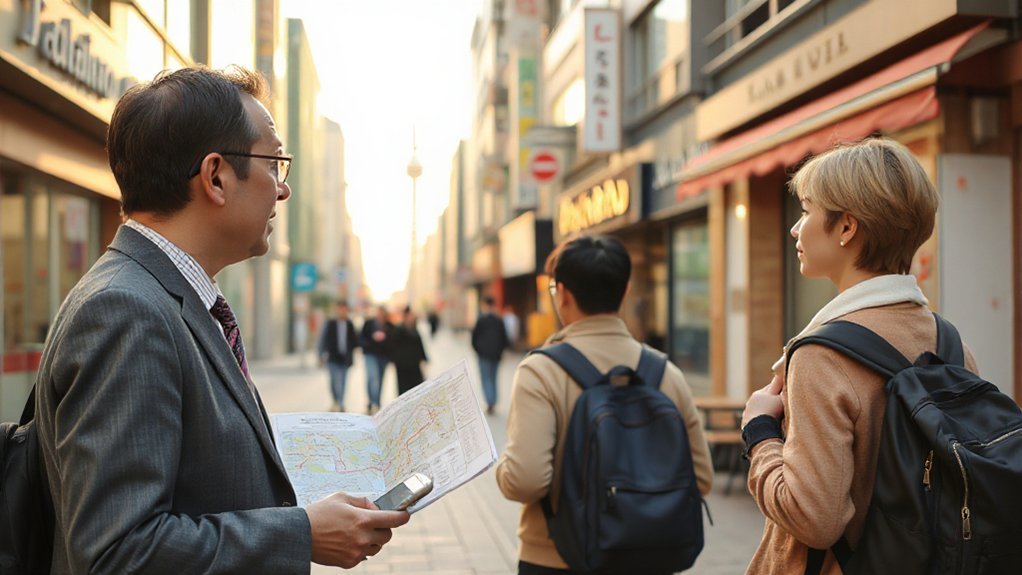
Once you know what you’re paying for, the hunt gets easier: start on specialist platforms like GoWithGuide and ToursByLocals, then scan GetYourGuide for strong private listings and Klook for tidy packaged options. These hubs list real Tokyo guides with calendars, quick quotes, and book buttons, plus clear per‑group or per‑person pricing, sample itineraries, and short intro videos so you can feel the fit before you commit. When you want human whispers, pop into Community Forums like r/JapanTravel or TripAdvisor’s Tokyo board and ask for recent hires; folks name names and drop practical nuggets. Don’t overlook Local Meetups, language exchanges, or expat events, where working guides canvas for clients and share cards. Old‑school still works too: hotel concierges keep shortlists they trust, and city tourist information centers can point you to reputable services. Jot a few names from each source, then compare options side by side before you book.
How to Vet a Guide’s Credentials and Reviews
Start by checking the hard stuff: a real license (like “national guide‑interpreter” or a local permit), years of experience on the profile, clear ID, insurance if needed, and a sane cancel policy—no badge, no booking. Then weigh the crowd’s voice on solid platforms like GoWithGuide, ToursByLocals, or GetYourGuide, favoring steady winners (think 4.9+ with 300+ reviews) and reading recent comments for repeat notes on punctuality, language, and flexibility—four stars with five reviews is just a rumor. Finally, ask for a sample itinerary and a reference or two, confirm their language and fast replies, and watch the intro video to see if their style fits your pace, because a good plan on paper should feel workable in real streets.
Verify Licensing Status
How do you know a Tokyo guide’s the real deal? Start by asking for the national Guide-Interpreter licence number and a quick photo of the certificate, then match it to what’s on their profile or booking page on GoWithGuide, ToursByLocals, or Viator. Keep an eye on privacy implications and information security, use platform messaging, and don’t send passport scans. Keep copies only on secure devices.
- Before booking, ask how long they’ve guided in Tokyo, if they carry insurance, and request a tiny sample—like a short video hello or a one-stop walking route.
- On arrival, cross-check their face, photo ID, and licence, and grab a business card.
- If you’re booking direct, get a simple written agreement with fees, group-size limits, and a clear cancellation policy.
Assess Ratings and Testimonials
Read the stars, but don’t be starry‑eyed: a guide with a 4.9/5 and a few dozen reviews isn’t the same as someone sitting near 4.95/5 with 300–400+ write‑ups—think Akira N. at 4.95/5 from 390 reviews, which signals long, steady good work, not a lucky streak. Now look at the rating distribution, not just the average. A healthy mix of fours and fives, with detailed notes, beats a wall of perfect fives that feel copy‑pasted. Read several recent reviews from the last 6–12 months, and watch for the same praise about punctuality, language, and route knowledge. Scan for specifics you care about—efficient trains, off‑the‑path stops, kid‑friendly pacing, translation help. Cross‑check on GoWithGuide, ToursByLocals, and TripAdvisor or Google to spot patterns and fake reviews. Watch cancellations.
Evaluate Sample Itineraries
Ever notice the best guides don’t hide the ball? You can see sample itineraries with hours, inclusions, and how they’ll move you around. Start with a Pacing Assessment: do timings feel humane, or like a sprint between Asakusa and Shibuya on repeat? Then check Sight Sequencing: temples before markets, smart transfers, room for snack stops. Peek at credentials—licensed, 30+ years, Fuji nut—so the plan fits your aim.
- Compare trip plans to your interests, hours, and whether transport or admissions are baked in, like GoWithGuide pages.
- Weigh ratings: 4.8–5.0 with 100+ recent reviews, watch personalized videos, note flexibility and fixes when trains hiccup.
- Confirm prices: US$35–45/hr or ¥35,000–¥60,000/day, ask about extra guests and last‑minute changes, transport logistics, and whether routes are customizable with spontaneous stops.
What a Guide Can Do for You in a Day
Why hire a guide for a single day in Tokyo? Because one good guide turns a maze into a plan, with insider access and cultural translation baked in. You’ll start with a time‑smart route that strings together, say, Asakusa, Ueno, and Shinjuku without falling into rush‑hour crush or ticket lines that eat your morning. They handle trains, IC cards, and transfers, so you just tap and walk, no app acrobatics. At each stop they tell you what you’re seeing, from shrine etiquette to why that lantern matters, and they steer you to a tiny soba shop down a lane you’d have strolled past. They make reservations, buy tickets, read menus, and smooth chats with shopkeepers and temples, so doors open. Go half‑day (about 4 hours) for ¥18,000–¥30,000, or full‑day (about 8 hours) for ¥35,000–¥60,000, per group. It’s efficient, calm, and oddly freeing, like traveling with a local cousin.
Potential Downsides and How to Avoid Them
Though a good guide can turn Tokyo from a maze into a map, there are a few potholes you’ll want to step around. Guide quality swings a lot, so skip the lottery and book someone with plenty of recent reviews and tour photos, not headshots. Ask for a sample plan and make sure they’ll customize, not recite a script.
- Nail the price before you go. Confirm the total group cost, what’s included, and overtime rates in writing. Ask about transport and entrances. Note Photo restrictions at shrines and museums, which can affect timing.
- Check language and flexibility. Confirm English level on a quick call, and look for guides who handle same-day tweaks and know the rail lines cold, especially during crowds or delays.
- Vet safety and fit. Use reputable platforms, request a licensed guide, review cancellation and insurance, and discuss Emergency procedures for night outings or solo walks.
Tips for Saving Money Without Skimping on Quality
When you want a smart deal without a flimsy tour, think like a local who hates wasting yen and time. Pick a guide in the US$35–45 per hour lane, and remember that rate is per guide, not per person, so bring two friends and the price per head drops fast. Book a half-day, four hours is plenty, and you’ll still get sharp, tailored stops without the full-day bill. Use solid platforms like GoWithGuide or ToursByLocals, and sort by high ratings and lots of reviews, so you skip the guide lottery.
Ask up front about adding extra people, if they use public transit, and whether they’ll quote a group rate or a flat day price; many will. Travel off-peak and stick to fewer neighborhoods to cut train hops and downtime. Pack Snacks to dodge pricey impulse bites, and look for Combo Tickets when a museum or tower pairs entries.
Sample Guides in Tokyo to Consider
You’ve got the price range and the smart moves down, so here are a few steady hands to put on your short list. On GoWithGuide you can skim Guide videos, sample plans, costs, and dates on each profile, so you can line up Neighborhood matches before you click book. Most list around US$35–45 per hour, usually per group, so you won’t get nickeled per person.
- Akira N. — a nationally certified guide-interpreter with 30+ years in Tokyo, rated 4.95/5 from 390 reviews, steady as a station master, great when you want history told clean and true.
- Kahoko K. — licensed and warm, a former cabin attendant who treats you like home, rated 4.96/5 from 389 reviews, perfect if you like gentle pacing and touches.
- Toshihiro Y. — central-Tokyo hound with a camera’s eye, about 4.90/5 from 337 reviews, smart routes for photo-friendly streets and lights.
Frequently Asked Questions
Is Tipping Expected for Private Tour Guides in Tokyo?
Ironically, you won’t tip because Japan perfected generosity without gratuities. Tipping isn’t expected for private tour guides, but you can show thanks. Follow local tipping etiquette: small gifts or cash alternatives like e-payments, or sweets.
How Far in Advance Should I Book a Private Guide?
Book 6–8 weeks ahead for most trips; during peak dates, reserve 2–3 months early. If you want tour customization, you’ll reach out earlier to secure specialists, confirm permits, and fine-tune logistics. Last-minute weekends fill fast.
Can Guides Accommodate Mobility Needs or Wheelchair Users?
Like a well-tuned compass, yes—guides can accommodate mobility needs and wheelchair users. You’ll arrange accessible transportation, confirm venue accessibility, request step-free routes, elevator info, pacing. Share chair dimensions and transfer preferences to tailor seamless days.
Are Guides Available for Early-Morning or Late-Night Itineraries?
Yes, you’ll find guides for early-morning and late-night itineraries. Many accommodate Sunrise departures and Night excursions, though availability varies. Confirm hours, safety, transit options, and surcharges upfront, and request customized pacing and photography stops too.
Do Guides Carry Insurance, and What Happens if They’Re Sick?
Yes—but here’s the catch—most licensed guides carry liability coverage; request insurance details. If they’re sick, agencies trigger replacement protocols: they reassign a guide or offer rescheduling, refunds, or cancellations. You should confirm response times upfront.