
You don’t need a fortune to have a good Japan trip. Figure about $2,500–$4,500 per person for two weeks before flights, with business hotels around ¥10,000–¥15,000 a night for two, food $30–$55 a day if you mix konbini bites with a splurge kaiseki, and trains—JR Pass or IC card—deciding a lot. Book early, skip Golden Week, and save your yen for one ryokan night; here’s how that math really shakes out.
Key Takeaways
- Expect a mid-range two-week trip to cost about USD $3,800–$4,800 per person (flights excluded); lean travelers can do $2,200–$2,800.
- Accommodation averages AUD $128/night for two; business hotels ¥8,000–¥15,000, hostels ¥2,000–¥5,000; book near-but-not-in hubs with free cancellation.
- Budget AUD $43–$58 per day for two on transport; long Shinkansen hops cost ~$120–$130, consider a 7-day JR Pass (~$240–$310).
- Plan $30–$55 per person daily for food; use konbini breakfasts, lunch sets, and reserve for two splurge dinners or tastings.
- Activities often ¥500–¥1,000 each; theme parks ~¥8,000; add coin lockers, eSIM (~$3/day), and save by traveling off-peak and booking early.
How Much Does a Trip to Japan Cost on Average?
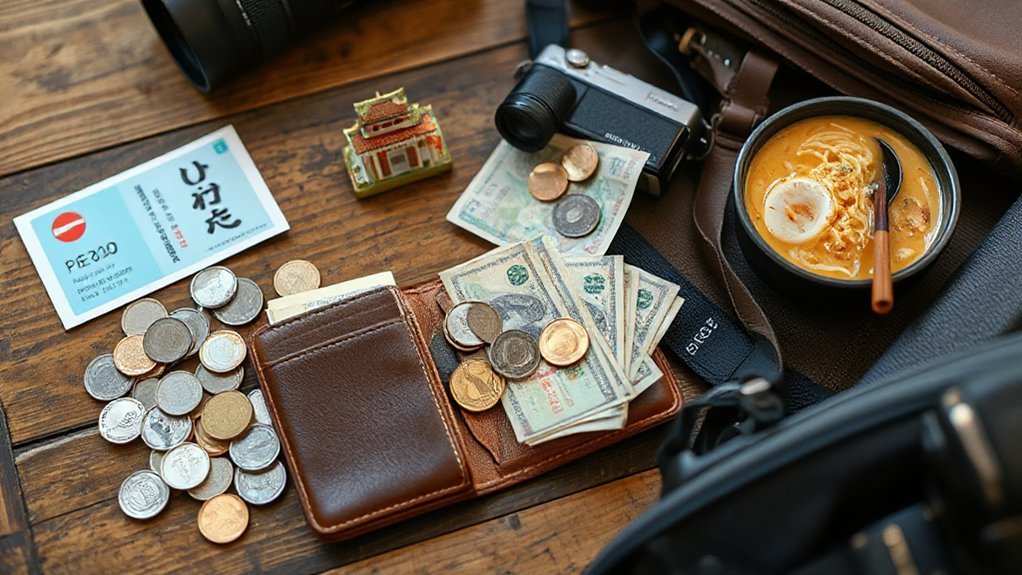
Sticker shock fades with a clear plan: for a mid‑range two‑week trip to Japan, you’re looking at about USD $3,800–$4,800 per person, not counting flights, which is roughly AUD $3.8–$4.8k. That covers the everyday stuff—beds, bites, and getting around—at a comfortable pace. For two people, expect a combined daily spend around AUD $200–$500, with food and drink pulling weight and trains nibbling AUD $43–$58 a day depending on how much shinkansen you ride. On a lean run, you can thread the needle at about USD $2,200–$2,800 for two weeks; solo mid‑range often lands near USD $2,500–$3,000.
Seasonal pricing matters more than folks think, since cherry blossoms and New Year crowd calendars and receipts, while shoulder weeks feel kinder. Currency fluctuations also push totals up or down, so check rates before you lock things in. Build a daily cap, track as you go, and you’ll stay on the rails.
Accommodation Costs and Tips
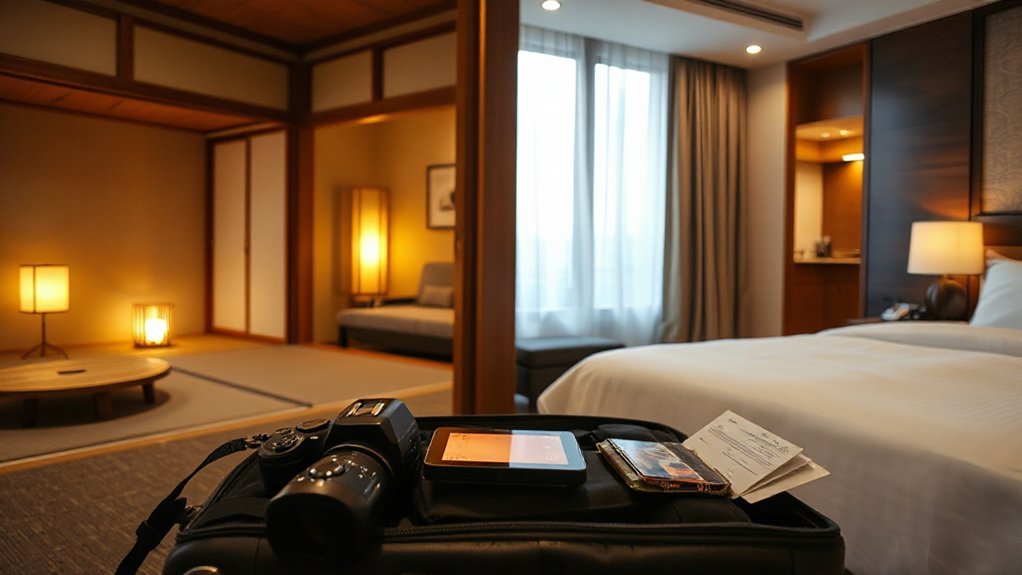
While flights grab the headline, beds eat the budget, so plan for lodging to take about 40% of a month-long trip, with a steady average around AUD $128 a night for two (roughly ¥10,000–¥15,000). You’ll see big swings by room types and seasonal pricing, so set a range, not a single number. Business hotels like APA, Daiwa Roynet, Dormy Inn, and Toyoko Inn punch above their weight: clean rooms, coin laundry, free toiletries, and prices that beat the glitzy center. Hostels or capsules run about ¥2,000–¥5,000 per person; solid private rooms land ¥8,000–¥30,000; a splurgey ryokan can top AUD $600 for one dreamy night, bath and all.
To save, book a few subway stops from the main hub, check ratings above 8.0, and pick free cancellation when you can. Many places open calendars only six months out, so pounce early for blossoms and Golden Week. It pays off.
Transportation Costs and Passes
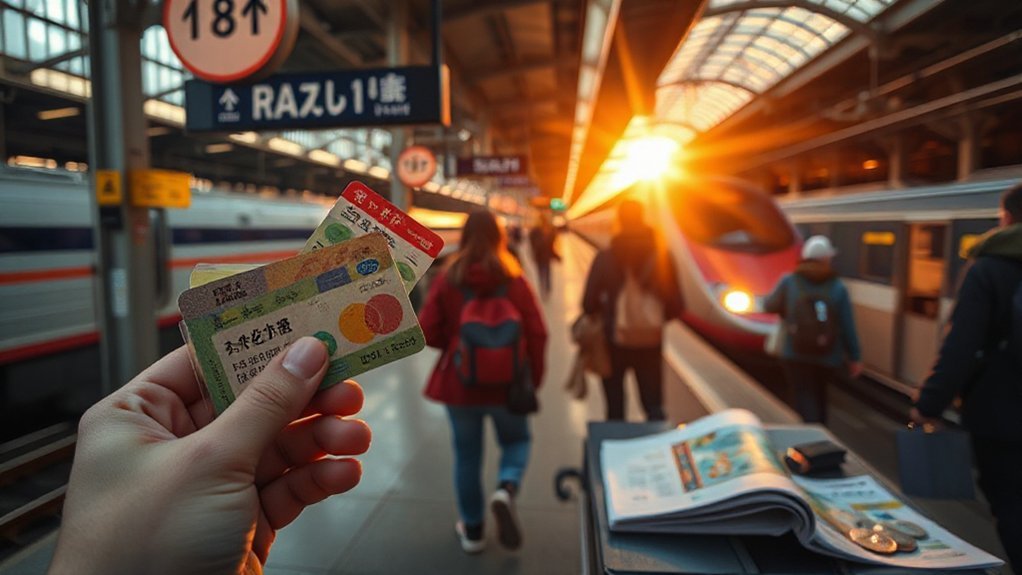
Once you start plotting lines on the map, transport spends add up fast, but they’re not hard to tame if you know the moving parts and watch the math. Long hops are the wallet punchers: Tokyo–Kyoto runs about $120 one way, Tokyo–Osaka about $130, so compare single tickets against a Japan Rail Pass. A 7‑day pass sits near $240–$310, with longer options pricier, and it only pays if your long rides beat that total. Otherwise, buy Shinkansen tickets at station machines or offices, or use SmartEX or Klook, just mind convenience fees and make Seat Reservations when you want a sure seat.
In cities, it’s cheap and simple. Tap IC Cards for subways and buses; most rides fall ¥170–¥310, and Tokyo’s 24‑hour subway pass is roughly ¥800. Figure transport as a real line item, maybe around $43–$58 AUD per day for two, including airport trains and regional hops.
Food & Drink Costs
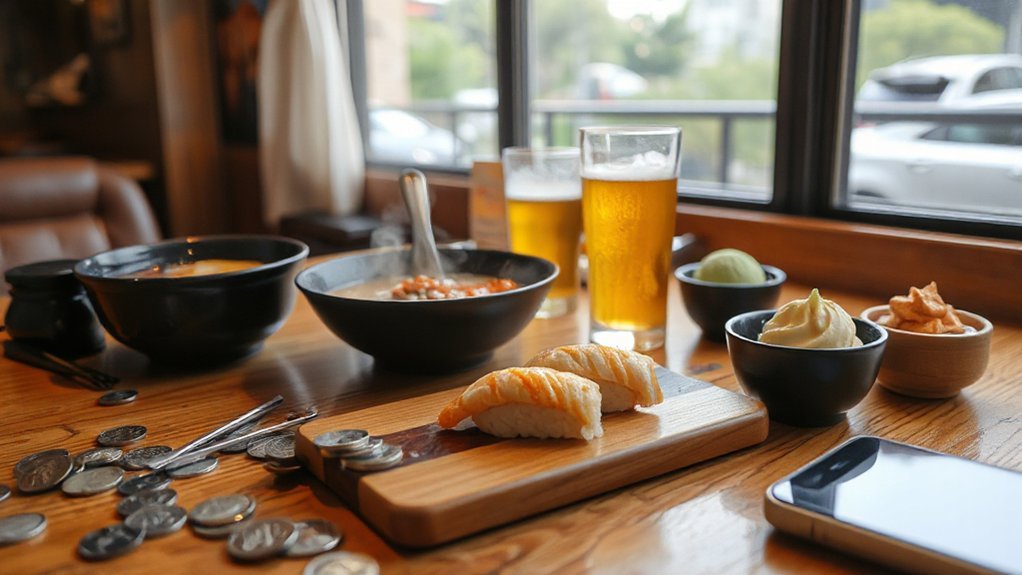
You’ll do fine on about $30–$55 per person per day if you mix quick konbini meals with a few sit‑downs, and for what it’s worth we averaged about AUD $116 a day for two in April, roughly 35% of the trip. Konbini bentos run ¥400–¥600, lunch sets sit near ¥1,000, casual dinners land around ¥700–¥1,500, and simple sit‑down meals can hit ¥1,500–¥3,000, while beers are ¥500–¥700 and a fancy coffee can quietly cost more than your noodles. Use the konbini for breakfast and some lunches, save your chips for ramen, an izakaya night, or that one splurge, and if you’re eyeing wagyu, kaiseki, or sake tastings, pad the budget before your stomach does.
Daily Food Budget
Think of your daily food money like a simple lane marker that keeps the trip rolling without fuss: plan on about $35–$55 per person each day, or $70–$150 for two if you’re eating mid‑range, which lines up with what a lot of couples actually spend (around AUD $116 per day, roughly a third of a month‑long budget).
| Item | Typical Cost |
|---|---|
| Quick bite | ¥400–¥800 |
| Casual sit‑down | ¥700–¥3,000 |
| Coffee | ¥300–¥500+ |
| Beer or cocktail | ¥500–¥1,200 |
| High‑end dinner | ¥5,000+ |
You’ll keep things steady if you plan breakfast light, lunch simple, and one dinner that feels like a treat, then let coffee and drinks fill gaps without running wild. Build a loose Snack Scheduling habit, and use Calorie Estimates to right‑size portions. A few ¥700 noodles leave room for a ¥3,000 plate, most nights.
Eating Out Vs Konbini
If you’re torn between sitting down for ramen or grabbing a konbini bento, let the numbers steer you: a convenience‑store set—onigiri, a sandwich, maybe a drink—runs about ¥400–¥600, while a casual bowl of ramen or a couple izakaya plates usually lands ¥700–¥1,500, and a mid‑range dinner pushes ¥1,500–¥3,000.
On our trips, food and drink run about 35% of costs, AUD $116 a day for two, so swapping meals to konbini lowers bill fast. Grab konbini breakfasts and late‑night dinners, then use lunches or one special dinner for ramen, sashimi, wagyu, or a café. Mind Eating etiquette; don’t walk and eat. Sort Packaging waste at bins, or pack it out.
- Onigiri + tea, under ¥500.
- Ramen at lunch saves yen.
- Pick two splurges per trip.
Activities, Attractions, and Miscellaneous

How much fun money do you really need for Japan? Figure on about ¥1,500–3,000 per day for two, roughly $15, which is about 5% of your budget. Temples, gardens, and museums run ¥500–1,000 each, and many big joys are free—hike Fushimi Inari or wander Akihabara and just soak it in. When you want a deeper slice, Cultural Workshops or museum specials often cost ¥2,000–4,000, and Seasonal Festivals can be free but lively. Save the splurge for a theme park day: Tokyo Disneyland or Universal sits near ¥7,800–8,200 for a one‑day pass. Connectivity’s easy: an Airalo eSIM is about $3/day.
| Item | Typical cost | Notes |
|---|---|---|
| Temple/Garden | ¥500–1,000 | Per site, quick stop |
| Cultural Workshop | ¥2,000–4,000 | Tea ceremony, crafts |
| Theme Park Day | ¥7,800–8,200 | One-day pass |
| Coin Locker | ¥300–¥800/day | Station storage |
| Takkyubin | ¥1,500–¥2,500/item | Luggage forwarding |
If you’re roaming rural roads, a 3‑day car hire runs ¥40,000 ($267), and occasional tours add a bit.
Budget-Friendly Tips for Traveling in Japan
All that fun money for temples and theme parks lands softer when you set up the big stuff smart. Book early and sleep simple: business hotels like APA, Dormy Inn, or Toyoko Inn, or a guesthouse, keep you rested, and mid‑range private rooms averaged about AUD $128 a night for two. Pick places a few subway stops from hubs and you’ll see the bill drop.
Stretch your yen: book early, sleep simple at APA/Dormy/Toyoko; mid-range doubles around AUD $128. Stay a few stops away to slash rates.
- Travel timing: aim for Jan–Feb, June, Sept, or Dec, dodge Golden Week and cherry blossoms, since peak spikes rates and airfare, too.
- Trains: compare Shinkansen tickets with a JR Pass calculator; a 7‑day pass is about USD $270 and pays off for heavy hops. Otherwise buy singles or use SmartEx.
- Daily habits: mix konbini meals and lunches (¥400–¥800) with treats; spent about AUD $116/day. Add eSIM Connectivity options like Airalo, carry cash, use Takkyubin (¥1,500–¥2,500), and keep a Packing strategy.
Frequently Asked Questions
Do I Need a Visa to Visit Japan, and How Long Can I Stay?
Better safe than sorry: You may not need a visa under visa exemptions, depending on your nationality; you can stay 90 days visa-free. You can’t work. If needed, apply or request visa extensions through immigration.
What Phone Sim/Esim and Portable Wi‑Fi Options Work Best in Japan?
You’ll get coverage using Docomo-backed eSIMs (Airalo, Ubigi) if your phone has eSIM compatibility; otherwise grab Pocket WiFi rentals from Ninja WiFi or Japan Wireless. Heavy data users pick Pocket WiFi; solo travelers prefer eSIMs.
How Accessible Are Trains and Attractions for Travelers With Disabilities?
Like a well-laid garden path, you’ll find trains and major attractions broadly accessible. Expect step free access, elevators, tactile paving, priority seating, and staff assistance; museums provide audio guides. Verify elevators and rural stops beforehand.
What Etiquette Rules Should I Know to Avoid Cultural Faux Pas?
Remove shoes indoors per Shoes Etiquette; wear provided slippers. Practice Chopstick Manners: don’t stab, point, or pass food stick-to-stick. Bow lightly, queue quietly, handle cash with hands, avoid phone calls on trains, and don’t tip.
Is Travel Insurance Necessary, and Which Coverage Is Recommended?
Better safe than sorry—you should buy travel insurance. Prioritize Medical coverage, Emergency evacuation, trip cancellation/interruption, baggage benefits, and 24/7 assistance. Choose primary coverage, limits, pre-existing condition waivers, and adventure-sports riders if needed. It’s inexpensive peace-of-mind.