
You can guide in Japan if you’re 18+, and you don’t need to be Japanese, but the real gate is the National Licensed Guide Interpreter exam—lots of kanji, past papers help. If you lead package tours, agencies want a tour conductor badge, insurance, and tidy paperwork, not just a good smile. Start by shadowing a pro, walk the route, time the trains, fix the hiccups. Want the step-by-step and the shortcuts?
Key Takeaways
- You can guide without a license, but only license holders may use the title “National Government Licensed Guide Interpreter” (通訳案内士).
- The national exam requires age 18+, strong Japanese reading, and one foreign language; check Japan Tourism Agency for rules, dates, and possible language exemptions.
- Leading packaged tours requires a Tour Conductor License and agency compliance with the Travel Agency Act, including registration, guarantees, and a Certified Travel Services Manager.
- Verify local ordinances for meeting spots and noise; carry liability insurance and consider first aid training for safety and professionalism.
- Build experience by shadowing guides and volunteering with SGG groups; set up payments, clear terms, and practice routes with flexible scripts and weather backups.
Understanding the Legal Framework
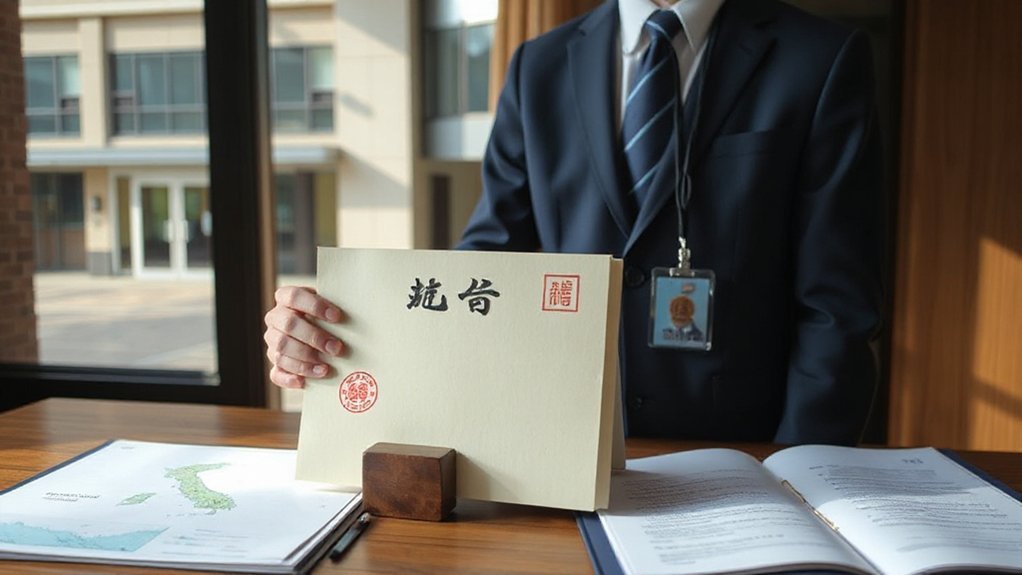
Before you grab a flag and start leading folks through Kyoto, you need to know the rules that actually run the show. Since 2018, you can guide travelers for pay or for free without a license, and that opens doors, but it doesn’t turn you into a free agent. Don’t call yourself a “National Government Licensed Guide Interpreter” or 通訳案内士 unless you’ve earned that title, or you’ll step on a legal rake. If a travel agency hires you to run a packaged tour, they may ask for a 添乗員資格, because that’s how their industry rules work. Agencies register with the Japan Tourism Agency, keep a certified manager on the books, post financial guarantees, and follow the Travel Agency Act.
On the street, mind Local Ordinances about soliciting, meeting spots, and noise, and carry Liability Insurance. It protects you when a slick stair or typhoon turns a story sideways.
National Government Licensed Guide Interpreter Certification

You’re looking at a national license run by the Japan Tourism Agency under MLIT, and if you’re 18 or older you can take it no matter your passport, which is the plain way of saying there’s no secret club or magic handshake. The exam checks your chosen guiding language and then puts you through written parts on Japan’s geography, history, general knowledge, guiding skills, and the laws, and except for the language piece most of it is in Japanese, so plan for that from day one. You can sometimes skip the language section with approved scores—TOCFL C2 counted for the written exam in August 2024—and while you can guide without this license, the card gets you credibility, better job calls, and steadier pay, which is the difference between chasing gigs and getting booked.
Eligibility and Scope
Although the name’s a mouthful, the National Government Licensed Guide Interpreter is the gold-standard badge that says you’re fit to guide foreign-language visitors anywhere in Japan, and it’s run by the Japan Tourism Agency under MLIT. With it, you can work across prefectures, switch tour formats from museum walks to day hikes, and match your talk to audience demographics like families or corporate groups.
| Scope | Who it fits | Note |
|---|---|---|
| Nationwide guiding | Any nationality, 18+ | Work via agencies or direct |
| Chosen foreign language | Japanese needed | Most non-language sections in Japanese |
Eligibility is simple: 18 or older, any nationality, resident or not—you may sit the exam. Most parts beyond the language check run in Japanese, so plan classes, because safety talks and paperwork don’t interpret themselves. If you already hold a top external certificate, you may skip the foreign-language written piece—for example, TOCFL C2 was accepted as of August 2024—yet you’ll still need solid Japanese to pass and to work well on the street.
Exam Structure Overview
The exam runs like a well-marked trail: the Japan Tourism Agency (under MLIT) sets it, you pick one foreign language for the language section, and then you face the rest in Japanese—geography of the islands and rails, history from shoguns to Shōwa, general knowledge, guiding techniques, and the laws that keep tours safe and above board. It’s held nationwide, so you’ll sit in a standard hall and work through sections that switch your brain from your chosen language to Japanese, steady and methodical. Think ahead about session scheduling, because seats go fast and travel time matters more than you’d guess. On test day, read the room layout, pick a quiet lane, and keep your papers tidy. Pace yourself, breathe, and answer clean and direct.
Exemptions and Advantages
Once you’ve got the lay of the test, it’s time to ask what the license actually gets you—and where it can save you work. First, exemptions: if you’ve got an approved language score, like a TOCFL C2, you can skip the written foreign-language part and focus on the real bears—geography, history, laws, and guiding craft. The badge itself matters. Only license holders can call themselves 通訳案内士, which quietly boosts trust with clients and tour operators. It’s nationally recognized by the Japan Tourism Agency, so agencies pay better and call first. Buyers read the credential as a clear signal. You don’t need to be Japanese, just 18+, so you can build Cultural Networking, earn steadier fees, and pick up sweet Travel Perks.
- Pride
- Momentum
- Belonging
Eligibility and Application Requirements

First, check the easy stuff: you must be 18 or older, and your nationality doesn’t matter—Japanese or foreign resident, you’re welcome at the starting line. You can guide travelers without the national license these days, but you can’t use the title tsūyaku annaishi unless you pass, and if you plan to lead packaged group tours or run a travel business, you may also need a Tour Conductor License or a Certified Travel Services Manager ticket, which is a whole other kettle. The national exam tests your chosen foreign language plus Japan’s geography, history, general knowledge, guiding know-how, and laws, and strong language certificates can earn exemptions—say TOCFL C2 skipping the written language section—so you save study time where it actually counts.
Age and Nationality
Although the paperwork can feel fussy, you don’t need much to clear the age and nationality bar for guiding in Japan. If you’re 18 or older, you’ve met the age mark for the National Government Licensed Guide Interpreter exam, and that’s true whether you carry a Japanese passport or not. Residency helps with mail and scheduling, but nationality isn’t a gate; plenty of non‑Japanese residents sit the test and pass. Certification is optional, yet open to anyone who meets the age rule and shows up ready, which is handy if cultural sensitivity and language barriers are on your mind.
- Turning 18 felt like a key in the door, simple and solid.
- No passport drama—just study, register, breathe.
- Pride intact, Japan still welcomes your voice.
License Necessity
While Japan loosened the rules in 2018, you don’t need a government license to guide travelers for pay or for free, though only folks who pass the National Government Licensed Guide Interpreter exam get to use that exact title, which is a small mouthful but a big stamp of trust. You can legally sell tours under your own name or a brand, just don’t claim that protected title. Clients and agencies may still ask for proof of skill, so be ready with reviews, itineraries, and clear pricing. Public Perception matters; a license signals training, and it can open doors with hotels and big platforms. Either way, set up basics like a bank account, invoices, and Insurance Options such as liability coverage, because slips happen.
Exam and Exemptions
Because this credential still opens doors, the gateway is the National Government Licensed Guide Interpreter exam, run nationwide by the Japan Tourism Agency under MLIT, and it’s more straightforward than it looks. You can sit it at 18 or older, with no nationality or residency limits, so you’re welcome. You’ll choose your guiding language, then tackle geography, history, laws, guiding techniques, and general knowledge; except the language part, the rest is in Japanese, so study. Some approved language scores can waive the written language piece—for example, TOCFL C2 did as of August 2024. Do this right and you’ll carry cultural sensitivity into strong post certification careers.
- Start scared; start anyway, every time.
- Places feel close when practiced often.
- Know laws; serve people with care.
Examination Components and Exemptions
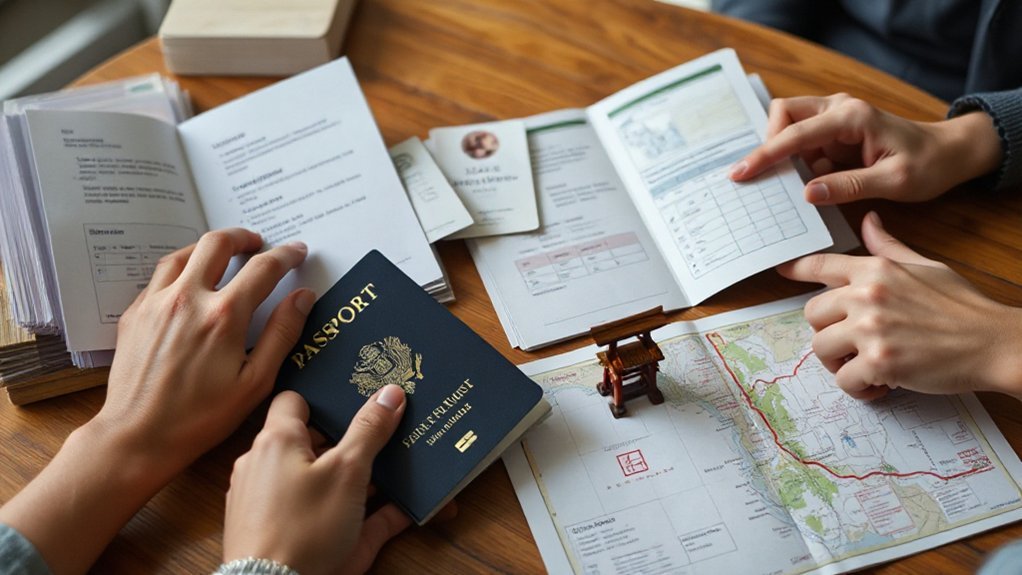
If you want a clear picture of the test you’ll face, think of the National Government Licensed Guide Interpreter exam as two tracks running side by side: first, a foreign-language check in the language you choose, and then a stack of written sections on Japan itself—geography, history, and general knowledge—plus practical pieces on guiding techniques and the laws and rules that shape tourism and interpretation. On test day logistics, arrive early, check ID, pencils, and watch, and pack a quiet snack. For mental preparation, rehearse lane changes: language, content, then guiding scenarios, smooth and steady.
Most written parts, except the language check, come in Japanese, so your reading chops need to be solid. Exemptions exist: as of August 2024, a TOCFL C2 can waive the written foreign-language piece. The Japan Tourism Agency sets and updates rules, so verify current notices before you register, or bank on old exemptions.
Additional Certifications for Tour Conductors

Beyond the guide license, you’ll need to square away the stuff that makes group trips legal and safe, the nuts-and-bolts roles travel agencies can’t skip. If you plan to lead packaged tours, get the Tour Conductor License (tenjo-in). It proves you can manage buses, hotels, timing, and customer safety when the weather flips or a bag goes missing. You’ll also work alongside a Certified Travel Services Manager, the person the agency appoints to keep sales and paperwork straight with the Travel Agency Act. Agencies that employ conductors must be registered with the Japan Tourism Agency, post a guarantee, and keep training sharp. None of this replaces the National Government Licensed Guide Interpreter, which you’ll still need if interpretation titles are used. Stack in First Aid and Customer Service refreshers, because calm helps.
- Steady hands in a sudden fall.
- Honest updates when ferries cancel.
- A quiet thank-you after listening.
Starting and Operating a Guiding Business
Starting small keeps you nimble, but pick your lane early: will you guide as a solo operator or run full packaged tours like a travel agency. If you just guide, the 2018 change lets you work legally, though only certified folks can use “通訳案内士,” which helps rates and trust. If you sell packages, register with the Japan Tourism Agency, post the guarantee deposit, and appoint a Certified Travel Services Manager, plus Tour Conductor license holders as needed.
Build a simple stack that works on busy streets: Digital Booking that takes cards, wallets, and transfers, Terms and Privacy pages, and insurance you can show without digging. Contract transport, hotels, and licensed local guides, and offer easy ticket help, like options that don’t need a Japanese phone number. Grow through a clean website, partnerships, JGA, and themed trips that feel handmade. Track reviews, fix snags fast, and guard Customer Retention.
Practical Steps to Build Skills and Experience
Learning the craft happens on the street and at your desk, and you need both right away. Set a weekly rhythm: review past exam papers for history, geography, laws, and guiding techniques, then speak your guiding language out loud every day. Do quick Route Rehearsals on real streets; time the walk, mark bathrooms and stairs, check rain cover, and spot crowd choke points. Volunteer with a goodwill guide group or shadow a pro to learn pacing, safety, and how stories land when feet are tired. Take short courses, including Storytelling Workshops, and write tight multilingual scripts you can bend on the spot. Join guide networks, meet agencies, trade practical feedback, and log routes, common guest questions, and small wins.
- The nod from a guest who finally gets it.
- The quiet thrill when your timing hits the temple bell.
- The ease of knowing Plan B before the rain starts.
Resources and Tools for Aspiring Guides
So where do you actually get the tools that make this work feel doable? Start with the Japan Tourism Agency site, which posts the National Government Licensed Guide Interpreter exam syllabi and application details. Pull past papers, grab prep books, and consider prep schools or study groups; many classes are in Japanese, plan for that. Sharpen language with accredited tests; scores can earn exemptions, like TOCFL C2 as of Aug 2024. Practice guiding talk with native speakers or exchange meetups, because patter beats cramming.
For on-the-ground work, lean on JNTO’s japan.travel for facts, and use guide-management platforms to track routes and clients. Translation devices help in tricky moments, while navigation apps keep you on time when trains hiccup. Join associations and SGG goodwill groups, or volunteer in Furano or Hakodate, to learn routes fast. For tickets, foreigner-friendly Jasumo Tickets handles reservations without a Japanese phone or local documents.
Frequently Asked Questions
What Does a Typical Guiding Day’s Schedule Look Like Across Seasons?
Like tuning a violin after dawn in Kyoto, you adjust Seasonal timings and Tour pacing: summer pre-dawn markets, midday museums, evening strolls; winter late starts, lunches, earlier sunsets; spring/fall flexible layers, festival buffers, contingency breaks.
How Do Guides Manage Fatigue and Maintain Vocal Health on Long Tours?
You’ll manage fatigue by pacing walks, scheduling micro-breaks, and stretching between stops. Protect your voice with Vocal Warmups, Hydration Strategies, amplified devices. Rotate narration, use diaphragmatic breathing, avoid shouting, prioritize sleep, and snack for energy.
How Do Guides Navigate Typhoons, Heatwaves, or Sudden Transport Disruptions?
You monitor weather apps and transit feeds, then you’ll reroute swiftly. You execute Evacuation Procedures, prioritize shade, hydration stops, and coordinate alternatives through Real time Communication with operators and guests, confirming shelters, refunds, and briefings.
How Do Guides Handle Guests With Dietary Restrictions or Mobility Needs?
Start by asking, Who needs what, when, where? You’ll confirm Allergy Communication, prearrange Wheelchair Accommodations, brief restaurants, map accessible routes, schedule breaks, secure elevators, adapt pacing, carry translations, follow up, ensuring comfort, safety, memorable experiences.
What Niche Tour Specialties Are Most in Demand Beyond Popular Attractions?
You’ll find demand for Culinary Trails, sake brewery hops, regional street-food safaris, immersive Craft Workshops with artisans, anime location pilgrimages, kissaten crawls, forest-bathing onsen circuits, cycling farm routes, guided night photography walks, and sustainability-focused homestays.