
Thinking of zipping past Shibuya in a street-legal kart? Book 1–2 weeks early, enter your name exactly as on your ID, and bring your original passport plus a valid license and 1949 Geneva IDP (or JAF translation where allowed). Expect a deposit hold, safety briefing, helmets, closed‑toe shoes, and size/age limits. Arrive 20–30 minutes early. Costumes? Optional. Weather? Matters. Cancellations? Strict. Want the smartest route and operator picks next?
What License You Need to Drive in Tokyo
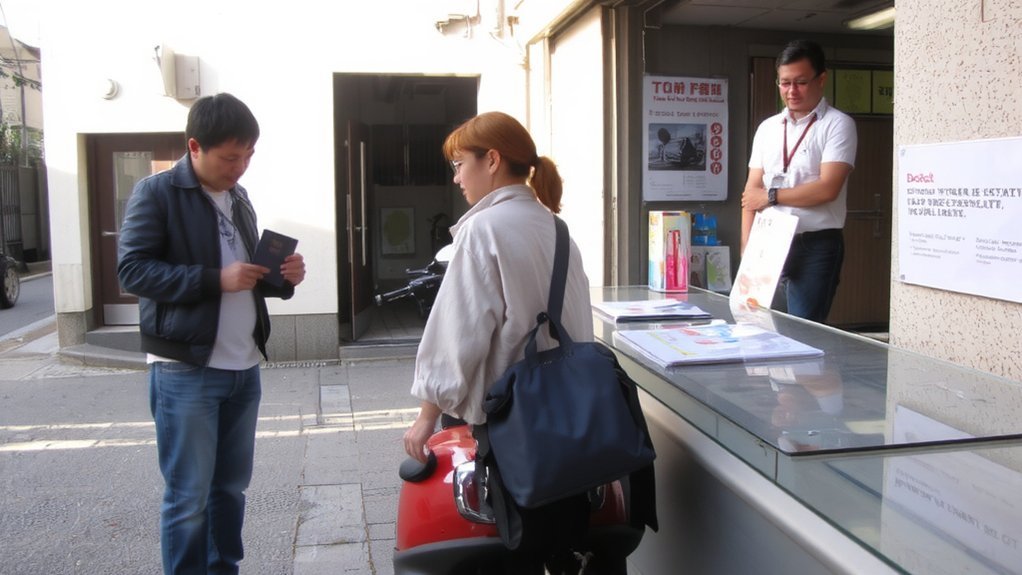
So, what license do you need to hop in a street go‑kart in Tokyo? You need a license that Japan recognizes, no guesswork. Bring your home country driver’s license plus an International Permit under the 1949 Geneva Convention; carry both together, and you’re golden for short stays. From Switzerland, Germany, France, Belgium, Monaco, or Taiwan? Skip the Permit, bring your license with an official Japanese translation from JAF. Staying longer, or already resident? Do a License Conversion at the police licensing center, then use the Japanese card like a local.
Practical steps: check your license class allows cars, apply for the Permit at home, pack the booklet, license, and passport. At check‑in, present them with confidence, smile, and roll. Keep originals, not photos, always.
Age, Height, and Eligibility Rules
License sorted? Great—now check your body stats. Most Tokyo street-kart tours require you to be 18+; if you’re 16–17, you can’t drive, Parental Consent won’t change that. Typical height range: 150–190 cm (about 4’11″–6’3″). Shorter? Taller? The pedals or steering may be unsafe. Weight limits often sit around 100–120 kg (220–265 lb), since brakes and frames have load ratings.
Eligibility isn’t just numbers. You must be sober, alert, and able to operate foot pedals smoothly. Closed‑toe shoes, snug clothes—no flowing coats. Medical Restrictions apply: no pregnancy, recent surgeries, uncontrolled seizures, serious heart issues, or anything your doctor says limits driving. Need glasses? Bring them, or contacts. Got back or neck pain? Skip it today, ride another time. Safety first, freedom next. You’ve got options.
Choosing a Reputable Go-Kart Operator
How do you pick a street‑kart operator in Tokyo you can actually trust? Start with Operator vetting: check licenses, insurance, and IDP requirements listed clearly, not hidden in footnotes. Read recent reviews for mentions of safety briefings, attentive guides, and calm handling of hiccups. Ask about Maintenance standards—daily inspections, brake checks, tire tread, and logbooks you can see. Confirm DOT‑style helmets, gloves, and rain gear, plus radios for guide‑to‑rider comms. Small groups, 6–8 max, keep you free yet protected. Verify liability coverage, deposit rules, and a sane weather cancellation policy. Meet the staff if you can; confident, friendly, no rush. Transparent pricing, no costume‑only upsells. If answers feel slippery, walk. Tokyo’s big. Your freedom, your call. Choose calm pros, not flashy promises or shortcuts.
Route Options and Neighborhood Highlights
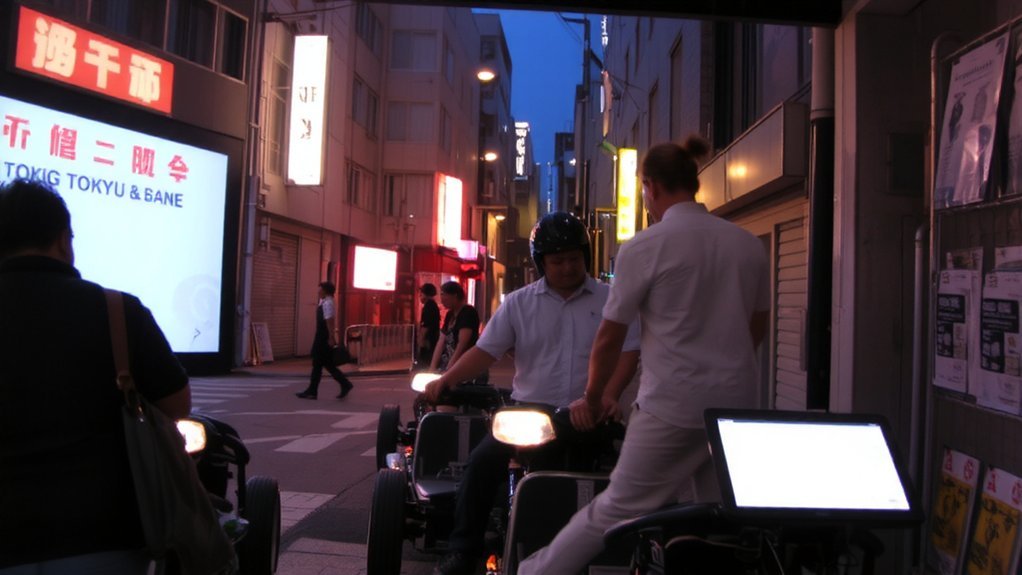
You’ll pick your route based on vibe and views: the Shibuya Crossing Circuit hits the scramble and neon side streets, best at dusk for glow, with quick photo pauses if your guide okays them. Crave gadgets and anime? Akihabara Tech Streets runs past arcades, retro game shops, and LED murals, so you keep a steady pace, watch pedestrians, and snap shots at safe pull-offs. For scenery, Odaiba Bay Views delivers wide lanes, Rainbow Bridge panoramas, and sea breeze, so book late afternoon for golden light and fewer buses.
Shibuya Crossing Circuit
The Shibuya Crossing circuit puts you right into Tokyo’s heartbeat, then branches into a few smart route choices depending on time and vibe. Pick the Quick Loop when you want speed: scramble once, dip through Center‑Gai, glide by Shibuya Stream, sweep past Miyashita Park, and pop back for round two. Crave more? Take the Signature Circuit, 45–60 minutes via Omotesando’s canopy, Cat Street’s curves, and the Yoyogi edge. Sunset Run? Meiji‑dori to Aoyama glass, then home on neon reflections. You’ll dance with traffic choreography at the scramble, horns low, smiles high. Practical beats: confirm light timings with your guide, use the rightmost lane, stop only at marked pull‑ins, visor down for wind. Weeknights rule. And yes—wave back. They’re filming you. Own the moment, safely.
Akihabara Tech Streets
From Shibuya’s showtime chaos, swing east to Akihabara, where LEDs hum and game jingles set your pace. Choose the Tech Streets loop: glide past Electric Town Gate, zip under the tracks, then circle Chuo-dori for neon canyons and quick photo stops. Time it for late afternoon; signs glow, traffic chills. You’ll salute maid cafés, crane-game arcades, and rows of parts shops—yes, you can idle briefly for retro gaming shots. Respect lights, stay in line, keep mirrors tucked. Want extras? Add a detour to Radio Kaikan and Akihabara UDX for skyline frames. After parking, go gadget shopping: controllers, capsule toys, quirky cables. Hungry? Grab karaage or taiyaki from street stands. Fast, bright, oddly soothing. You’re free, but focused. Follow guides, smile, and own the moment.
Odaiba Bay Views
Rainbow Bridge ahead, bay breeze in your visor—Odaiba delivers big-sky water views and smooth, wide lanes built for clean lines. You’ll roll past DiverCity’s Gundam, loop the Palette Town district, then sweep the arc toward the bridge lookout. Choose the long harbor loop for uninterrupted pace, or the short marina cut if traffic thickens. Pause—briefly—near Daiba Park for sunset photography; gold light on steel never gets old. Hug the waterfront promenades, wave at joggers, keep your spacing, then punch back onto the boulevard. Highlights? TeamLab’s glow, deck-side food trucks, and ferris-wheel skyline shots. Ride defensively, visor clear, mirrors checked. Want extra freedom? Book a late slot, less buses, more sky, and that electric hush when the bay lights on. You’ll own the road tonight.
Pricing, Deposits, and What’s Included
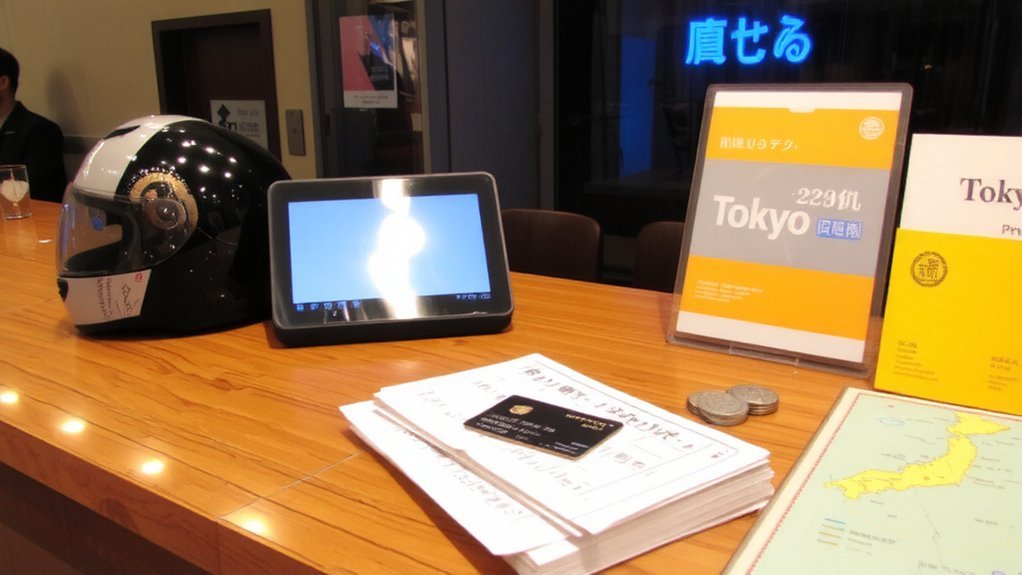
Ready to book? First, you’ll see a clear tour price breakdown—base fee per person, peak-hour surcharge if any, plus optional add‑ons like action cam rental or costume upgrades, so you know exactly what you’re paying for. Then check the deposit policy—how much to hold your spot, when it’s charged, refund rules if you cancel 72/48/24 hours out—and confirm what’s included by default: street-legal kart, fuel, guide, basic insurance, and photos, with extras like hotel pickup or SD cards spelled out.
Tour Price Breakdown
While prices vary by operator and route, here’s the honest math so you can budget without guesswork. Most tours run ¥9,000–¥15,000 per person for 60–90 minutes, with longer city loops costing more. You’re paying for street-legal karts, guide support, fuel, and a tidy safety briefing. Helmets, basic rain gear, and photo stops usually come standard. Watch the line items; they tell a story.
- Base fare: duration, route complexity, and group size drive it.
- Tax Breakdown: Japan’s consumption tax, itemized, not hidden.
- Service Surcharges: booking platform and guide coordination fees.
- Extras: action-camera rental, costume upgrades, post-tour media bundles.
Ask for a sample invoice; compare apples to apples. If an operator won’t show details, steer elsewhere. Freedom likes transparency. Plain and simple.
Deposit Policies
Because plans change, most operators take a deposit to lock your slot—and they spell out when you get it back. Expect a card hold or small upfront fee, then the balance at check‑in. Read the cutoff times: generous early, strict late. Weather? Reschedule first, refund second. Cancel the same way you booked, keep confirmations, screenshot terms. International card? Watch fees. If something goes sideways, ask for the refund path before filing a dispute; most publish Chargeback procedures. Curious about privacy? Ask about Data retention timelines.
| Policy | Typical Window | Your Move |
|---|---|---|
| Refundable deposit | 72–168 hrs | Cancel online/app |
| Partial refund | 24–72 hrs | Message operator |
| Nonrefundable window | <24 hrs | Transfer spot |
| No-show | 0 hr | Forfeit, learn |
| Chargebacks & data | Varies | Follow Chargeback procedures; ask about Data retention |
Inclusions and Extras
So what do you actually get for the price? You’re buying a seat, a street-legal kart, route guidance, and the feeling of Tokyo rushing by. Base fares run per person; deposits lock your slot and credit the balance—no surprise fees, just fuel and fun.
- Guided route and safety briefing: headset tips, hand signals, and lead-car pacing, so you ride free yet stay aligned.
- Gear and costumes: helmet or face shield included; character suits often available to borrow or rent—choose your vibe.
- Insurance basics: liability coverage standard, upgrades optional; bring your license and passport, and you’re cleared.
- Extras worth it: Postride Photos, Souvenir Pins, action cam mounts, even rain ponchos; small costs, big smiles, lasting proof. Book early for sunset slots and lighter traffic preferably.
Insurance, Liability, and Safety Briefings
Before you rev a kart through Shibuya’s lights, lock down the boring‑but‑crucial stuff: insurance, liability, and the safety briefing. Confirm your operator carries Third party Liability coverage, then check what you’re personally on the hook for: damage excess, medical coverage, and any deposit. Ask if your travel policy recognizes go‑kart tours; many do with a motorsports rider. Read the waiver, don’t skim. During the briefing, pay attention to hand signals, convoy spacing, mirrors, speed caps, and Emergency Protocols—who stops where, who calls 110, who handles translations. Snap the guide’s phone number. Practice turns in the lot until you feel smooth. No hero moves in traffic; you’re here to flow, not to prove. If rain hits, expect stricter limits. Listen, communicate, and ride within limits.
Costumes, Dress Code, and Gear
Ever wonder what to wear when you’re zipping past Shibuya in a tiny kart? Dress for play and speed. Go bold with themed outfits, but keep function first: closed-toe shoes, snug layers, nothing flappy.
Dress for play and speed: bold looks, closed-toe shoes, snug layers—nothing flappy.
- Helmet and eye protection: accept the shop’s gear, or bring your own DOT/CE lids and shatterproof shades.
- Gloves and masks: thin driving gloves improve grip; a light mask or buff blocks wind and selfies’ awkward faces.
- Secure clothing: jackets that zip, fitted costumes, no capes or long scarves; stash jewelry, tie hair tight.
- Protective accessories: knee/elbow pads optional, but great for confidence; earplugs help with engine buzz.
Skip heels, sandals, and loose bags. Pockets zip? Perfect. Want photos? Pick bright colors. You’ll look sharp, feel safe, and move freely today.
Best Times to Go and Crowd-Avoidance Tips
Pick weekdays over weekends—think Tuesday to Thursday—to skip tour buses and cosplay crowds, so you get lighter traffic, shorter check-ins, and cleaner photo stops. Grab the earliest slot you can, ideally 7–9 a.m., when roads are calm, light is soft, and intersections aren’t jammed with commuters. Time your trip for shoulder seasons: late January to early March (steer clear of peak cherry-blossom weeks) or late September to early December, and avoid Golden Week and Obon—your future self will thank you.
Weekdays Over Weekends
While weekends sound tempting, you’ll have a smoother, safer go‑kart run if you book a weekday slot—ideally Tuesday to Thursday, late morning or just after lunch. Weekdays trim the tourist swell, open up reservations, and treat you to relaxed weekday ambiance you can ride through. You’ll flow with the city, not fight it. Less stop‑and‑go, fewer photo mobs, clean laps.
- Aim for midweek, late morning or post‑lunch; you’ll dodge office commuters and crowds as streets settle.
- Favor calmer routes like Odaiba and waterfront loops; save Shibuya and Shinjuku for when you want spectacle, not speed.
- Request smaller groups, 4–6 karts if possible, to keep formations tight and overtakes simple.
- Scan event calendars—Tokyo Big Sight, stadium shows—book flexible slot around them.
Early Morning Slots
At first light—or more realistically, the day’s first tour—you get the city before it fully wakes. Streets are open, traffic is light, and your kart feels like a key to the whole map. Book the earliest slot your operator offers, usually 7–8 a.m. Arrive 20–30 minutes early, gear up fast, and request routes past Tokyo Tower or Odaiba for clean skyline shots and sunrise photography. You’ll also ride in cooler temperatures, which keeps the suit comfy and your focus sharp.
Want fewer photo-bombers and smoother pacing? Skip major station hubs, ask for backstreets between Shimbashi and Tsukiji, and stage stops at wide crossings, not narrow alleys. Keep your ID and license ready, tip your guide with promptness, and chase green lights—safely. Be bold, courteous.
Shoulder Season Months
From late March to mid‑May, and again from late September through November, you hit Tokyo’s sweet spot for go‑kart tours. Air’s crisp, rain’s lighter, and streets feel open, not swarmed. You cruise past blossoms or amber ginkgo, catch golden-hour photography lighting, and still dodge peak chaos. Check festival calendars, though—parades can reroute courses. Book a week out, choose weekdays, and aim for late morning or late afternoon for softer shadows and fewer buses.
- Scan Metro crowding trends; avoid Ginza and Shibuya start times at 5–7 p.m.
- Pick mid‑size groups (6–8 karts) for nimble lane changes and quicker stops.
- Layer up; spring breezes and autumn snaps bite at 40–50 km/h.
- Confirm route flexibility; ask operators how they handle police advisories and events on busy days.
What to Bring and Weather Contingencies
A smooth Tokyo go-kart run starts with smart packing and a quick weather check. Fire up your favorite weather apps an hour before roll-out, then again at the meet-up. Dress in layers: breathable base, windproof shell. Gloves for grip, sunglasses for glare. Closed-toe, waterproof footwear beats soggy socks every time. Bring a compact poncho, small power bank, and a copy of your ID. Travel light, but not bare—secure pockets, or a slim waist pouch.
| Sky | Gear | Vibe |
|---|---|---|
| Sunburst | Shades, light gloves | Breeze, open roads |
| Drizzle | Waterproof footwear, compact poncho | Splash, grin, go |
If rain hits hard, shorten breaks, widen following distance, and brake earlier. Windy? Tuck in, smooth inputs, enjoy the city’s hum. Cold snap on deck? Add a beanie and thin thermal socks.
Booking Steps, Timing, and Cancellation Policies
Before you click “Book,” lock down the basics: your valid license setup, your date, and your preferred time slot. You’ll move fast from browse to buy, but precision wins. Pick a route, check start points, scan blackout dates. Peak slots vanish on weekends, so act early—two weeks ahead is safe; sunrise or late-night runs are easier.
- Choose a provider, compare pricing and inclusions: fuel, guide, photo stops, insurance. Check confirmation methods: instant voucher, email, or app.
- Secure seats, entering names exactly as on IDs. Add helmets or costumes if optional.
- Read timing rules: show up 20–30 minutes early; late arrivals usually forfeit.
- Review cancellation terms. Many allow free changes 48–72 hours out, with rescheduling flexibility for rain or road closures.
Conclusion
So here’s your move: pick a reputable operator, book 1–2 weeks ahead, enter your name exactly as on your passport, then pack the essentials—original passport, home license, and a 1949 Geneva IDP (or JAF translation if eligible). Add closed‑toe shoes, maybe a jacket. Expect a card hold, safety briefing, helmets, simple rules. Arrive 20–30 minutes early. Check refund windows. Rain plan ready. Costumes? Fun, optional. Engine on, skyline waiting—paperwork right, timing sharp. Ready to roll?