
Tokyo’s a tapestry, and you need the right thread to pull. Start with JNTO and the Tokyo Metropolitan licensed guide lists, then cross-check pros on GetYourGuide, Viator, or Klook. Ask for the national guide-interpreter ID, do a quick video chat to test English, and scan reviews for specifics, not fluff. Compare fees, inclusions, and cancellation terms—no surprise “cash-only” tours. Curious which neighborhoods are worth a guide, and how to spot red flags fast?
Where to Find Licensed and Specialized Guides
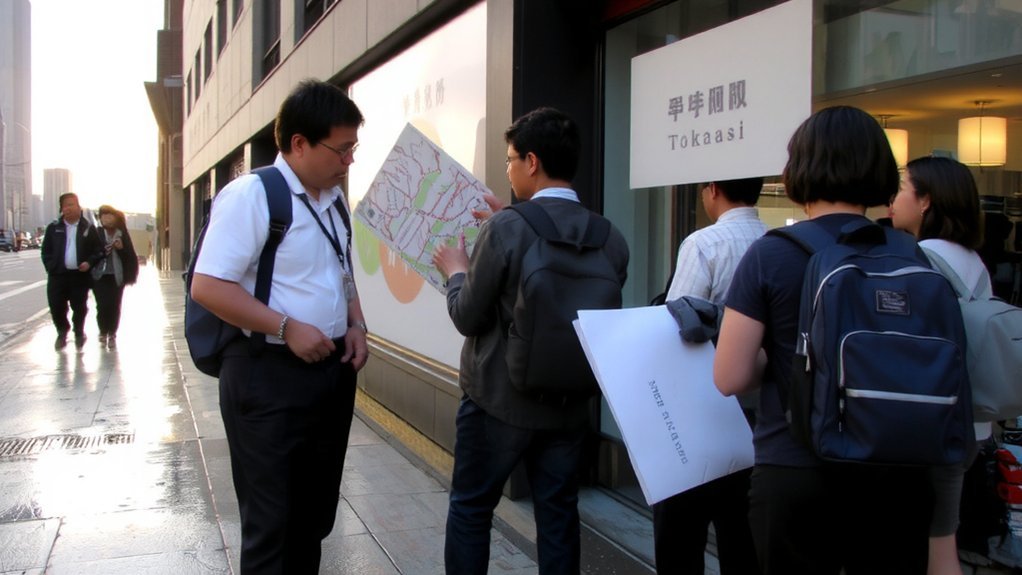
Where do you actually find the real pros—licensed, English-speaking guides who know Tokyo beyond the headlines? Start with Japan National Tourism Organization’s guide registry, then check the Tokyo Government’s list of nationally certified interpreter-guides. You’ll see credentials, languages, specialties. Cross-check reviews, message two or three, and ask for license numbers.
Want niche insight—food alleys, anime lore, modernist architecture? Look at professional associations, like the Japan Guide Association and local interpreter guilds. Tap Embassy referrals if you prefer vetted names. Visit Cultural centers, museums, and universities; staff often know trusted freelancers.
Leaning digital? Search platforms that verify licenses, not just ratings. Read sample itineraries, confirm fees, and ask about accessibility, photography rules, and transit plans. Quick vibe check, then book. Enjoy the city, on purpose.
Private vs. Group Tours: Choosing What Fits Your Trip

Before you book, decide whether a private or group tour fits your Tokyo game plan—budget, pace, and how much control you want. Private tours give you Pacing Flexibility: start at dawn at Tsukiji, linger in Kagurazaka alleys, skip a shrine when ramen calls. You set the route, the vibe, the photo stops. Great for families, photographers, introverts, and anyone with niche interests.
Group tours? Cheaper, social, and efficient. You’ll cover highlights fast, meet travelers, and learn through quick banter. The Social Dynamics can energize shy mornings—and test patience if someone’s late.
How to choose: list your must-sees, timebox your day, then price options per hour, not per headline. Hate crowds? Go private. Short on cash, but curious? Group it, happily. Tokyo rewards smart choices.
Verifying Credentials and Language Proficiency

How do you know a guide’s legit and truly fluent? Start by asking for their National Government Licensed Guide Interpreter number and a photo of the card. Confirm credential authenticity with the issuing body or JNTO; it’s quick. Membership in a pro association, like JGA, helps, too.
Test English in the wild. Schedule a five‑minute video chat. Ask them to summarize tomorrow’s plan, then pivot with follow‑up questions. Listen for smooth grammar, clear pronunciation, and cultural nuance—your real fluency benchmarks. Bonus: request a short voice note and a sample bilingual itinerary.
Prefer numbers? Look for CEFR C1–C2, or IELTS 7.5+. If they mention JLPT, that’s for Japanese; great, but not English.
Bottom line: verify documents, then road‑test language. Trust clarity, consistency, and quick thinking.
Reading Reviews and Spotting Red Flags
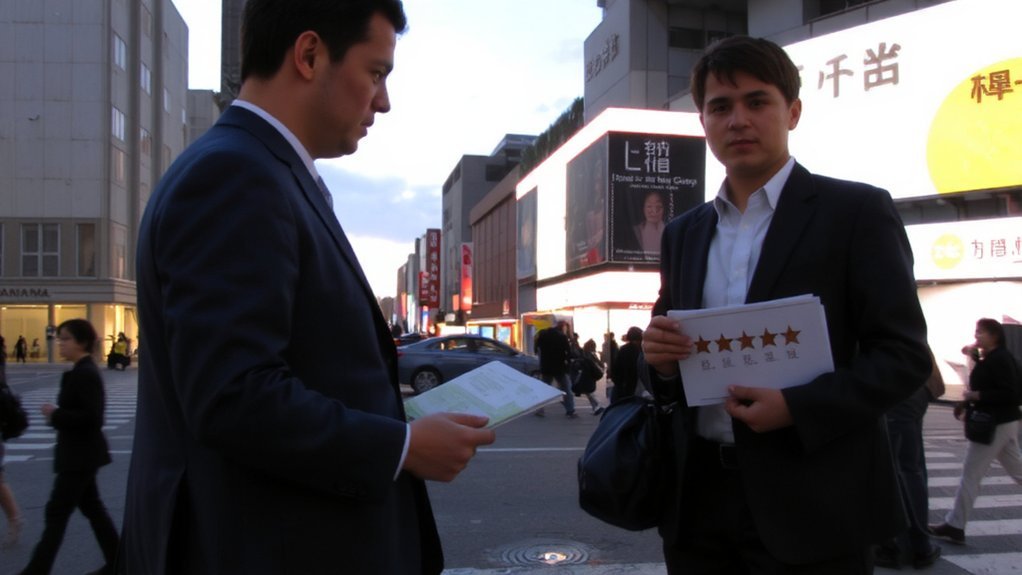
When you scan reviews, watch for vague language—“great tour,” “nice person”—with no route, timing, or standout details; ask yourself, where’s the substance? If multiple people complain about slow replies, ghosting, or last‑minute changes, treat it as a pattern, not bad luck. And spot fake profile indicators: copy‑paste phrasing, brand‑new accounts, glossy stock‑style photos, and five‑star bursts on one day—so do a quick reverse‑image search, check join dates, and ask for a verifiable website or license; it takes two minutes, saves headaches.
Vague Language Warning
Though glowing 5‑star ratings feel reassuring, treat vague praise like a yellow light. Scan reviews for specifics: street names, time frames, museum routes, little wins. If you see Ambiguous Terms like “amazing guide,” “great experience,” or “we saw everything,” pause. Ask: what sites, how long, what extras? Watch for Misleading Phrases—“authentic,” “hidden gems,” “local spots”—with zero examples. You want concrete receipts: “navigated Tsukiji Outer Market,” “explained shrine etiquette at Meiji Jingu,” “taught basic train hacks.” Compare patterns across platforms, not just one page. Sort reviews by three and four stars; they often spill useful detail. When in doubt, message the guide with two crisp questions about itinerary and flexibility. Clear, actionable answers? Green light. Smoke and mirrors? Move on, keep your freedom and spontaneity.
Repeated Communication Complaints
Often, the biggest red flag isn’t a bad tour—it’s bad communication, repeated across reviews like a drumbeat. Scan comments for patterns: slow replies before booking, slower after payment, and promises to “circle back” that never land. You want freedom, not babysitting a thread. Look for specifics: how fast did the guide confirm meeting points, changes, or emergencies? Do travelers mention message clarity—names, times, train lines—or vague filler? Two or three identical complaints equal a trend. When in doubt, send a test question. Ask about weather plans, accessibility, or start-time flexibility. Clock the response speed, tone, and detail. Trust the chorus.
| Emotion | What You Notice |
|---|---|
| Frustration | Hours pass, response delays pile up |
| Relief | Clear timelines, solid message clarity |
Choose guides who communicate clearly, consistently, always.
Fake Profile Indicators
How do you spot a guide who isn’t who they claim to be? Start with the profile, then test what you see. You want real people, real stories, not smoke and mirrors. Scan photos, read reviews, and cross-check timelines. When something wobbles, pause. Trust your gut, but verify with receipts.
- Look for stock photos: reverse image search headshots; if they appear on random blogs, move on.
- Watch for mismatched locations in captions, seasons, or landmarks; cherry blossoms don’t bloom in November.
- Read reviews for vague praise, repeated phrases, and new accounts posting in clusters.
- Check bios against tour details: licenses, languages, and years active should align with pricing.
- Message them: ask for a voice note and a recent, dated photo at a Tokyo spot.
Comparing Prices, Inclusions, and Hidden Costs

Compare quotes apples-to-apples: match tour length, group size, language level, transport, admissions, taxes, then run the math per hour and per person—Tokyo yen sneaks add up fast. Run a hidden-fees checklist: hotel pickup, subway fares, shrine or museum tickets, tea ceremony add-ons, overtime, holiday surcharges, credit-card fees, and the guide’s meal. If anything’s fuzzy, ask for a written breakdown and an all-in final price; if they hedge, thank them and move on—plenty of great guides price cleanly.
Price Comparison Tips
Why pay more for the same shrine stroll? Compare guide rates side by side, not just by price, but by value. Check tour length, group size, language level, and what’s actually included. Look for Seasonal discounts, flash sales, and weekday rates. Do a quick Currency conversion, and see if the “deal” still holds. Trust your gut, but use data.
- Match inclusions: transit cards, entry tickets, snacks, photos.
- Time matters: 2 hours vs 4 changes the math.
- Read recent reviews, filter for English clarity.
- Ask about customization without extra markup.
- Screen for cancellation terms, fair and simple.
Use a spreadsheet or notes app, score each tour, high to low. Then book the top value, keep your yen for ramen tonight.
Hidden Fees Checklist
You’ve lined up rates and value; now guard your yen from the sneaky extras that balloon a “bargain.” Start at checkout screens: platform service fees, tax/VAT, and currency conversion can add 5–12% fast. Next, confirm what’s actually included. Hotel pickup? Transit passes? Guide’s meals? If not, you’ll pay. Ask about Extra Admissions for shrines, museums, and towers; many “city highlights” skip tickets. Same for Equipment Rentals—bikes, helmets, kimono, even rain ponchos. Tipping isn’t standard in Japan, but some platforms sneak “gratuity suggestions.” Decline. Check cancellation windows and rebooking penalties; flexible policies cost more upfront, save you later. Verify group size caps and “private upgrade” fees. Finally, watch daylight hours versus overtime. After sunset stroll in Shinjuku? Beautiful—just don’t fund the neon twice. per hour.
Neighborhoods and Experiences That Benefit From a Guide
Even if you’re a confident navigator, some corners of Tokyo open up only with a savvy, English‑speaking guide. You want access, context, and zero awkward guesswork. A good guide reveals etiquette, backstreets, and timing, so you move like a local, not a lost commuter.
- Tsukiji sushi tasting in hidden counters, plus the auction’s legacy explained without guesswork.
- A Sumo stable visit, where you mind the rules, watch keiko, and don’t step on toes—literally.
- Golden Gai bar-hopping, reading tiny-room vibes, tipping norms, and who’s pour-only for regulars.
- Asakusa rituals decoded—purification, fortunes, craft workshops tucked behind Nakamise.
- Yanaka’s lanes, cats, and quiet temples, with history that doesn’t sound like a lecture.
Say yes to depth, no to drift. You’ll keep your freedom—and gain insider fluency today.
Safe Booking: Platforms, Payments, and Cancellation Policies
Before you lock in a guide, treat booking like trip insurance: a few smart checks now save headaches later. Use reputable platforms—GetYourGuide, Viator, Klook, or licensed local agencies—with visible licenses and recent reviews. Pay inside the platform only, never by wire or random QR. Look for Payment encryption, escrow, and two‑factor logins. If a site looks 1999, bail.
Read cancellation rules line by line. Note Refund timelines, cutoff hours, no‑show penalties, and weather or transit clauses. Flexible 24–48 hour policies give you wiggle room; strict ones should justify the risk with stellar value.
Confirm total cost: taxes, guide transport, overtime, currency conversion, and platform fees. Screenshot everything. Keep chat and receipts in one thread. And yes, your credit card’s chargeback protections are your parachute.
Communicating Your Interests and Customizing the Itinerary
How do you make a guide nail your vibe on day one? Start with a quick briefing before you meet. Tell them why you’re here—street food, hidden shrines, vinyl shops, or all three. Share hard limits and must-sees. Name your photography priorities, your pace preferences, and your budget. Ask for options, not a script.
- Send a pin-drop hotel pickup and first stop.
- List time windows: sunrise fish market, twilight skyline.
- Flag food rules and curiosities: vegan ramen, yakiniku, allergies.
- Note mobility needs, transit comfort, stairs vs. elevators.
- Request buffer slots for serendipity and extra photo time.
Confirm the route in writing, with transit costs and rain plan. During the tour, speak up early. If energy dips, pivot. Tokyo rewards honesty, and fast course-correction. Always.
Conclusion
Test the popular theory that Tokyo is “uncrackable” without Japanese. You’ll prove it wrong. Start with JNTO and Tokyo registries, shortlist licensed guides, then hop on a video call, ask for the national ID. Compare Viator or GetYourGuide offers, fees, and cancellation rules, pay only on-platform. Pick Asakusa history, Tsukiji tastings, or Akihabara subculture, private or group, your call. Share your must-sees, allergies, pace. Do this, and your guide becomes a bridge, not a gamble.