
At 6:00 a.m., you hop on the Nozomi from Tokyo Station, coffee in hand, and roll into Kyoto by 8:15—center to center, no fuss. Prefer the JR Pass? Take the Hikari, about 2h40. Not DIY? Book a small-group tour or a private driver for door-to-door and luggage help. Reserve seats, forward bags, hit Fushimi Inari and Arashiyama smartly. Which fits your time, budget, and comfort—let’s stack the options side by side.
Fastest Ways to Reach Kyoto From Tokyo

How fast can you get from Tokyo to Kyoto and still make a full day of temples, tea, and trains? You’ve got three realistic plays: bullet train, plane, or car. For pure speed, rail wins city-center to city-center; flights burn time on transfers and security, and driving wrestles traffic. Speed comparison? Door to door, the train usually lands you in Kyoto in about 2.5–3 hours, reliably. Flying can stretch to 4–5. Car, longer.
Want freedom and flow? Book an early train, depart from Tokyo or Shinagawa, and roll straight into the old capital by midmorning. Skip checked bags, use an IC card, pack light.
Emissions impact matters, too. Trains emit far less CO₂ than planes or solo driving. Faster, cleaner, calmer. Go today, boldly.
Shinkansen Options, Speeds, and Seat Types
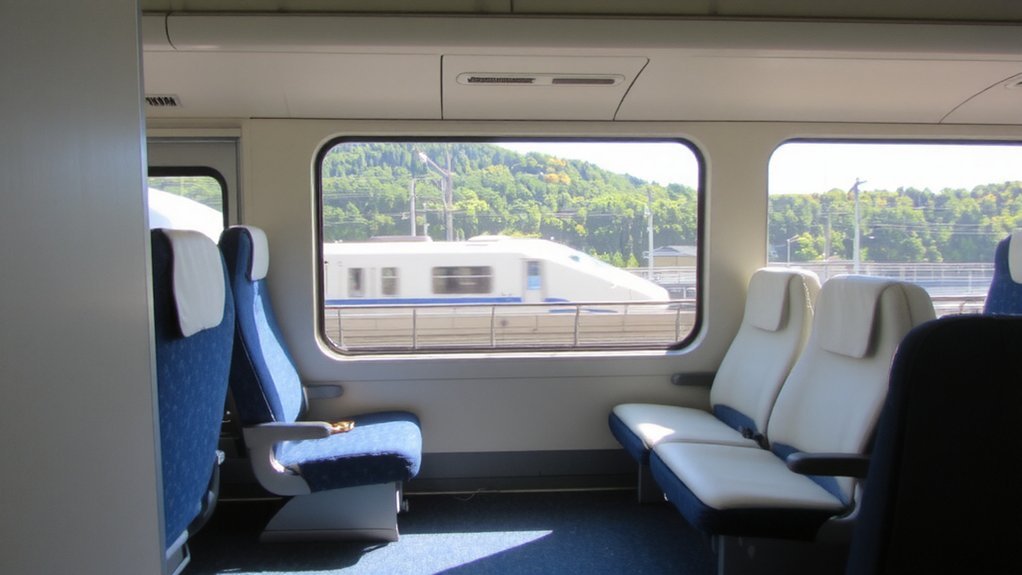
While all bullet trains feel fast, your pick—Nozomi, Hikari, or Kodama—sets the pace and comfort for the day. Nozomi blitzes Tokyo–Kyoto in about 2 hours 15 minutes, few stops, pure momentum. Hikari balances speed and access, roughly 2 hours 40. Kodama pauses at nearly every station, around 3 hours 40, good if you want flexibility or quieter cars.
Seat types? Ordinary and Green. Ordinary runs 2+3 across; Green upgrades to 2+2, deeper recline, better seat ergonomics, calmer vibes. On newer N700S sets, you get power outlets at every seat, generous legroom, and subtle tilting technology that keeps curves smooth.
Reserve a seat if you crave certainty, or roll with non-reserved and board early. Pro tip: rotate your seats to face friends, windows, or sunrise.
Costs and When the JR Pass Makes Sense

Why do costs feel slippery? Because prices shift with exchange rates, seat choices, and little extras that nibble at your budget. Start with a simple Break even Analysis. A Tokyo–Kyoto round-trip on the shinkansen runs about the cost of two long rides; by itself, that rarely justifies a 7‑day JR Pass. Add a Nara hop, Osaka loop, maybe a Hiroshima dash, and now you’re close.
Do this: list your intercity rides, note fares, total them, then compare to the current pass price. Include Hidden Fees: seat reservations, delivery or pickup charges, currency spreads on your card, even locker costs if you travel light. If your total beats the pass by 10–15%, buy individual tickets. If it’s within 5–10%, the pass buys flexibility. And freedom.
Guided Day Tours: Group Bus vs. Small Group

You’ve crunched the rail math; now decide what your day in Kyoto looks like on the ground. Big group bus tours keep costs low, hit Fushimi Inari, Kiyomizu-dera, and Arashiyama fast, and handle tickets. You trade flexibility for efficiency. Expect a tight schedule, quick photo stops, and limited Guide Interaction, but a lively Social Atmosphere if you like meeting fellow travelers.
Small group tours cost more, cap at 8–12, and move nimbly. You’ll slip down side streets, try a snack at Nishiki, and linger at a garden when it feels right. Guides learn your interests, adjust pace, and answer real questions.
How to choose? Ask about group size, walking distance, lunch plans, audio, and cancellation rules. Book early, confirm meeting points, wear comfy shoes.
Private Transfers and Custom Itineraries
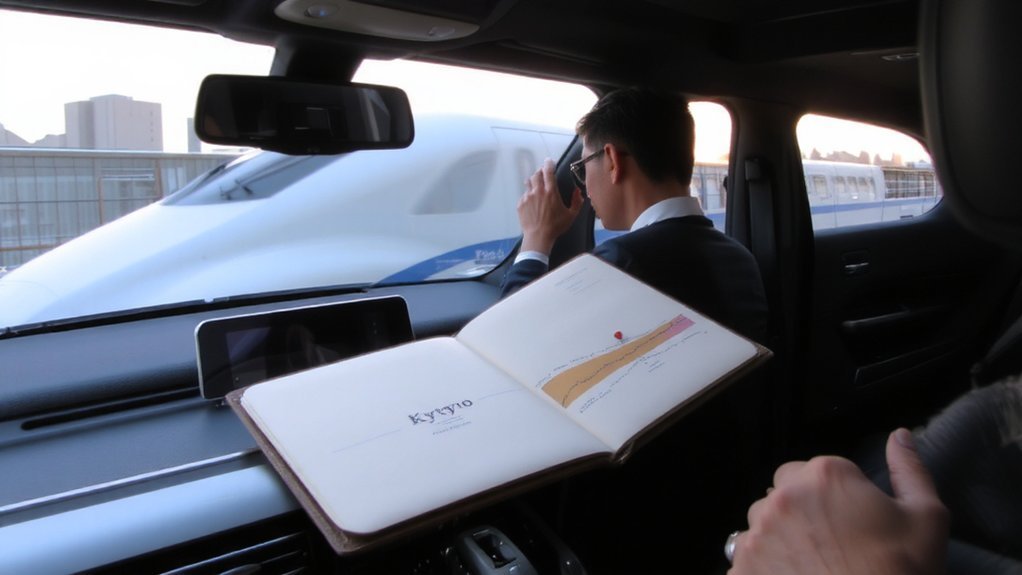
With a private transfer, you get true door-to-door service—no platform sprints, no luggage juggling, just hop in and go. Set flexible pickup times that suit your day, whether it’s 6:00 a.m. for Fushimi Inari at sunrise or 9:30 after coffee—your call. Then tailor your sightseeing route: Arashiyama’s bamboo grove, Nishiki Market for lunch, a tea ceremony in Gion, with your driver waiting and the plan adjustable on the fly.
Door-To-Door Service
How does door-to-door feel on a Tokyo–Kyoto day tour? It feels liberated. You step outside your stay, a driver greets you, bags in, wheels rolling. No ticket lines, no transfers, no guesswork. You choose the stops: Fushimi Inari at dawn, Nishiki bites at noon, a quiet teahouse before the ride back. Your car fits you—luggage, strollers, even wheelchairs—thanks to Accessibility options. And yes, Pet transport is on the table; your buddy rides safely, supervised, calm.
| Feature | What you get |
|---|---|
| Hotel curb pickup | Skip station crowds |
| Direct routes | Fewer stops, more sights |
| Onboard comforts | Water, Wi‑Fi, chargers |
Booking tip: share your must-see list, dietary needs, and mobility notes up front. The team maps an efficient loop—no detours unless you ask. Stay present; we handle rest.
Flexible Pickup Times
When do you want to start—sunrise at Fushimi Inari or after a slow hotel breakfast? With private transfers, pickup times bend to you. Choose 5:00 a.m., 9:30, or noon; we’ll sync the car, driver, and tolls to your clock. Set your notification preferences—texts, apps, or calls—so updates find you fast. Build in buffer allowances: 15 minutes for elevators, 10 for coffee, a little extra for luggage wrangling. Running late? Tap to shift the window; we’ll hold the vehicle within a clear grace period, then advise on overtime. Landing from Haneda? Share the flight number, and we’ll track it. Prefer a quiet start? Ask for soft pickup—no chatter, calm music, water ready. Simple, flexible, on time. Freedom, without the chaos. Your day, your pace, guaranteed.
Tailored Sightseeing Routes
Even if your wish list looks impossible, we map a route that fits your clock and energy. You choose the pace, we handle the gears: a private car from Tokyo, a smooth Shinkansen hop, or both. Tell us what thrills you—hidden temples, tea alleys, bamboo paths, sunrise or lantern-lit nights—and we stitch it together. Skip lines, time shrine visits between tour-bus waves, hit photo hotspots when the light behaves. Want ramen first, then a sake stop, then Fushimi Inari’s quiet back trails? Done. Prefer artisan studios over crowds? We’ll detour. You’ll get a clear timeline, buffer minutes, and fallback options. One driver, one plan, zero guesswork. More freedom, less friction. It’s your canvas; we just sharpen the pencils. Add sunrise starts or slow sunsets.
Timing Your Day: Departures, Returns, and Time on the Ground
Because Kyoto rewards early risers, plan a dawn departure from Tokyo so you bank real time on the ground. Catch a first-wave shinkansen, glide in before crowds, and give yourself a clean six to eight hours to roam. Build a buffer on both ends, because trains run tight, but life doesn’t. Aim for a firm return window—say, 6–8 p.m.—so you’re not sprinting platforms.
Guard your freedom with smart Meal Scheduling and honest Rest Breaks. Eat on the train, snack between sights, hydrate, repeat. Set check-ins: a midday pause, a late-afternoon reset, then head to the station with 30 minutes to spare. Weather? Adjust. Energy dip? Shift pace. Non‑negotiable rule: protect transit margins. Miss one train, you lose two sights. Not today. Stay nimble, satisfied.
Sample One-Day Kyoto Itinerary From Tokyo
You catch an early Shinkansen from Tokyo—think 6:00–7:00 a.m.—so you roll into Kyoto before 9, coffee in hand and a clear plan. Start with the Higashiyama walking route: Kiyomizu-dera at opening, then Sannen-zaka and Ninen-zaka, lunch near Yasaka, and on to Gion and maybe the Philosopher’s Path if time’s kind. As daylight fades, head to Fushimi Inari for a night visit, glide through lantern-lit torii with fewer crowds, then hop a late bullet train back—tired legs, full heart, no regrets.
Early Shinkansen Departure
At dawn, catch an early Tokaido Shinkansen from Tokyo or Shinagawa—aim for a 6:00–6:30 departure—so you roll into Kyoto by 8:15–9:00, ahead of the tour buses and the heat. Book the night before, window seat, car 7–10 for less foot traffic. Nozomi is fastest; with a JR Pass, pick Hikari only—still swift. Arrive 20 minutes early, follow Platform rituals: line up on markers, let riders off, board fast. Grab ekiben and coffee; those Station amenities open before sunrise, and yes, bathrooms are spotless.
Set phone to silent, stash big bags in the last-row space, relax. You’ll watch Mt. Fuji flash by near Shin-Fuji—have your camera ready, right side seats win. In Kyoto by breakfast, free to roam. That’s the point. No time wasted, ever.
Higashiyama Walking Route
Stone steps and sloping lanes set your day’s rhythm: start at Kiyomizu-dera by 8:00, then flow downhill through Sannenzaka and Ninenzaka while shop shutters still creak open. Pause for steam from a sweet yam stall, then slip into quiet alleys by Yasaka Pagoda. Duck into Tea houses for matcha and a seat with a view; you’ve earned it. Browse Traditional crafts—Kyoto pottery, fans, incense—asking makers short, curious questions. Continue to Kodai-ji’s gardens, then wander toward Maruyama Park and the Gion gate. Keep moving, lightly, like you’ve got all day but know you don’t. Need lunch? Grab soba or tofu sets, fast but thoughtful. Snap fewer photos, notice more textures, wood grains, roof tiles. By midafternoon, you’re ready for the next hop. Onward, traveler, freely.
Fushimi Inari Night Visit
As dusk settles over Gion, head for Fushimi Inari—night is when the vermilion gates breathe. Take the JR Nara Line to Inari Station, two stops from Kyoto Station, and slip straight into the torii river. Walk past the crowds to Yotsutsuji overlook, then loop quieter ridges. You’ll move faster, breathe easier, own your pace.
Want lantern photography? Boost ISO, brace against a post, avoid tripods, and kill the flash. Those stone foxes, messengers of Inari, glow with sly grace—note the rice keys in their jaws, classic fox symbolism. Be respectful, keep voices low.
Time your exit. Trains to Kyoto Station run late; the shrine stays open 24/7. If you’re Shinkansen-bound for Tokyo, aim for a Hikari around 9:30, cushion included. for transfer and snack.
Add-Ons: Luggage Forwarding, Seat Reservations, and IC Cards
Before you bolt for the platform, dial in three add-ons that make a Tokyo–Kyoto day trip effortless: luggage forwarding, seat reservations, and an IC card. Ship your suitcase via takkyubin from your hotel, tag it clearly, snap a photo, and add luggage insurance if you’re carrying gear. You’ll roam hands‑free, just a daypack and grin. Next, reserve Shinkansen seats online or at a JR ticket machine; pick Hikari, choose non‑smoking, and sit on the Mount Fuji side if you like views. Confirm car number, track, and arrival time. Finally, load a Suica/PASMO/ICOCA, and watch your card balance; tap in for subways, buses, lockers, even snacks. Pro tip: set auto‑charge, keep a backup 1,000‑yen bill, and move—no fumbling, no friction. Freedom loves smooth, planned moves.
Seasonal and Crowd Strategies for Popular Sights
You’ll time Kyoto best by season: blossoms peak late March–early April and maples mid–late November, but shoulder windows shine—early March, late April–May (skip Golden Week), early December, even June weekdays when light rain thins crowds. Go off-peak within the day too: Tuesday–Thursday, be at gates at opening, hit temples during lunch lulls, and shift big sights to late afternoon when tour groups fade. Start early and stay late—catch a 6:00 am Nozomi to reach Fushimi Inari around 8:15 for quiet torii, walk Arashiyama Bamboo Grove before 7 am or after 8 pm, then linger in Gion or for Kiyomizu-dera’s seasonal night lights, heading back on an 8–9 pm train.
Best Seasons to Visit
Though Kyoto dazzles year-round, timing your day trip from Tokyo can make or break it. Spring hands you cherry blossoms, temple paths like confetti, and cool air that keeps you moving. Summer hits hard, bright and humid, but festivals and lush gardens reward your grit. Autumn delivers peak drama—crisp skies, blazing autumn foliage, photogenic every hour. Winter? Quiet beauty, clear views of Higashiyama, and hot tea that feels like a plan. To match season with sights, use this quick matrix—simple, bold, no second guessing.
| Season | Best | Pro |
|---|---|---|
| Spring | Blossoms | Combos |
| Summer | Festivals | Shade |
| Autumn | Foliage | Teahouse |
| Winter | Views | Layers |
Pick your vibe, book the shinkansen, and own the day. Carry a pack, quick-dry layers, and a battery bank. Favor scenic loops—Arashiyama, Gion, Nanzen-ji—so you’re never stuck backtracking. Snap the shot, breathe, move. Freedom loves momentum, and you’ve got it.
Off-Peak Timeframes
At dawn, win Kyoto back from the tour buses. Travel on a Tuesday or Wednesday, when the weekday lull softens the city; skip weekends, national holidays, Golden Week, and Obon. Track school-trip seasons—late spring and October—then pivot to less tour-heavy zones or indoor gems. Cloudy days? Great. Light rain clears day-trippers, and temples glow. Aim for mid-mornings after inbound groups move on, then pivot again for midday serenity in quieter districts like Okazaki, Uji, or Kurama. Reserve timed-entry spots—Saiho-ji, Nijo Castle—early in the week. Check event calendars for festivals that spike crowds, reroute if needed. Use local buses only short hops; walk or bike parallel streets to slip past choke points. Buy lunch early, picnic riverside, and re-enter sights as tours cycle out later.
Early Starts, Late Stays
Because Kyoto rewards the early and the stubbornly patient, build your day around sunrise and last light. Catch the first Hikari from Tokyo, arrive by 8, and walk Fushimi Inari’s lower torii before tour buses unload. Then pivot: Kiyomizu-dera right at opening, or Arashiyama’s bamboo just after dawn. Nap on the return train, yes, that’s circadian adjustment working for you. Midday, duck into less-hyped temples, Nishiki lunch, museum air-con. Rest again. Then go back out: golden hour at Gion’s backstreets, blue hour at Yasaka, and night at Pontocho. You’ll dodge queues, carve space, breathe. For evening safety, stick to lit lanes, mind last Shinkansen timetables, and keep a charged Suica. Freedom formula: start absurdly early, linger late, travel light. Hydrate, layer, plan backup options.
Booking Tips, Apps, and How to Avoid Common Pitfalls
While booking a Tokyo–Kyoto day tour seems simple, you’ll dodge headaches if you follow a few pro moves. Book direct with operators when possible, then compare on Klook, KKday, and Voyagin for bundle perks. Check departure windows, refund cutoffs, and pickup points; tight transfers kill freedom fast. Scan reviews for timing accuracy, not just star counts. Screenshot vouchers, save offline maps, and set alerts for platform changes. Trust, verify.
Use a credit card with strong payment security, avoid debit holds. In apps, trim app permissions to essentials—location while using, nothing creepy. Message hosts to confirm seat assignments, car type, and guide language. Price dip? Ask for a match. Rain plan? Demand specifics. And bail on tours that oversell “guaranteed” Fushimi shots—sunrise crowds don’t listen.
Conclusion
So is the theory true—you can conquer Kyoto in a day from Tokyo? Yes, if you plan like a pro. Book Shinkansen early, reserve seats, travel light, forward bags. Aim for Hikari or Nozomi, hit Arashiyama at dawn, pivot to Kiyomizu-dera, finish at Fushimi Inari. Use IC cards, apps, backups. Prefer small-group tours? Great; they pace the day. Need door-to-door? Private transfer wins. Bottom line: choose speed, stack margins, keep moving, leave room for wonder.