
Want real Tokyo savings without cramping your plans? Stack a 24–72h Tokyo Subway Ticket, skip the JR Pass in-town, grab tourist-center or hotel coupons, and prebook on Klook/KKday with free cancellation. Activate transit passes mid‑morning, eat lunch sets, hunt depachika markdowns, and use Suica/PASMO for painless transfers. Add tax‑free shopping and store points, then target free temples, views, and festivals. The trick is combining them—step by step, timing and order matter.
City Passes Worth Buying: Tokyo Subway Ticket, Toei/Metro 24–72h, Grutto Museum Pass
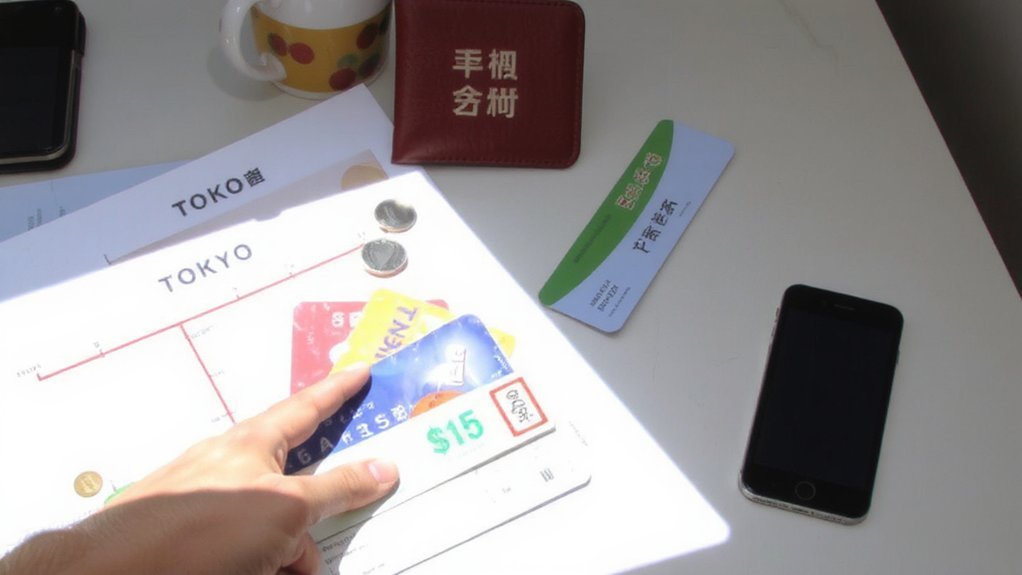
Why start any Tokyo trip by guessing at fares when a couple of smart passes do the heavy lifting? Grab a Tokyo Subway Ticket and roam 13 Metro and Toei lines without meter anxiety. Choose 24, 48, or 72 hours, tap in, breathe out, chase ramen and sunsets. For maximum flexibility, the Toei/Metro 24–72h combo covers both systems, perfect when you’ll bounce across town all day. Pair transit with culture: the Grutto Museum Pass gives discounts at dozens of museums and zoos; map a loop, stack savings. Watch for Design Evolution and limited Collector Tickets at kiosks—fun, practical souvenirs. How to start? Estimate rides, pick a duration, buy at airports or major stations, set an alarm for expiry, then let Tokyo flow. For real.
When the JR Pass Doesn’t Pay Off Inside Tokyo
Even though that shiny JR Pass feels like a golden ticket, Tokyo is where it often underperforms. You’ll ride short, cheap segments, and that’s where short hop economics beat a flat-rate pass. JR skips key pockets, those branch line gaps push you onto Metro or Toei anyway. Aim for Suica/PASMO pay-as-you-go, or a Subway Ticket for bursts. Use JR only when the Yamanote or Chuo-Sobu is clearly fastest. Otherwise, mix and match. Freedom first, fares second.
| Route/Need | Smarter move |
|---|---|
| Asakusa ↔ Ueno | Metro Ginza Line |
| Shinjuku ↔ Omotesando | Metro Fukutoshin/Chiyoda |
| Odaiba day | Yurikamome/Bus day pass |
| Museum cluster hop | Walk + PASMO taps |
| Late-night cross-town | Taxi share or last Metro |
Quick math: two or three 170–220¥ hops stay under a pass’s burn. Save the JR Pass for intercity.
Stackable Discounts From Tourist Info Centers and Hotel Concierges
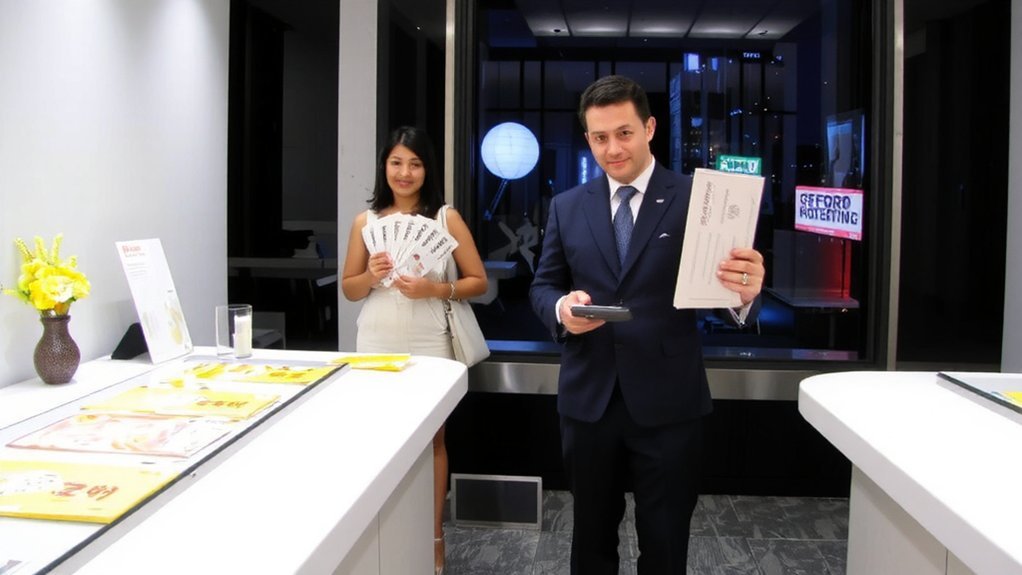
Start at a Tokyo Tourist Information Center, grab a free coupon bundle—museum passes, ramen set deals, SkyTree or river cruise cuts—and ask which ones stack with online promos. Then hit your hotel desk and request the concierge’s exclusive codes or QR links; many cover teamLab, bus tours, even airport transfers, and they’ll flag what combines without breaking terms. Stack smart: coupon at the counter, code in the app, pay with a 5% cashless rebate card, and walk away saving twice—sometimes three times—no awkward math, just tidy receipts.
Tourist Center Coupon Bundles
A smart traveler’s move: swing by a Tokyo Tourist Information Center or your hotel concierge and ask for their coupon bundles, then stack them for real savings. Grab maps, then ask for limited-time sheets behind the desk. You’ll find family packages, museum pairs, and train-day add‑ons. Thanks to local collaborations, one bundle often opens another—hello comp drink, goodbye full-price admission.
| Bundle Type | Typical Perk |
|---|---|
| Family/Multi-attraction | 10–30% off, kid freebies |
| Transit + Museum | Discounted combo, priority entry |
| Food + View | Set lunch, tower ticket |
How to play it: collect, compare, combine. Match dates, check exclusions, and stack a center bundle with a public promo. Screenshot QR codes, circle terms, keep a running total. Freedom with receipts. Pocket the savings, spend on spontaneity, and roam where curiosity leads.
Concierge Exclusive Codes
Those coupon bundles set the table—now ask for the codes the staff won’t print on the flyers. Walk up to the tourist info desk or your hotel concierge and say it straight: do you have exclusive vouchers or partner codes I can stack with these? Smile, be bold, and mention your route—Skytree, teamLab, river cruise—so they reach for the right sheet. Many centers keep QR slips for weekday slots, off-peak ferries, and museum late entries. Concierges often grant ride passes, airport bus deals, even bar cover waivers. Cross-check expiry dates, minimums, and blackout hours. Screenshot the code, then test it in the booking cart before you leave. If it fails, ask for alternates. Different desk, different stash. Try airports, malls, and station kiosks too.
Coupon Apps and Online Prebooking for Extra Savings
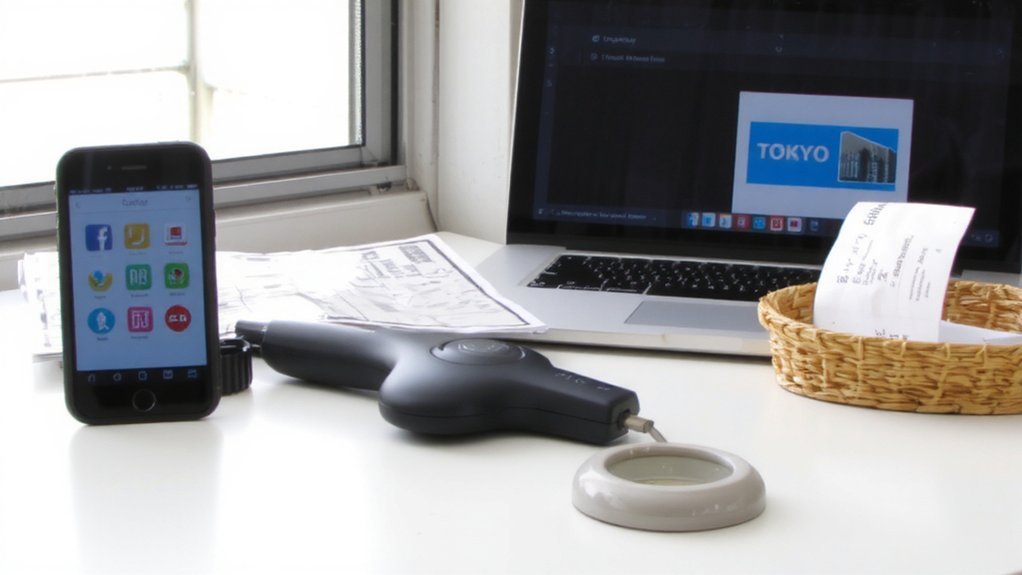
Why pay sticker price when a few taps can cut Tokyo tour costs by 10–30%? Download coupon apps like Klook, KKday, Rakuten Travel Experiences, even GetYourGuide, then switch on deal alerts. You’ll catch app-only codes, flash sales, and weekday slots that drop prices fast. Prebook popular tours with free cancellation, lock the rate now, adjust later. Use browser extensions to auto-apply coupons and cashback, and compare currencies; paying in yen often wins.
Stack smart: referral credits, new-user bonuses, and card promos at secure checkout. Check the padlock, avoid sketchy links, and screenshot the total before you hit buy. Hunt off-peak times, early birds, and last-minute fills. Tiny tweaks, big freedom. And if a code fails? Try again, or swap providers. Stay nimble, save more.
Attraction Combos and Multi-Spot Tickets That Cut Costs
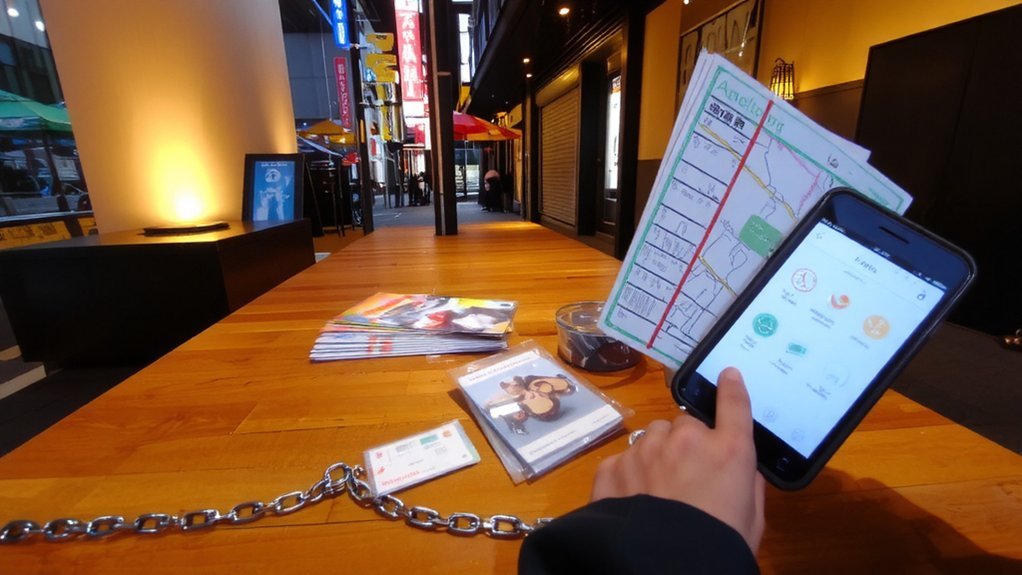
Start with city pass options like the Tokyo Museum Grutto Pass or a Klook/Go City pass—check what’s included, the time limit, and your per-stop cost, then pick the one that matches your route. Then eye transit + attraction bundles: pair a 24–72h Tokyo Subway Ticket with Tokyo Skytree or teamLab entry to cut fares and queues, and cluster stops by neighborhood so you’re not zigzagging all day. For museum and landmark combos, think Ueno Park museum sets, Skytree + Sumida Aquarium, or Mori Art + Roppongi views—map a one- or two-day loop, use every inclusion, and don’t leave yen on the table (your feet will thank you).
City Pass Options
How do you cut admission costs without skipping the fun? Grab a Tokyo city pass and let it work quietly in your pocket. You pay once, then flash a QR for curated sights—simple, fast, free-spirited. Check Digital validity: when the clock starts, how long it lasts, and whether timed-entry slots apply. Read Resale policies, too; transfers often void the pass and can get you denied at gates. Activate late morning, stretch day one. Hydrate, keep moving.
| Pass Type | Best For |
|---|---|
| Grutto Museum Pass | Art lovers, many small museums, big-name discounts |
| Observation Deck Set | Skyline fans, towers plus photo spots |
| Family Fun Pack | Families mixing aquariums, zoos, exhibits |
Transit + Attraction Bundles
While single tickets add up fast, transit + attraction bundles slice costs and smooth your day. Grab packages that pair unlimited metro or tram rides with entry to fun spots—aquariums, gardens, arcades, even hot-spring spas. Look for passes that include themed trams on the Toden line, or night ferries across Tokyo Bay; transit becomes part of the show, not just the transfer. How to hunt them down? Check railway company sites, hotel kiosks, and official tourist counters. Compare 24-hour vs. weekend bundles, and note blackout dates. Do the math: plan three or more stops, then verify gate prices vs. the bundle. Reserve timed entries when offered, skip queues, and float past ticket lines. Bonus tip: screenshot QR codes, and save battery on long days.
Museum and Landmark Combos
Why pay à la carte when museum and landmark combos cut the bill and lock in a smoother day? Grab a multi-spot pass and stitch highlights together—fewer lines, clearer costs, more freedom. Pair Tokyo National Museum with Ueno Zoo, then swing to Tokyo Skytree; you’ll see Architectural contrasts and feel chronological journeys in one loop.
Book online, select a timed entry, and screenshot the QR. Done. Start early, go big first, then coast. Use combo maps to plan snack breaks and transit hops. Prioritize weather-sensitive views for sunny hours, museums for rain. Check student or foreign visitor rates, and weekday pricing quirks. If a venue underwhelms, skip it—your pass still wins. And hey, souvenirs? Save for the exit—hands free, heart light and budget happy.
Time It Right: Off-Peak Hours, Weekdays, and Seasonal Deals
Even if your dates feel fixed, you can still hack the clock to cut Tokyo tour costs—go early, go late, and go midweek. Hit morning slots for shrines, gardens, and observatories; lines shrink, dynamic pricing drops, guides discount. Late entries work too—last-hour tickets at museums, twilight river cruises, quieter markets. Target Tuesdays–Thursdays; fewer domestic tourists, more promos. Scan attraction calendars for Seasonal closures and special “soft-open” rates. Watch Weather windows: drizzle scares crowds, but views pop after storms, and operators slash prices. Book flexible tickets, set fare alerts, and jump when flash deals land. Golden Week? Avoid. Obon and weekends? Same. Shoulder seasons—March, May, October—win. Bundle transit off-peak with day passes, ride after 10 a.m., and keep your schedule loose. You’ll save, big time.
Eat Smart: Lunch Sets, Depachika Finds, and Happy Hours
Lean into Tokyo’s daytime deals—hunt lunch sets, sweep the depachika basements, and pounce on happy hours before the crowds wake up to them. Scan menus at 11–14:00; ask for the lunch setto, and you’ll snag miso soup, rice, salad, and a main for the price of a latte. Department stores? Ride the escalator down for depachika tasting, free samples, and end-of-lunch bento markdowns. Build a picnic: cutlet bites, pickles, and a can of tea. Hit happy hours, usually 15–18: half-price beer, highballs, yakitori, gyoza. Stand at a tachinomi bar, share plates, move on. Want stealth savings? Use konbini hacks: onigiri + soup combos, app coupons, late-day stickers. Bring a small tote, skip extras, and chase flavor, not cover charges. Stay nimble, spend with intent.
IC Cards: Tap, Transfer, and Fare Capping Tricks
You’ll pick Suica or PASMO—functionally the same—grab one at airport kiosks or stations, or add it to your iPhone/Apple Watch/Android, then tap in and out like a pro. Fare capping basics: Tokyo doesn’t have a universal daily cap on IC taps, but some operators apply transfer discounts, a few bus routes cap daily fares, and 24‑hour tickets (Tokyo Metro/Toei) work as a manual “cap,” so match the pass to your itinerary. For seamless transfers, stay inside the gates on through‑services, follow same‑operator transfer signs to keep discounts, keep your card alone in the wallet to avoid misreads, and when in doubt, use the Fare Adjustment machine—zero drama, quick fix.
Suica Vs PASMO
How do you pick between Suica and PASMO when all you want is tap-and-go travel—and maybe a few sneaky discounts? Both work on almost all trains, subways, plus shops and lockers. You’ll tap in, glide through gates, and keep moving fast. Differences are small, but they matter when you want smooth days. Think where you’ll buy, how you’ll top up, and how you’ll exit.
- Availability: Suica at JR East machines; PASMO at private rail. Airports stock both.
- Mobile: Suica loads to Apple/Google Wallet widely; PASMO works, sometimes later.
- Perks: Operator promos, cafe discounts, and locker deals differ; read station posters.
- Card aesthetics: Suica’s penguin vs PASMO’s pink; pick what sparks joy.
- Refund procedures: Suica at JR counters, PASMO at private; bring passport, small fee.
Fare Capping Basics
A quick reality check: Tokyo’s IC cards don’t do London-style daily fare capping, so your Suica or PASMO won’t magically stop charging after some daily limit. You pay what you ride, line by line, operator by operator. Why? Cap mechanics require a shared back end and revenue pool, and Tokyo’s patchwork of private railways operates under a legislative framework that favors operator-by-operator settlement.
Seamless Transfer Tips
While Tokyo won’t cap your daily spend, you can still glide through transfers and avoid gotchas with a few smart habits.
- Tap in and out with one IC card per person, no sharing, and keep it away from passports or phones to prevent double reads at gates.
- Practice Signage decoding: JR lines, subways, and private rails use colors and codes; follow transfer arrows, not just platform numbers.
- Ride with Crowd flows, not against them; during rush hour, stand aside, then enter car centers for quicker exits.
- Plan cross-operator trips in one go; don’t exit the paid area mid-route, or you’ll pay twice.
- Missed a stop? Stay calm, use a fare adjustment machine before exiting, and ask staff—they’ll fix mismatches fast, with zero drama today.
Tax‑Free Shopping, Point Programs, and Store Loyalty Hacks
If you play it right, Tokyo lets you stack tax‑free deals with point programs and store perks for eye‑opening savings.
Bring your passport, hit ¥5,000 pre‑tax in one store, and ask for tax refund on the spot. Consumables get sealed; keep receipts. Now the fun part—points stacking. Grab free apps or cards: BicCamera, Yodobashi, Don Quijote, Uniqlo, Muji, plus d‑Point, Rakuten Points, T‑Point, and Ponta. Many run 5–10% point bonuses; pair them with tax‑free and a no‑FX‑fee card, and you’re cooking. Pay with PayPay or a transit IC for extra kickbacks. Time it with weekday promos, coupon QR codes, and “member price” tags. Ask politely for in‑store coupons—staff often has them. Screenshot barcodes, keep points in one wallet, and redeem before you fly home.
Free and Low‑Cost Temples, Viewpoints, and Festivals to Target
Usually, the best Tokyo views and vibes cost nothing, so you can aim your yen at snacks and trains.
Skip pricey decks, chase rooftop vistas, lantern-lit lanes, and seasonal street magic.
You’ll blend in, move freely, and still catch the city’s big moods.
- Asakusa at dawn: Senso-ji grounds are free; hear drums, roam alleys, shoot pagoda shots.
- Neighborhood shrines: slip into Yanaka, Kanda, Kagurazaka; cleanse hands, watch locals pray, donate coins if moved.
- Government towers: Tokyo Metropolitan Building is free; ride up, scan Fuji on clear days, grab maps.
- Department store rooftops: hunt rooftop vistas at Seibu or Tokyu; benches, gardens, cheap bento.
- Festivals: target free matsuri like Kanda, Sanja, Koenji Awa Odori; arrive early, skip paid seats.
Pack water, tap Suica, wander boldly.
Conclusion
You’ve got the playbook: activate a 48‑hour Metro pass mid‑morning, tap Suica for gaps, prebook teamLab timed entry with free cancellation, and grab Grutto for rainy days. Tourist center coupons, plus Klook/KKday price checks, then hotel concierge extras—stack, compare, win. Lunch sets over dinners, depachika closeouts, happy-hour yakitori—eat smart, not sad. Skip JR Pass in-city, chase tax-free totals, add card rewards. And the kicker? Free shrines, river views, neighborhood matsuri—big Tokyo, small spend, for you.