
When trains blur, maps lie, and crowds swell, you want a guide who cuts fuss and opens doors. In Tokyo, a private pro gets you past menus you can’t read and into alleys you’d never try, keeps pace with your feet, not a flag. Know the fair rates, the licenses that matter, and what’s not included before you book. Here’s how to pick one, pay right, and dodge gotchas—starting with why it’s worth it.
Key Takeaways
- Hire a guide for short or first visits; they handle language, etiquette, and pack 4–8 hours; cost-effective for 3+ due to flat rates.
- Vet credentials: request National Licensed Guide Interpreter ID; book via GoWithGuide, ToursByLocals, Viator, or Klook; prefer 300+ reviews and 4.9/5 ratings.
- Clarify pricing and inclusions: typical private 8-hour day ¥35,000–¥60,000; confirm per-group vs per-person, transport, tickets, meals, overtime, cancellation terms.
- Customize early: share must-see spots, pace, and food preferences; ask about real-time detours; independents allow more flexibility than fixed-agency tours.
- Plan logistics: most guides use trains; IC cards speed transfers; cars raise costs; swap WhatsApp; confirm evening surcharges and preferences, including female guide requests.
When a Tour Guide Makes Sense in Tokyo
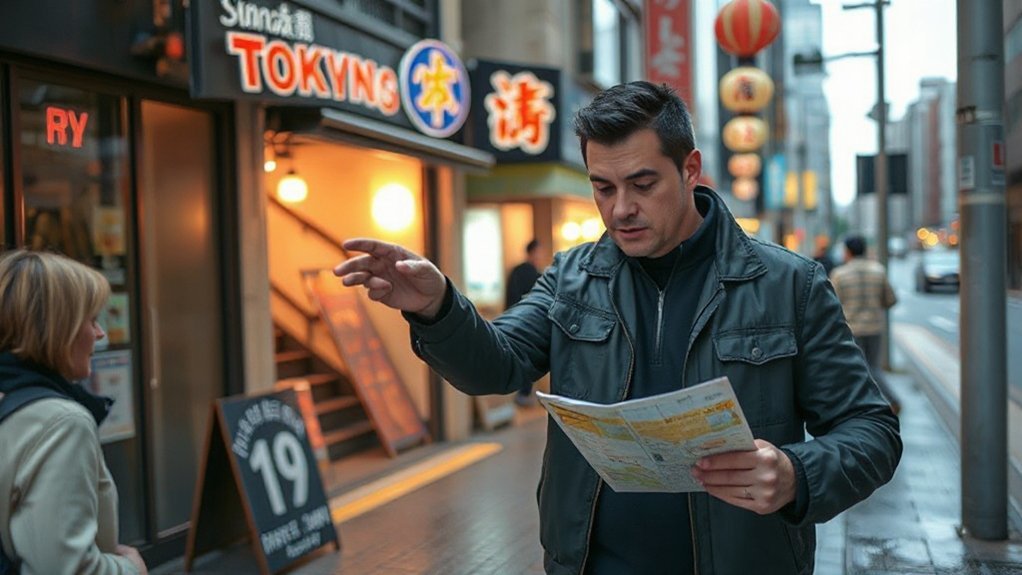
When does a tour guide earn their keep in Tokyo? If you’re here on a quick hop or it’s your first time, hire one, because a licensed guide can pack a 4–8 hour day with the big sights and still thread you through the transit maze without the stall-outs. When Language barriers pop up, they handle phone calls, signs, and tiny menus, and they smooth Cultural etiquette so you don’t bumble through shrines or sushi bars. If your host can’t tag along, a guide becomes your local cousin, steering you into hidden shrines, back-alley noodle joints, and little shops you’d never spot. With three people or more, a single guide’s flat rate, often around $35–$45, starts to make sense. You also buy time: smart routes, off-peak timing, tickets sorted, and last-minute pivots for a food crawl, a nightlife peek, or a quiet photo hour when the crowd thins.
Private Vs Group Tours: Which Fits Your Trip
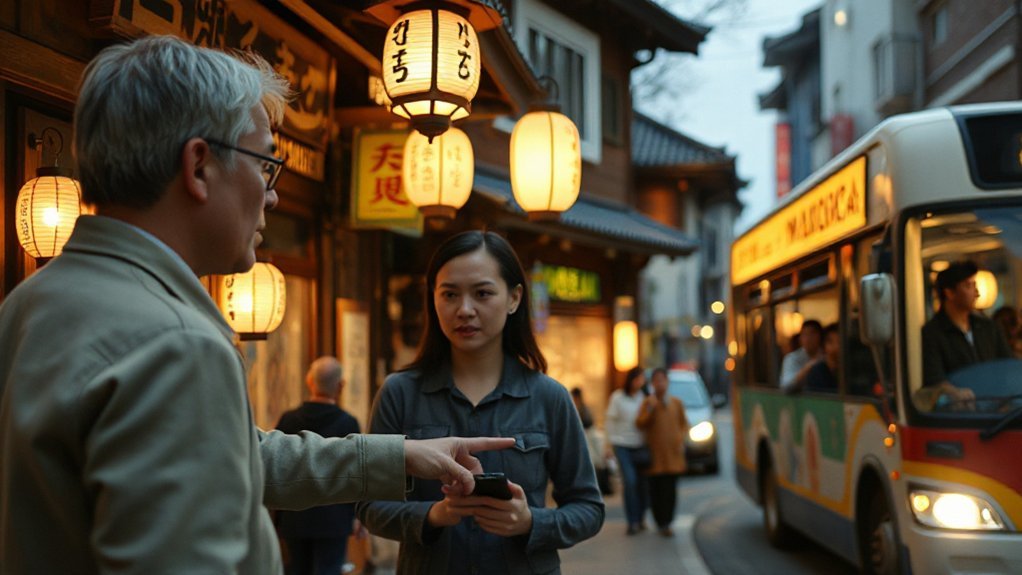
How do you choose between a private guide and a group tour in Tokyo? Start with how you like to travel. If you want Cultural immersion, language help, and the freedom to duck into a lantern alley when it tugs at you, go private. A good guide shapes the day around you, from ramen counters to quiet shrines, and keeps the pace human. Group tours shine when you want low-effort plans, steady Group dynamics, and a set route that hits the big sights without fuss.
- Crave control? Pick your own rhythm and stops.
- Love meeting folks? Share the path and stories.
- Short on energy? Let someone else steer the day.
For a trio or more, a private guide makes sense, giving flexibility without the herd. If money’s tight but you want bearings, try a walking tour, then go private when you need access, translation, or a custom plan.
What to Expect to Pay and What’s Included
Here’s the ballpark: a small private guide might run about US$35–45 per guide, while common Tokyo rates land around ¥18,000–¥30,000 for a half day per person or ¥35,000–¥60,000 for a full day per group, and longer day trips out to places like Mt. Fuji often jump to ¥70,000–¥150,000 per group because of the extra travel and clock time. You’re usually paying for the guide’s time, planning, and real-time commentary, but not your subway rides, entry tickets, meals, or a private car and driver unless it’s clearly stated—your ramen is on you. Ask the guide to spell out what’s included and their payment and cancel rules, and expect price swings based on hours, group size, language or female‑guide requests, distance and transfers, and add‑ons like kitchen classes or private tea ceremonies.
Typical Guide Rates
Most travelers can ballpark Tokyo guide rates without too much squinting: a half-day (about 4 hours) often runs around ¥18,000–¥30,000 per person, while a full-day (8 hours) usually lands near ¥35,000–¥60,000 per group, and long day trips out to Mt. Fuji, Nikko, or Kamakura clock in near ¥70,000–¥150,000 per group. Rates sway with Seasonal Fluctuations and rub of Currency Conversion, so set your ceiling, then shop.
Drivers are simple: hours, headcount, and extras like a licensed National Government Guide Interpreter or private car. Some platforms show flat fees, like US$35–$45 for quick help, but most pros quote per group, which works great for three or more.
- Relief when costs are clear
- Pride in a smart pick
- Excitement for day ahead
Inclusions and Exclusions
Before you book, know what you’re paying for and what you’re not, so the bill doesn’t surprise you later. A quoted fee usually buys your guide’s time, planning, and on‑the‑day commentary, not attraction tickets, meals, or subway fares, so keep some yen handy. Ask if the price is per group or per person; groups of four often win on value. Private cars or long day trips cost extra, and a vehicle to Fuji can double the total. Licensed interpreter‑guides charge more but bring certified expertise. Check cancellation terms, booking or platform fees, and whether Photo permissions at shrines are clear. Confirm Accessibility accommodations, like step‑free routes or elevator access. No tip is expected in Japan, so a simple thank‑you works for most guides today.
How to Find and Vet Trusted Guides and Platforms
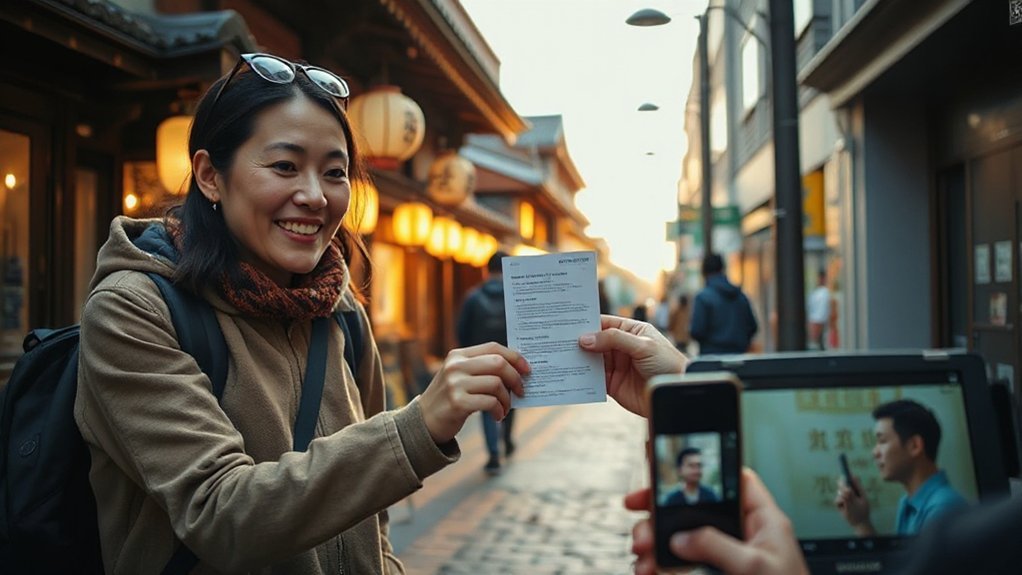
You start by making sure the guide is legit—ask if they’re a National Government Licensed Guide Interpreter, get their license number, and note the languages they work in, because that little card saves you headaches later. Then stack the platforms side by side and see who earns your trust: GoWithGuide, ToursByLocals, GetYourGuide, Viator, and Klook all show profiles, calendars, and lots of reviews, so favor guides with 300–400+ notes and steady 4.9/5 praise for punctual trains and clear directions, and watch for the same complaints popping up, which is your smoke alarm. Finally, kick the tires on money and rules—are they quoting per group (say ¥18,000–¥30,000 for a half-day or ¥35,000–¥60,000 for a full day) or a flat fee like US$35–$45, what’s included or extra (transport and tickets often aren’t), how cancellations work, and how flexible they are with on-the-fly changes or requests like a female guide, because fuzzy prices tend to get fuzzy everywhere else.
Verify Guide Licensing
How do you spot a legit Tokyo guide without rolling the dice? Start with a License Lookup. Ask, straight up: are you a National Government Licensed Guide Interpreter, and what’s your license number? That title means they passed Exam Requirements and can legally interpret across ten languages. Jot the number down and confirm, then make sure the person guiding you is the one licensed, not an assistant, in the booking.
- You want calm, not guesswork; that card spares tour-day surprises.
- Names on Japan Federation of Certified Guides, Japan Guide Association, True Japan, or GoWithGuide/Japan Wonder Travel mean they’re vetted beyond your DMs.
- Cross-check reviews, socials, and recent guest photos; profiles with sample itineraries or an intro video feel steady and real.
Compare Platform Safeguards
Why gamble on a guide when the platform can show you the safety net up front? Look for sites that spell out secure payments, Privacy protections, and firm refund rules, then back it up with real people on Customer support. GoWithGuide, GetYourGuide, Viator, and ToursByLocals publish profiles and let you message a guide, so you can confirm English level, transit savvy, or a female guide for a night tour before you click book. Favor profiles with verified credentials—like National Government Licensed Guide Interpreter—and high scores plus many reviews; that’s how you dodge the lottery feel.
| Secure payments | Escrowed until the tour, card data kept safe |
|---|---|
| Cancellation policy | Plain, dated terms and one-click refunds |
| Identity checks | Verified ID and license, recent availability shown |
Assess Pricing Transparency
Usually, the fastest way to spot a straight shooter is the price line that actually tells you what’s in the bag, not just a pretty headline number. In Tokyo, per‑group norms run ¥35,000–¥60,000 full day, ¥18,000–¥30,000 half; day trips to Fuji or Nikko often hit ¥70,000–¥150,000 and exclude long‑distance transport. Ask billing basics—hourly or fixed, per‑group or per‑person—and list extras: trains, taxis, entries, meals, late surcharges, overtime. On GoWithGuide, ToursByLocals, or GetYourGuide, well‑reviewed locals like Akira N. show their math. Mind pricing psychology, push for contract clarity, refunds, and cutoffs. Licensed National Government Guide Interpreters may cost more for good reason.
- Relief when inclusions and fees are plainly listed.
- Confidence with overtime and late rules set upfront.
- Calm when refunds and transport are settled.
Tips for Customizing Your Itinerary and Day-Of Flexibility
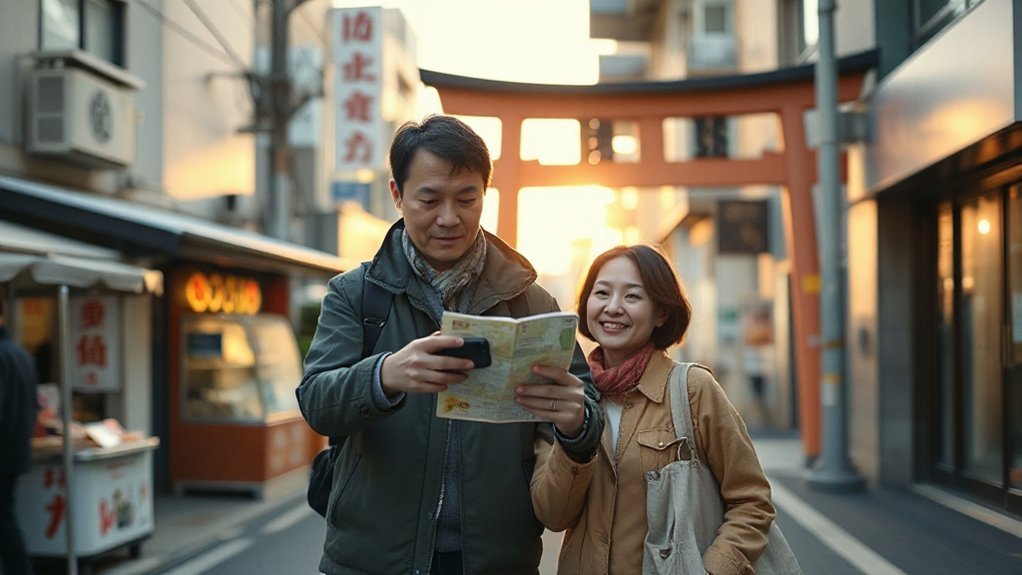
When you’re lining up a private guide in Tokyo, lay your cards on the table: your must‑see spots, the pace you like, and where you want to eat, because most guides charge by the group and will build an 8‑hour day (think ¥35,000–¥60,000) around those anchors. Flag your priority stops and the “nice to haves,” and ask if the plan allows midday detours for a snack line or a photo you didn’t expect, since independent guides often say yes while fixed-agency tours don’t.
Confirm how you’ll get around and what extras cost. Most guides ride trains, but a car or a day trip can push the total past ¥70,000, so decide if speed beats savings. If real-time tweaks matter, request an English‑fluent pro or a National Government Licensed Guide Interpreter, and swap WhatsApp. Night owls, ask for a female guide if that feels safer, and check evening surcharge.
Alternatives: Self-Guided Routes and Budget-Friendly Tours
If a private guide feels like too much coin or too much structure, you’ve got plenty of cheaper ways to see Tokyo without feeling lost.
Build a DIY day with half-day or full-day walking routes find online, and wander at your pace, slipping into cafés and hidden shrines.
String together offbeat neighborhoods, watch how folks queue and you’ll pick up local etiquette fast.
- The turn down a quiet lane and the shrine waiting.
- The coffee order, and a nod you earn.
- The hop onto the right train before the doors slide shut.
Want structure without the spend? Book a US$40 themed tour on Viator or Klook; some add discounts or a Mt. Fuji taster.
Sky Hop Bus or Sky Duck for Imperial Palace, Ginza, Omotesando.
Or join a free walking tour—tip well.
Cheapest: pair maps/apps, Tokyo Cheapo routes, and an IC card to dodge crowds and pricey transfers.
Frequently Asked Questions
Can I Request a Female Guide for Comfort, Cultural Sensitivity, or Safety?
Yes you can request a female guide; like choosing a lighthouse, you’ll find harbor. Explain comfort, privacy concerns, and cultural norms. Specify language, itinerary, and boundaries. Reconfirm before payment, and communicate so agencies match you.
Do Guides Accommodate Mobility Needs, Wheelchairs, or Slow-Paced, Accessible Routes?
Yes—most guides accommodate mobility needs, wheelchairs, and slow-paced, accessible routes. You’ll share needs early; guides plan ramp access, accessible restrooms, elevator-friendly stations, step-free attractions, taxi transfers, breaks, backup options, and adjust pacing during tours safely.
How Do Guides Handle Dietary Restrictions and Food Allergies During Tours?
Guides ask upfront, coordinate eateries, and confirm ingredient lists. You share allergies; they arrange menu substitutions, translate needs, and monitor prep. They’ll map hospitals, follow emergency protocols, and adjust itineraries to keep you safe throughout.
Will My Guide Help With Suica/Pasmo Setup and Transit App Navigation?
Imagine a compass opening turnstiles: yes, your guide helps with Suica/PASMO card setup and transit app tutorials. They’ll walk you through kiosks, troubleshoot errors, optimize routes, and teach tap etiquette, balance checks, auto-reload, and navigation.
Can My Guide Take Photos and Advise on No-Photography Etiquette?
Yes, your guide can take photos and advise on photo etiquette. They’ll flag no-photography zones, suggest respectful angles, and model consent practices: ask before shooting people, avoid shrines’ sanctums, skip flash, and follow venue signs.