
Funny coincidence: the week you pick Tokyo and Kyoto is the week cherry blossoms pack every guide’s calendar. You’ll want a licensed Guide Interpreter, not a buddy-of-a-buddy, and you’ll check their license number, reviews, and what’s included—subway fares, temple fees, cash or card. Share your dates, group size, and must-sees, plus stairs or stroller needs. I’ll show you where to find the good ones—and the tiny step folks skip that costs a day.
Key Takeaways
- Define tour type, dates, group details, interests, budget, and accessibility needs.
- Search vetted platforms (GoWithGuide, Japan Wonder Travel) and official directories (Japan Federation of Certified Guides) for licensed guides.
- Evaluate profiles: license badge, languages, recent reviews, intro videos; verify the license via the national directory.
- Request a quote, confirm total fees and inclusions, then book early—especially for April, August, and October.
- Get written confirmation (guide’s licensed name, meeting spot/time), exchange contacts, and align a custom itinerary and backup plan.
Why Hiring a Licensed Guide Interpreter Matters
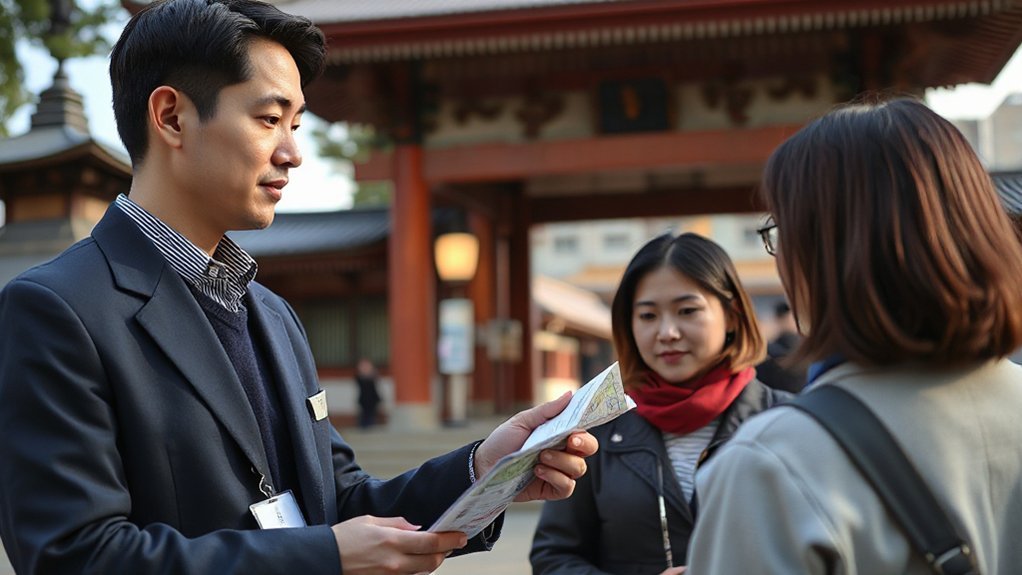
Even if you like figuring things out on your own, hiring a National Government Licensed Guide Interpreter in Japan changes the whole trip for the better. You get an Authenticity Guarantee in real time: the story behind that quiet shrine, the right bow at the gate, the ramen shop with no sign but a line at 10 a.m. They steer you to off‑the‑path alleys and mountain overlooks, and they keep you moving, tickets in hand, trains made easy, no guesswork. With ten languages covered, you ask the noodle master a question and actually hear his answer, not a shrug. Their Safety Assurance shows up in small ways, too—reading stations, local rules, crowds, and weather, so you don’t learn by mistake. Ask for a food crawl, retro arcades, a tea farm, or jazz, and they tailor the day, cut the dead time, and leave you with stories that stick.
Understanding Japan’s Official Guide Qualifications
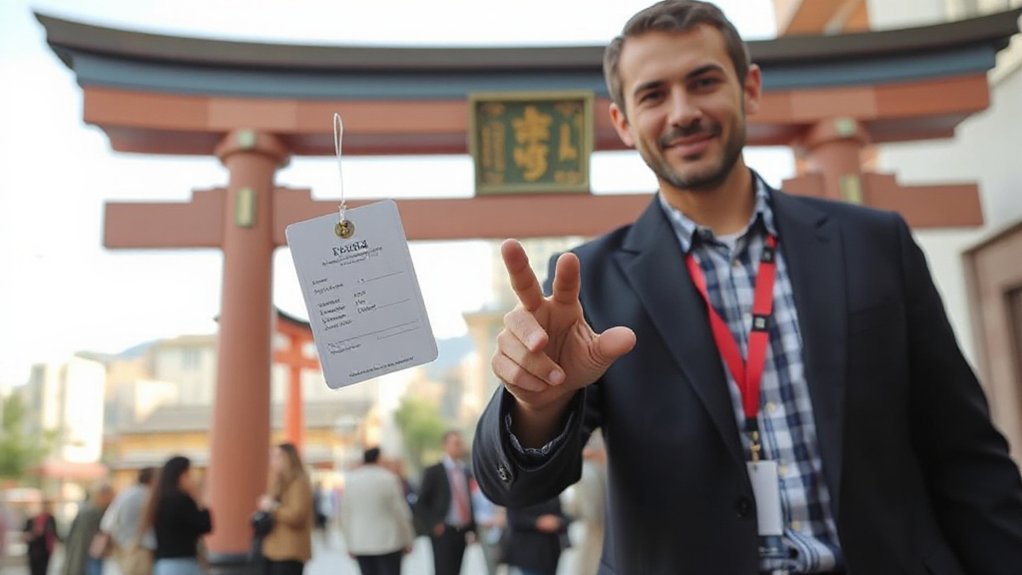
You’ll spot the title “National Government Licensed Guide Interpreter,” which is Japan’s official badge and means the guide can legally lead tours and interpret, not just chat in English on the fly. To earn it, they pass a tough national exam on history, culture, customs, and tourist sites, and get certified, so when you ask about a shrine rule or a train quirk, they’re not guessing. Their services cover 10 languages—English, French, German, Spanish, Italian, Portuguese, Russian, Chinese, Korean, and Thai—and the scope runs from museum walks to rural day trips with on-the-spot interpreting, which spares you the old “sorry, I only point and smile” routine.
National License Overview
While plenty of people can show you around, Japan’s official stamp of approval is the National Government Licensed Guide Interpreter, the credential you ask for when you want the real deal, not just a friendly local. This license tells you the guide meets national standards and is authorized to interpret professionally, with deep chops in history, culture, and clear explaining. You’ll see services in ten languages—English, French, German, Spanish, Italian, Portuguese, Russian, Chinese, Korean, and Thai—so you can match your comfort. The badge also comes with renewal requirements and practical legal protections, which means someone’s accountable if plans go sideways. Book through national organizations or tour operators, ask specifically for a licensed guide, and confirm availability early; good ones disappear fast in peak seasons.
Exam and Certification
How do you know a guide’s the real deal? In Japan, look for the National Government Licensed Guide Interpreter; it means they passed tough national exams on language, history, culture, and interpretation. Licensed guides are trusted to introduce you to traditions, not postcard fluff, and you can request one when booking through agencies or national guide groups. Serious candidates grind through Study Materials and Mock Exams, so they handle curveballs calmly.
- The exam checks precision, poise, and on-the-spot interpreting using real scenarios.
- Candidates prep with Study Materials, papers, Mock Exams, and shrine or museum short fieldwalks.
- The license signals ethics, accountability, and permission to guide under standards.
- Verify by asking the license number, checking associations, and booking through reputable channels.
Languages and Service Scope
Ever wonder what a “real” guide in Japan actually covers and in what language you can get it? A National Government Licensed Guide Interpreter is the real deal, tested by the state, and trained to give you clear stories about history, tradition, modern life, and the small manners that keep you out of trouble. You can hire one in ten languages—English, French, German, Spanish, Italian, Portuguese, Russian, Chinese, Korean, and Thai—and they’ll still handle Regional dialects you hear in Osaka or Hakata so jokes and shop signs make sense.
On the ground, they build deep tours, not just photo stops, and they tailor food hunts, heritage walks, pop culture rambles, nature days, even nightlife. If you need Sign language support, many guides coordinate help.
When to Book and Peak Season Considerations
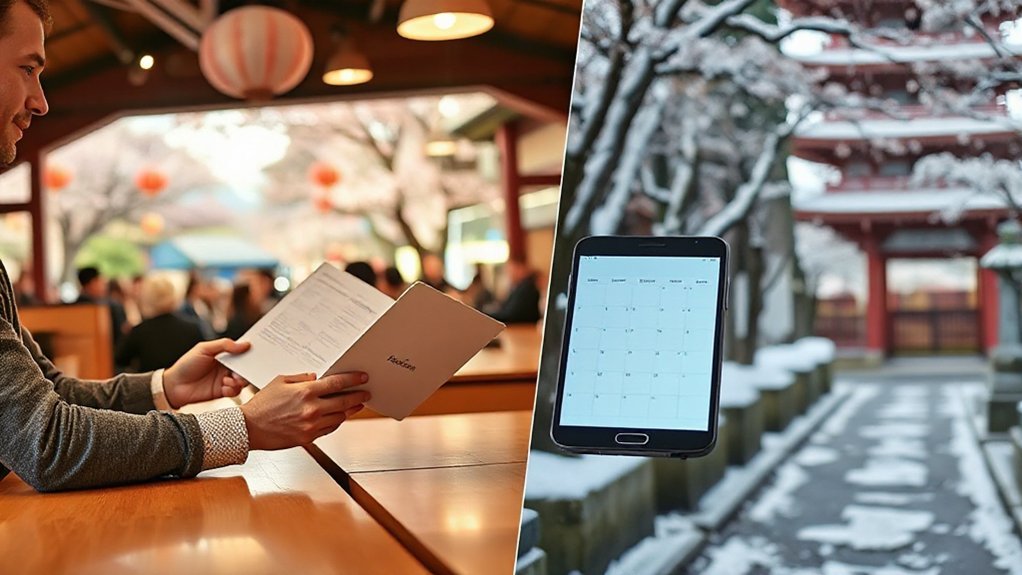
Usually, you can lock in a private guide anywhere from a year out to about five days before your tour, but the closer you cut it, the slimmer the pickings get. Use crowd forecasting to steer around hot zones, and lean on weekday advantages, since Tuesday often beats Saturday. If you’re eyeing April’s blossoms, August’s Obon heat, or October’s leaf shows and festivals, book months ahead to snag the guide, date, and time you actually want.
- Aim early for specialists; National Government Licensed Guide Interpreters and rare language pros book first—ask for the credential in writing.
- Small local agencies run lean, so get written confirmation naming your Licensed Guide Interpreter, start time, and meeting spot.
- Booking late? Split must-see sights over two half-days and start early morning to fit leftover slots.
- Keep flexible dates and neighborhoods; shifting one day or station can open up lighter queues and cleaner routes.
Choosing the Right Type of Tour for Your Trip

Which tour fits your trip depends on what you need and who’s coming along, plain and simple. Pick your guide type first. A National Government Licensed Guide Interpreter has proven skill and 10 languages, good when shrines blur and you want trustworthy context. A freelance or private guide buys flexibility, and with three or more the math favors you since fees run about $35–$45 per guide. Match the tour to your itch—ramen lanes, pop culture, old towns, or cedar trails. Choose half day, full day, evening spin, or up to three in a row. Mind group size, kids’ discounts, and pace. Ask about Sustainability Practices and Accessibility Options, from low‑waste lunches to step‑free routes. Book early for April, August, and October.
| Choice | Shines | Tip |
|---|---|---|
| Licensed | History sites | Ask Sustainability practices |
| Private | Families 3+ groups | Check Accessibility options and strollers |
| Group/bus | Budget, mixed ages | Confirm language and restroom timing |
Where to Find Vetted Guides Online

Start with trusted booking platforms like GoWithGuide (Travelience) and Japan Wonder Travel, which vet guides, show certifications and guest reviews, and even post short intro videos so you can hear their English and get a feel for their style before you book. For the official route, check national guide organizations—the Japan Federation of Certified Guides and the Japan Guide Association—where you can find National Government Licensed Guide Interpreters by language and region, like picking a pro from a clean toolbox. Use the platforms for personality, then cross-check the license in the directory and lock your date early, because the good ones vanish fast in April, August, and October, and nobody likes hitting refresh like it’s concert tickets.
Trusted Booking Platforms
Where do you find a guide you can actually trust online, the kind who shows up on time and knows where the good noodles hide? Start with vetted booking platforms that show videos, clear calendars, and prices you can compare, and yes, their mobile apps are handy and their privacy safeguards should be front and center. GoWithGuide stands out nationwide, since it screens guides, posts filmed intros, shows reviews, and marks Japan Tourism Agency certification. True Japan and Japan Wonder Travel run tight ships, with curated guides across regions, and small agencies fill fast.
- Filter by city, date, language, theme, budget.
- Watch intro videos; gauge voice, pace, and vibe.
- Scan reviews, response times, and cancellation rules.
- Book early; April, August, and October vanish fast.
National Guide Organizations
After you’ve kicked the tires on the big booking apps, it pays to check the source: the national bodies that certify guides. Start with the National Government Licensed Guide Interpreter system and the Japan Federation of Certified Guides, listing pros who passed national exams and bookable through member groups. Their Governance structure keeps standards tight, and International partnerships help keep skills consistent across languages. You can also browse True Japan and the Japan Guide Association for searchable rosters by region and specialty. Nationwide platforms like GoWithGuide and Japan Wonder Travel vet profiles, show ratings and videos, and flag license status. Need languages? You’ll see English, Chinese, Korean, French, German, Spanish, Italian, Portuguese, Russian, and Thai. Regional associations, like Kansai, Hiroshima, and Kyushu, backstop bookings.
How to Evaluate Guide Profiles and Reviews
How do you spot a keeper in a sea of shiny profiles? Start with Review Recency and Response Time, because current praise and quick replies show how a guide treats guests now. Then scan for basics: real credentials, clear language skills, and prices that fit your budget too.
- Check the badge and tongue. Look for “National Government Licensed Guide Interpreter” and languages offered; top platforms cover 10, including English, Chinese, and Korean.
- Weigh the numbers with context. Consistent highs matter: Akira N. 4.95/5 from 390, Kahoko K. 4.96/5 from 389, Hiroshi Y. 4.68/5 from 346, steady as a drum.
- Watch the intro video on GoWithGuide. You’ll catch fluency, warmth, and whether their vibe fits your pace and curiosity.
- Read the fine print. Note specialties and years local (30+ in Tokyo or Kyoto), what the $35–$45 per guide covers, and cancellation or payment rules.
Building a Custom Itinerary With Your Guide
Start by telling your guide when you’ll be in Japan, who’s coming and ages, where you’re from, and what you care about—history, ramen hunts, anime shops, quiet gardens—plus any food limits or bad knees, so they can set the pace and pick spots that fit. Ask them to sketch a plan before you land and meet you at your hotel for a half‑day, full‑day, or evening tour, and make sure the timing matches your energy—slow mornings with teens, quick museum sprints before nap time, or a two‑day loop that won’t grind your feet to dust. Before you lock it in, confirm the meet spot and time, what’s covered, the total price (about $51 per person for a couple, kids often less), the cancel and pay terms, and if you want a National Government Licensed Guide Interpreter, request that early because good folks book fast—no surprises, just a plan that fits like a well‑worn shoe.
Communicate Interests and Constraints
Why make your guide guess when you can hand them the keys—tell them your exact dates (or at least the month and week) so they can plan around cherry blossoms, sumo schedules, or a temple that shuts on Tuesdays, and know that good guides book out early, sometimes a year ahead, though you can still get lucky five days before. Also share activity preferences and dietary needs. Be plain; details save time and money for you both.
- Group size and ages; note discounts: 6–11 often 25% off, under‑6 free.
- Country of origin, etiquette worries, mobility limits; request elevators and step‑free routes.
- Interests and must‑sees—ramen, anime in Akihabara, moss gardens, hidden history corners.
- Language needs, budget targets—guides ~$35–$45 USD, or tours from ~$51; timing constraints.
Align Schedule and Pacing
Once you’ve got a guide in mind, set the clock and the stride together so the day doesn’t boss you around. Share exact dates, the season, and your best hours, since April, August, and October pack tight, and mornings beat crowds when jet lag is loud. Tell them who’s coming and ages; kids under six are often free, and six to eleven get about a quarter off, which shapes pace, rest stops, and photo stops. Pick a half-day, full-day, evening, or up to three days, then say if you want relaxed sights or a brisk highlight reel. Ask for buffers for trains, queues, meals, and curveballs. Confirm must-sees and timed tickets, plus start and finish spots, even a minute-by-minute plan. Hotel meet-ups are common.
Pricing, What’s Included, and Payment Methods
Nuts-and-bolts pricing for a private guide in Japan is usually a flat daily rate for the guide, most often around $35–$45 USD, though some outfits list per‑person starts—think about $51 each if it’s just the two of you—so read the fine print and do the math. Check Gratuity norms and sniff out Hidden fees so inclusions don’t blindside you.
- Inclusions and reimbursements: Some guides cover local transport, lunch, and scheduled activity costs; others expect you to reimburse metro fares, meals, or tickets—ask for a line‑by‑line.
- Child pricing: Ages 6–11 often get about 25% off, and under‑6 may be free; confirm age cutoffs and bring proof if needed.
- Peak seasons: April, August, and October raise demand and sometimes rates; expect fewer slots and plan a little wiggle room in budget.
- Payments and policies: Secure online payment, JR‑authorized sellers, clear deposits/cancellations, and final payment due before or on tour day.
Booking Steps and Confirmation Checklist
You’ve got the numbers sorted, now it’s time to lock in a guide the same way you’d book a hard‑to‑get dinner—early and with the right details. Start early, since many guides open spots a year out to five days before; April, August, and October go first. When you inquire, spell out dates, headcount and ages, country of origin, language, interests like food, history, or anime, and allergies or diets.
Before paying, make sure a National Government Licensed Guide Interpreter—or other certified pro—will lead you, read reviews and confirm language skill. Nail the total fee, what costs the guide covers, how you’ll pay, any deposit, and the cancel and refund rules; rates start around $35–$45 per guide or about $51 per person.
Lock the meeting spot and time, reconfirm the itinerary and a backup plan, swap contacts for quick updates later, note Travel Insurance, and prep your Packing List.
Organizations and Resources for Certified Guides
Guide-finding starts with knowing who’s legit, and Japan makes that pretty simple if you know where to look. You’ll want National Government Licensed Guide Interpreters, tested by the state and working in ten languages.
- Start with the Japan Federation of Certified Guides, the national roster. Search by language, confirm licenses, and see support for continuing education, so you know who’s current and accountable.
- Then check GoWithGuide (Travelience). They screen guides, flag Japan Tourism Agency–certified profiles, and offer filmed introductions and reviews, letting you judge language, tone, and fit before money changes hands.
- Prefer a one-stop shop? True Japan and Japan Wonder Travel are nationwide agencies that book licensed guides and specialty tours, useful when you want planning, fixed pricing, and confirmations.
- Don’t skip locals. Sapporo & Hokkaido Concierge Center, Kansai, Hiroshima, and Kyushu guide associations post certified rosters, area tips, advise on routes, seasonal closures, and emergency protocols.
Frequently Asked Questions
Do I Need to Tip Tour Guides in Japan, and How Much?
You don’t need to tip tour guides in Japan; it’s not customary. If service feels exceptional, discreetly give cash in an envelope—Cash etiquette matters. Offer around ¥1,000–¥3,000 per person. Bills include Service charges; tipping optional.
Can Guides Accommodate Mobility Needs or Arrange Wheelchair-Accessible Routes?
Where there’s a will, there’s a way: yes, guides can accommodate mobility needs, arrange wheelchair-accessible routes, map stair free routes, and coordinate vehicle adaptations. Share requirements, timing, transfers, restroom access to facilitate pacing, ramps, elevators.
Will My Guide Assist With Dietary Restrictions When Ordering Meals?
Yes, your guide will assist with dietary restrictions when ordering meals. They’ll confirm allergens, handle Menu translation, request Ingredient substitution, suggest safe dishes, communicate with staff so you eat confidently throughout your trip, every day.
Are Private Guides Covered by Insurance, and Should I Buy Additional Coverage?
Some private guides carry Guide Liability insurance, but it’s variable and rarely protects you. Confirm their policy and limits. You should buy Supplemental Coverage—travel medical, trip interruption, and personal liability—to fill gaps and guarantee protection.
What Are Etiquette Expectations During Temple Visits and Photo-Taking?
Walk softly, speak softly, act respectfully. You Remove Shoes when signed, lower voices, obey Flash Prohibition, no tripods, ask before photographing people, skip selfies near worshippers, silence phones, don’t touch relics, follow paths, bow politely.