
Think Lost in Translation, but with paw prints. Tokyo can treat you and your dog just fine if you play by its tidy rules: keep the leash tight, bag the poop, and pop small pups in escape‑proof carriers on trains. You’ll find off‑leash runs in Yoyogi and Komazawa, patios that smile, and cafés that don’t. Hotels may tack on fees. Line up a vet before you land—then here’s where folks slip up.
Key Takeaways
- Tokyo is dog-friendly with many parks and designated dog runs (Yoyogi, Komazawa, Kinuta), but off-leash only inside runs.
- Public etiquette: keep leashed, carry poop bags, pour water on pee spots, and yield space on narrow streets and in parks.
- Transit: trains and buses require enclosed carrier; pet plus carrier under ~10 kg, size sum ≤120 cm; small pet fare may apply.
- Accommodation: many hotels allow pets with fees (¥3,000–¥10,000/night); confirm species, size, and rules in writing, or use pet-friendly rentals.
- Dining and services: patios welcome dogs; call ahead for indoor policies; ample pet shops, groomers, and English-speaking vets in central wards.
Essential Pet Etiquette and Local Rules
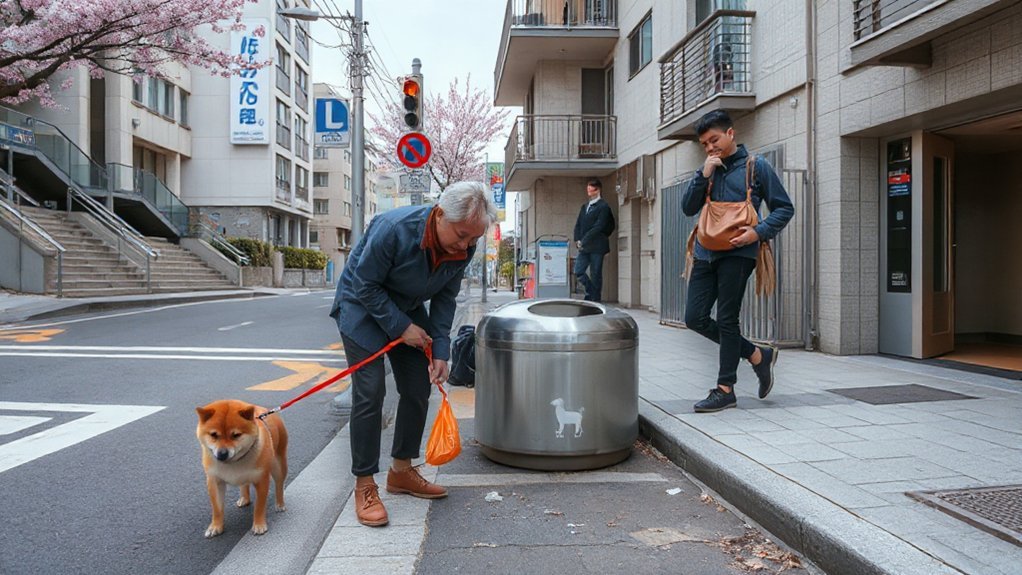
Even if your pup’s the calm, tail‑thumping type, Tokyo runs on tidy habits, so keep that leash on in public and save the off‑leash zoomies for proper dog runs like Yoyogi, Komazawa, or Kinuta, where the dirt tells you plenty of paws came before you.
Carry poop bags like spare change, scoop fast, tie it tight, and bin it; many locals also carry a small bottle of water and pour a splash on pee spots to keep sidewalks clean. Keep your dog tucked to your side on narrow streets, give strollers and elders the right of way, and read posted signs before you step in a park or shrine path. Cafés can be friendly on patios, but call ahead, since many indoor rooms say no pets. Bring Vaccination Documentation and Microchip Registration details, staff may ask, and a tidy kit—wipes, water, mat—shows you get the local rhythm nicely.
Getting Around Tokyo With Dogs: Trains, Buses, and Taxis
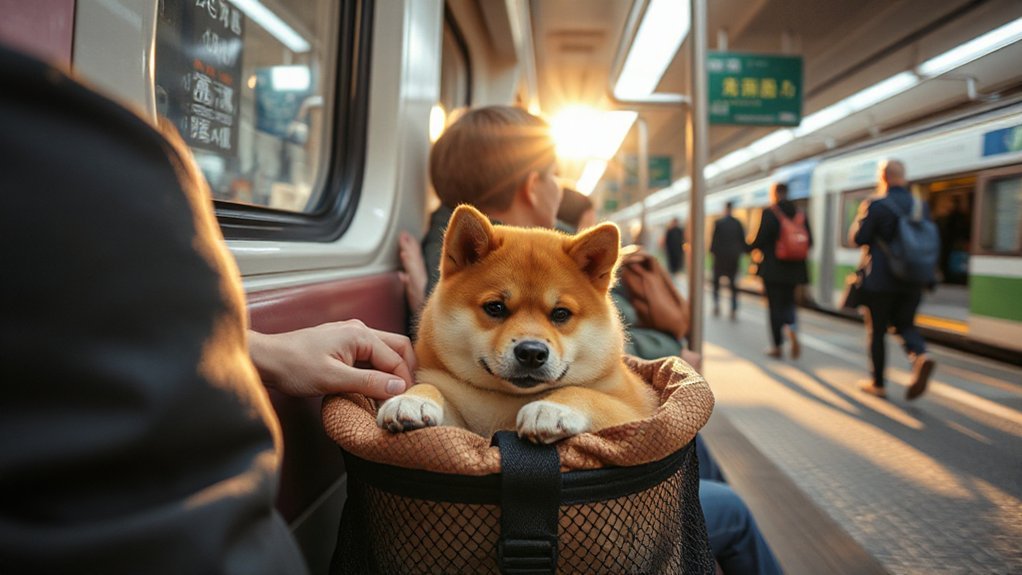
You’ve got the tidy habits down, so let’s get you and your pup across town without ruffling feathers: on Tokyo trains—including JR and many shinkansen—you’ll need a fully enclosed, escape‑proof carrier, with the length + width + height adding up to 120 cm or less and the pet plus carrier under about 10 kg; staff may ask you to pay a small pet fare (often around ¥290), but payment can be fuzzy by line and station, so keep some coins handy and ask at the gate.
On buses, drivers usually allow small dogs in carriers, but space is tight, so stick to the Carrier Requirements and call ahead for long routes if the operator asks for notice. Taxis are easy, just keep your dog in the carrier and ask before you open the door. Practice Peak Avoidance, pack a towel, poop bags, and a water bowl for fixes.
Dog-Friendly Neighborhoods and Parks
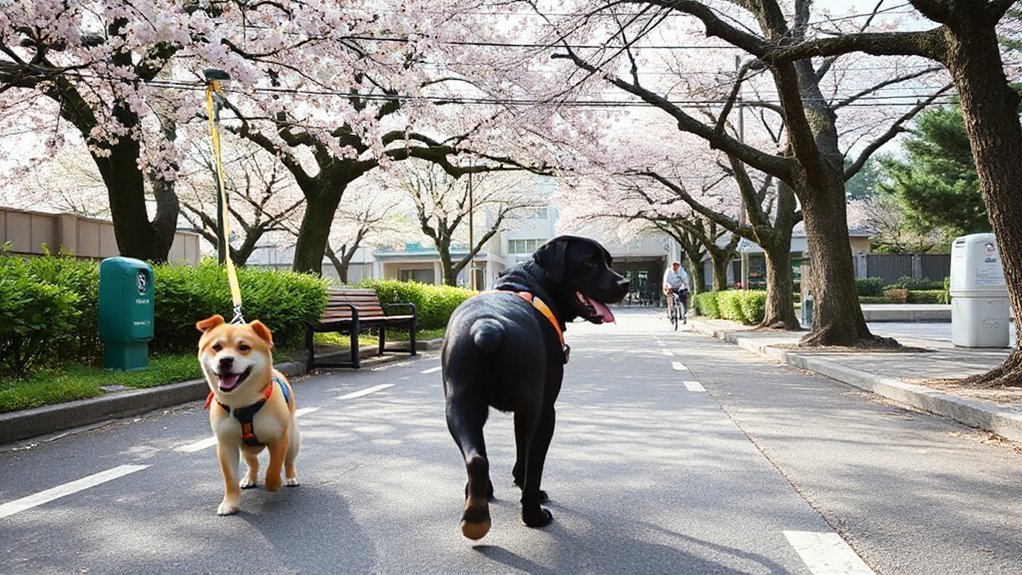
A good leash and a lazy afternoon are about all you need to see Tokyo’s dog-friendly side, because the city lays out real options, not just pretty promises. Start in Shibuya’s Yoyogi Park, where grassy fields roll out like a welcome mat and the dog‑run near Harajuku makes meet‑ups easy, and you’ll find cafés and pet shops within a 10–15 minute walk if you forgot bags or crave coffee. Head west to Setagaya for Kinuta Park and Komazawa Olympic Park, both with controlled off‑leash runs and wide paths that let your dog stretch out while you swap small talk with locals. Kichijoji’s Inokashira Park circles a pond, with shady loops and nearby groomers and stores, handy when paws get muddy. For quiet Neighborhood Vibes, Minato’s Arisugawa-no-miya Park gives cool, tucked-away strolls. Want room to roam? Showa Memorial Park in Tachikawa spreads out trails, dog zones, and Seasonal Events.
Where to Stay: Pet-Friendly Hotels and Rentals
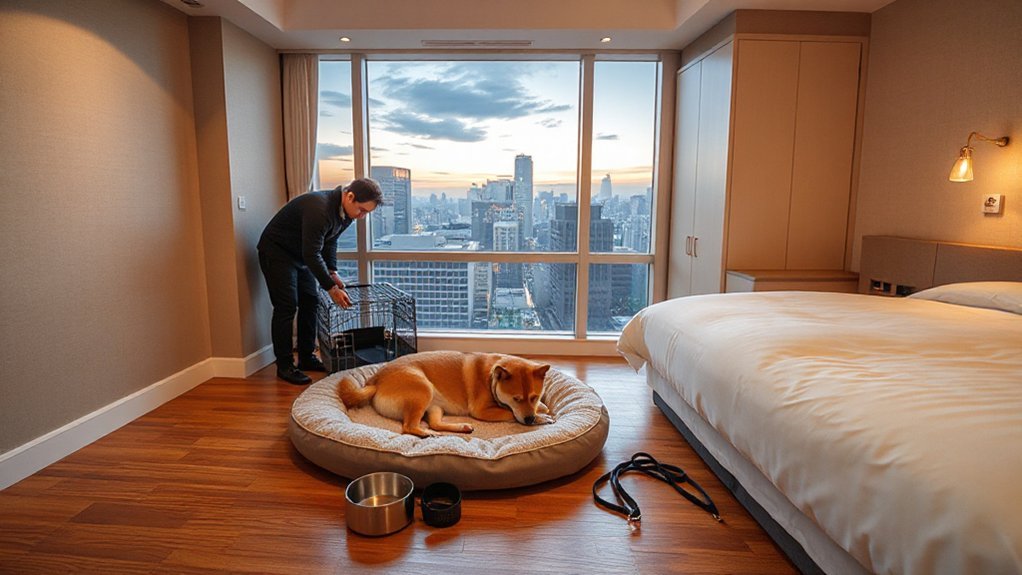
After those laps around Yoyogi and Komazawa, you’ll want a place that welcomes muddy paws and a tired tail, not just a website badge. In Tokyo, chains like Kimpton and Hilton often allow pets, but many properties mean dogs only, so use booking strategies that start with an email and end with written proof of species, size, and fees. Expect ¥3,000–¥10,000 per night for dogs or cats, plus possible deposits; small caged pets often pay a cleaning fee. Rentals on Airbnb or Booking.com are best for multi‑pet stays; message hosts about carriers and extra charges. For longer stays, search SUUMO or Homes.co.jp with pet filters and ask for the full rules, leash to waste. Amenity checklists keep you sane—beds, bowls, grass, exits.
Start with an email, end with proof—Tokyo pet stays favor clarity over cute badges.
| Area | Why | Tip |
|---|---|---|
| Shibuya/Yoyogi | Parks and pet shops | Pick near elevator |
| Kichijoji/Inokashira | Lake loops, calm | Confirm stroller rules |
| Setagaya/Meguro | Quiet lanes, vets | Ask about weight limits |
Eating Out With Your Dog: Cafés and Restaurants
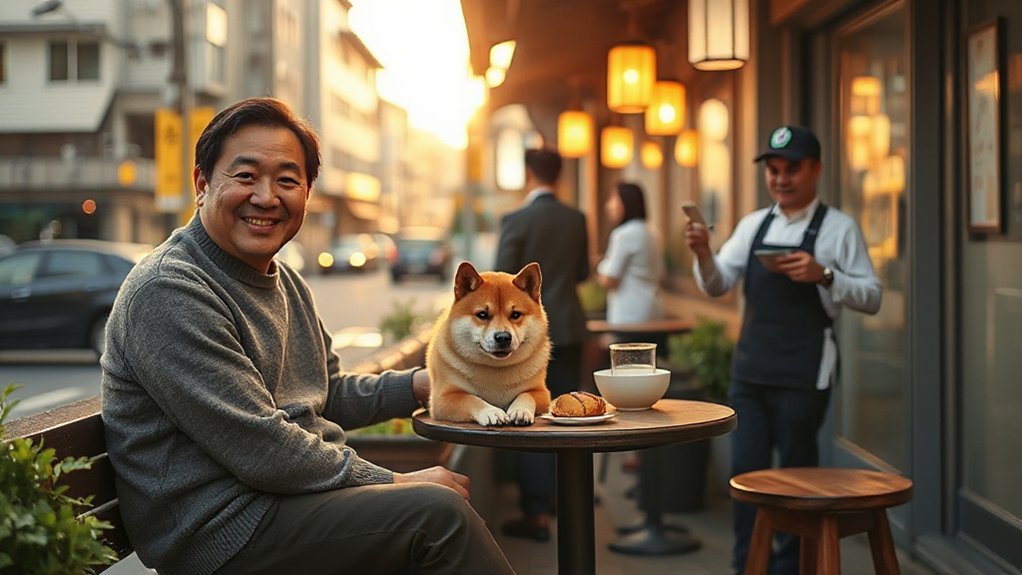
While Tokyo still keeps many dining rooms pet-free, you can eat out with your dog if you aim for the right spots and mind a few house rules. Start with Harajuku, Kichijoji, and the streets around Yoyogi Park, where patios are common and staff expect paws under the table. Outdoor seats say yes more often, and indoors usually means your dog is leashed, calm, or tucked in a carrier. Dedicated dog cafés often have water bowls and small treats, sometimes full dog menus.
Call ahead or check reviews, and ask straight: any breed or size limits, extra cleaning fees, and where you’ll sit. Expect a corner table away from other folks, which is fine, it gives you room. Bring wipes, control your pup, and skip peak lunch so nobody’s stressed. Skim the menu recommendations, and ask about allergy considerations for both you and your dog, guesswork needed.
Finding Pet Supplies, Vets, and Grooming
Once you’ve got your café patios mapped, the next thing is stocking up and keeping your pup tuned up. In Tokyo, pet supply stores pop up often, so search “pet supply store” or ペットショップ and you’ll find shelves of ORIJEN, Tiki Cat, and ZiwiPeak alongside leashes and poop bags. Note that ペットショップ can mean live-animal sellers, so peek before you park your stroller. Big chains like Life and home centers carry basic food, litter, and raw-meat bits if you’re doing a raw diet, and Amazon Japan fills the gaps or the heavy stuff. Convenience stores offer cans, mostly fish-based, for truly last-minute scrambles.
Vets are everywhere, with sharp gear and more English speakers in central wards, and you should star a couple of Emergency Clinics near your stay. Grooming’s easy too, from neighborhood salons to mobile vans; expect ¥3,000–¥6,000 for small-dog basics, more for Specialty Brands spa fluff.
Frequently Asked Questions
What Are Japan’s Pet Import and Quarantine Requirements for Short Visits?
Want zero quarantine—doesn’t that matter? You must file advance notice, verify microchip compliance, secure rabies certification and antibody titer, complete a 180‑day wait, present certificate, schedule inspection. Miss steps, expect quarantine up to 180 days.
Can I Hire Reliable Pet Sitters or Daycare While Sightseeing?
Yes, you can hire reliable pet sitters or daycare while sightseeing. Use Booking Platforms, read Service Reviews, verify insurance and certifications, request meet-and-greets, confirm vaccination requirements, and you’ll choose providers conveniently near your daily itinerary.
Do Major Attractions Offer Dog-Friendly Experiences or On-Site Pet Check Services?
You’ll see paws meet turnstiles, leashes mirror ticket lines—by coincidence. Major attractions don’t allow dogs; limited museum access, almost no on-site pet check. Temples and parks permit leashes. Guided tours rarely accommodate pets; use daycare.
What Japanese Phrases Help Communicate Pet Needs and Etiquette With Locals?
You’ll say: ‘Inu wo tsurete imasu,’ ‘Petto ok desu ka?,’ leash etiquette: ‘Rīdo wa hitsuyō desu ka?,’ veterinary phrases: ‘Jūi wa doko desu ka?,’ ‘Byōki desu,’ ‘Arerugī ga arimasu,’ ‘Kawaide mo ii?,’ ‘Onegai shimasu,’ ‘Sumimasen.’
Are There Seasonal Hazards for Dogs, Like Summer Heat or Festival Fireworks?
Yes—like Icarus under summer suns, hazards abound—you’ll prioritize Heatstroke Prevention with shade, water, early walks. Expect Firework Anxiety during hanabi festivals; use desensitization and ID tags. Watch typhoon debris, deicing salt, autumn mites; adjust routes.