
Funny coincidence—you’re planning Tokyo just as tour slots tighten, so your choice matters. Private tour: you set the sushi crawl, kid‑friendly rest stops, wheelchair access, hotel pickup—fast pivots, zero herding. Group tour: lower price, pre-booked Skytree access, built-in travel buddies—but fixed pace, upsells, slower changes. Ask: budget per person, must-see list, mobility needs, language comfort. Want a quick decision framework, cost math, and a sample one-day plan? Stick with me.
Flexibility and Customization
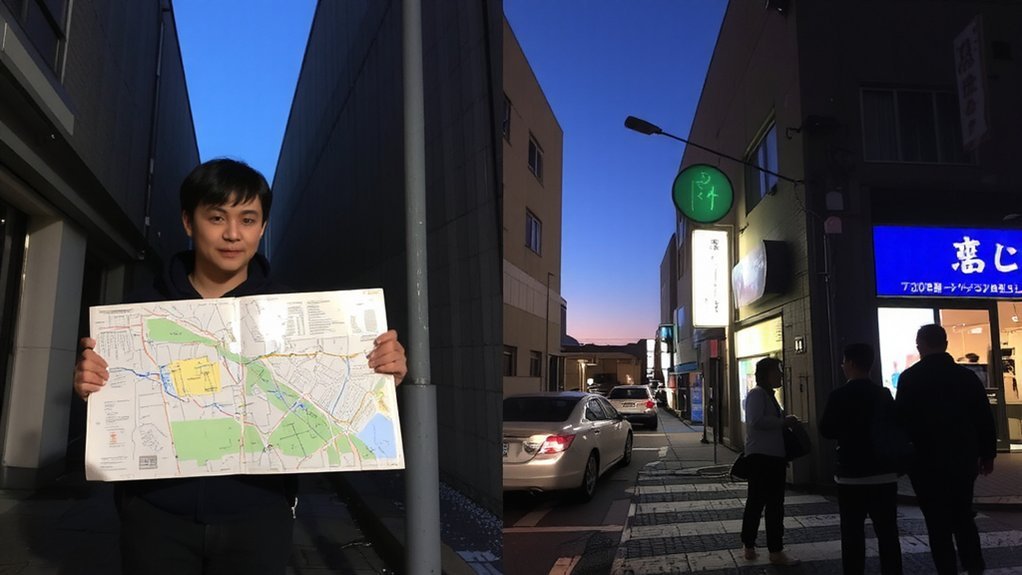
Because Tokyo moves fast and sprawls wide, flexibility isn’t a perk, it’s the plan. With a private tour, you call the shots, and your guide shapes tailored activities around your pace, your cravings, your weird obsessions. Crave ramen, then vintage arcades, then a quiet shrine? Done. Hate crowds? We pivot to backstreets. You can make real time changes when weather flips or a festival pops up. Start early, linger late, skip the souvenir trap. In a group, you follow the clock; here, the clock follows you. Practical moves: pin must-see spots, share dietary needs, set a walking range, then build from there. Expect honest advice, gentle nudges, and quick reroutes. Freedom with a safety net, that’s the sweet spot. Go anywhere, linger, own it.
Cost Breakdown and Value
Most budgets bend on two levers: headcount and extras. You pay per person on group tours, but you split fixed fees; private tours charge a flat or tiered rate, which shrinks per head as your crew grows. Do a cost comparison with real numbers, not vibes. Ask what’s included: guide quality, entry tickets, tastings, transit passes, even tips. Cheap can be costly if you keep adding “optional” add-ons.
Run real numbers: headcount and extras decide value. Cheap tours snowball with hidden add-ons.
- Price the base: guide fee, admission, transport, taxes.
- Audit extras: workshops, premium views, food, concierge access.
- Quantify perks: flexibility, small-group attention, special requests.
Now judge perceived value. Will you actually use the inclusions? If not, cut them. If yes, great—you’re buying joy, not waste. Run your numbers twice, boldly. Tokyo rewards smart spenders.
Time Efficiency and Logistics

You want Tokyo to feel smooth, not sticky, so time efficiency and logistics become the make-or-break. With flexible itinerary timing, you can start early to beat Sensō-ji crowds, swap Meiji Shrine for teamLab when rain hits, or push dinner to catch Shibuya Sky at golden hour—your call, in real time. And with streamlined transport planning, you’ll preload Suica, follow an optimized JR/Metro route with minimal transfers, maybe book a limited express seat or a quick taxi link, and avoid rush hour choke points so you stay on schedule, calm, and moving.
Flexible Itinerary Timing
While both tour styles promise “seeing it all,” timing is where they split paths fast. With a private tour, you call the shots: Early departures for Senso-ji dawn photos? Yes. Late-night Shibuya glow? Also yes. Seasonal scheduling lets you chase cherry blossoms at first light, or pivot to indoor gems when rain hits. In a group, you follow the clock, not your mood; buffers, breaks, and fixed windows rule.
- Start/stop control: You linger at Meiji Shrine if it speaks to you, or bail early when it doesn’t.
- Pace tuning: Speed up a food alley crawl, slow down in museums, cut filler stops without guilt.
- Real-time tweaks: Shift lunch later, swap a shrine for a street market, catch golden hour—precisely.
Freedom with accountability, beautifully balanced.
Streamlined Transport Planning
In a city where trains run like clockwork, transport planning decides how much Tokyo you actually see. On a private tour, you move like a local: tap Suica, check real time tracking, pivot when a line crowds up. Your guide uses multimodal mapping to stitch JR, Metro, and buses into one smooth hop, shrine to sushi to skyline. Miss a transfer? You re-route in seconds.
Group tours run on bus schedules and consensus. Efficient, yes, but slower at edges: bathroom breaks, stragglers, fixed drop-offs. You wait; Tokyo doesn’t. Want rush-hour tactics, platform positions, carriage numbers to board? Private wins. Prefer plug-and-play, no decisions, one coach, one clock? Group works. Either way, plan buffers, screenshot routes, and watch delays. Use alerts, aim off-peak, breathe often.
Group Size and Social Dynamics
Because group size shapes how you move, chat, and connect in Tokyo, it should be your first filter when choosing a tour. In small groups, Group Cohesion forms fast; you learn names, swap stories, share snacks on the Yamanote Line. Large groups? You surf the crowd, meet more people, and ride the energy, but you manage pace and noise. Watch the Interaction Patterns: who leads, who lingers, who hogs the guide’s time.
- Pick your vibe: under 8 for intimacy and flexibility; 8–16 for balance; 20+ for a rolling party.
- Test your social battery: do you want deep talks, or quick hellos between stops?
- Manage pace: agree on photo rules, bathroom signals, and regroup points.
Choose freedom, then choose your size. Wisely.
Access to Attractions and Reservations
Even if you love to wing it, Tokyo’s hottest spots run on reservations, and tours change how easily you get through the door.
With a private guide, you can target hard-to-book sushi counters, teamLabs, or Ghibli Park, then lock times that fit your rhythm. You’ll get waitlist advocacy and same-day reroutes when a slot opens. Groups simplify life at big sites—Skytree, museums, sumo stables—because operators hold blocks. But you move on their timetable, and latecomers can cost you minutes. Solo? DIY, though portals drop at midnight JST, and forms require local numbers. Strategy: decide must-sees, set alerts, keep backups.
| Option | Access perk | Trade-off |
|---|---|---|
| Private tour | Exclusive bookings, Priority entry | Higher price, limited slots |
| Group tour | Pre-held blocks at big sights | Fixed times, slower pivots |
Cultural Immersion and Local Insights
You get personalized cultural exchanges: your guide introduces you to a tea master, a yakitori chef, or a calligraphy tutor, they learn your interests and set the pace—no generic script. With the right host, you gain access to hidden traditions—pre-dawn fish auctions, shrine etiquette with a priest, a neighborhood matsuri rehearsal, even a quiet shamisen lesson behind a noren. Ask questions, let your guide translate and coach you on small courtesies, and say yes to hands-on moments—taste, try, repeat, because that’s how Tokyo opens up beyond the brochure.
Personalized Cultural Exchanges
Trading scripted commentary for real conversation reveals Tokyo’s soul, and private tours make that switch easy. You set the tone, you ask bold questions, you linger where stories spark. Want Home cookery with a neighborhood host? Your guide arranges a market stop, then a cozy kitchen chat, chopsticks and all. Curious about Artisan apprenticeships? Meet a lacquerware student, hear about discipline, try a careful brushstroke. Group tours can’t pivot like that, but you can.
- Share your interests early; food lore, street fashion, anime history—say it, and your guide curates.
- Invite dialogue; ask vendors about seasons, commuters about routines, teachers about holidays.
- Leave room to wander; detours often lead to small talk, jokes, and takes.
You’ll come away with voices, not brochures.
Access to Hidden Traditions
Because the real Tokyo breathes in side streets and back rooms, private tours open doors that group itineraries can’t touch. You meet keepers of Secret Ceremonies, step into tatami rooms after shutters close, and learn why the kettle sings. With a nimble guide, you slip between rules, greet artisans by name, and try Ancestral Crafts without the velvet rope. You choose the pace. You ask the questions. You stay until it clicks.
| Experience | Access | Tip |
|---|---|---|
| Tea hearth firing | After-hours tearoom | Bring small gifts, listen first |
| Indigo dye vat | Family studio | Wear clothes you can stain |
| Shrine kagura rehearsal | Backstage nook | Ask before filming |
Prefer small cash, soft shoes, open mind. Freedom loves courtesy. Move lightly, thank generously, leave only rising steam.
Language Support and Communication
How much does language matter on a Tokyo tour? It matters a lot, but you’ve got options. With a private guide, you get real-time interpretation, nuance, and cultural cues—those subtle shop signs and temple notices suddenly make sense. On a group tour, you’ll share explanations, good for basics, less for side questions. Either way, stack your toolkit: Phrasebook Apps, Signage Translation, and a few key greetings.
- Hire a bilingual private guide; ask them to teach phrases as you go, and to sanity-check menus and etiquette.
- In groups, sit close to the guide, and note key terms; confirm meeting points and names in writing to prevent mishearing.
- Use camera-based translation, download Japanese offline, and practice clear, polite English—slow, kind, specific.
You’ll be understood. Most days.
Comfort, Pace, and Accessibility
Language sorted? Good. Now claim the body-side wins. On a private tour, you set the pace, not the clock. Walk slow through Yanaka, or power-step Shibuya. Breaks when you want them, espresso or matcha, legs up if needed. You also pick transport with real seating comfort—taxis, reserved trains, or even a river boat.
Group tours? Efficient, but seats and schedules are fixed. You’ll keep up, not stretch out.
Accessibility matters. With a private guide, you choose elevator-friendly stations, fewer stairs, shorter transfers. Wheelchair or stroller? Plan routes with platform doors and wide gates. Sensory considerations too: dodge rush-hour crush, pick quieter shrines, linger where lighting and noise feel right. Want one museum gallery, not five? Do it. You’re steering. Freedom, with comfort to match.
Safety, Support, and Problem-Solving
Even in one of the world’s safest cities, things still go sideways, and that’s where a private tour quietly shines. With a private guide, you get fast decisions, local fixes, and a single point of contact. Lost Suica? Broken stroller wheel? They reroute, translate, and book a Plan B before the group even notices. Group tours offer safety in numbers, sure, but delays multiply, and accountability blurs.
- Private: your guide carries Emergency Protocols, contacts clinics, and handles police reports; group: you wait for the handler.
- Private: flexible Insurance Options, explained on the spot; group: generic coverage, slow claims.
- Private: real-time problem-solving—missed train, allergy scare, typhoon tweak; group: stick to script.
You want freedom. You also want a net. Just in case.
Conclusion
You’ve got two strong paths in Tokyo: bespoke private, or budget‑smart group. Decide by ranking your top three priorities—flexibility, cost, pace. Set a per‑day budget, check what’s included, and ask about add‑ons, breaks, accessibility, and language. Traveling with kids, elders, or niche interests? Go private. Solo or social? Choose group. Book early for shrines and sushi counters, confirm transit plans, keep Plan B. In short, pick the key that fits your lock—turn it with confidence.