
Choosing between a half-day and a full-day Tokyo bus tour? Start with your schedule, energy, and budget. If you’re jet‑lagged or traveling with kids, the half-day hits Meiji Shrine, Shibuya Crossing, and Asakusa without burnout. Want deeper context, a market lunch, and extra stops? Go full-day, but plan for traffic. Book small-group seats if you can. Not sure yet? Let’s run a quick, no-nonsense checklist next.
Who Each Tour Suits
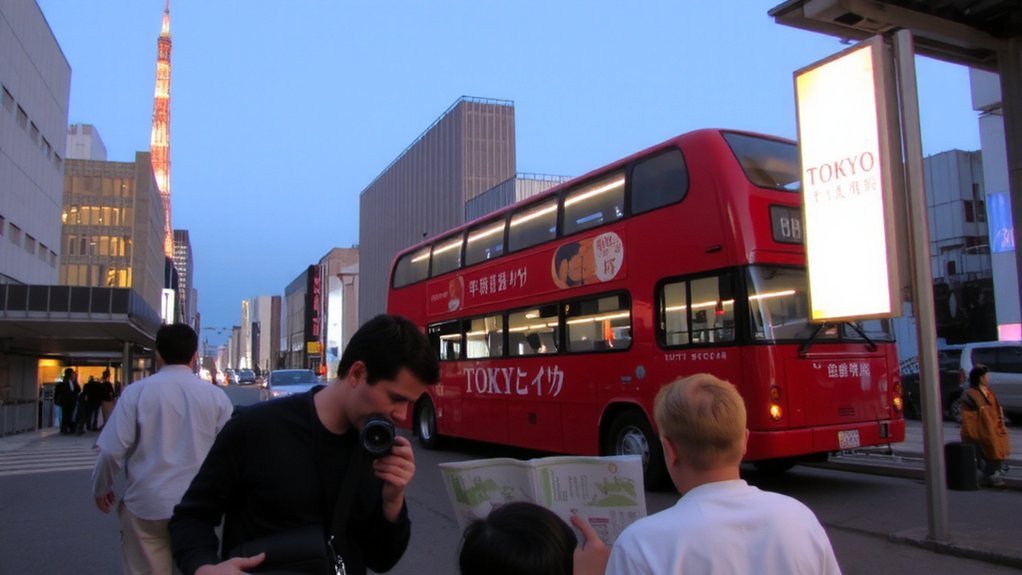
If you’re short on time, wrangling jet lag, or traveling with kids, the half-day tour is your sweet spot; it bundles the greatest hits—think Senso-ji, Meiji Shrine, and a Shibuya Crossing photo—into a brisk, low-commitment window. You want flexibility, a late start, and room for detours? Go half-day. It fits varied Mobility needs, short attention spans, and the “let’s see how we feel” crowd. Prefer deeper context, slower pacing, and fewer compromises? Choose the full-day; you’ll cover more neighborhoods, sample more stories, and settle in. Budget-wise, half-day saves yen and energy, while full-day maximizes value per stop. Consider Language preferences, too: bilingual guides help, yet longer tours allow more Q&A. Photographers, food lovers, and first-timers often thrive on the full stretch. Short, sweet freedom.
Typical Half-Day Itinerary

By mid-morning, you’re rolling out from a central meet-up—usually Shinjuku or Tokyo Station—badge on, earbuds in, and a clear game plan. First stop, Meiji Shrine: a quick forest walk, a bow at the torii, a breather from neon. Back on the coach, you slide to Shibuya Crossing, hop off for five minutes of organized chaos, then snag a rooftop angle for photo hotspots. Next, Asakusa. Lantern shot at Kaminarimon, stroll Nakamise for taiyaki or senbei—perfect snack stops, cheap, fast, delicious. The guide keeps time, you keep freedom: short bursts, zero drag. A riverfront peek, a bathroom break, then a final sweep past the Imperial Palace moat. By early afternoon, you’re done—memory card stuffed, schedule still wide open. Plenty left for your own side quests.
Typical Full-Day Itinerary
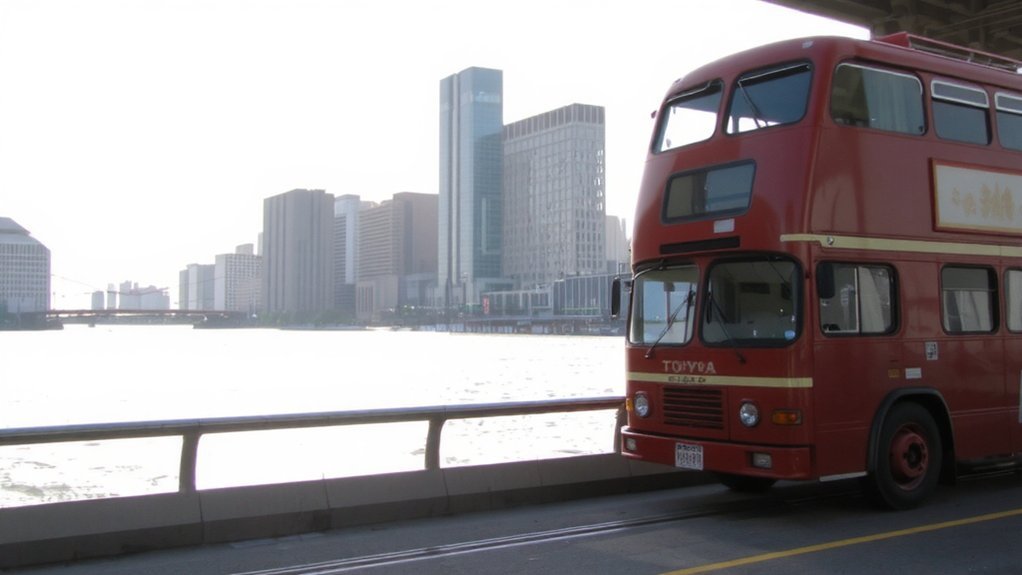
From early morning roll call to sunset city lights, a full-day bus tour runs like a greatest-hits album with bonus tracks. You’ll get hotel pickup, then hit Senso-ji at Asakusa before commuters flood in. Swing past Tokyo Skytree, pause at the Imperial Palace gardens, and breathe at Meiji Shrine. Shibuya Crossing? Yes—quick walk, quick thrill. Guides schedule meal breaks around late morning markets or a lunch stop at Tsukiji’s outer lanes, so you eat well and move on. Expect frequent photo stops, plus short pockets of free time for souvenirs or street snacks. Afternoon shifts to Odaiba, maybe a breezy bay cruise, then Tokyo Tower or Shibuya Sky for the finale. Pace yourself, hydrate, charge your phone, and chase the glow. All day, happily.
Cost Breakdown and Value
You’ve seen how a full-day stacks the hits; now let’s talk what that day actually costs, and what you get for it. Most operators price by ticket tiers: base, plus, premium. Base covers bus seat, guide, and core admissions. Plus adds lunch and a river cruise. Premium folds in hotel pickup and upgraded seats. Do the math. Add-ons like headset rentals, temple donations, and small tasting flights can nudge totals. You also weigh opportunity cost: on a full-day, you’re prepaying for convenience and curated access, instead of piecing it together solo. Compare: half-day might run ¥7,000–¥10,000; full-day, ¥12,000–¥18,000, often with more inclusions and better per-stop cost. Ask for a line-item list, check refund windows, and confirm child, senior, and combo discounts. Limited-time promos, too.
Time Efficiency and Traffic Realities
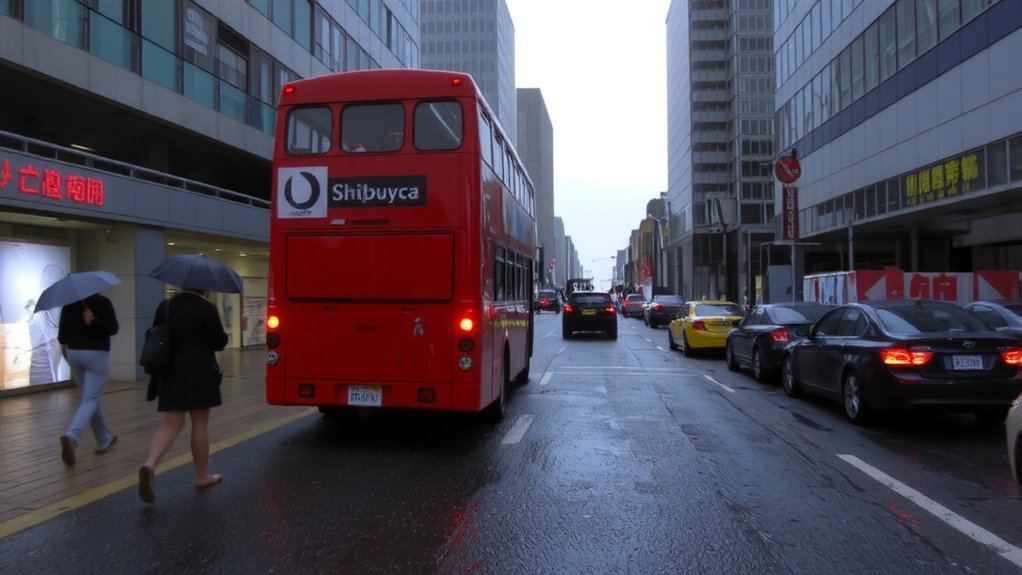
Tokyo traffic bites during rush hour—plan around 7–9 a.m. and 5–7 p.m., or pick routes that use expressways and tight pickup windows. For transit time tradeoffs, a half-day shines with short hops in one zone (Asakusa + Ueno), while a full-day can span the city (Shibuya to Odaiba) but sticks you on the bus longer—choose your pain or your payoff. And itinerary density vs depth? Aim for 3–4 stops with 30–45 minutes each on a half-day, 5–7 on a full-day with a lunch cushion, then decide: sprint for snapshots, or linger for real moments.
Rush Hour Congestion
Before 9:30 a.m. and again around 5–7 p.m., Tokyo’s arteries clog fast, and a bus feels every heartbeat of that rush. You sense it immediately: creeping speeds, packed lanes, flashing brake lights. Pollution spikes, windows stay shut, and your stress levels rise if you’re boxed in too long. So plan boldly, steer clear, and keep your freedom intact.
| Move | Why it helps |
|---|---|
| Start after 9:30 a.m. | Miss the inbound crush and stale air |
| Break between 3–5 p.m. | Dodge the evening swell forming |
| Pick routes with ring roads | Fewer stoplights, steadier flow |
| Keep a flexible stop list | Skip bottlenecks without fuss |
Watch bus apps, glance at live cams, and trust your gut. If sirens stack and scooters swarm, pause. Then roll when the city exhales.
Transit Time Tradeoffs
Once the rush thins, the clock becomes your real fare. On a half-day tour, you move fast, skip breaks, and bank time by letting a driver thread Tokyo’s arteries while you relax. Fewer stops mean fewer delays, and if traffic flares, you still land back near schedule. Full-day tours buy you buffer, but you’ll sit through more traffic windows, more pickups, more transfer inconvenience. That’s time you feel. Weigh your start point and drop-off, too: door-to-door saves minutes, station meetups don’t. Carrying bags? Plan luggage logistics early—ship them, or choose a coach with storage, or you’ll burn daylight curbside. Pro tip: book departures after 9:30 and returns before 5:00. You dodge bottlenecks, keep momentum, and keep your freedom. Less waiting, more seeing, less stress.
Itinerary Density Vs Depth
While you can cram a checklist, you can’t outrun physics: density kills flow, depth buys joy. You want freedom, not a stopwatch. On a half-day bus, tight loops mean you sample, not savor. Full-day, you stage your moves, build experience layering, and let neighborhoods breathe between stops. Tokyo traffic? It’s real, and it eats margins, so plan slack.
| Option | Payoff |
|---|---|
| Half-Day | Fast hits, thin context |
| Full-Day | Fewer jumps, richer recall |
| Either | Guard attention allocation |
Practical play: cluster sights within one ward, ride once, walk more. Time meals with lines—early ramen, late sushi—so buses aren’t your dining room. Pick one temple, one market, one view deck. Then linger. Listen. If energy dips, cut a stop, protect your mood. Claim space, breathe, let Tokyo meet you.
Guide Quality and Group Size Differences
When you pick half-day or full-day, you’re also choosing the guide’s depth and the crowd around you. Many half-day buses pack 25–40 guests and use junior guides who stick to scripts, while full-day tours often assign senior, nationally licensed guides and keep groups closer to 10–20—more stories, more questions, fewer elbows. Before you book, ask three things: years guiding in Tokyo, license/language level, and the hard group-size cap; if they offer a small-group upgrade, take it.
Guide Expertise Levels
Because guide quality shapes everything you notice, let’s talk about who leads you and how many people they’re juggling. You want a guide who’s sharp, nimble, and wildly curious. Check their certification standards, language chops, and emergency training. Ask: Do they tailor stories on the fly? Can they decode shrine etiquette, ramen lines, and train hacks without a script?
On half-day tours, pros often sprint: crisp intros, fast context, bold highlights. Great for test‑driving Tokyo with room to roam after. Full-day guides go deeper, weaving eras, neighborhoods, and side quests, then tying it all together. Listen for specifics—dates, anecdotes, quiet truths locals share. Request headset clarity, a preview of stops, and time for questions. If they welcome detours, you’ve found your pace-setter. for sure.
Group Size Limits
How big is too big for a Tokyo bus tour? You want space, quick stops, and real talk with your guide, not a cattle drive. Check the operator’s Legal Capacity first; small coaches cap at 20–28, big ones push 40–50. Bigger means slower boarding, thinner commentary, fewer photo pauses. Half-day tours handle crowds better because energy stays high and sites cluster. Full-day? Smaller wins—25 or less keeps you nimble across shrines, markets, and lunch. Ask about Insurance Requirements and ratio standards: one certified guide per 15–20 guests, plus a steward on heavy days. Request whisper headsets, staggered entry times, and reserved seating. Prefer operators who split groups at popular stops. And if they balk, choose the nimble option. Your time, your lane. Own it.
Seasonal and Weather Considerations
Even in a city as efficient as Tokyo, weather calls the shots, so choose half-day or full-day based on the season, daylight, and your stamina. Spring? Watch Cherry blossom timing like a hawk; petals peak fast, crowds surge, and a half-day morning loop might dodge traffic and nab soft light. Summer turns humid, storms pop up, so a full-day coach with AC and spaced breaks keeps you steady. Autumn brings crisp skies and long golden hours—prime for a fuller route, temples plus Tokyo Bay. Winter runs short on daylight; pick a half-day, stack indoor stops, save energy for ramen after.
Typhoon preparedness matters: track JTWC/JMA alerts, confirm operator policies, pack rain gear, waterproof your day. Flexible mindset, flexible ticket. Freedom loves options. Use contingencies.
How to Decide: Quick Checklist
Before you book, run this fast gut-check—simple questions that cut the noise and point you to half-day or full-day.
Time: Do you have 4 hours, or a wide-open day? Energy: ready to sprint, or savor? Must-sees: three icons, or a thorough tour with detours? Pace tolerance: quick hops suit half-day; long arcs fit full-day. Weather backup: can you flex dates—check the cancellation policy. Budget: shorter costs less, but per-stop value may flip. Crew: kids, elders, jet lag—half-day wins. Start point: near your hotel, or long transfer? Bags: need luggage storage on board or at the depot? Meals: want a lunch stop, or snack-and-go? Accessibility: stairs, lifts, restroom breaks? Photo goals: highlights, or golden hour? And season: peak crowds favor half-days; calm weeks reward full-days.
Conclusion
Choose the half‑day if you’re jet‑lagged, traveling with kids, or short on time—Meiji Shrine, Shibuya, Asakusa, done. Go full‑day if you want context, extra stops, a market lunch, and a seasoned guide; bring stamina, expect traffic. Book a small group, aim for morning departures, and buffer 30 minutes. Summer heat? Hydrate. Rain? Pack a jacket. Winter? Chase daylight seats. In short, pick your pace: quick sketch or full canvas. Either way, Tokyo moves, you glide.