
Thinking about a Tokyo helicopter tour? You’ll pay a premium, but you’ll see Tokyo Tower, Skytree, the Imperial Palace, and Tokyo Bay in one swift arc—no crowds, no transfers. Short 15–30 minute loops hit the highlights; sunset flights add glassy reflections and neon. Watch for weight fees, motion sickness, and weekend surcharges. Book weekdays, shoulder season, vouchers. Worth it for photographers and time‑pressed travelers. Not sure you fit that profile? Let’s test it.
What You Actually See From the Air
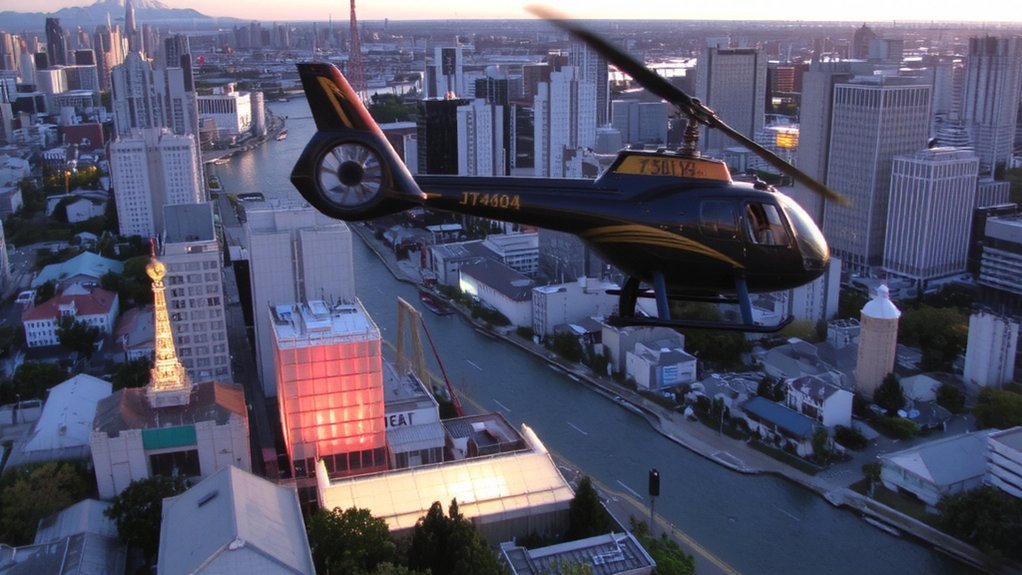
Glass and gridlines, that’s your first impression—Tokyo laid out like a living circuit board under the rotor’s thrum. You scan fast, then slower, picking out Roof textures in shades of zinc, tile, and slick black membrane. Billboards flash, trains stitch neighborhoods, tiny rooftop gardens wink back. The bay glows steel-blue, River patterns braid through bridges, curling eddies around pylons. You spot ballparks, shrine courtyards, school yards painted with games. Landmarks pop—Skytree, the palace moat, shipping cranes—yet the small stuff hooks you. You press closer, frame shots, trace alleys like circuits. Look for reflections at sunset; they flip the city upside down. Pro tip: polarized lenses. And steady breaths. The cabin hums, you lean into it, and claim your view. Freedom tastes like altitude, right?
Typical Routes and Flight Durations
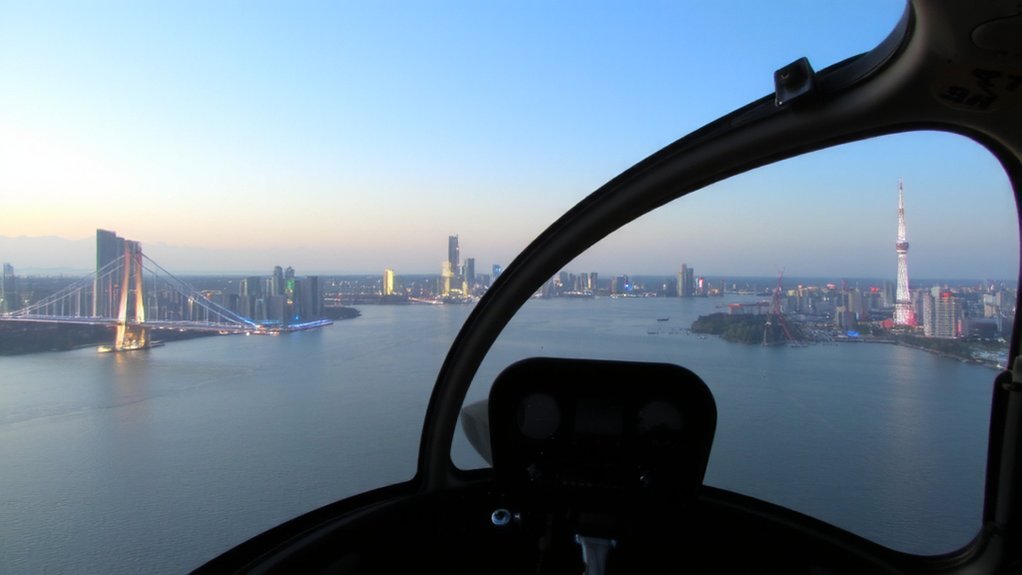
You’ll pick from a few classic circuits: a Tokyo Tower–Roppongi–Shibuya loop, a Bay route past Odaiba and Rainbow Bridge, or a Skytree–Sumida–Imperial Palace ring, usually launching from Tokyo Heliport in Shin-Kiba, with tweaks for weather and air traffic. Expect 10–12 minutes for a sampler, 20–25 for the “classic city loop,” 35–45 for sunset or night lights, and 55–60 if you want the grand tour. Short on time? Grab the 15-minute tower-to-bay hop; chasing the hero shot and smoother air, book 30–40 minutes at golden hour—your camera, and your stomach, will thank you.
Popular Sightseeing Circuits
A few well-defined circuits make choosing a Tokyo helicopter tour simple, and surprisingly strategic. The Classic Core loops Tokyo Tower, Imperial Palace, Ginza, and Rainbow Bridge, then skims Odaiba’s waterfront. The Bay Panorama swings wider, tracing Tokyo Bay, Haneda’s runways, and industrial docks—wide geometry. Craving altitude? The Skytree Arc circles Asakusa, Sumida River, and the 634-meter landmark, with a cheeky pass over Ueno and Akihabara.
You’ll pick by pace and priorities, and mood. Want dense icons per minute? Go Classic. Prefer open water and broad horizons? Take the Bay. Need temples-to-tech contrast? Choose the Arc. Ask about Accessibility considerations, window height, steps, and headset fit. And yes, Environmental impact counts—lighter loads, newer aircraft, and efficient routing reduce noise and fuel burn without dulling thrill.
Common Flight Times
Typically, flights cluster into quick hops, mid-range loops, and longer panoramas, so choosing a time mostly means choosing a view. Quick hops run 10–15 minutes, skimming Tokyo Tower, Rainbow Bridge, maybe a cheeky pass over Odaiba. Mid-range loops, 20–30 minutes, add Skytree, the Imperial Palace, and Shinjuku’s skyline. Longer panoramas, 40–60 minutes, sweep out to Yokohama or the bay, lingering for photos. Want magic? Book sunrise or golden hour; city lights at night are electric. Watch Peak Seasons: cherry blossoms and New Year’s fill up fast. Operator Schedules vary, with tighter slots on weekdays, wider blocks on weekends. Build in buffer time, traffic happens. Pro tip: request a right-side seat for bay circuits, left-side for Skytree runs. Windows glare? Pack polarizing filters, maybe today.
Best Times to Fly: Daylight, Sunset, Night

You get to pick the mood: daylight for clarity and detail, night for pure magic. For daylight, book mid‑morning or early afternoon on a clear day, after the haze lifts, so you can read street grids, trace the Sumida River, even spot Fuji. For night, aim for 30–60 minutes after sunset to catch the city lights—Shibuya Crossing, Rainbow Bridge, Skytree—sparkling below, and set your camera to night mode, steady elbows, big grin.
Daylight Clarity and Detail
Often, daylight flights give you the sharpest, most honest look at Tokyo—every bridge, rooftop garden, and train line pops. You read textures: tiled roofs, neon signs that look shy by noon, cargo barges inching under Sumida bridges. Go mid‑morning on a clear, dry day; early fog and afternoon atmospheric haze soften edges. Aim for winter air if you can—it’s crisp. Sit forward, left side if the route circles clockwise. Wear dark clothes to cut window glare, and press the lens to the plexi, gently. Ask for the bubble seat, better sightlines. Spot Mt. Fuji, Tokyo Tower’s lattice, tiny baseball diamonds on school roofs. Zoom less, compose more. And breathe—Tokyo reveals itself when you’re steady, curious, unboxed. Chase shadows, edges, patterns; let lines guide you.
Night Lights and Magic
Day showed the details; after dusk, Tokyo puts on its neon armor. From the cabin, you trace rivers of headlights, Shibuya pulses, Skytree glows like a lighthouse. Want freedom? Book a late slot, ideally 30–60 minutes after sunset, when colors settle and windows bloom. Ask for the south loop for Tokyo Tower, then a Sumida return. Pilot anecdotes help you spot secret angles, like banking over Rainbow Bridge right as cruise boats fan out. Do a quick Soundscape analysis: rotors thrum, city hush rises, then a soft ping of air traffic chatter—oddly soothing. Wear dark clothes to cut reflections. Phone on night mode, elbows tucked, shoot diagonally. Nervous? Breathe, look outward, not down. Pay extra for the door bubble. Worth it. Every single time.
Pricing Breakdown and Hidden Fees
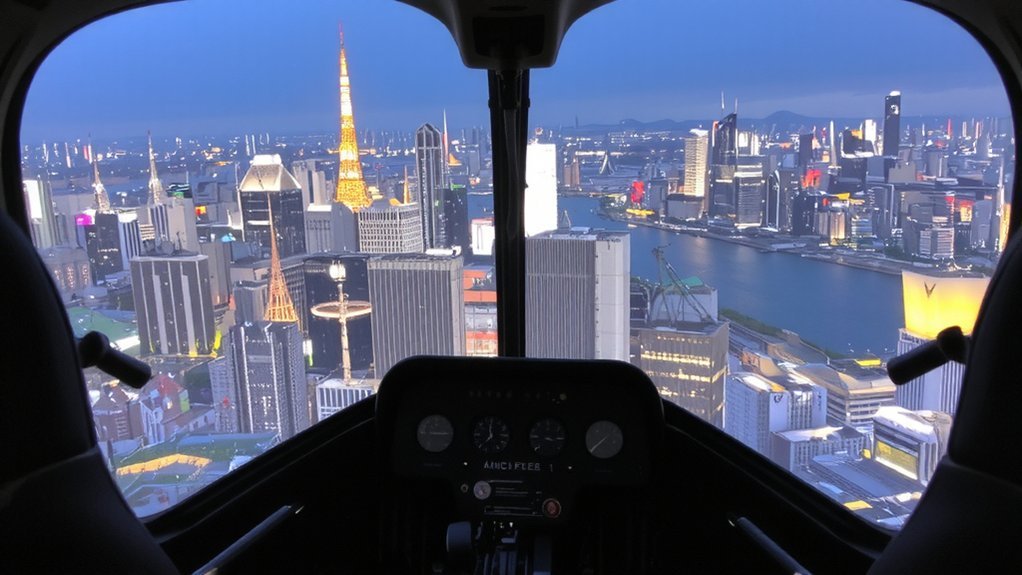
While the headline fare grabs attention, Tokyo helicopter pricing gets real only when you unpack every line item. Base fare covers the seat and pilot, not the extras. Check insurance costs, fuel surcharges, and service charges; they stack fast. Ask if landing fees, heliport access, or headset rental add on. Want sunset? Premium. Window seat? Sometimes another bump. Weigh limits can trigger per‑kilo fees, so pack light. Taxes aren’t always baked in. Payment by card may include a processing cut. Reschedule policies matter; short-notice changes often cost. Tip culture is light in Japan, but private charters may suggest one. Pro move: screenshot the quote, request an all-in total, and confirm cancellation terms in writing. Freedom loves clarity, and receipts. No surprises, just open skies.
Who Will Love It—and Who Should Skip It
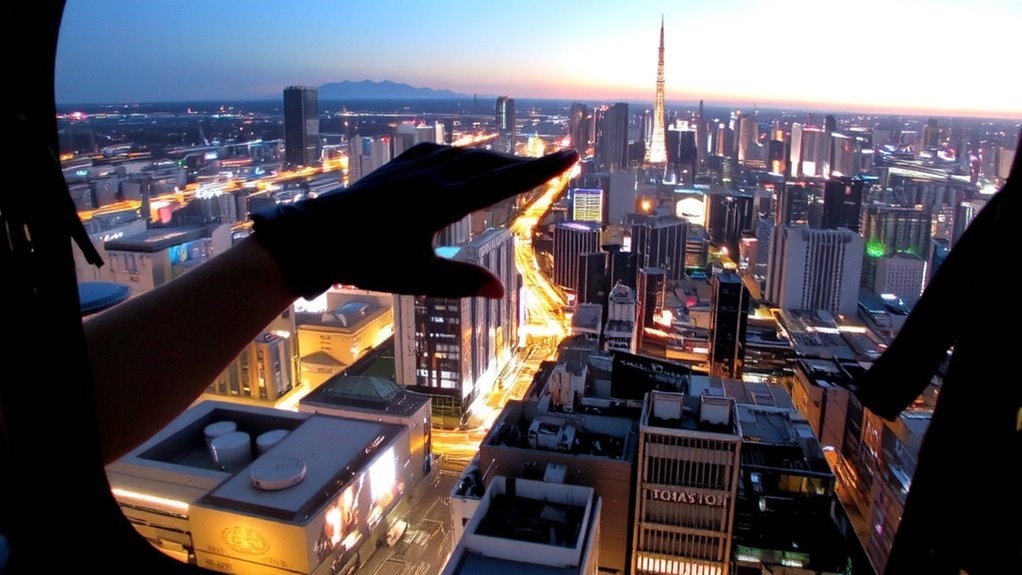
Because Tokyo stretches wide and gleams at night, a helicopter ride calls to skyline chasers, first‑time visitors short on time, proposal planners, and photographers who live for clean horizons and glittering rivers. You’ll also love it if you’re adventure seekers chasing big perspective, quick thrills, and brag‑worthy shots. Sensitive to motion? Take ginger, eat light, and skip alcohol.
| You’ll love it if | You might skip if |
|---|---|
| You crave fast panoramas and open air | You’re motion sensitive passengers or fear heights |
| You want a cinematic proposal moment | You’re budget‑locked or hate rigid check‑ins |
| You collect rare city views with a partner | You want long, lingering tours, not sprints |
| You’re OK with brief, intense bursts of awe | You need absolute control over routes/timing |
Choose your sky.
How It Compares to Ground and Tower Views
Even if Tokyo Tower and Skytree hand you sweeping panoramas, a helicopter flips the map, giving you scale, speed, and clean sightlines you’ll never get from sidewalks or glass decks. From towers, you’re fixed; the city feels like a poster. In the air, you trace rivers, ring Shinjuku, skim Tokyo Bay, and grasp Perspective Scale fast—how districts lock together. Ground views win on texture: lantern smoke, shop chatter, ramen steam. But the cockpit multiplies it with motion and silence, a true Sensory Difference. You spot Shibuya’s flow, the Imperial moat, container ships lining up. Practical moves: book sunset, wear dark clothes to cut glare, sit by a window, use a wide lens, shoot burst, then just watch, breathe, and let it really widen you.
Money-Saving Tips and Alternatives
You’ve felt the rush and seen the scale—now let’s make that view kinder on your wallet. Book shoulder-season flights, late fall or early spring, when demand dips. Fly weekdays, at sunset, not peak night. Share a private, split the fare, still get the skyline goosebumps.
Hunt local vouchers on Japanese deal sites, and watch for company promos tied to holidays. Compare heliports; small operators often bundle transfers or a short photo stop. If the price still bites, swap air for height.
- Ride Tokyo City View at Roppongi Hills, time it for golden hour.
- Climb Tokyo Tower’s top deck, then stroll Zojo-ji for contrast.
- Sail a Sumida River cruise, open deck, city unfolding slow.
Bottom line: you choose the altitude; your budget stays free. Today.
Conclusion
You’ll know it’s worth it the moment Tokyo unfurls beneath you—37 million lives glowing like a circuit board. Book a 15–30 minute loop, aim for golden hour, and sit by the window; bring a fast lens, anti‑nausea tabs, and accept weight fees. If you love skyline photography or you’re time‑pressed, do it. Prefer budgets and vibes? Choose Skytree, Odaiba, or a bay cruise. Pro tip: fly weekdays, shoulder season, use vouchers, and confirm weather flexibility.