
Is it true a private tour with transport actually makes Tokyo easy, or just a fancy taxi ride? You get a licensed guide and driver who scoop you from your hotel, beat rush hour to Meiji, slide you into Asakusa without guesswork, and steer Toyosu timings—while your bags sit in a comfy van with Wi‑Fi and AC. No ticket lines, no train swaps, no wasted detours—and here’s where it really starts to pay off.
Key Takeaways
- Private car + licensed English-speaking guide + driver, hotel pickup/drop-off; faster than trains; flexible plans; 4–8 hour loops, 4.7/5 rating.
- Premium vehicles (Toyota sedans/SUVs/Land Cruisers) with Wi‑Fi, climate control; seat 3–6 plus luggage; smooth, quiet rides in busy Tokyo.
- Classic landmarks route: Meiji Jingu, Asakusa Senso‑ji via Nakamise, Imperial East Gardens; crowd-smart sequencing with guide commentary.
- Hidden neighborhoods by car: Yanaka backstreets and Shimokitazawa thrifts; easy station drop-offs, bag shuttles, unrushed local snacks and shops.
- Food and nightlife options: Toyosu/Tsukiji market tours, omakase counters, izakaya crawls; chauffeur shortens gaps; timed Skytree views; pickup/drop-off included.
Why Choose a Private Tour With Transport in Tokyo
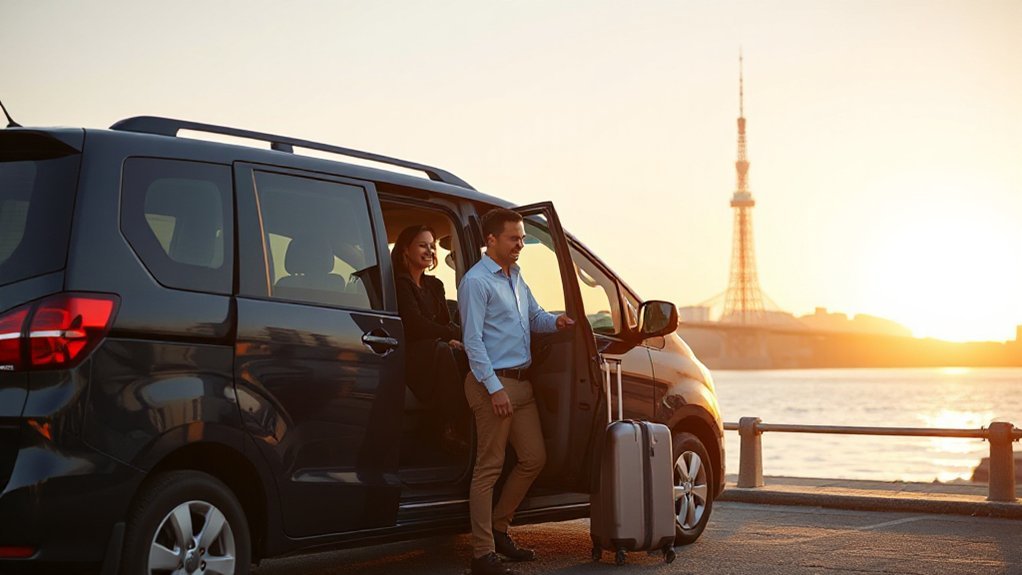
Honestly, why wrestle with Tokyo’s spaghetti of train lines when you can hop into a private car, meet your guide, and start seeing the good stuff right away? With a driver up front and a licensed English‑speaking guide beside you, you get language assistance, local context, and stress reduction, all while rolling between far‑flung spots. You cover more ground in 4–8 hours than most folks do in two days, picking three or four stops for a tidy 6‑hour loop, plus hotel pickup and drop‑off so you don’t burn time. Guides share stories, then walk you through shrines and markets, and they tweak plans on the fly, like starting early for a Nikko or Nagano day. Drivers know shortcuts and crowd patterns, so you miss the worst lines and jams. It’s popular for a reason: 4.7 out of 5 from 19,200 reviews, built on saved minutes and smart choices.
Premium Vehicles and Onboard Amenities
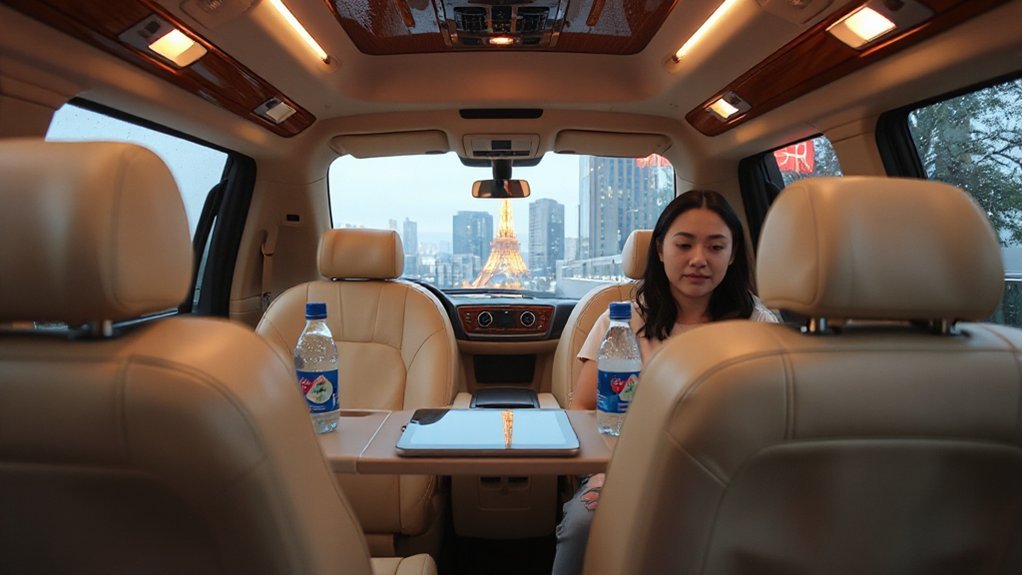
If you’re choosing wheels instead of wrestling trains, the car itself matters, because the right ride turns a busy day into an easy one. With fleet options—Toyota sedans and SUVs, even Land Cruiser choices—you fit three to six folks plus bags without knee wars, and you get calm cabins that keep city noise out. Leather seats, steady climate control, and complimentary Wi‑Fi are standard comfort features, and secure storage keeps cameras safe when you hop out.
Skip the train scramble—quiet cabins, comfy seats, Wi‑Fi, and space for everyone and bags.
- Space that works: roomy interiors and luggage room, good for families, strollers, or that snack haul you swore you wouldn’t buy.
- Brains and calm: a pro chauffeur manages traffic and timing while your guide talks you through the sights, and umbrellas appear when skies turn.
- Flexibility: hotel or station pickups, drop‑offs, and standby drivers when plans shift.
- Range: smooth hauls to Hakone or Mt. Fuji without crowds, heat, or chill wearing you down.
Classic Landmarks Route: Meiji Shrine, Asakusa, and the Imperial Heart
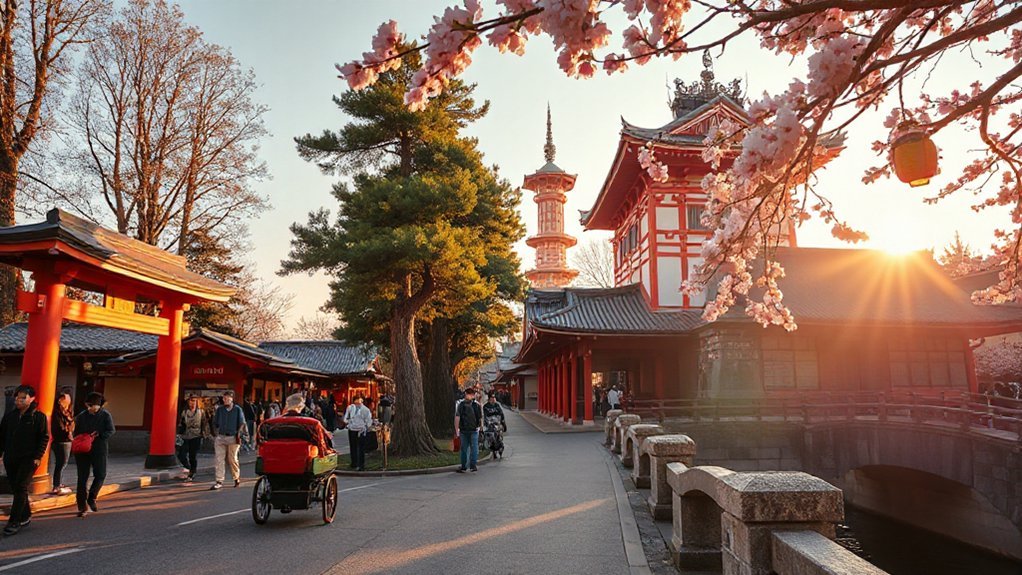
While Tokyo can sprawl on you, this classic clockwise loop keeps the day tidy and rich: start early at Meiji Jingu’s 70‑hectare forest in Shibuya, where you walk under giant wooden torii and breathe quiet air while most folks are still hunting coffee, paying respects to Emperor Meiji and Empress Shoken at a shrine rebuilt after the war. You’ll hear birds, glimpse sake barrels, and skip the hatsumode crush except at New Year, a perk of beating the clock. Then angle northeast to Asakusa by late morning, stroll the 250‑meter Nakamise past roughly 90 stalls, and step through Kaminarimon’s giant red lantern toward Senso‑ji, Tokyo’s oldest temple since 645. Snack, shoot, and watch seasonal festivals roll by. Save the afternoon for the Imperial Heart in Chiyoda; the East Gardens open, the peaceful moats shine, and the stone walls and castle ruins sit in architectural contrasts with the skyline.
Modern Tokyo Highlights: Ginza, Roppongi Art, and Skytree Views
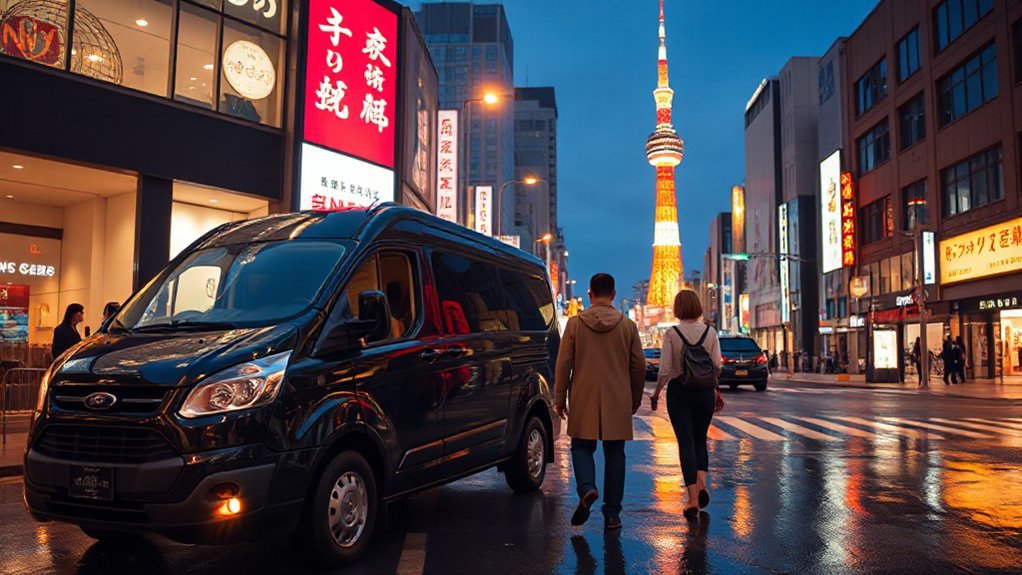
Swap the shrine hush for chrome and glass and head into modern Tokyo, where you stroll Ginza’s bright blocks past Mitsukoshi’s grand counters and the sleek halls of Ginza Six, and you can pop into a flagship boutique, then sit down to a Michelin lunch without walking more than a few minutes. Your driver drops you by the luxury boutiques, waits while you browse, and tucks bags neatly. Then it’s Roppongi Hills for a gallery crawl, the Mori Art Museum’s rotating shows, and rooftop views if the sky cooperates.
- Book timed Skytree slots: Tembo Deck ~350 m, Tembo Galleria ~450 m, just glass and skyline.
- Catch evening lights: Ginza glows, Roppongi sparkles, December Skytree shows steal the night.
- Use the car to skip lines: door drop-offs, tickets ready, more time on the view.
- Eat smart: Michelin lunch in Ginza, late ramen after the museum; art likes a snack.
Hidden Neighborhoods and Local Experiences
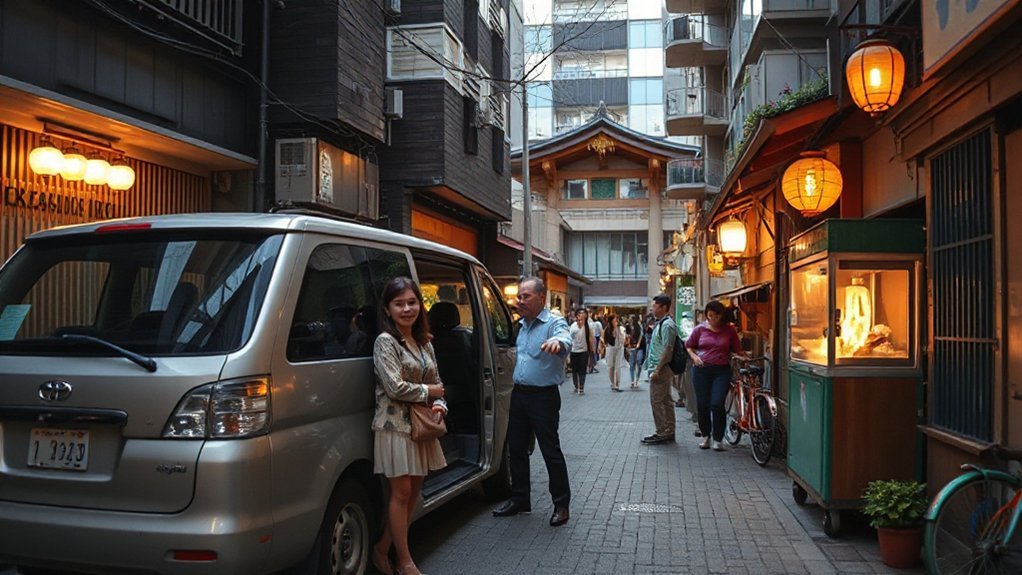
You wander Yanaka’s backstreets with a local guide, past retro shopfronts, incense by old temples, and snack stands selling melon pan warm from the rack, and you don’t waste time guessing which lane actually goes somewhere. Then you swing to Shimokitazawa for thrift finds, where you flip through 500‑yen bins, try on a worn‑in jacket that somehow fits just right, and spot a record store tucked over a ramen shop, because of course it is. With a private car to hop between stops and an easy meetup by a subway exit, you cover both in one mellow run, and you end the day with a small bag, a full stomach, and a story you can point to.
Yanaka Backstreets Stroll
Stepping into Yanaka’s backstreets feels like opening an old photo album that still smells like cedar and soy, with the walk pulling you along Yanaka Ginza’s lively shopping street where snack stalls and mom-and-pop shops trade stories as much as sweets. You meet Cat Culture in the alleys and grin at Retro Shopfronts, all honest, like paint still drying.
Between Ueno and Nippori, you roll in by private car, then wander past wooden homes, small temples, shy shrines, and Yanaka Cemetery, a pre-war echo that photographs well. Guides point out crafts and quiet corners. Plan 1–2 unrushed hours, plus Ueno Park, Nezu Shrine, or a kissaten.
- Sample hot croquettes.
- Spot cats, statues.
- Frame lanterns and roofs.
- Sip drip coffee, toast.
Shimokitazawa Thrift Finds
How do you dig up the good stuff in Tokyo without crossing half the city? You head to Shimokitazawa, a compact pocket in Setagaya served by the Odakyu and Keio Inokashira lines, and you let the alleys do the work. Within minutes of the station you’ll hit Denim Specialists, Retro Kawaii nooks, workwear troves, and tidy designer racks, all packed tight and easy to compare. On our private tour, your driver drops you by the North Exit, you wander, we shuttle bags. Go weekday mornings; most shops roll open around 11. Sip hand-pour, catch a gig at dusk, and call it done nicely.
| Tip | Why it helps |
|---|---|
| Weekday, 11:00 | Fewer crowds, fresh racks |
| Bring cash | Small shops prefer it |
| Try sizes | Tailoring fixes fit |
Food-Focused Itineraries: Sushi Counters, Markets, and Nightlife
You start with a sushi omakase stop, sliding onto a counter seat your guide booked, where the chef sets warm rice and tuna in front of you in a steady rhythm, and you keep pace, one clean bite at a time. With a private car or an easy walk, you can add a second counter at lunch or swing from Tsukiji back to Ginza, then save room because the night belongs to an izakaya crawl through lantern alleys like Yurakucho and Omoide Yokocho, where skewers hiss and beer shows up before you ask. Your guide steers you past the lines, orders the house pick, and keeps you moving—two or three quick stops, a plate of karaage here, a smoky yakitori there, and you’re back in the car by last train talk, full but still light on your feet.
Sushi Omakase Stops
Why does the best sushi in Tokyo feel like it was decided at dawn? Because your omakase stop rides on what the Toyosu stalls unload and what the chef trusts today. On private tours, your guide books the counter early, folds in Etiquette Tips and Tasting Techniques, and keeps the pace steady, no queuing, no guesswork.
- Start at Toyosu; many tours secure tuna-auction viewing—3-hour Private Toyosu & Tsukiji Market Adventure, about $151, rated 4.8 by 165.
- Slide to Nihonbashi or Ginza for seasonal nigiri the chef chooses, not you.
- Mix in an 11:30 multi-stop walk—Subway Nihonbashi Exit B12—to sample 14 bites across Ginza, Tokyo Station, Akihabara.
- Upgrade to a car: reserved Ginza counters, pickup/drop-off, and those scarce seats held in your name, fees prefigured.
Nightlife Izakaya Crawl
Ever notice how Tokyo’s nights hum like a kitchen fan that never quits? You slip into a private car around 18:30 or 20:00, miss the train shuffle, and spend 3 to 4 hours hopping 4 to 6 snug joints in Shinjuku’s Omoide Yokocho and Golden Gai, Ebisu, and Yurakucho. Your guide keeps pace and context, showing how to order omakase, mind standing sushi rules, and mind Drink Etiquette without fuss. You’ll sample 6 to 12 bites, from yakitori and kushiyaki to quick counter sushi, then cap it with a craft beer or cocktail in Shibuya or Roppongi. With seats for five or six, the chauffeur shortens the gaps, lets the Afterhours Culture breathe. Pricing varies, often higher with omakase and car, listings start $96–$151.
Crowd-Smart Scheduling and Seamless Logistics
While Tokyo hums from dawn to midnight, smart timing turns a good private tour into an easy, crowd-light day that just flows. Pick a flexible start window—8:00 to 17:00, or a 4–8 hour block—and your driver steers you around rush hour, not through it. For big days, think Nagano’s snow monkeys with a 6:00 roll-out, not 8:00, because the best views don’t wait; crowds don’t either.
- Plan early departures with buffer scheduling, so you clear bottlenecks, catch openings, and never sprint to a gate.
- Use a dedicated driver who knows the side streets and the drop-off spots, shaving traffic time and saving your feet.
- Hit seasonal hot spots off-midday—cherry blossoms in April, winter lights in December—to skip queues and slow shuffles.
- Lock the meet points and basics—hotel pickup and drop-off, or Subway Nihonbashi Exit B12—and confirm what’s included, like entrance or lunch.
How to Customize, Book, and Budget Your Private Tour
You’ve got the timing sorted; now make the tour fit you from the wheels up. Pick your format first: private car, a licensed guide on a walking route, or a full‑day hire‑car. Set a duration that matches your day—4 to 8 hours works for city loops, 10 hours suits Mt. Fuji or Nagano runs. Use the pre‑booking consult to shape stops, pace, and meeting point—hotel pickup or a station exit—and flag any access needs; a licensed guide can even swing skip‑the‑line or VIP entry.
Budget with clear lines. Private‑car groups usually run about $240 to $510; think $241 for 5 hours, and $280 to $437 for custom full days, with luxury higher. Ask for an itemized quote, since some tours include lunch, entrance fees, and driver/guide time, and others don’t. Confirm Payment Options and the Cancellation Policy up front. Plan for admissions and gratuities, and note early starts.
Frequently Asked Questions
Are Service Animals Permitted in Vehicles and at Major Sites?
Yes, you can bring service animals in vehicles and most major sites, but confirm accessibility policies. Operators may require harnesses and proof; check documentation requirements. Emotional-support animals aren’t recognized or permitted like trained service dogs.
Are Child Safety Seats Available, and What Are Japan’s Requirements?
Tiny travelers, strict rules: yes, child seats are available, and Japan requires approved restraints for children under six. You’ll find rental options and installation assistance. Taxis are exempt, but still please use seats whenever possible.
Do Tours Run During Typhoons or Extreme Weather, and What’s the Protocol?
You won’t run tours during typhoons or extreme weather. You’ll get alerts; operators suspend service and contact you with Rescheduling Options or refunds. Follow advisories, use safe points, and follow Evacuation Procedures if conditions worsen.
Can a Guide Help With Tax-Free Shopping Procedures and Duty Refunds?
Yes, your guide can assist. They’ll direct you to tax‑free shops, facilitate passport checks, handle receipt verification, advise minimums, coordinate forms, support refund coordination at counters, and translate. You’ll present purchases unopened and meet rules.
What Are the Tipping Expectations for Driver and Guide in Tokyo?
Tip’s not expected in Tokyo; you usually don’t tip drivers or guides. If service feels exceptional, follow tipping etiquette: discreetly hand a small envelope with yen. Avoid coins; cash preference beats cards for such gestures.