
You can see Tokyo with kids without frayed nerves if you plan smart and move light—think Suica cards, a pocket Wi‑Fi, and a foldable stroller that hops curbs. Hit Ueno Zoo, teamLab, and Tokyo Skytree’s aquarium, and book the Ghibli Museum early—those tickets vanish. Keep a rain plan (aquariums, science centers) and snacks handy. First up: how to get from the airport to a hotel bed before anyone unravels.
Key Takeaways
- Choose Haneda for short transfer; late arrivals consider airport hotel; use Limousine Bus with strollers.
- Base near a metro hub (Shibuya or Maihama) for easy trains or Disney access; apartment hotels like Mimaru help families.
- Get Suica/Pasmo with child fares; combine with 24–72h Metro passes; pocket Wi‑Fi or eSIM keeps maps working.
- Book kid favorites early: Skytree, teamLab Borderless, Ghibli Museum, KidZania; Ueno Park museums and zoos are great all-weather options.
- Plan calm evenings: Odaiba promenade or Shibuya Crossing views; head back before midnight when trains thin; follow simple shrine etiquette at Meiji Jingu or Senso-ji.
Arriving in Tokyo: Airports, Transfers, and Late-Night Logistics
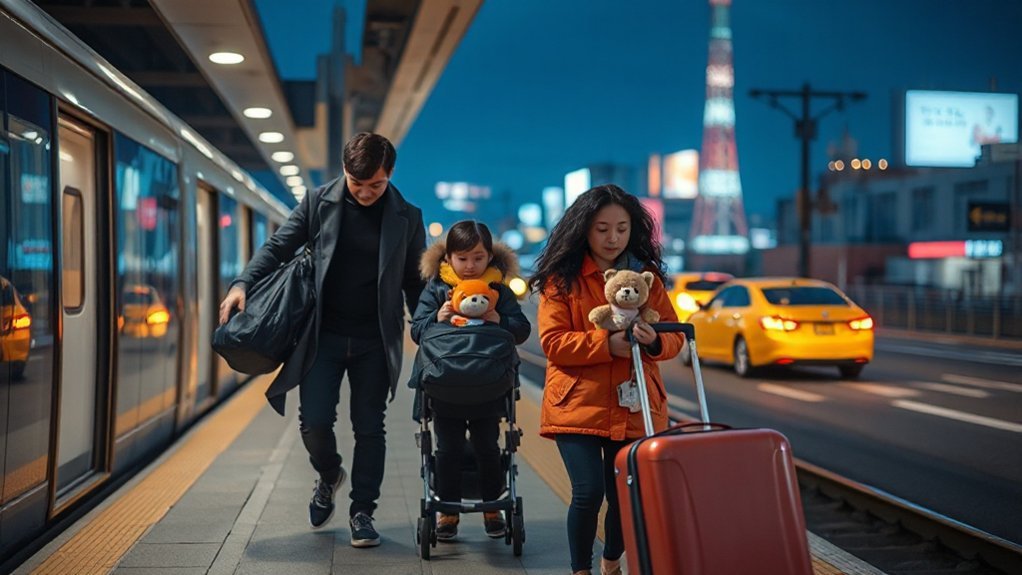
If you’re flying into Tokyo with kids and a couple of overstuffed bags, start by knowing which runway you’re landing on, because it shapes your whole first hour. Haneda sits close in, and you can be on the Tokyo Monorail or Keikyu line and downtown in about twenty minutes. Narita rides farther out, about 60–90 minutes, unless you spring for the Keisei Skyliner to Ueno or JR Narita Express to Tokyo Station. Mind the clock: trains thin out and many stop near midnight, so book an Airport Limousine Bus if you want one seat, no transfers, and space for strollers. Before you rush, breeze through Customs essentials—forms ready, snacks declared, meds handy—and decide if Baggage storage helps you move lighter for day one. For red‑eye arrivals, keep it simple and crash at an airport hotel, then roll in rested. It’s not fancy, it’s calm, and kids feel that.
Where to Stay With Kids and Getting Around the City
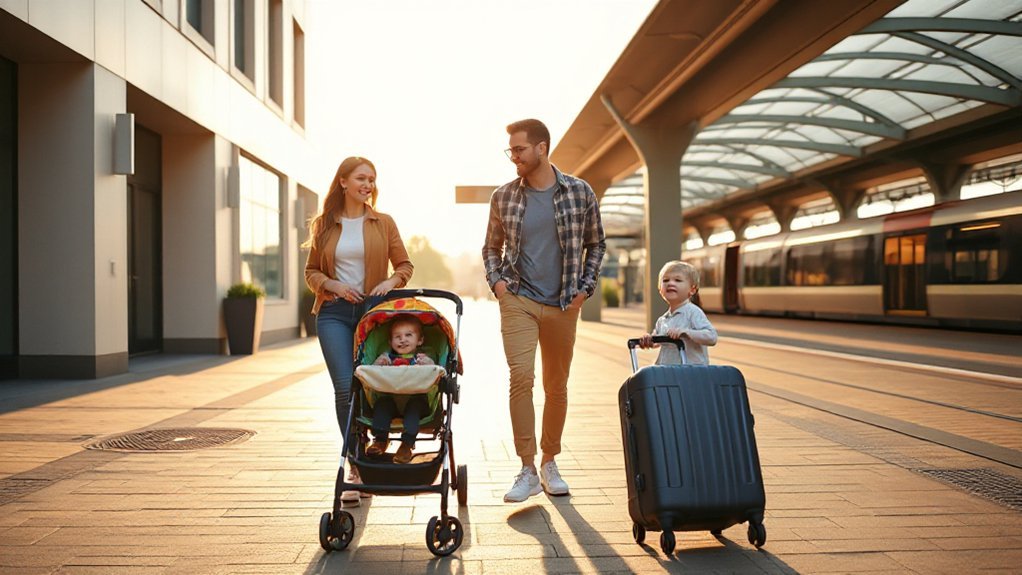
Picking a base in Tokyo with kids starts with the map, not the minibar, so plant yourself near a metro station and let the rest follow. Think in Neighborhood tradeoffs: Shibuya gives you that central buzz with trains everywhere, Tokyo Bay/Maihama puts you on Disney’s doorstep, and quieter spots like Sumida hand you supermarkets and local noodle shops when bedtime comes fast. If Disney is the mission, Sheraton Grande Tokyo Bay sits steps from the monorail and Maihama Station, with shuttles, rooms that fit three single beds, and bunks, so nobody ends up on the floor.
When you want space to spread out, book apartment-style and lean on Apartment amenities. Mimaru Suites Tokyo Nihombashi has two-bedroom layouts for four to six, a small kitchen for eggs and onigiri mornings, and a washing machine saves your suitcase. Ride the metro, keep transfers simple, and walk more than you think.
Essential Tickets, Passes, and Connectivity for Families
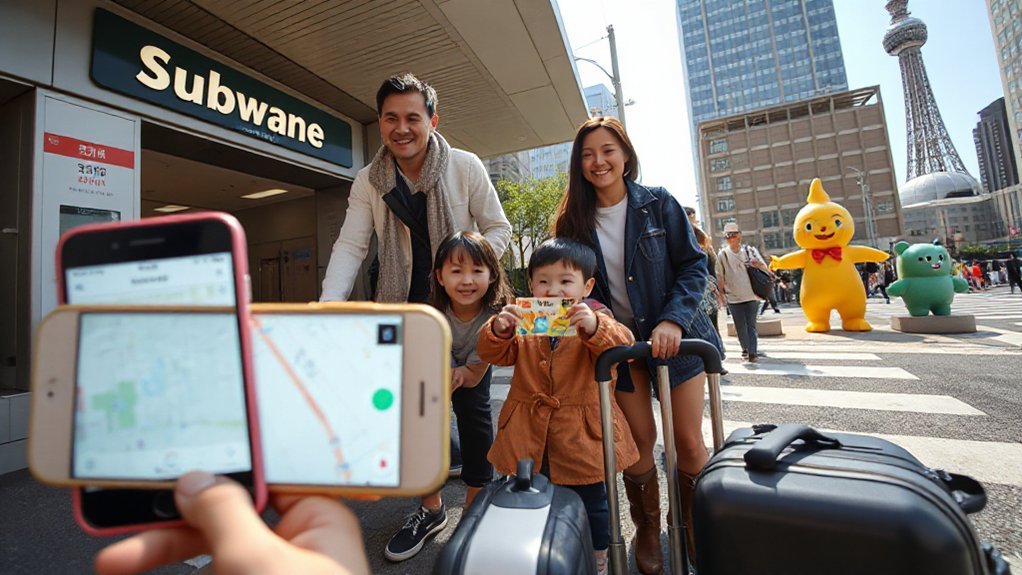
You grab a Suica (or Pasmo) when you land, load a few thousand yen, and tap your way through trains, buses, and even convenience stores, which spares you the ticket-line shuffle with tired kids. Set up kid fares right at the counter, since little ones under 6 ride free and a child Suica gives half‑price taps for school‑age riders, and it keeps your costs honest without you doing math on the platform. For keeping maps and tickets handy, use an eSIM you can switch on at the airport or a small pocket Wi‑Fi that lets all your phones connect at once, about 1 GB a day usually covers maps and messages, and yes, it saves the “whose hotspot is it now?” debate.
Suica Cards, Kid Fares
How do you keep everyone moving without fishing for coins at every gate? Grab Suica cards right at the airport—look for the station machines in Narita Terminal 1’s basement by the train gates—and top up as you go. Each card costs a ¥500 deposit, and you’ll get a Deposit Refund when you turn it in. Do simple Card Customization at the machine: pick “child” for ages 6–11 to access half-price fares, and print a name so cards don’t play musical chairs. Kids under 6 ride free with you. Buy and recharge at city ticket machines or convenience stores. For heavy subway days, pair Suica with 24/48/72‑hour Tokyo Metro/Toei passes, then keep Suica for transfers and snacks, like bottled tea from vending machines between rides.
Portable Wi‑Fi or Esim
Which way keeps the family online without fuss—pocket Wi‑Fi or an eSIM? If you’ve got kids with tablets and a second phone, grab a pocket Wi‑Fi, it handles 4–5 devices at once, and Klook lets you book ahead and pick up at Narita or Haneda. Most units come with a power bank, so battery management is easier on long days when maps run nonstop.
If it’s just your main phone, an eSIM like Saily feels lighter, no brick to carry, and average 1 GB a day with maps and music. Order before you fly or buy at airport kiosks to avoid delays. Save data by pausing photo backups to Wi‑Fi only, using offline maps, and pre‑downloading transit apps. For privacy protection, tether your crew.
Can’t-Miss Family Attractions in Central Tokyo
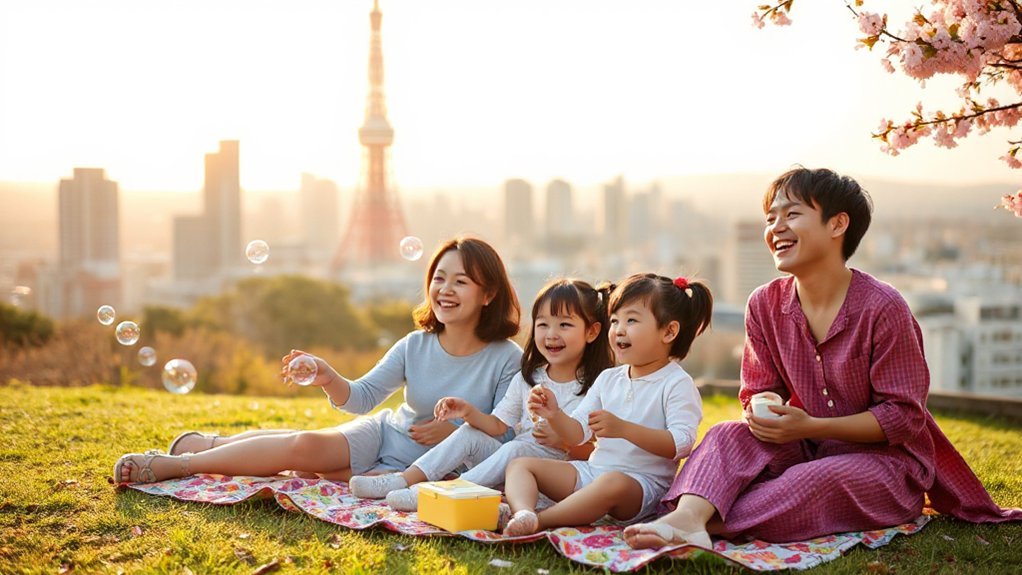
Why start in the middle of it all, where the city shows off and kids don’t get bored? Hit Shibuya Crossing first, watch the waves of people part and mix, snap Hachikō nearby, then duck into a café when little legs need a pause. Walk a few minutes to Meiji Jingu for tall trees and quiet, then swing over to Harajuku’s Takeshita Street for crepes, it’s a good yin and yang.
When you want big views, ride up Tokyo Skytree’s Tembo Deck, point out Fuji if the air’s clear, and follow it with the Skytree Aquarium next door, right, small, bright, and easy to pace. Ueno Park keeps options wide, with six museums and a zoo; the National Museum of Nature and Science wins with hands-on dinos and whiz-bang tech that school‑age kids touch. Save a half-day for the Ghibli Museum in Mitaka, about 30–45 minutes by train.
Tokyo Disney Resort Made Easy: Disneyland and DisneySea Tips
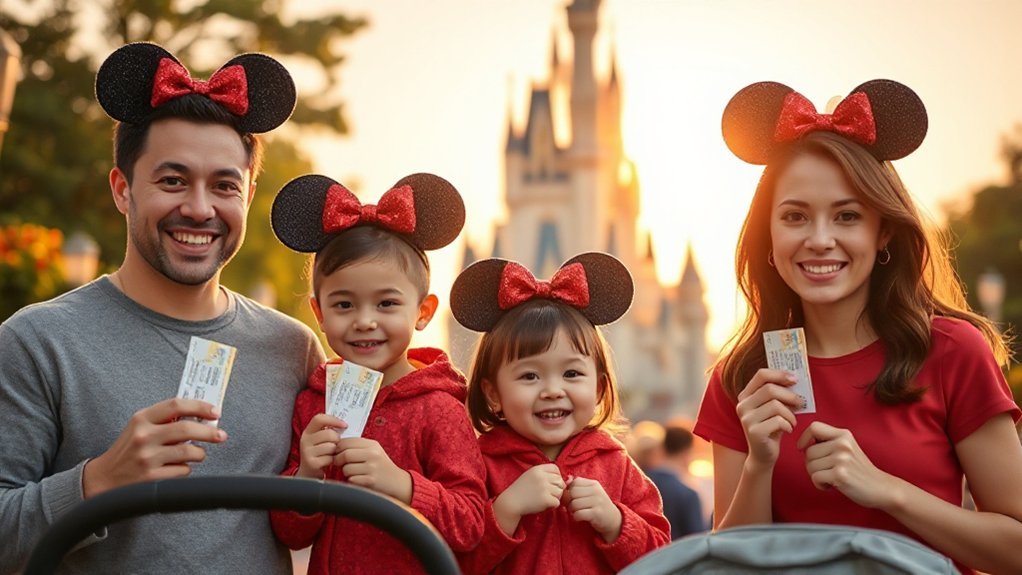
Ready to make Tokyo Disney easy, not exhausting? Start by buying tickets before you land; Klook plays nice with foreign cards and lets you grab skip‑the‑line options, which saves you from melting in line. There are two parks—classic Disneyland and the one‑of‑a‑kind DisneySea—so pick a focus or split days and keep your crew sane.
Ride the JR Keiyo Line or Airport Limousine Bus to Maihama, then hop the Disney Resort Line; from Tokyo Station it’s about twenty minutes to the gates. With strollers and suitcases, Tokyo Bay hotels, such as Sheraton Grande Tokyo Bay, toss in shuttles, great for early rope drops and exits.
Use the official app with Wi‑Fi or an eSIM, book Lightning Lane or virtual queues, and favor Wednesdays. For Parade Viewing, stake your spot thirty to forty minutes ahead, snack in hand. For Merchandise Shopping, browse mid‑parade or late, when registers loosen.
Interactive Museums and Rainy-Day Winners
If the weather turns soggy or you just need a break from shrines and sidewalks, Tokyo’s got indoor gems that keep kids busy and brains buzzing. Start in Odaiba: teamLab Borderless sells out fast, so book early, and only bring kids who won’t mind dark, shifting rooms and touchable light—it’s stunning but intense. Nearby, Miraikan nails rainy days for older kids with the floating Geo‑Cosmos globe, space corners, and Hands on robotics you can poke and steer. For story lovers, the Ghibli Museum in Mitaka has a tiny Cat Bus for little legs, an exclusive short film, and a rooftop robot; tickets drop on the 10th for next month, then vanish. KidZania Tokyo lets children try real jobs; reserve ahead, expect school groups, and look for English on Wednesdays. Need simpler? Galaxity’s big planetarium and climbing zones deliver, and Sumida or Sunshine aquariums are calm, Sensory friendly exhibits.
Cultural Experiences Kids Love: Temples, Kimono, and Etiquette
You can turn temple time into a simple kid ritual: at Sensoji, show them the chozuya to rinse hands and mouth before the main hall, keep voices low and shoes off where posted, try an omikuji and if it’s a bad one help them tie it to the rack like leaving a grumpy mood behind. At Meiji Jingu, walk them through the bow-bow, clap-clap, wish, bow routine, and remind them don’t snack while walking or climb on anything sacred, which keeps things respectful and saves you from a guard’s gentle cough. For dress-up, look for Asakusa or Ueno rental shops with kid sizes and family bundles that include dressing and simple hair, so you can slip into yukata or kimono for photos between Nakamise snacks and shrine stops without wrestling a knot in the street.
Kid-Friendly Temple Rituals
Watching your kids learn the little shrine habits turns a quick stop into a real memory, because Tokyo’s big sites like Senso-ji and Meiji Jingu spell it out in simple steps and the kids can do the whole thing themselves. Start at the basin and walk the temizu steps together, then try ema decorating. At the box, pass a lucky 5‑yen, then two bows, two claps, one bow, and a quiet wish.
- Small hands, big traditions.
- A coin’s soft clink.
- Wishes hanging like flags.
Grab omikuji for ¥100–¥200, read the short English line, and if luck comes up rough, tie the strip to the rack and walk on. Inside halls, shoes off, slow steps, low voices, no snacks or loud phones, and be present.
Kimono Dress-Up Tips
After those bows and claps, slipping into kimono keeps the magic going, and it goes smoother when you plan like a pro. Book early; kids need 30–60 minutes, longer with photos. Ask for child-sized kimono or yukata, a snug obi, and safety pins, choose a simple musubi won’t undo mid-skip. Follow the shop’s Sizing guide, and keep sleeves and hems tidy. Wear tabi socks or flat sandals, remove shoes when signs say. Teach quiet voices, no running, photo manners: use designated spots, ask before portraits, and never photograph prayer or inside halls. Maintenance tips: skip messy snacks, pack wipes, return on time.
| Moment | What you’ll remember |
|---|---|
| Tiny twirl, big grin | Sleeves swish like bells |
| Careful bows on stone steps | Pride in doing it right |
Evening Fun With Kids: Safe Night Views and Activities
While Tokyo buzzes late into the night, families can wander under bright lights and feel safe on the streets and in stations, which makes evening plans easy as long as you aim to head back before trains thin out near midnight. Start with Skytree Views at sunset, when the city flickers on and kids press noses to glass; book those evening tickets early, they go fast. For sea air and stroller ease, walk the Odaiba Promenade past lit malls to Rainbow Bridge, share warm snacks on a bench and breathe. If the kids want noise, ride into Shibuya Scramble, snap Hachikō, and watch the crowd flow like a river you don’t have to cross twice.
- Tiny hands in yours, lights winking like fireflies.
- A quiet bay breeze, shoes scuffing the boardwalk.
- Tired smiles on the train back, bedtime close.
Stay near a major station, or pick Disney shuttles.
Easy Day Trips and Family Ski Options From Tokyo
Though Tokyo can feel like a world of trains and noodles, the snow sits closer than you think, and you’ve got two clean lanes to pick from: quick-hit day trips or bigger mountains that deserve a sleepover.
For day trips, ride the Joetsu Shinkansen to Gala Yuzawa in about 75 minutes from Tokyo Station—step off, rent, drop kids in lessons, and slide out without a bus. Or take the Hokuriku/Asama line to Karuizawa Resort in 60–70 minutes; it’s gentle for beginners, rentals are easy, and the Prince Outlet sits next door.
Hakuba takes about 2.5–3 hours via Shinkansen to Nagano plus a bus or taxi, with kid-friendly hills and international schools. Naeba is a Joetsu ride to Echigo‑Yuzawa, then a short bus, with wide beginner zones and hotels. Book reserved seats early, pack light or courier bags, and confirm children’s lessons and rental sizes before you go ahead.
Frequently Asked Questions
How to Find English-Speaking Pediatricians or Urgent Care for Kids?
Start with Embassy referrals and Expat networks; 89% of expats report finding care faster that way. You’ll search hospital directories for “English-speaking.” Call 24/7 hotlines, ask hotels for clinics, and confirm pediatric credentials before visiting
Are Babysitting or Hotel Childcare Services Trustworthy and English-Friendly?
Yes, many babysitting and hotel childcare services are trustworthy and English-friendly. You’ll verify credentials, ask about Background Checks, and read reviews. Use Communication Tips: confirm language level, routines, allergies, emergency plans, live updates via concierge.
Is Tokyo Tap Water Safe for Babies and Toddlers?
Yes, Tokyo tap water’s safe for babies and toddlers. It meets strict standards, with moderate Fluoride Levels. For formula, you can boil or use cooled boiled water. Continue Bottle Sterilization if your child’s still sensitive.
Where to Buy Diapers, Formula, and Baby Snacks Near Attractions?
Like a questing knight, you’ll find diapers, formula, and baby snacks at Convenience Stores near sights—7-Eleven, FamilyMart, Lawson. Seek Drugstore Chains like Matsumoto Kiyoshi, Welcia, and Cocokara, plus station malls, Don Quijote, department basements too.
Tips to Handle Kid Jet Lag on Arrival and Return?
Shift their Sleep Schedule gradually before travel, then anchor meals and naps locally. On arrival, you’ll maximize morning Light Exposure and avoid late naps. Use early bedtimes, hydrate, offer comfort items, soothing routines. Returning, repeat.