
Neon Tokyo, silent confusion—you want wonders, not guesswork. You’ll do best with a National Licensed Guide Interpreter who speaks clear English, knows the trains, and doesn’t rush you past the good stuff. Start with Tokyo Private Tour Guides or ToursByLocals, skim reviews, check specialties (shrines, anime, architecture), and expect about ¥40,000 for a full day. Book a month ahead and confirm pace, meeting spot, and accessibility—then there’s one smart question folks forget to ask.
Key Takeaways
- Prioritize National Government Licensed Guide Interpreters for accurate history, cultural etiquette, and skilled interpretation.
- Find reputable English-speaking guides on Tokyo Private Tour Guides, ToursByLocals, and the Japan Federation of Certified Guides listings.
- Match specialties and personality via profiles and reviews; examples: Kaneo U., Grant A., Chiaki K., Ritsuko K. with 4.97–5.00 ratings.
- Expect pricing around 40,000 yen for 8-hour private tours; half-day cheaper; transport and car tours cost extra.
- Book 3 days to 1 month ahead; confirm language, license, itinerary details, accessibility, and meeting logistics in your first message.
Why a Licensed Guide Interpreter Matters
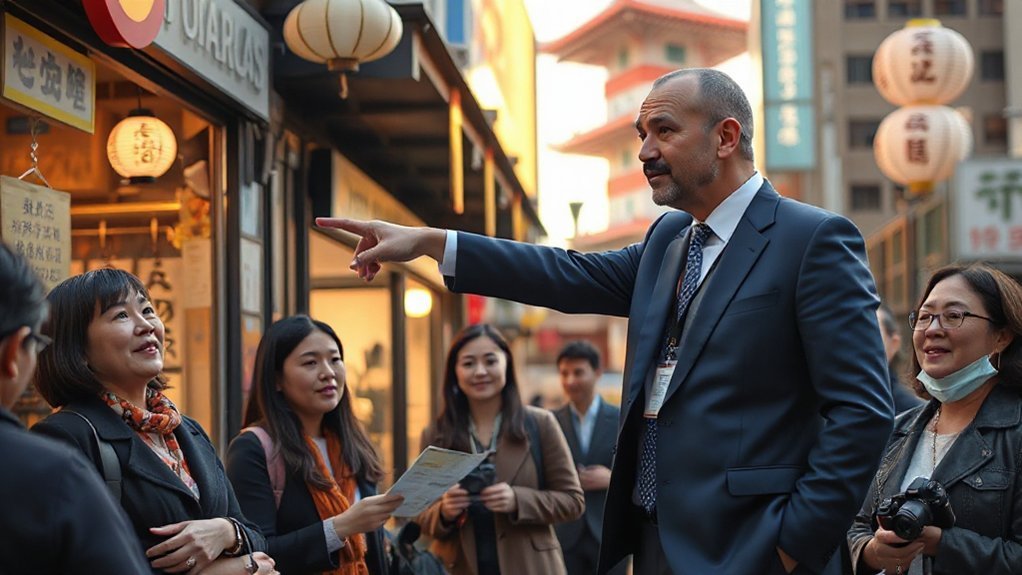
Because Tokyo can feel like a beautiful maze, a National Government Licensed Guide Interpreter is the person who walks you through it and shows you why each turn matters. You’re not just hearing trivia; you’re getting Historical Accuracy from someone who passed tough national exams and knows why a shrine faces east, or how a backstreet noodle shop ties to Edo days. They handle Cultural Sensitivity too, so you bow right, speak plainly, and don’t step where you shouldn’t, which keeps doors open and smiles real.
A licensed guide lifts a repeat visit, turning “I’ve seen it” into “I finally get it.” They shape the day to your quirks, swapping in pop culture stops, old town crafts, ramen alleys, or a quiet cedar trail, and they pace it so your feet and curiosity last. If you need English—or nine other languages—they interpret meaning, not just words; nothing’s lost.
Where to Find Reputable English-Speaking Guides
So where do you actually find a rock‑solid English‑speaking guide in Tokyo? Start with specialized platforms like Tokyo Private Tour Guides and ToursByLocals, where licensed pros post clear profiles, prices, calendars, and you’ll see ratings, like an overall 4.90/5 across 8,852 reviews. Search for National Government Licensed Guide Interpreters through the Japan Federation of Certified Guides, since folks passed the official exam and list languages up front. Browse individual profiles, too—Kaneo U. 4.99/5 for Hakone and Kamakura, Grant A. 4.97/5 with JLPT N2 and all 47 prefectures, and Ritsuko K. 5.00/5 with 134 reviews—solid bets when you want proof, not promises. Check low‑cost city options: Tokyo Volunteer Guides and Tokyo Tourist Information centers offer English walks and Tokyo Metropolitan Government observation‑deck tours, though you’ll need advance reservations and slots can be language limited. Also scout Community Forums and Expat Networks, then book 3 days to 1 month ahead.
How to Choose the Right Guide for Your Interests
How do you pick the right guide without overthinking it? Start with fit. Match the guide’s specialties to what you’re hungry to see: Kaneo U. for Hakone, Kamakura, or Yokohama, Grant A. if shrines, castles, anime, or cross‑prefecture stories light you up, Chiaki K. for theatre, architecture, gardens, and tea ceremony, and Ritsuko K. when you want hidden‑gem shopping and downtown Tokyo done right. Then check the badge: nationally licensed or government‑licensed guide‑interpreters give you steadier history and cleaner context. Reviews help you feel the ground—Ritsuko K. 5.00 with 134 reviews, Grant A. 4.97 with 120, Kaneo U. 4.99 with 75; those numbers travel well.
Think personality match and learning style: do you want a lively storyteller or a calm explainer? Confirm English level, languages, and whether they run private walks, car tours, or day trips. Ask about custom routes, mobility needs, summer tweaks, JR routes, Pasmo help.
Sample Private Tour Options and Pricing
A good baseline: Grant A.’s full‑day private tour runs 8 hours at 40,000 yen in Tokyo, and if you ride out to Nikko, Kamakura, or Hakone you keep the 40,000 and add the train or car costs on top, simple as that. That clear rule helps you read price breakdowns without squinting, since the guide fee stays put and transport costs float with distance and seats.
In Tokyo, you can book a private walking tour for a day at that rate, or pick a half‑day spin, which lands around half the fee, then add any subway fares and entry tickets you choose. Private car tours run higher because you’re paying for wheels and parking, but they save time. Day trips out of town tack on express trains or highway tolls, while airport transfers price like a flat ride. Multi‑day or custom routes shift with your plan and pace.
Booking Tips, Availability, and Communication
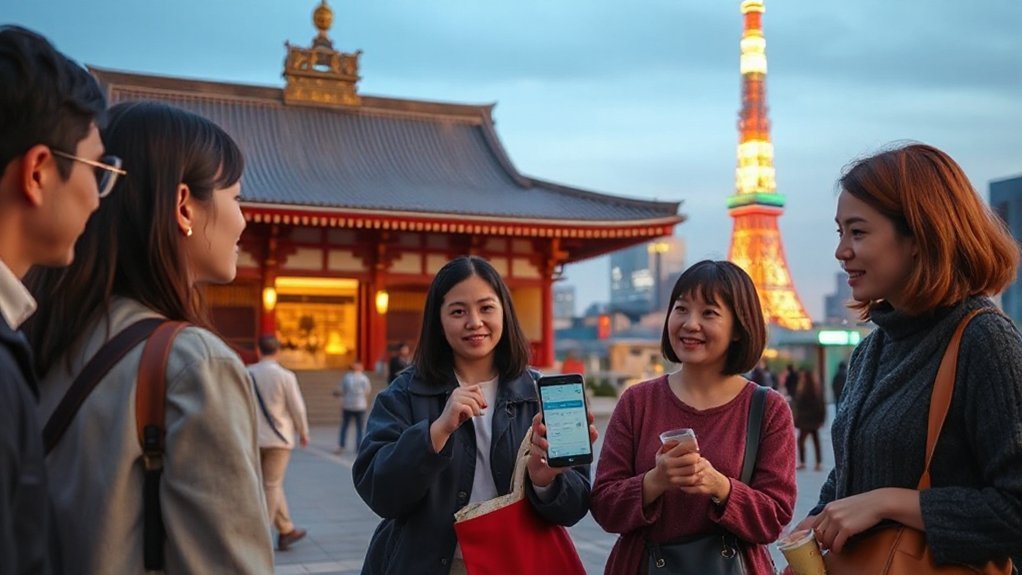
When you’re lining up an English‑speaking guide in Tokyo, book early and say exactly what you need, because peak weeks fill fast and the good folks get snapped up. Aim ideally for a booking leadtime of a month if you can, though some outfits take requests as late as three days out. Ask straight up about language and licenses: National Government Licensed Guide Interpreters are common, and some guides hold JLPT N2, but your preferred language isn’t locked in unless they confirm it.
Lay out the nuts and bolts in your first message: meeting spot, start time, market stops, train help, and any accessibility requests or mobility notes, like an elevator‑only route or frequent breaks. Expect full‑day private rates around 40,000 yen for eight hours, with outside‑Tokyo days priced plus transport. Volunteer programs run smaller groups, two guides for up to five, and charge a yen participation fee.
Frequently Asked Questions
Do I Need to Tip English-Speaking Guides in Tokyo?
You don’t need to tip English-speaking guides in Tokyo; tipping isn’t customary. You can still show appreciation with gifts or a thank-you. Understand Japan’s tipping customs and service expectations to avoid awkwardness and respect norms.
Are Tours Accessible for Wheelchair Users and Mobility Aids?
You glide through neon streets; yes, you’ll find tours accommodate wheelchairs and mobility aids, but details vary. Confirm ramp availability, elevators, step-free routes, lifts, and accessible restrooms. Ask about door widths, gradients, curb cuts, assistance.
Can Guides Accommodate Families With Young Children or Strollers?
Yes, guides can accommodate families with young children and strollers. You’ll get help with stroller logistics, kid-friendly pacing, breaks, and accessible routes. They suggest child activities, schedule snack pauses, and prioritize crossings and elevator access.
What Are Photography and Temple Etiquette Rules During Tours?
Mindful moments, measured manners: you follow flash restrictions, silence shutters, and skip tripods where posted. You wear respectful attire, remove hats, avoid blocking altars, and don’t disturb devotees. Ask permission for portraits, yield during prayers.
Do Guides Offer Insurance or Emergency Support During Tours?
Yes, many guides coordinate support. They rarely sell insurance; Liability Coverage usually comes via operators. You should confirm Emergency Protocols, first-aid training, local contacts, evacuation plans. Carry travel insurance; don’t assume medical costs are covered.