
You want Tokyo without guesswork, so start by asking what’s included—hotels, trains, meals—and who’s really guiding you, not a friend-of-a-friend. Check how fast they reply (a day or two), how big the group is, and what happens if a typhoon or late train hits—real plans beat shiny brochures. Look for clear prices and recent reviews, not just pretty photos. You can spot the keepers fast—if you know where to look next.
Key Takeaways
- Book 6–12 months ahead for peak seasons; confirm operators monitor ticket release schedules for must-get spots like Ghibli Park.
- Demand written details: hotel names/room types, transport specifics, prebooked Shinkansen seats, baggage forwarding, and a daily inclusions (B/L/D) chart.
- Verify guide credentials (licensed), language skills, specialties, and ensure group size and daily pace match your fitness and interests.
- Assess support: 24/7 helpline, same-day changes, meet-and-greet orientation, transfers, and insurance-ready documentation.
- Confirm customization and accessibility: dietary handling with written confirmations, barrier-free routing, accessible vehicles/rooms, and backup plans during disruptions.
DIY Planning Vs Hiring a Tokyo Tour Operator
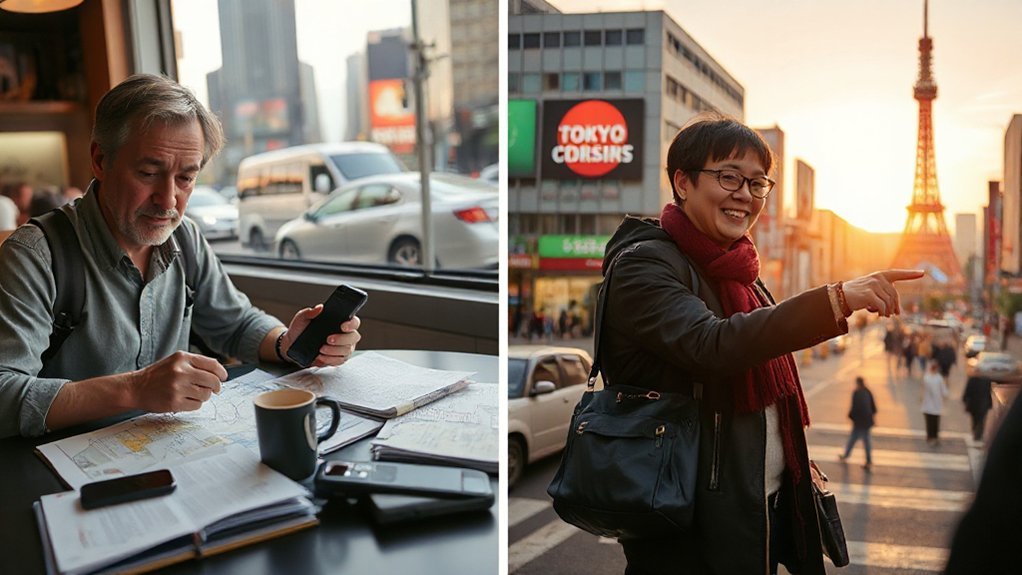
Even if you love planning trips, Tokyo will test your patience, so start by asking what you value more—your time or your money. If you DIY, you’ll spend nights wrangling train routes, Shinkansen seats, and museum tickets, and the Learning Curve is real, like figuring out when Ghibli tickets drop exactly three months out. It’s usually cheaper, sure, but a typo, a missed release window, or a wrong platform can cost you more than you saved.
Hire a Tokyo operator and you buy back dozens of hours. They prebook trains and transfers, snag hard gets like Ghibli Park, ryokan rooms, private tea, and hush‑hush restaurant tables, and they answer a 24/7 helpline when trains snarl or plans slip. There are Insurance Implications too: cleaner records and pro receipts help claims if bags go missing or weather derails a day. For peak seasons, contact them 6–12 months ahead, ideally.
Matching Tour Styles to Your Interests and Budget
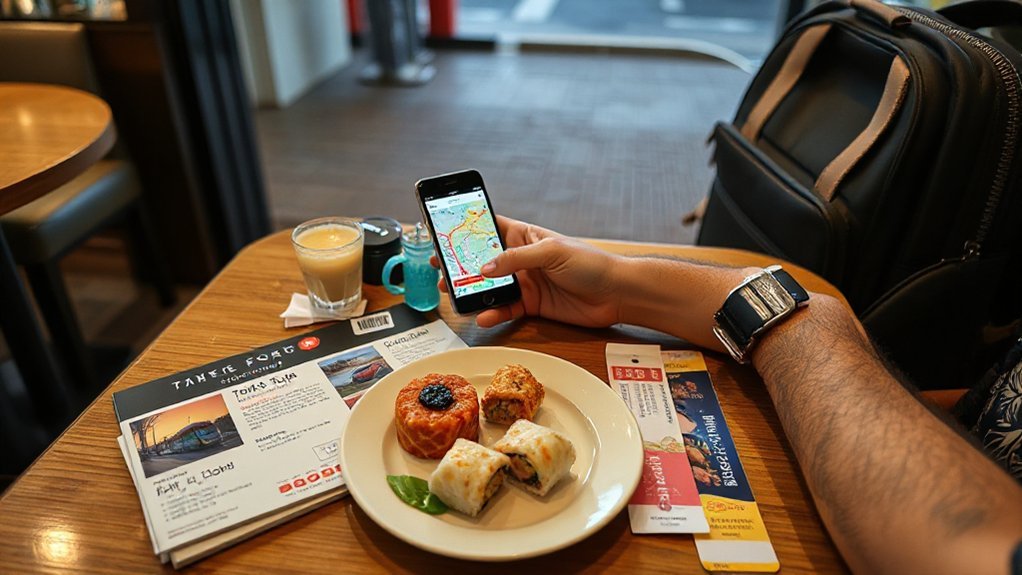
Now that you’ve weighed time versus money, pick a tour style that fits how you like to travel and what you want to spend. Start with Interest Mapping—pick culinary, history, or active days that match your tastes and energy, so the guide’s niche fits you. You’ll feel it the minute you start walking. Small‑group cultural tours (6–14 people) feel personal; big escorted groups win on convenience and lower cost, but they’re less nimble. Use Budget Brackets: group day tours under $100–$150, private half‑days $150–$350, and bespoke multi‑days from $500+.
Map your interests, match a guide, balance budget—small groups feel personal, big tours trade nimbleness for savings.
- Tea steam, sizzling yakitori, neon lanes.
- Worn temple steps, cedar shade, bell hush.
- River breeze, city bikes, ramen reward.
Choose private or tailor‑made for flexibility, dietary or mobility needs, and insider access like tough tables or quiet, behind‑the‑scenes moments. For cherry blossoms and fall colors, book 6–12 months ahead to secure specialists, coveted slots, and fair, not frantic, pricing.
What’s Included: Transparency on Hotels, Transport, and Meals

Start by asking for hotel details in plain words: the exact property each night, the room type and star rating, and any lounge access, not just “4-star near Shinjuku,” and if they promise an upgrade (like that Hilton Nagoya Japanese suite), make sure it’s written down so it sticks on arrival. For getting around, you want named services and tickets spelled out—private airport car or shared, prebooked Shinkansen seats, JR passes or a Suica card already loaded—and who hands them to you, at the hotel desk or at a meet-and-greet, plus whether a guide escorts you on day one to show the trains. Meals should be itemized so you know if it’s daily breakfast only, a couple of lunches or dinners, or a special kaiseki at a ryokan, and they should say how they handle dietary needs, so you’re fed well and not stuck paying surprise extras.
Hotel Inclusion Clarity
How do you know what you’re really buying? Start by asking for brand transparency and photo accuracy on hotels, not fuzzy brochure talk. Get the exact property names, star ratings, and room types, plus how many nights at each, in writing. A real operator will spell it out: Hilton Nagoya traditional suite for two nights, then a machiya rental, then a ryokan tatami room, no bait-and-switch. Ask whether upgrades are confirmed, what the refund or change policy is, and if they’ll put the promise on the invoice. A sample day-by-day sheet that marks inclusions and exclusions lets you spot real value fast.
- Lobby scent, soft lights, clean lines
- Tatami underfoot, shoji glow, kettle steam
- Balcony city blink, quiet duvet, strong shower
Transport and Meal Specifics
Once the beds are settled on paper, turn to the wheels and the plates, because that’s where trips get smooth or sticky. Ask what transport is truly included, not just “we’ll point the way.” Do you get private airport pickup, a local driver, prepaid Shinkansen with seat reservations, and help with Platform Transfers, or only suggested routes and reimbursements? Premium planners often forward your bags between hotels and hand you Suica cards and printed tickets on day one.
Now look at meals. Get a clean B/L/D chart by day, and note if market walks, cooking classes, or private sushi or kaiseki count as included or add‑ons. Confirm Cashless Dining tips, reservation fees, entrance costs, and change charges, plus 24/7 help when plans hiccup abroad.
Guide Credentials, Local Expertise, and Language Skills
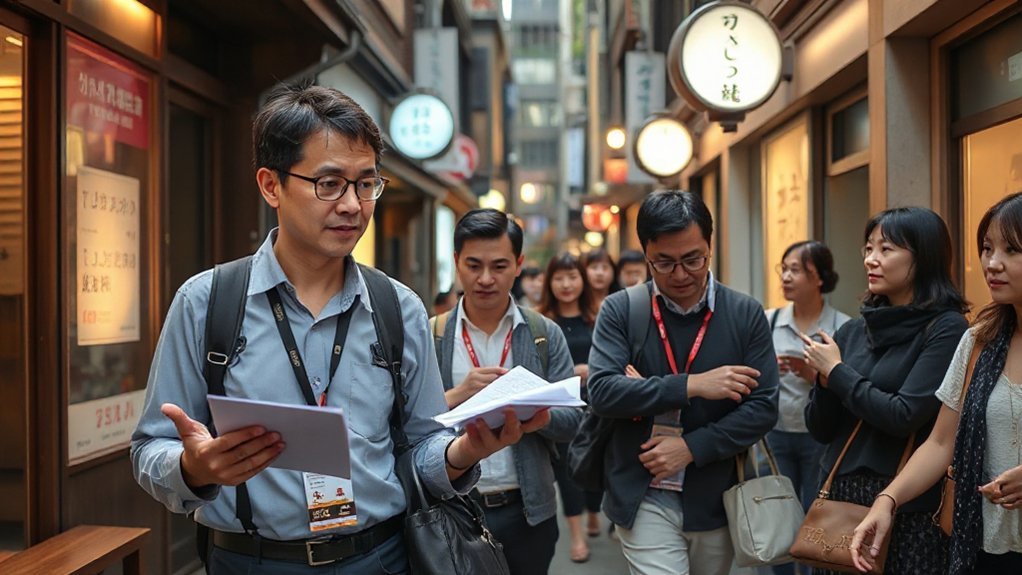
Picking a Tokyo guide is like choosing a trail leader who’s already worn holes in their boots, so ask for the real markers: a Japan National Government Licensed Guide-Interpreter credential (通訳案内士) that proves they’ve been tested on history, culture, and language, a home base in Tokyo with lived knowledge of which alley ramen shop is open after a rain, and language skills that go past casual English to business-level plus other tongues like Chinese, Korean, or Spanish, with the ability to read Japanese-only menus, signs, and those fussy reservation notes.
Do quick Certification Verification, then ask about Neighborhood Fluency and deep real experience. How many Tokyo tours led, what specialties, and who picks up same-day on phone or WhatsApp? Now picture what a sharp local can do:
- Slip into a six-seat soba counter tonight.
- Decode shrine signs and surprise train detours.
- Call a tiny knife maker for visits.
Group Size, Pace, and Fitness Requirements
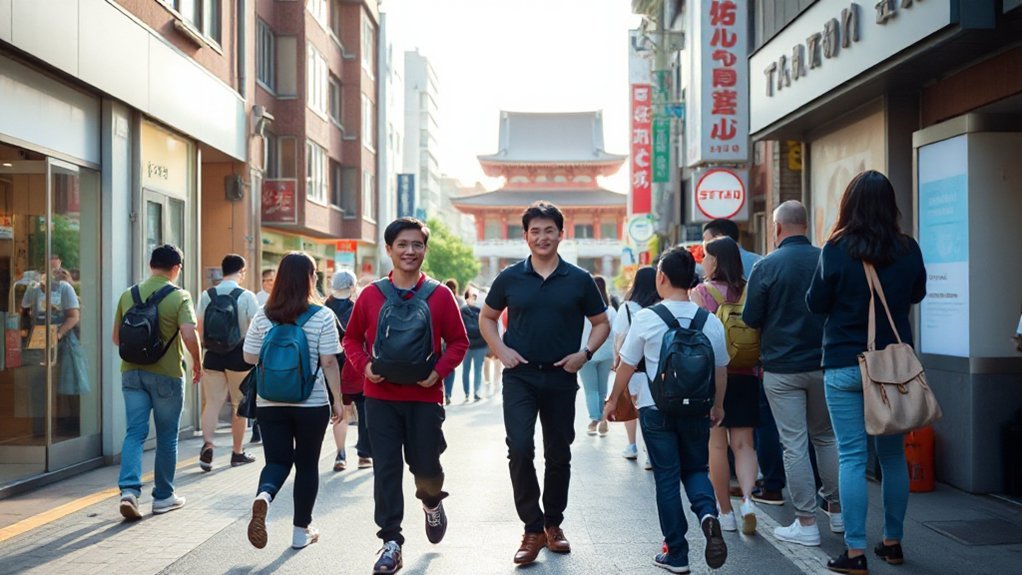
Since Tokyo days can run long, match the tour’s group size and pace to your legs and patience, not the brochure glow. In small groups of 6–14, or ultra-small sets of 2–7, guides can notice when you need a breather, and the Social Dynamics feel friendly, not herd-like. Big buses of 20+ move faster, squeeze in more sights, and yes, cost less, but you’ll spend breaks counting heads. Read the fitness line: “easy” or “very easy” suits slow museum wanders and neighborhood pokes, while 2–9 miles a day and stair-heavy stations signal moderate work. Food walks, full-day city blitzes, and Mount Takao hikes ask for good mobility and steady knees; the Terrain Challenges aren’t hype. If you’re older, rolling with little kids, or dealing with mobility limits, confirm elevators and minimal stairs. Pay more for small groups when you value breathers; save with larger groups when speed matters.
Customization Options and Special Requests
You tell them how you like to travel and they build the day around you, from an easy morning and a tea ceremony to a late ramen run, with rest breaks and shorter walks if your knees complain. If you’ve got food rules or allergies, say so early and they sort it, like booking a sushi class that skips shellfish, finding gluten‑free tempura, or steering you to a ramen shop with no‑pork broth and a nut‑safe kitchen. Need step‑free stations, a wheelchair taxi, or a guide who knows which shrines have ramps and loaner stools; a good Tokyo team maps it all, checks the elevators actually work, and keeps a hotline ready when plans change, because that’s real life.
Tailored Itineraries and Pacing
While Tokyo can feel like a pinball machine, good operators slow the bumpers and pace the day to match your stride, not the other way around. They use Energy Mapping and a feel for Cultural Tempo, profile your age, mobility, interests, and must‑sees, then suggest one or two guided days plus hours to curb fatigue. Pick half‑day, full‑day, or multi‑day. Swap long walks for a private car, add quiet neighborhoods, schedule sit‑downs.
- Lanterns in Yanaka as you linger, not rush.
- A breezy bay ride instead of a train sprint.
- A temple at dawn, then coffee on a slow street.
Private guides flex; fixed groups run tighter clocks and per‑day pricing. For peaks, allow 4–12 weeks; tailoring and last‑minute switches add fees.
Dietary Needs and Allergies
Good pacing sets the day, but the plate in front of you decides how calm it stays. Ask the operator who they trust to cook for you, and how they do Vendor Vetting. Do they partner with spots that handle vegetarian, vegan, halal, kosher, gluten‑free, and shellfish issues? Give your needs in writing when you book, then confirm again at least 72 hours before each meal, because many kitchens in Tokyo need notice to prep safe dishes. Ask for Japanese Allergy Cards or chef notes so staff can read your limits, no guessing. Request examples from similar clients, and whether they guarantee no cross‑contamination with separate prep and tools. Confirm live support, emergency help, epi‑pen steps, and nearby clinic plans, just in case today.
Accessible Travel Arrangements
How do you want to move through Tokyo without wrestling a single step you didn’t plan for? Ask operators to route past stairs, using stations with elevators and barrier-free exits. Prebook accessible rides—private vans or universal taxis—and give 2–4 weeks’ notice, well ahead. Confirm roll-in showers and grab bars; ask them to hold accessible rooms. Need wheels? They can arrange rentals for wheelchairs or scooters with a deposit and pickup or delivery.
- Elevator to a platform
- A taxi ramp at the curb
- A roll-in shower waiting
For service animals or sensory needs, request trained guides, JSL, picture itineraries, quiet slots, and written briefings; get policies in writing. Make sure your travel insurance covers rentals, delays, and changes, for peace of mind.
Red Flags and How to Vet a Company
Before you hand over your dates and a deposit, scan for the simple tells that separate solid Tokyo operators from the shaky ones. Start with recent voices, not dusty praise—look for multiple TripAdvisor or Google reviews posted in the last 12–24 months, and read what went wrong, not just the five-stars. Test communication: send a detailed question about itinerary tweaks and emergency support, and expect a clear reply within 24–48 hours. Ask for Payment Security details and Insurance Verification: a secure card portal, no wire-only demands, and proof of liability coverage. Get the fee map in writing—exact inclusions, cancellation rules, and any agency service fees, no fog allowed. Confirm a Japan footprint: a Tokyo office, Japanese-speaking staff, and same-day in-country help. Request references, sample itineraries, and accreditation like IATA, ASTA, or real travel awards. If they stall, duck, or go vague, you’ve got your answer. Walk away politely.
When to Book and Peak-Season Strategies
Once you’ve picked a trustworthy operator, timing turns into your next lever, because the calendar in Tokyo can be as tight as the metro at rush hour. For cherry blossom and fall color, book tours and guides 6–12 months out, or you’ll pay more and pick from scraps. Outside those windows, 3–6 months keeps choice and sane cancellation terms. Treat Golden Week, Obon, and New Year like peak too.
Watch Ticket Releases like a hawk. Ghibli Park drops seats three months out at midnight, and they vanish fast, same with tea rooms and sushi classes. A Japan-based operator earns their keep, using local ties and backup plans when plans wobble, and Pricing Forecasts help you dodge spikes.
- Lantern-lit alleys, quiet at dawn, before the tour buses arrive.
- Maple leaves swirling over shrine steps, your guide waving you through.
- A ramen counter, two stools free, because you booked smart.
Frequently Asked Questions
What Tipping Etiquette Applies for Guides and Drivers in Tokyo Tours?
You think tipping’s required, but in Tokyo you don’t tip guides or drivers per Cultural Norms. Cashless Practices prevail; digital tipping isn’t expected. For exceptional service, give a cash envelope or souvenir after confirming policy.
Do Operators Provide Visa Support Letters or Entry Requirements Guidance?
Yes operators provide visa support letters and entry guidance. You should confirm scope, timelines, and fees. Expect Document Assistance, Embassy Liaison, and itinerary proof. Verify requirements on government sites and airlines; operators can’t guarantee approvals.
Is Pocket Wi‑Fi or SIM Card Assistance Included or Available?
Yes, many operators include or offer pocket Wi‑Fi or SIM support. You’ll see rental options and activation assistance. Ask about coverage, data caps, fees, return methods, and plans if devices fail or stock runs out.
How Are Weather Disruptions Handled, Especially Typhoons or Heavy Rain?
Calm meets chaos: you’ll get alerts, safety protocols, and decisions. Operators pause risky activities, secure shelter or transport, then deploy alternate itineraries, rebook tickets, and communicate updates. You choose refunds or reschedules to minimize disruption.
Are There Family-Specific Amenities Like Child Seats or Stroller Accommodation?
Yes, you’ll find family amenities: child seats, booster seats, stroller storage, and pram-friendly vehicles. Ask about stroller space, child options, and hotel pickup. Confirm availability, weight limits, fees, and request kid-friendly guides, stops, and pacing.