
Tokyo could swallow a month and still leave you hungry, so you hop a train and chase fresh views and quiet corners. You can stare at Fuji from Kawaguchiko, soak in Hakone’s onsen and ride Lake Ashi, bow at Nikko’s Toshogu, or meet the Great Buddha in Kamakura, with bayside Yokohama and old-time Kawagoe close and easy. I’ll show you which rides to take, when a pass pays, and how to pick tomorrow’s winner.
Key Takeaways
- Hakone: Odakyu Romancecar ~2 hours; use Hakone Free Pass for loop with ropeway, pirate boat, Open-Air Museum, onsen.
- Nikko: Tobu Railway; visit Toshogu Shrine, Kegon Falls, Lake Chuzenji; consider overnight to avoid crowds.
- Kawaguchiko/Mount Fuji: highway bus 2–2.5 hours; Chureito Pagoda views and lakeside strolls.
- Kamakura: JR from Tokyo; Great Buddha, temple hikes, and Enoden coastal rides.
- Yokohama or Kawagoe: short JR trips for Chinatown, Minato Mirai, or Edo-era streets; easy half-day options.
How to Get Around Japan
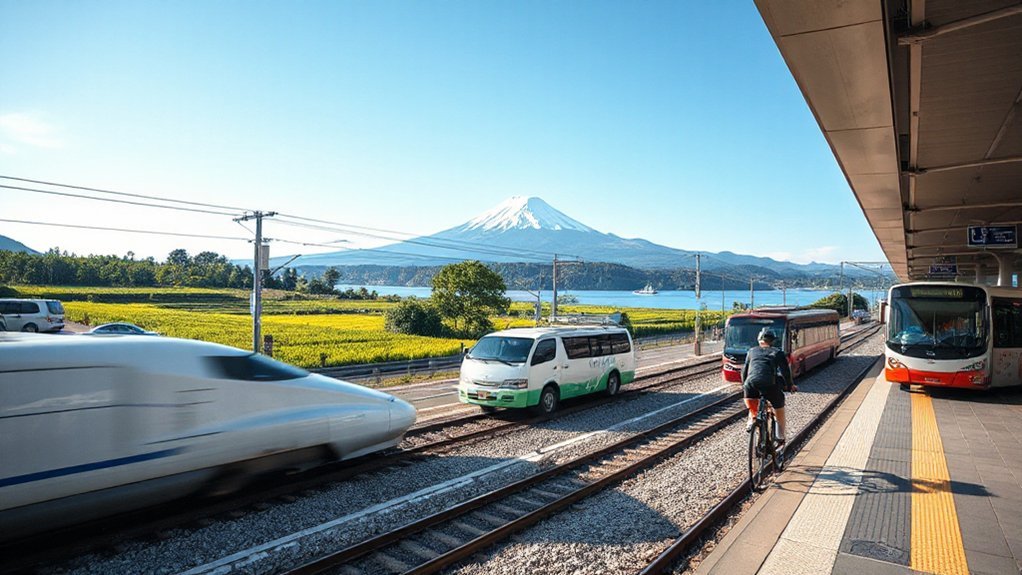
For most day trips from Tokyo, you’ll ride the rails and buses, not wrangle a car. Trains and buses run clean, on time, and everywhere, so you can hop out to Kamakura or Nikko. On local buses, mind the bus etiquette: board at the rear, grab the little numbered ticket, then pay up front when you get off; tell the driver your stop and they’ll nod and watch out for you. JR lines stitch the region together, and the Japan Rail Pass can be a deal if you’re stacking long rides, but for a quick out-and-back it’s often cheaper to buy single tickets.
Thinking about rental cars? You’ll need an international permit, and the daily rate, about $80–$100, plus tolls, adds up fast. Highways can crawl, parking can pinch, and honestly, the train usually beats the clock. Save driving for rural side trips, not your first run.
Smart Transit Tools: Suica and Google Maps
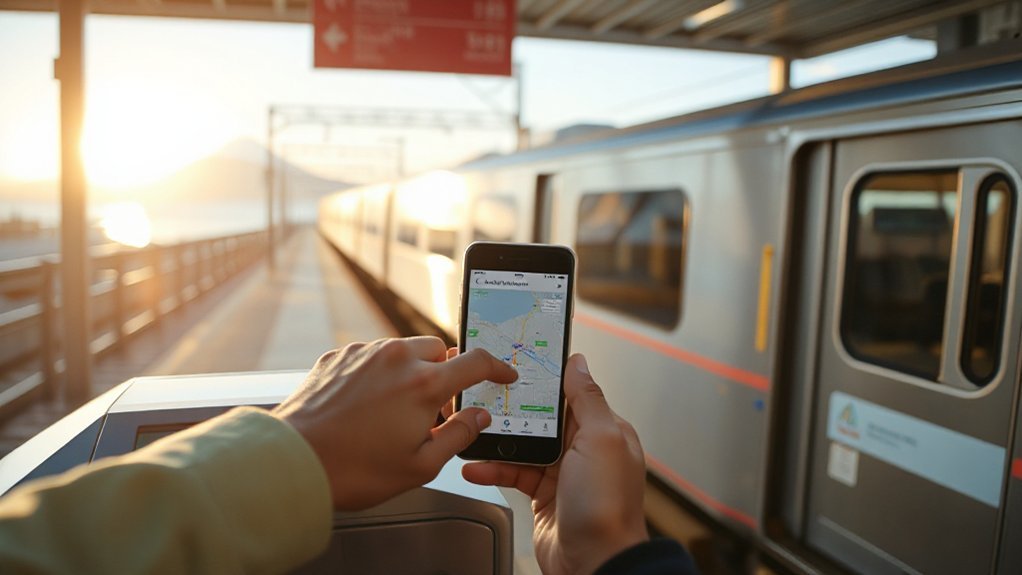
Pocket-tech makes Tokyo transit easy: keep a Suica in your phone and Google Maps in your hand, and you’ll move like a local without juggling coins or paper slips. Add Suica to Apple Wallet or Google Wallet, top up from ¥1,000, and tap through train and bus gates across Greater Tokyo, no paper tickets, no fuss. The same card buys onigiri, drinks, and station snacks with Contactless Payments, which means your coins can nap in your pocket awhile. If you prefer plastic, recharge at the green machines or a counter, and your balance waits between trips.
Open Google Maps to plan a day trip like a pro: see real-time departures, platform numbers, transfer walks, and fares, plus steps inside stations where it’s easy to drift. Compare local, limited express, or highway bus options. Download maps for Offline Navigation, or screenshot routes, and you’re covered even when signal hiccups.
JR Pass: What It Is and When It’s Worth It
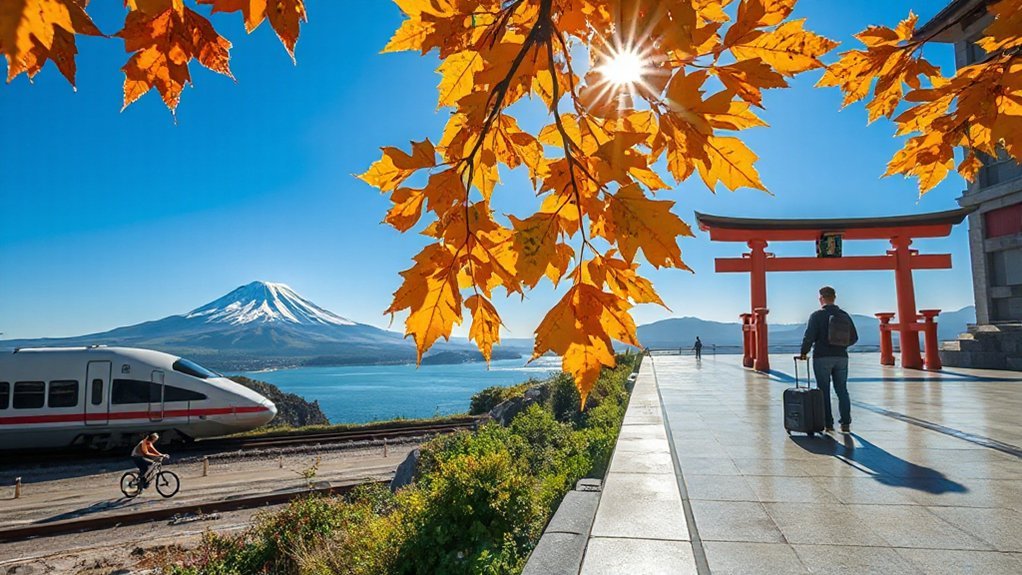
Suica handles your taps around town, but when you’re eyeing bullet‑train miles, the JR Pass is the tool to know. It gives you unlimited rides on JR lines, including Shinkansen, though not Nozomi or Mizuho, and it’s for foreign visitors on a tourist visa. Pick Regular or Green Car, and choose 7, 14, or 21 days; as of Jan 2024, prices run ¥50,000/¥70,000 for 7 days, ¥80,000/¥110,000 for 14, and ¥100,000/¥140,000 for 21. It covers airport runs and hops like Tokyo to Kyoto in two to three hours.
Here’s the no-fuss way to decide if it’s worth it: add up your planned fares, including seat reservations and Green upgrades, or use a JR Pass cost calculator. If those totals land near the pass price, you win; if not, skip it. The Activation process is simple at JR offices with your passport, and check the Refund policy before purchase.
Essential Day Trips Near Tokyo
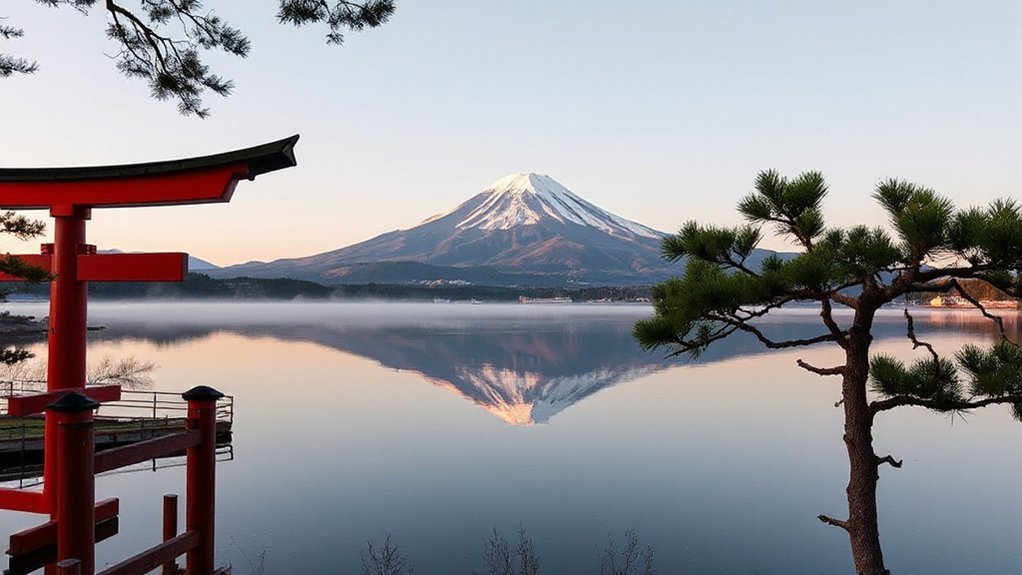
Even if Tokyo keeps you buzzing, a good day trip snaps the city static right out of your head, and you’ve got easy picks in every direction with clear trains and buses that don’t play games. Chase Mount Fuji at Kawaguchiko by highway bus in about 2–2.5 hours for big lake views and that Chureito Pagoda shot. Zip the Odakyu Romancecar to Hakone in about two hours; the Hakone Free Pass makes museum, boat, and train hops easy. For bright shrines and deep woods, take Tobu Railway to Nikko for Toshogu, Kegon Falls, and Lake Chuzenji. Closer in, ride JR to the Kamakura Temples and Great Buddha, swing to the coast on the Enoden, or zip to Yokohama or Kawagoe.
- Start early, crowds thin and buses run smooth too.
- Check Fuji weather; clouds move, backup plans save time.
- Use IC cards and passes; fares stay simple and cheap.
Big-Day Options and Overnight-Worthy Picks
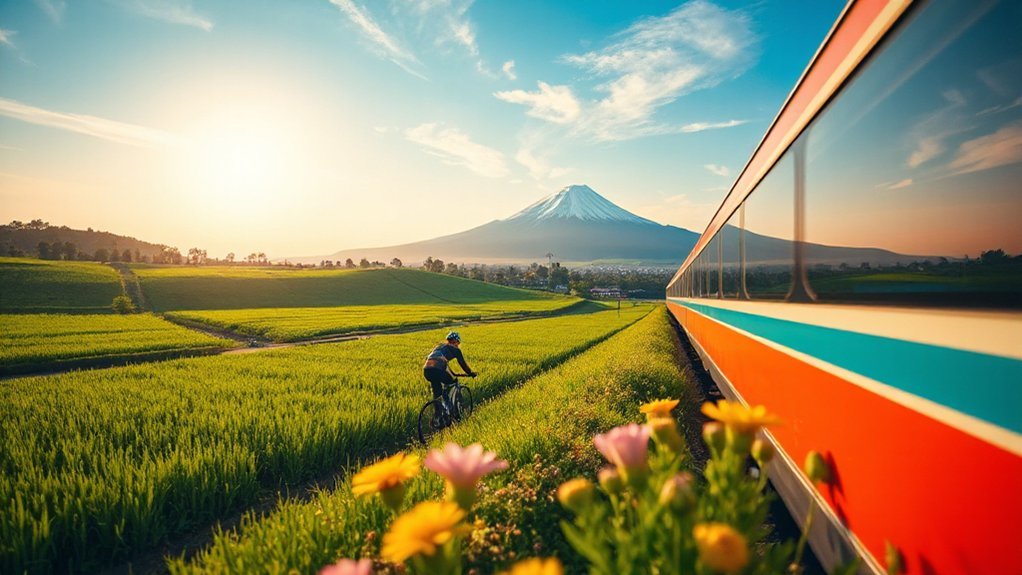
When a simple out-and-back won’t cut it, you aim for the big-day runs and the trips that breathe better with a night tucked in. Kyoto earns it, two to two and a half hours by Tokaido Shinkansen (¥13,320), with temples and Gion’s glow. Nara pairs well, to greet the deer, linger at Todai-ji, and skip the station sprint. Hakone and the Mount Fuji area fit a soak, a Lake Ashi cruise, and open‑air art. Osaka and Universal can be a day, but you’ll like them if you stay after the rides and Night activities. Nikko shines in peak seasons. Splurge upgrades? Green Car seats, a ryokan, and luggage forwarding.
| Destination | Travel time | Overnight perk |
|---|---|---|
| Kyoto | 2–2.5 hrs by Shinkansen | Evenings in Gion, unrushed temple mornings |
| Hakone/Fuji | ≈2 hrs from Shinjuku | Onsen ryokan, Lake Ashi, Open‑Air Museum |
| Nikko | ≈2–3 hrs by Tobu/JR | Toshogu at ease, early Kegon Falls |
Frequently Asked Questions
When Is the Best Season for Nikko, Kamakura, and Hakone Day Trips?
Visit Nikko in autumn foliage or late October–November; you’ll love temples. Choose Kamakura for spring blossoms and beach walks, March–April. Pick Hakone in autumn foliage or clear winter for Mt. Fuji views; avoid summer crowds.
How Can I Avoid Crowds at Popular Shrines and Viewpoints?
Test the theory that timing beats popularity: you’ll arrive at dawn, prioritize weekday visits. Take back paths, pick alternative viewpoints, and skip souvenir zones. Watch forecasts, avoid festival days, and stagger lunch to sidestep waves.
What Etiquette Should I Know for Temples, Shrines, and Onsen Visits?
At temples and shrines, you follow Purification Rituals, bow at torii, don’t use center path, clap or pray, show Quiet Behavior, remove shoes. In onsens, wash, enter nude, keep towels out, tie hair up, whisper.
Are There Coin Lockers or Luggage Storage at Major Day-Trip Stations?
Strike while the iron’s hot: yes, major day-trip stations have station lockers and staffed storage. You’ll find various sizes, pay by coins/IC, and use baggage forwarding from hotels or counters when lockers fill, particularly weekends.
Will I Find Vegetarian-Friendly or Allergy-Aware Dining in These Areas?
Yes—you’ll find vegetarian-friendly and allergy-aware dining. Seek temple restaurants serving Shojin Ryori, order vegetable tempura, soba, or tofu dishes, and ask for Allergen Cards. Check menus, confirm dashi sources, book ahead, and use HappyCow filters.