
You land in Tokyo, the trains hum, the signs blur, and a licensed guide steps in like a steady friend—sets up your Pasmo, threads you through Shibuya crowds, books that tiny sushi counter, and finds a stroller‑friendly path in Asakusa, no fuss. They pace the day, slip in a tea stop, and plan a Fuji or Kamakura hop without guesswork. Want icons or alley secrets—or both? Here’s how to choose smart.
Key Takeaways
- Hire a government-licensed local guide for cultural context, safe pacing, transit help, and customized routes for families, seniors, or accessibility needs.
- Expect private full-day fees around ¥40,000 for 8 hours; confirm extras like subway fares, admissions, meals, cars, and cancellation terms.
- Choose guides by credentials, 4.9+ ratings, responsiveness, language fit, and matching interests (food, architecture, anime, hidden gems).
- Private tours tailor stops and timing; group tours offer fixed routes, social atmosphere, and lower per-person cost, often 3-hour formats.
- Popular itineraries include Shibuya, Meiji Shrine, Senso-ji, Tsukiji food walks, anime districts (Akihabara, Nakano), and day trips to Kamakura, Hakone, Nikko, or Fuji.
Why Hire a Licensed Local Guide
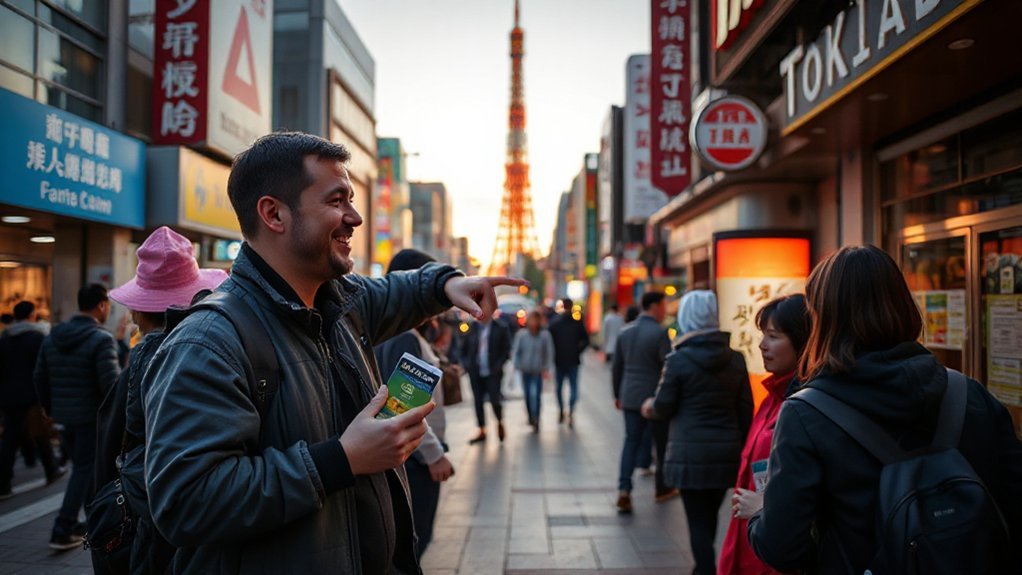
Ever wonder why a licensed local guide is worth it in Tokyo? You get Cultural Literacy on tap, not guesswork, because these folks carry official badges and know the stories behind shrines, tea bowls, and back‑alley markets, and they translate the quiet nods and phrases so you act right and feel welcome. They’re steady hands in the maze, showing you how to load a Pasmo, mind the 500‑yen deposit, and activate a Japan Rail Pass without standing in the wrong line twice. With Safety Assurance and calm know‑how, they steer you clear of tourist traps and crowded time sinks, then fold must‑see sights into hidden shops and local izakayas that fit what you love. Ratings near 4.9 don’t lie. A seasoned guide books tickets, grabs hard tables, tweaks routes for wheelchairs or tired knees, and keeps the day smooth, like someone who’s already scuffed the path for you.
How to Choose the Right Guide for You
How do you pick the right guide in Tokyo without guessing? Start with credentials. Look for government‑licensed pros, the folks who know their tea ceremony from their train transfers; names like Chiaki K. or Ritsuko K. tell you you’ll get depth, not trivia. Check ratings and read the freshest reviews—platform averages sit near 4.90/5, with Kaneo U. at 4.99, Grant A. at 4.97, and Ritsuko K. at 5.00—then notice notes on punctuality, local tips, and family‑friendliness. Match for Personality fit and language, too. If you need smooth English and cultural nuance, ask; guides like Grant A. or Hiromi Y. list JLPT N2 or study abroad. Message them about your interests—architecture, hidden‑gem walks, or local shopping—and watch how they respond. Quick replies in four hours, clear plans, and Booking flexibility are green flags. Ask about transit help, Pasmo advice, and ticket support; those small fixes make your day glide.
Understanding Tour Types and Costs
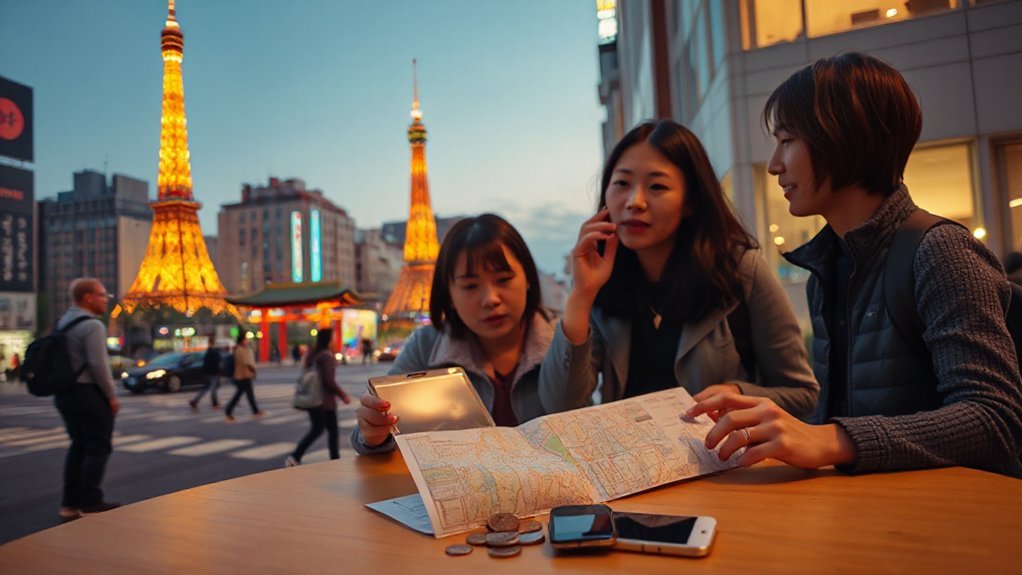
You’ll pick between private and group tours: private lets you set the pace and your stops—think a tight 3-hour sushi run or an 8-hour Essential Tokyo—while groups cost less but stick to a set route and timetable, which is fine until you want that extra shrine or snack. For costs, figure a private full day starts around 40,000 yen for 8 hours, then add your transport and any car hire, and if you head outside Tokyo (Hakone, Kamakura, Fuji lakes), expect extra train or vehicle fees on top. Always check what’s included—subway fares, admissions, meals, and whether the guide will help with an IC card or JR Pass—because a “great deal” that leaves you buying every ticket at the gate can nickel-and-dime you before lunch.
Private Vs Group Tours
While Tokyo can swallow a day in a blink, the main fork in the road is simple: book a private guide or hop on a group tour, and your budget and patience do the steering. Private means eight hours shaped to you—food, history, hidden corners—with a seasoned pro who translates, dodges traps, and slips you into quieter spots; think around 40,000 yen for the guide. Groups run shorter, like three-hour Hidden Gems or sushi walks, cheaper per person, and friendlier for Carbon Footprint and Social Opportunities.
- Private: custom pace, pick stops, linger where it matters.
- Group: route, rhythm, easy meet-ups.
- Transport: groups often include shared rides; private car days add costs.
- Quality: top private guides rate 4.90–5.00, repeat clients.
Typical Pricing Breakdown
So you’ve picked a lane—private or group—now let’s talk what it actually costs, yen for yen. A solid private full day in Tokyo runs about 40,000 yen for eight hours with a guide who keeps you moving and on time. Day trips to Hakone, Nikko, or Kamakura usually price the same for guiding, then add trains, highway tolls, or taxis on top. Short, specialist sets—Hidden Gems or sushi tastings—come as 3‑hour flat rates, lighter on the wallet. Many listings leave out third‑party costs like subway fares, admissions, and meals, so ask what’s included to dodge surprise add‑ons and service fees. Top‑rated guides charge more, and peak seasons push rates and availability. Read cancellation penalties, too, because plans change and Tokyo doesn’t blink at all.
Essential Tokyo: Icons, Neighborhoods, and Hidden Gems
Even if it’s your first morning in Tokyo, you can hit the big three and still breathe: step into the river of people at Shibuya’s scramble, ring the bell at Asakusa’s Senso-ji, and catch your calm under the cedars at Meiji Shrine—an eight-hour “Essential Tokyo” sweep lots of folks book (it’s a 4.9 from 174 reviews) because it just works. You’ll feel the Architectural contrasts, neon to incense to forest path, and you’ll spot Hidden gardens behind gates you might’ve missed.
First morning in Tokyo: Shibuya surge, Senso-ji bell, Meiji cedars—neon, incense, forest calm.
For quiet lanes, slip into Yanaka Ginza’s old shop fronts, then drift to red torii at Nezu Shrine. Short on time? A 3-hour “Hidden Gems” walk (5.0, 66 reviews) threads back alleys, tiny shrines, and calm courtyards.
- Start at Shibuya 8 AM for thin crowds.
- Ginza Line to Asakusa, exit 1, follow lanterns.
- Cut Omotesando backstreets to Meiji’s north gate.
- Catch sunset on Yanaka’s Yuyake Dandan steps.
Food-Focused Experiences: Markets, Sushi, and Tea
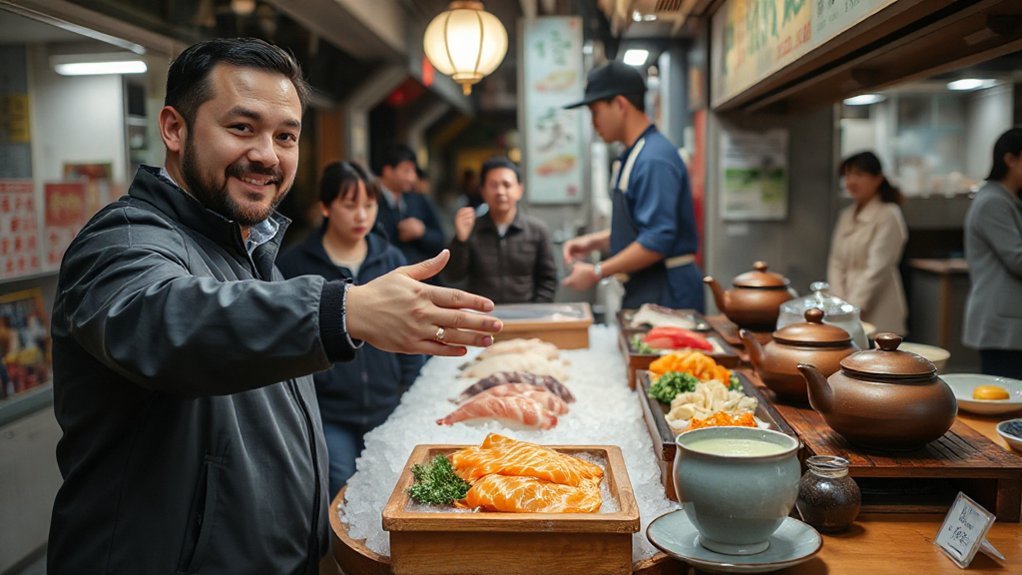
Tasting your way through Tokyo is the surest way to understand the city, and it starts where the knives sing—at the market. With a local at Tsukiji, you learn to read the shine on tuna, sniff for clean brine, and chat with vendors who’ve sliced before sunrise. The Tsukiji Market Tour + Private Sushi Making Class lets you pick fish, then roll it yourself, while your guide shows grip, rice feel, and why Seasonal ingredients keep flavors honest. A 3-hour Local Food & Drink Tastings: sushi stroll, rated 5.0 (59 reviews), moves at a friendly clip and leaves room for a tea and a grin. You’ll duck into busy stalls and tucked-away izakayas, where someone translates the board and steers you past the obvious. Along the way, you pick up bowing and tea ceremony basics, taste kaiseki balance, and hear how Fermentation traditions power miso, pickles, and sake.
Specialty and Family-Friendly Tours
You can book specialty tours that fit your crew, from anime and pop‑culture strolls with arcade stops to a Tsukiji market walk plus a private sushi‑making class, and the best guides set an easy pace and let kids get hands on. For shorter attention spans, you’ll do well with a 3‑hour Hidden Gems walk or a 3‑hour Local Food & Drink sushi tasting, both 5.0 rated, where a patient guide keeps the chatter light and the snacks coming. If you’ve got a stroller or wobbly knees, say so up front since Tokyo means trains, stairs, and plenty of walking, and a good guide will map elevators and short hops or even plan a full‑day private family tour (about 40,000 yen for 8 hours) and handle lunch and transit so you can just roll.
Kid-Friendly Itineraries
While Tokyo can feel huge on a map, kid-friendly guides shrink it to size with short walks, playground breathers, and hands-on stops that keep little legs fresh and moods sunny. They plan Sensory breaks and Nap scheduling, steer strollers onto easy trains with PASMO ready, and mix Senso-ji with quiet Yanaka Ginza.
- Tsukiji wander plus a private sushi-making class, about three hours, kid-tuned.
- Play at Yoyogi or Meiji Shrine grounds before short hops to sights.
- Pre-tour chat sets ages, walking limits, restroom windows, and meal stops.
- For Hakone or multi-stop days, guides clip transfers and keep backups.
They’re patient, flexible, and practical, the kind who read a brewing meltdown, shift the route, find a snack, and somehow keep curiosity high and parents breathing easy.
Anime and Pop Culture
How does Tokyo’s anime side click into place without turning into a wild goose chase? You hire a private, family-friendly pop-culture guide and let them steer. They’ll shape the day around anime, manga, kawaii hits, and arcades, and they’ll keep you moving, not milling. Grant A. (4.97/5) runs sharp anime tours, and Chiaki K. (4.94/5) leans into cute characters with heart. You’ll ride trains with help, walk Akihabara and Nakano Broadway, duck into character shops, maid cafés, and retro game arcades, and hear straight talk on Fandom Etiquette, so you snap photos right and don’t step on toes. Full days start near 40,000 yen for eight hours, with 3–4 hour options for shorter attention spans. Expect patient guides, context, and Cosplay Workshops by request.
Stroller-Friendly Routes
Because little wheels change the map, a smart family guide redraws Tokyo in smooth lines and low steps, picking quiet start times so you glide, not grind, through the day. You’ll roll Yanaka Ginza’s flat stretch, cross Ueno Park on wide paths toward the zoo, and breathe easy on Meiji Shrine’s open grounds. When alleys pinch in Asakusa, we fold, smile, and reroute. I plan around pavement surfaces, elevator locations, and fewer transfers, often steering for Tokyo Station over Shinjuku. Short 3-hour Hidden Gems keep legs fresh, while full days flex with rest stops, snack breaks, and driver pickups. I carry Pasmo cards, flag family-friendly trains, and line up cafes, changing tables, and playgrounds.
- Quieter stations
- Elevator transfers
- Timed rest stops
- Backup car on-call
Planning Day Trips Beyond Tokyo
Even once you’ve soaked up the city, the best move is to pick one clean theme for your day out and plan the trains to match, since Kamakura’s temple paths sit just about an hour away, Hakone’s onsen and lake views run more like 1.5 to 2 hours on the Odakyu line or the Romancecar, Nikko’s shrines and cedar lanes land around 2 hours on JR or Tobu, and Fuji’s lakes near Kawaguchiko take roughly 2 to 2.5 hours by Fujikyu Railway or bus. Think Seasonal Timing: hydrangeas in June, Nikko maples in November, clear winter Fuji views. Make a tight Packing Checklist—Suica/Pasmo with the ¥500 deposit, layers, small towel, cash, snack. For easy mode, hire a private guide (about ¥40,000, eight hours). Use Odakyu’s Hakone Free Pass, JR or Tobu for Nikko. Staying at The Peninsula Tokyo? Let concierge lock trains, drivers, and tickets ahead for seats.
Frequently Asked Questions
Do Guides Accommodate Accessibility Needs Like Wheelchairs or Dietary Restrictions?
A picture’s worth a thousand words: Yes, guides accommodate you, arranging wheelchair access, dietary accommodations, and pacing. You’ll share needs early, confirm venues, and adjust plans on the fly, ensuring comfort, safety, inclusion throughout trips.
What Is the Tipping Etiquette for Guides in Tokyo?
You don’t tip in Tokyo—there’s a No tipping norm. Pay the agreed fee and express thanks. If service shines, consider Gift alternatives: a small hometown souvenir or snack, given discreetly. When unsure, follow operator’s guidance.
Can Guides Help With Suica Cards, Transit Navigation, and Hotel Pickups?
Yes, guides can assist: they’ll help with Suica purchases, Card activation, and top-ups; handle Route planning trains and subways; meet you for hotel pickups; troubleshoot gates; advise on transfers; coordinate schedules to keep plans smooth.
Are Tours Available During Cherry Blossom Season and Major Festivals?
Yes—tours run during cherry blossom season and major festivals; peak bloom averages seven days. You’ll want to book early due to Seasonal Pricing, limited slots, and Photo Opportunities, including hanami picnics, lantern parades, and cruises.
Is Travel Insurance Recommended for Guided Tours in Japan?
Yes, you’ll want travel insurance for guided tours in Japan. It covers deposits, delays, baggage, and emergencies. Review policy coverage, including medical evacuation, trip interruption, and activities. Compare providers, declare preexisting conditions, facilitate smooth claims.