
You probably don’t know Tokyo keeps its quiet side in Yanaka’s back alleys, where dusk smells like grilled skewers. You can slip into a small tea room, spot sumo practice at dawn, sip Hoppy with yakitori in Asakusa, and later squeeze into a Golden Gai bar the size of a closet. Mix in teamLab’s glow, Skytree views, and smart craft at D47. Here’s how to find them before the neon distracts you.
Key Takeaways
- Explore Yanaka on a food tour sampling mom-and-pop bites, Cat Street snacks, and learning izakaya etiquette and noren, oshibori, otoshi customs.
- Join locals on Asakusa’s Hoppy Street for yakitori and the shōchū-Hoppy mix ritual at curbside plastic tables.
- Experience a traditional tea ceremony in a Yanaka tatami tearoom, selecting antique bowls and practicing precise bows and sip timing.
- Watch dawn training at a sumo stable, observing shiko drills, hierarchy, and chanko, following strict silence and no-flash etiquette.
- Visit Shibuya’s d47 Museum to handle prefectural design samples and shop crafted pieces from rotating exhibitions.
Take a Food Tour in Yanaka

Wandering Yanaka with a hungry belly is the kind of simple plan that pays off fast. Join Arigato Food Tours and you’ll stroll an old-Tokyo grid that survived quakes and fire, sampling 10–12 little dishes and drinks as you go. You’ll bite into nostalgic snacks from mom-and-pop counters, sweet bean pastries that stain your fingers, and skewers hot off a tiny grill, then sip something crisp to reset. On Cat Street, you dodge lazy felines and spot cheeky statues while picking up rice crackers and custard puffs, a small game that keeps your feet moving.
Guides fold in plainspoken etiquette lessons, the sort you’ll actually use: read a noren curtain, handle an oshibori, accept an otoshi without fuss, and know wagyu from certified Kobe. They’ll nudge you through izakaya customs so you order right, share plates clean, and leave the counter like you found it, for good measure.
Attend a Traditional Tea Ceremony in Yanaka
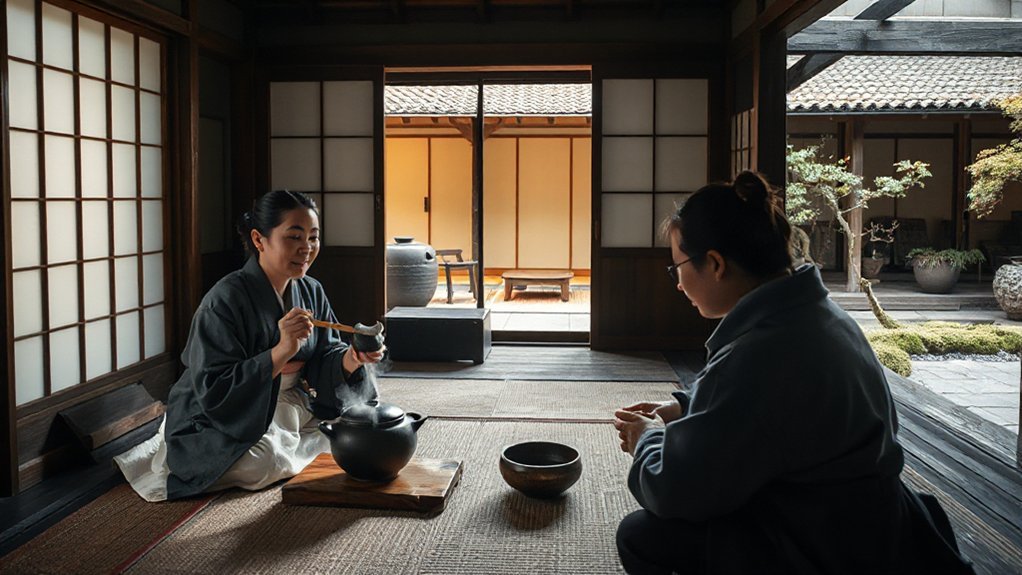
After the last skewer and sweet, Arigato’s Yanaka Food Tour steers you to a small tearoom tucked in a preserved shitamachi house, where the pace slows and the noise drops like someone closed a shoji on the world. You sit on a cushion, knees grateful for the tatami’s give, and the host guides you with Mindful Movements that make time feel wider. For 30 to 60 minutes you’ll learn why the bow comes first, how to turn the bowl so its front faces away, and when to take the first sip. The lesson is plain but rich, like good broth. You choose from Antique Bowls—maybe even a 270-year-old Vietnamese piece—and you’ll hold it steady, noticing the chips and stories baked into the glaze. The tea is smooth and grassy, a field in a cup. You’ll leave knowing the steps, but also how careful hands can welcome a stranger.
Soar Above the City at Tokyo Skytree
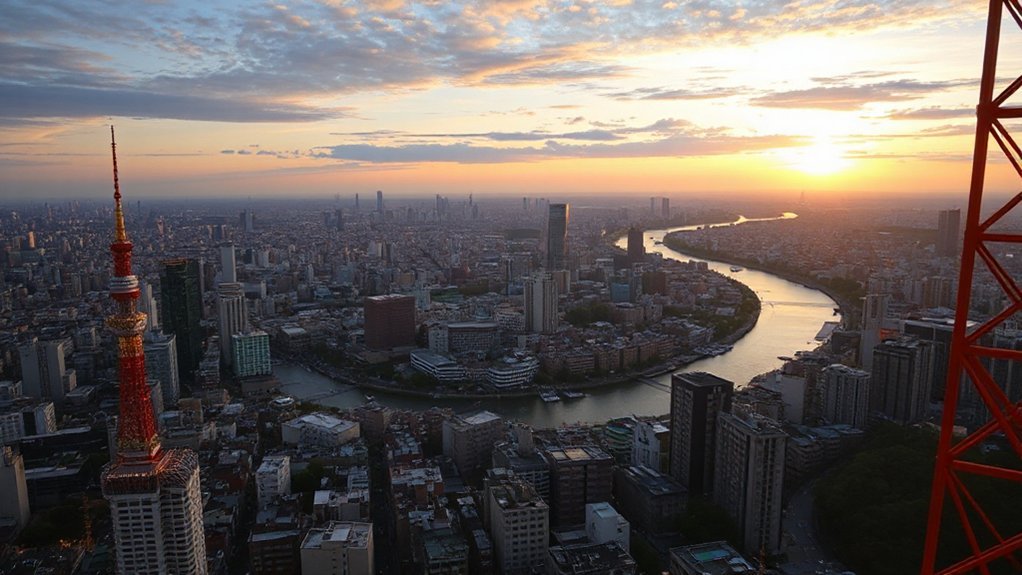
You ride up to the two panoramic observation decks—about 1,150 and 1,500 feet high—and the glass gives you a full sweep of Tokyo, with Mt. Fuji popping up on clear days like a clean stamp. For photos, go right at opening when the air is crisp or aim for sunset into blue hour when the grid lights up, and book this early in your trip so you’ve got a second try if haze muscles in. If the weather plays hardball, wait it out with noodles and a stroll through the shops or a rotating display upstairs, then step back to the windows when the clouds blink.
Panoramic Observation Decks
Though Tokyo can feel endless at street level, the city snaps into shape when you ride up Tokyo Skytree, Japan’s tallest structure at 2,080 feet, and look out from the Tembo Deck around 1,150 feet where the neighborhoods lay out like a patchwork map and trains slide through like silver threads. You’ll step into glass rings, with clear signs, ramps, elevators, so Accessibility Features aren’t an afterthought. Mind Viewing Etiquette—keep rails moving and use voices low.
| Spot | Height | Notes |
|---|---|---|
| Tembo Deck | ~1,150 ft | Rivers, rails |
| Tembo Galleria | ~1,480–1,500 ft | Wide horizon, city shrinks |
| Glass floor panel | Mid‑deck | Feet over streets, quick jolt |
| Seasonal exhibits | Varies | Pop‑ups and mini shows |
Weather shifts fast; go early in your trip and book tickets ahead to dodge queues.
Best Photo Times
When the air runs clear and dry, aim for early morning or late afternoon at Tokyo Skytree, because that’s when the city shows its edges and your photos pop. Shoot from the 1,150-foot deck to frame tight street grids, then ride up to 1,500 feet for clean, wide angles with fewer heads in the way, especially on weekday mornings. Plan this early in your trip so you can rebook if fog or haze rolls in; visibility flips up here. Check the forecast for low humidity and clear skies, because sunny doesn’t always mean sharp—haze hides Mt. Fuji and softens Tokyo Tower. Golden Hour, about 30–60 minutes before sunset, brings warm light and long shadows. Blue Hour after sunset begs long exposures, Tokyo Tower glowing.
Immerse Yourself in Digital Art at Teamlab Planets
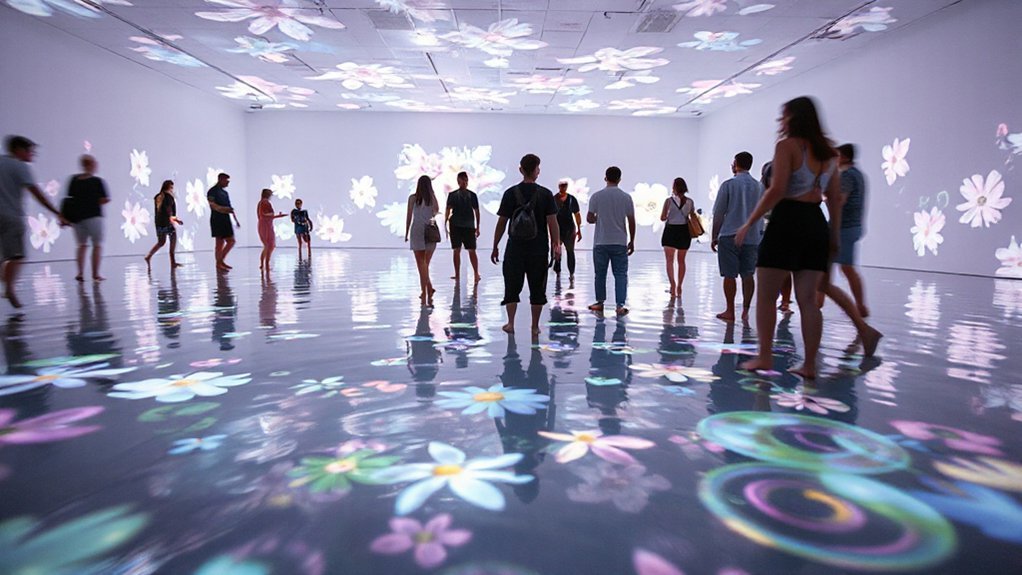
You stash your shoes in a locker and pad in on socked feet like a kid at a friend’s house, and you’ll feel the floor change under you before the art even starts. Then you wade into water-filled rooms, ankle-deep and mirror-slick, where digital koi slip past your legs and the surface throws back a reflection so sharp you’ll check for scuff marks. As you move, the interactive light installations chase your steps and answer your touch, so wander slow and steady, because here the artwork notices you and waits its turn.
Barefoot, Water-Filled Rooms
Stepping barefoot into TeamLab Planets feels like crossing a line you didn’t know was there, and then the floor turns to water and the walls turn to light.
You stash your shoes in a locker, pull on socks, and step into shallow pools where koi part and flowers bloom underfoot. The water is clear and calm, the visuals ripple, and your body slips into the scene. Mind Foot Hygiene and Slip Prevention, because you’re barefoot and the floors are slick. Expect wet socks between zones; these rooms reward patience.
- Roll pants to the knee and keep a hand free.
- Use towel stations; dry before moving.
- Short skirts ride up in mirrored spaces.
- Shoot low and steady; reflections do the work.
Interactive Light Installations
Past the wet floors, the lights start to listen to you, and that’s where teamLab Planets really gets under your skin. You pad in with socks, shoes in a locker, and step into four huge rooms where Projection Mapping and Interactive Soundscapes react to your body like you’re part of the wiring. Wade through shallow pools as digital koi split around your legs, mirrored walls doubling every ripple, and you realize this place isn’t for standing still. It’s whole‑body art, built to be touched, walked, and photographed, so take your time; they don’t rush you. Go on a weekday morning when it’s quiet and dim, and the sensors catch every move clean. Borderless roams; Planets grabs your sleeves. You leave grinning, toes nicely puckered.
Explore Japanese Design at D47 Museum
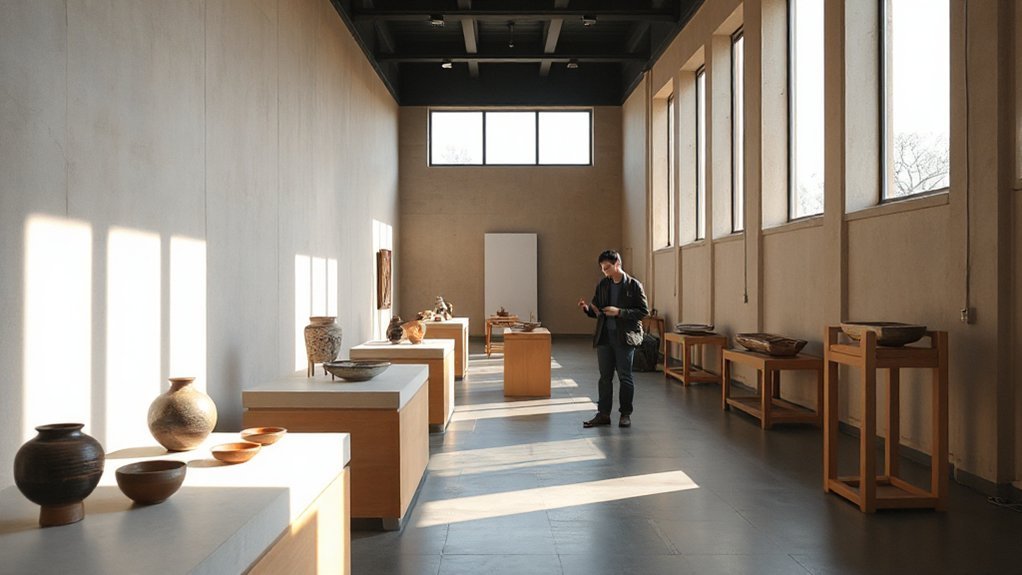
How does Japan show off its everyday design smarts without making a fuss? You ride up to the 8th floor of Shibuya Hikarie and slip into D47, where Prefectural Craftsmanship sits shoulder to shoulder with Material Innovation. Each show rotates through the 47 prefectures, sometimes by theme, sometimes by map, so you can compare a Nara bowl with a Hokkaido knife and see how the land shapes the hand. The pace is quiet, and sometimes you even smell them; one exhibit on fermented foods let you taste, sniff, and learn, like a tiny market class with labels.
- Find it: tucked deep in Hikarie; follow D47 signs, don’t be shy about asking security.
- Time it: open 11:00–20:00, last entry 19:30; late afternoon is calm.
- Engage: read the maker cards, touch samples when invited.
- Take home: the D&DEPARTMENT shop sells the real pieces you just met.
Witness Sumo: Morning Stable Visit or Tournament
From the quiet labels at D47, you head to sumo, where the loudest part lasts about ten seconds and everything before it teaches you patience. Book a morning stable visit with InsideJapan, and you’ll stand a few tatami from rikishi grinding through shiko, belt tugs, and hard charges. Follow Ritual Etiquette: bow at the door, keep quiet, and never use flash unless told. Bring warm socks, maybe. You’ll see the Training Hierarchy at work; seniors set pace, juniors mop floors and pour tea. Later, catch a Grand Sumo tournament: long pageantry, quick bouts, beer, vendors, and programs, maybe cardboard cutouts in some seats. Listen for Mongolian names; many champs hail from there, and locals love pointing that out.
| Pick | Notes |
|---|---|
| Stable | Sweat, stern focus, communal chanko. |
| Tournament | Drums, salt toss, short clashes, easy beer. |
| Seats | Box mats or chairs; calm aisle staff. |
| Timing | Early stables; afternoon match blocks. |
Sip With Locals in Shinjuku’s Golden Gai
Even though Golden Gai is just a few crooked lanes, it packs in 200‑plus tiny bars, most with about ten seats and a bartender who runs the place like their living room, so you slide in, say hello, and you’re part of the night. Come after dinner, from 18:00 to 02:00 most late nights, stools free up, and let the bartender steer the night. Whiskey, sake, and shōchū pour easy, with oolong tea nearby. Some spots are Hidden gems, like hard‑to‑find Lonely; Google may drop you a lane off, so trust your feet and hand‑painted signs. You might meet Arai‑san sliding over free snacks, and you’ll feel like you wandered into a friend’s den. Mind Bar etiquette, speak softly, don’t linger on your phone, and always kindly say thanks.
Slide into Golden Gai’s tiny bars; whisper, sip shōchū-oolong, let bartenders guide the night.
- Check covers and signs.
- Order shōchū-oolong (~¥700).
- Chat; follow bartender tips.
- Hunt discreet upstairs doors.
Taste Hoppy With Yakitori on Asakusa’s Hoppy Street
Leave Golden Gai’s snug stools behind and aim east for Asakusa, where Hoppy Street strings together smoky yakitori grills and no‑frills izakaya with plastic tables parked on the curb, the kind you wipe with your sleeve and don’t think twice. You sit down, the air smells like charcoal and chicken fat, and a server drops a bottle of Hoppy and a glass of shōchū. That’s your cue for Hoppy Rituals: pour the shōchū first, then top with the beer‑flavored brew, give it a quick stir, and sip. It’s light, crisp, and old‑school, a postwar habit that stuck because it works.
| What to do | Why it works |
|---|---|
| Order Hoppy + shōchū | Mix at the table, save yen, drink longer with low ABV. |
| Grab shio skewers | Salt lifts malt notes; negima and tsukune meet fizz. |
| Sit outside | Plastic stools, street chatter, grills flaring like tiny forges. |
Yakitori Pairings go salty.
Frequently Asked Questions
Do I Need Cash, or Is Contactless Widely Accepted at Small Establishments?
You’ll find contactless widely accepted, but you should still carry some cash for tiny shops and cash-only eateries. IC cards work on transit and many stores; Mobile wallets work, though mom-and-pop places may prefer yen.
Which Neighborhoods Are Best to Base Myself for These Experiences?
With 37 million in Greater Tokyo, you’ll thrive basing yourself in Shimokitazawa, Koenji, and Yanaka for vintage hunts, kissaten, and Food Alleys; add Nakameguro and Kiyosumi-Shirakawa for riverside strolls, micro-roasters, and emerging Art Districts, too.
How Should I Manage Reservations and Cancellations for Niche Tours?
You’ll book directly, confirm cancellation windows, and favor Flexible Policies with clear Deposit Options. Use credit cards, save confirmations, reconfirm 48 hours prior, message guides for changes, join waitlists, and carry travel insurance coverage too.
Are There Etiquette Tips to Avoid Cultural Missteps Across These Spots?
Measure twice, cut once: You respect Bowing Norms—short, gentle nods suffice, deeper bows for elders. You’ll mind Photo Etiquette: ask consent, avoid shrines’ areas, mute shutters. You remove shoes, queue quietly, handle cash with trays.
What’s the Easiest Way to Navigate Between Distant Neighborhoods at Night?
Use Night trains until last departures, checking times in transit apps. When lines stop, you’ll book rides via Taxi apps like GO or Uber. Carry an IC card, confirm surcharges, and favor well-lit streets too.