
Tokyo packs 37 million neighbors, yet your best moments feel private. You slip a helmet on for cosplay go‑karts, wipe mist off your glasses at teamLab, and chase sunset on Shibuya Sky; later you crunch taiyaki in Asakusa and whisper over smoky yakitori in Golden Gai—no tour bus in sight. I’ll show you what to book, when to go, and the tiny tricks locals swear by.
Key Takeaways
- Enter TeamLab Planets or Borderless for immersive digital art; book 1–2 months ahead and visit early morning or late evening for best photos.
- Explore Mitaka’s Ghibli Museum—storyboards, cozy sets, exclusive short film; tickets drop 10:00 JST on the 10th for next month, passport required.
- Spend a day at Tokyo DisneySea; rope drop Journey to the Center, claim harbor views for shows, and savor themed cocktails on American Waterfront.
- Drive Cosplay Go‑Karting through Tokyo streets in costume; tours ~70 minutes, follow the guide, and bring a valid International Driving Permit.
- Wander Asakusa’s Sensō‑ji: cleanse, waft incense, then sample taiyaki and senbei along Nakamise and browse Edo crafts like fans and tenugui.
Cosplay Go-Karting on Tokyo Streets
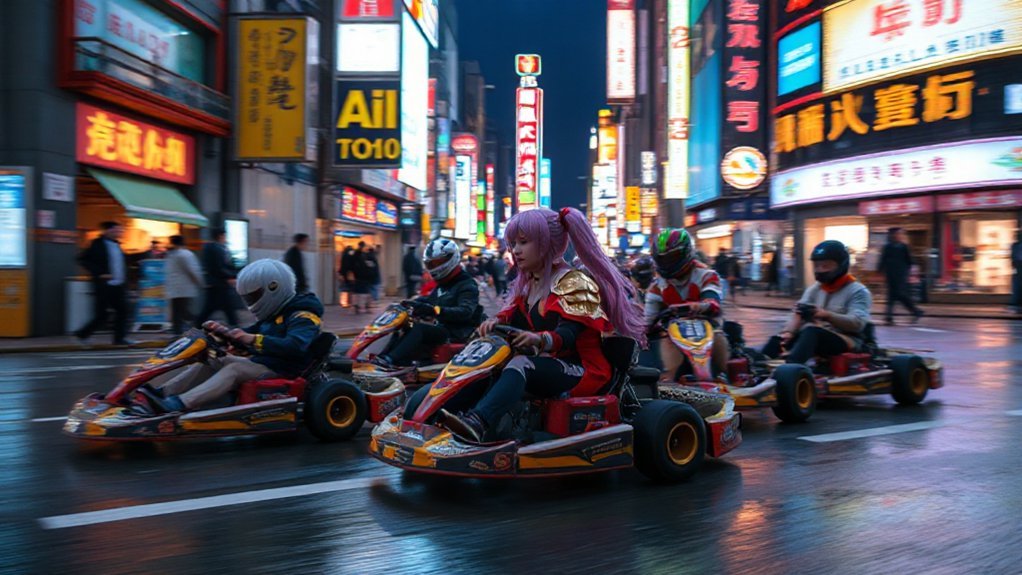
Ever wanted to dress up like a cartoon hero and roll past Tokyo Skytree in a tiny street‑legal kart while buses huff by your elbow? You can, and you’ll share lanes with cars, buses, and trucks, so you drive alert and steady. Operators once called Maricar, now folks like Monkey Kart, run themed loops through Asakusa and Shibuya, swinging by Skytree and Shibuya Crossing, and they lend costumes and take photos so you can keep both hands on the wheel.
Bring a valid International Driving Permit or you won’t start; many travelers miss bookings. Tours run 60–70 minutes; a 70‑minute Asakusa & Skytree ride is about $85 with costume and photos. Go before sunset for gold light, then neon. Book ahead. Safety Regulations are simple: stay in lane, follow the guide, no racing. Local Reactions vary, from waves to tired looks, so be courteous and give buses space.
Dive Into Digital Dreams at Teamlab Planets or Borderless
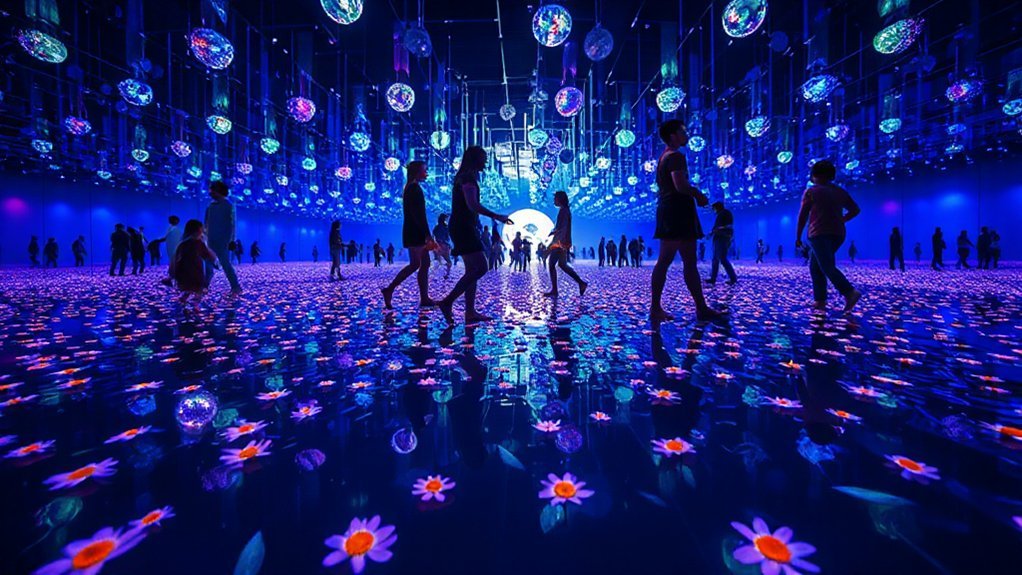
If you want big, body-first art, pick TeamLab Planets where you wade through warm water, step into “live” gardens, and even finish with vegan ramen, but if you like dense projection rooms that react as you move, go for TeamLab Borderless at Azabudai Hills, a touch less hands-on but packed wall to wall. Go early morning for quiet halls and clean shots, or grab an evening slot for neon-lit photos, with hours running roughly 8:30am to around 9–10pm. Tickets run about ¥3,800–5,600 (roughly $24–36) and sell out, so book 1–2 months ahead on the official site or a reseller like Klook, and give Planets a quick status check since it was once set to close but expanded in 2025—Tokyo loves a plot twist.
Planets Vs Borderless
How do you choose between TeamLab Planets and Borderless when both promise digital dreams you can step into? Start by thinking about Sustainability Practices and Visitor Flow, because how a place moves people and treats resources shapes your day. Planets pushes you to wade through water, rinse off, and tread soft paths, so staff guide lines and clean constantly; Borderless spreads folks through linked rooms, letting crowds drift like a gentle current, which feels calmer and kinder on space.
Planets is bigger, with ankle-deep pools, “live” gardens you wander, and a vegan ramen shop waiting after the splash. It expanded in 2025 yet bows out in 2027, so it’s a go-big-now kind of stop. Borderless at Azabudai Hills favors projections that bleed between rooms.
Best Times to Visit
Before you even set foot in Tokyo, grab tickets 1–2 months ahead on TeamLab’s site or Klook, because weekend and evening slots vanish fast and you don’t want to be the person reloading a sold‑out page.
Book earliest, around 8:30–10:00am, for calmer rooms and shots; late evenings get busier but the glow is gorgeous. Planets (expanded 2025) has water and a live garden; wear roll‑ups and allow 90–120 minutes. Borderless is projection‑dense; Planets is larger and interactive. ¥3,800–¥5,600 tickets; Planets closes in 2027—check hours. cherry blossom and autumn foliage, crowds swell—reserve earlier and favor weekdays.
| When | Why it works |
|---|---|
| Opening 8:30–10:00 | Quiet rooms, cleaner photos, shorter waits |
| Late evening | Busier, but richer colors and reflections |
| Weekday shoulder seasons | Fewer tours; better pace and space |
Spend a Day at Tokyo DisneySea
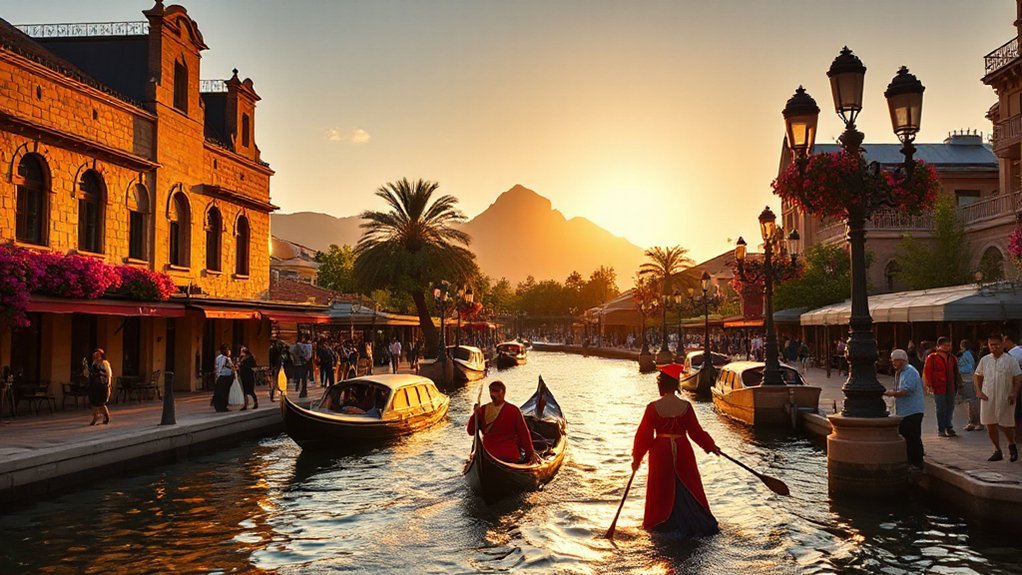
Stepping into Tokyo DisneySea feels like walking onto a grand harbor with eight ports calling your name, from Mediterranean Harbor and the American Waterfront to Mysterious Island, Arabian Coast, and the new Fantasy Springs, and it’s not your usual kiddie park either. You’re here for Harbor Spectacles on the water and Themed Dining that skews grown‑up, like cocktails in a 1920s lounge on the American Waterfront, plus rides you won’t find elsewhere.
- Hit rope drop, go to Journey to the Center of the Earth in Mysterious Island; loop back; lines swell fast.
- Claim a ledge on Mediterranean Harbor for showtime, check the day’s schedule, keep camera handy.
- Eat and sip with purpose: vintage lounge cocktails, Arabian Coast snacks, and corners in Fantasy Springs.
- Tickets start around ¥7,900 (~USD 51); book online early via the official site or Klook. Hotel MiraCosta’s inside access is pricey, and it sells out.
Over-the-Top Spectacle at the Samurai Restaurant in Shinjuku
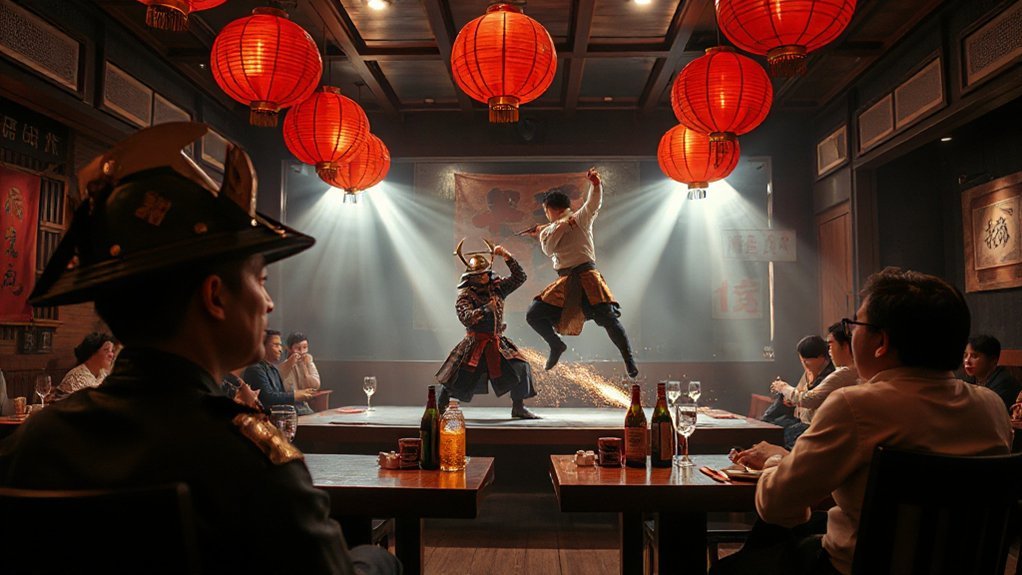
You step off Shinjuku Station and in a few minutes you’re at the Samurai Restaurant, the loud neon heir to the old Robot spot, watching dancers and ninjas whirl under lights so bright you could read your ticket. Book a combo ticket (think two drinks, about $64 on sites like GetYourGuide), pick a show time that fits—10:40am if you want your day back, 1:50pm for a lazy lunch window, 4:30pm to roll straight into night—and remember it’s 18+. Skip the meal unless you really want it, the show runs about two hours and that’s the point, so plan snacks before or after and you’ll be fine, your ears might thank you too.
Dancers Ninjas Neon Spectacle
Where else can you watch ninjas flip under neon while drums shake your ribs, then realize dinner is optional? You step into Shinjuku’s Samurai Restaurant, the heir to the Robot era, and the room erupts in neon choreography and kabuki fusion, loud, proud, and over-the-top. It’s an adults-only playground, more theater than restaurant, so you sip your drink and let the performers carry you like a parade you didn’t know you needed.
- Masks flash, swords ring, and dancers hit tight beats as lasers rake the floor.
- Ninjas tumble through smoke, then pop up grinning like it’s recess.
- Costumes bloom—chrome, feathers, and mirror shards that catch every bass note.
- You feel the story in your chest, part comic book, part festival.
Booking Tips and Timings
While the show plays like a neon thunderstorm, booking it is simple if you do a few things right: grab tickets online ahead of time (GetYourGuide often lists about USD 64 and throws in two drinks), pick a slot that fits your day—10:40 AM, 1:50 PM, or 4:30 PM—and plan on a roughly two‑hour run so you’re not sprinting to your next stop. Make Advance Reservations, because seats go fast, and bring a government ID; it’s strictly 18‑plus at the door. Aim to arrive 20–30 minutes early, since you’ll walk from Shinjuku Station, collect tickets, and settle in. Treat it as a performance, not dinner, and use Flexible Scheduling to match your itinerary—late matinee for shoppers, morning show for jet‑lagged early birds, and planners.
Explore the Whimsical World of the Ghibli Museum
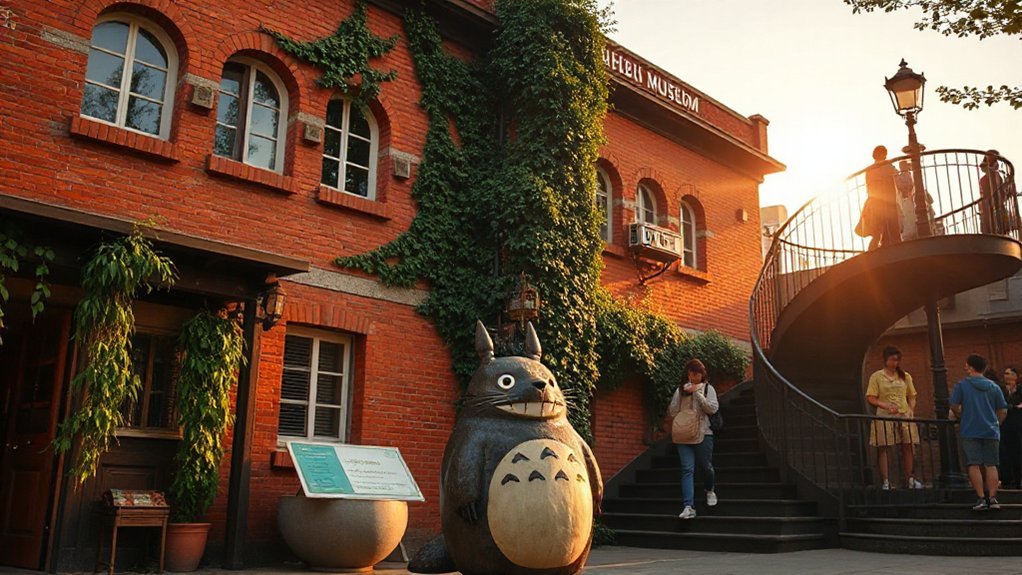
A short train hop to Mitaka lands you at a museum that feels like stepping into a sketchbook come alive, with walk‑through sets, original props, and fat stacks of storyboards from films like Spirited Away and My Neighbor Totoro. You wander past Original Storyboards and pencil tests, then climb toward the Catbus Rooftop where kids burn off wiggles while you catch the breeze and the view. Most signs and the exclusive short film play in Japanese, but you’ll still track the feelings just fine; the craft does the talking.
A living sketchbook: storyboards, pencil tests, Catbus breezes—craft that speaks without subtitles.
- Walk 15 minutes from Mitaka Station through leafy park paths.
- Buy tickets in advance: 1,000 yen, released 10:00 JST on the 10th for next month.
- Bring your passport; a QR code works at entry; hours run about 10:00–18:00, closed most Tuesdays.
- Expect rotating exhibits (like food in films), a compact layout, and cozy, photo‑ready nooks for fans and families.
Street Style and Sweet Treats in Harajuku
Because Harajuku hits like a sugar rush, you roll out of JR Harajuku and let Takeshita Street pull you in, a tight pedestrian lane stacked with character shops, boutiques, and crepe stands that never stop. Join the Crepe Culture, pick by the plastic models, and go classic with Nutella-banana or custard-strawberry; it’s cheap, it’s fast, and it’s perfect for railing-side people-watching. Pop into Kiddy Land, a multi-floor trove of character goods and rare collabs. Then browse Kawaii Boutiques for pastel socks and enamel pins. On Sundays and many evenings, it turns showtime: Harajuku girls, cosplay crews, and buskers pose for photo ops. When the crush hits, slip east into back lanes for murals, indie shops, and quirky cafés — animal cafés and the whimsy of Kawaii Monster Cafe. Walk slow and let the chatter guide you. If you buy one thing, make it useful; cute socks travel light.
Neon Nights: Shibuya Sky and Scramble Crossing
Leave the crepe-sweet buzz of Harajuku and hop one stop to Shibuya, where the city spreads out like a lit circuit board and you can stand on its roof. Ride up to Shibuya Sky, a fully outdoor 360-degree deck for sunset-to-neon views; since March 2025, book roughly two weeks ahead because slots disappear.
- Time golden hour so you watch day fade and signs ignite; great for Night Photography if you brace on a rail.
- Scan the 360, breeze on your face, no glass glare, Shinjuku flashing far and, on clear days, Fuji faint.
- Drop to street level and cross the five-way Scramble; feel Crowd Dynamics as waves pass, quick but polite.
- On a budget, try the 7th-floor terrace at Shibuya 109 or the second-floor Starbucks, though Sky’s bird’s-eye still wins.
Keep your camera ready and your pace easy; flow with it, and you’ll leave grinning at the glow.
Time-Travel at Sensoji and Asakusa’s Old Town
When you duck under Kaminarimon’s big red lantern at Sensō-ji, Asakusa feels like a rewind button that works, the kind where incense hangs in the air and the ground looks scuffed by a thousand sandals. You rinse your hands, waft smoke for luck, and fall into Temple Rituals that make sense even if you’ve never done them, then you follow the drumbeat of vendors toward Nakamise. The old shop fronts push out taiyaki, ningyoyaki, and crisp senbei, and you snack as you browse Edo Crafts like fans, tenugui, and wooden toys that look built to last. It’s compact and walkable, so you swing from the main hall to side alleys in minutes, peeking at cafés and period signs that haven’t hurried in decades. Join an Arigato Japan food tour or hop on a bike tour to learn the back lanes. Asakusa Station. Time travel, no flux capacitor required.
Sip and Stroll in Golden Gai and Memory Lane
Though Shinjuku never really sleeps, you’ll feel the night switch on as you duck west of the station into Omoide Yokocho, where about 30 yakitori and ramen stalls cram in shoulder to shoulder, smoke curling up from grills and cold beers sliding across cramped counters like it’s been this way since the war. You squeeze in, order skewers, and try Yakitori Pairings—negima with a lager, tare-glazed thigh with a highball— you get why folks linger. Then you stroll five to ten minutes to Golden Gai, six alleys and roughly 200 tiny themed bars, neon buzzing, artists and night-owls swapping stories. Mind Bar Etiquette: ask before entering, bring cash, some spots add cover, drinks run ¥700–¥1,500; arrive early, go after dark.
Night switches on: Omoide Yokocho smoke, Golden Gai neon, cash-only nods, linger over skewers.
- Ten seats, jackets brushing, smoke in sleeves.
- Handwritten signs, jazz nook, film-poster cave inside.
- Owner-poured shochu, two cubes, guided-crawl nod shared.
- Lantern light on wet pavement, taxis idling.
Frequently Asked Questions
What’s the Best Way to Get Around Tokyo Without a JR Pass?
Use IC cards and ride subways and buses; they’re cheapest and fastest. Follow Subway etiquette: queue, stay right on escalators, silence phones. Don’t hail taxis unless necessary; when late, use last trains or night buses.
Do Onsens Allow Tattoos, and How Can I Find Tattoo-Friendly Baths?
Some onsens allow tattoos, but many don’t. You should search tattoo-friendly onsen maps, check reviews, or message facilities. Follow tattoo etiquette: cover small ink with patches, choose a private onsen room, or visit ryokan/kashikiri baths.
Is Tokyo Cashless-Friendly, or Should I Carry Yen?
Tokyo’s largely cashless, but you should still carry some yen. Busy, buzzing, brilliant streets beckon. You’ll tap widely thanks to contactless acceptance and a prepaid Suica, yet eateries, temples, and taxis sometimes want cash anyway.
Where Can I Try Quirky Dining Like Zauo or Themed Cafes?
Try Zauo’s fishing-restaurant branches around Shinjuku; you’ll catch your dinner. For themed cafés, hit Akihabara’s Maid Cafes, plus Harajuku and Shibuya Animal Cafes. Book ahead, check age rules, and verify animal welfare policies before visiting.
Which Day Trips From Tokyo Offer Historical Sites Beyond Kamakura?
Head to Nikko Shrines, Kawagoe Streets, and Sawara’s canals. You can explore Naritasan Shinshoji, Hakone’s Tokaido Checkpoint and shrine, plus Mito’s Kairakuen and Kodokan. You’ll ride easy trains, walk preserved districts, and absorb Edo-period history.