
Tokyo can feel like a 10,000-piece puzzle tossed in the air, so a private guide helps you snap it together fast. You zip Meiji Shrine to Harajuku to Shibuya without backtracking, while they wrangle trains, tickets, shrine rituals, and food stories, slipping you into alley ramen and depachika treats, tailored for picky eaters or strollers. Check Akira N., Kahoko K., and Toshihiro Y.—aim for 4.9+ with lots of reviews. Now, the smart way to choose—and when to skip one.
Key Takeaways
- Save time with efficient routing between Meiji Shrine, Harajuku, and Shibuya while a guide handles multi-line transit and tickets.
- Gain cultural context on shrine etiquette, food traditions, and local customs you’d likely miss when traveling solo.
- Access hidden alleys, Yanaka Ginza lanes, and tiny ramen or izakaya spots often hard to find independently.
- Tailor the day—tea ceremony, Tsukiji tastings, sake, or kid-friendly stops—matched to diets, pace, and accessibility.
- Book vetted guides like Akira N. or Kahoko K. (≈4.95/5, 300+ reviews) via trusted marketplaces; use instant‑book or message to customize.
The Pros: Why Taking On Tokyo With a Guide Works
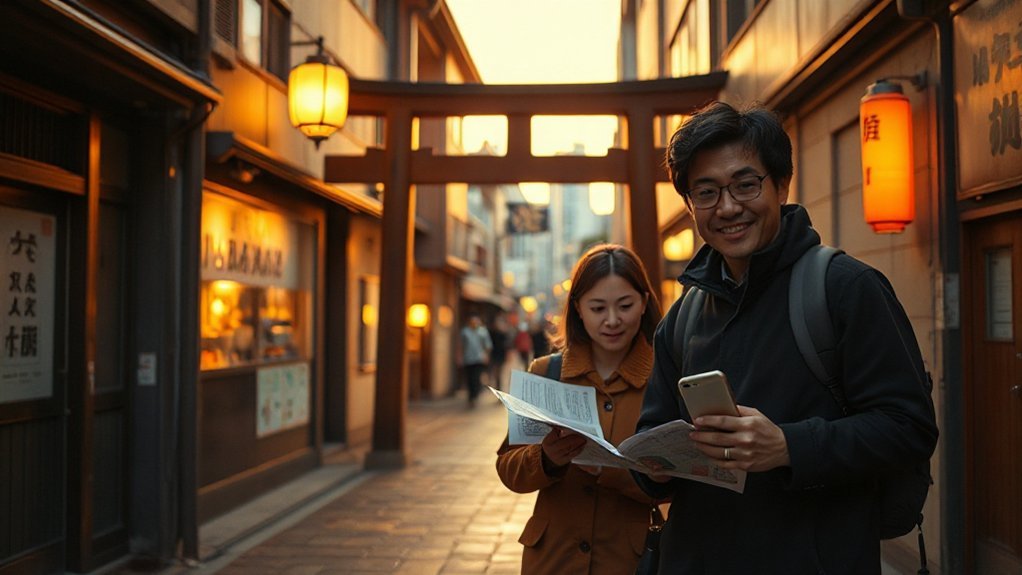
Even if you love to wander on your own, a good Tokyo guide can turn a big, busy city into a clear, easy day, the kind where you see more and stress less. With a pro beside you, time efficiency stops being a wish and turns into your plan, hopping Meiji Shrine to Harajuku to Shibuya without backtracking or subway guesswork. They handle tickets and train lines run by different operators, you just glide. You also get cultural context that sticks—why to bow at a shrine, how ramen broth tells a shop’s story, what that lantern mark means.
A seasoned, certified guide with decades in the city can slip you into Yanaka Ginza’s quiet lanes and tiny alleyway ramen joints you’d likely walk past. You can tailor the day too: tea ceremony, Tsukiji bites, sake tastings, or a sunset Shinjuku stroll, fit to your diet, kids, and curiosity.
The Cons: Why You Might Want To Travel Solo Through Tokyo
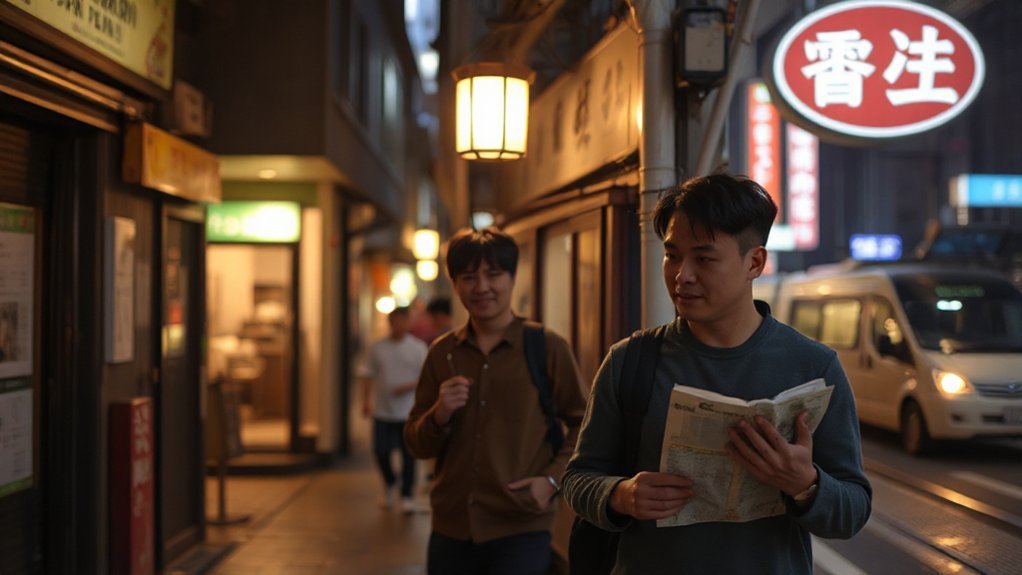
While a guide can smooth the edges, you might like Tokyo best when you hold the map yourself and follow your own nose. You plan your own days, use Japan‑guide and transit apps, and stitch routes that fit how you move, not how a tour clock ticks. You wander Shimokitazawa or Yanaka Ginza, duck into a kissaten, spot street art, change plans when rain hits, and no one hurries you from a shrine you love. If you speak some Japanese, or just trust maps and screens, you don’t stall; English can be patchy, but it’s rarely a wall.
Going solo saves real money; private guides add up, and lunch stops can push costs higher. Restaurant plans can spark Dining awkwardness—set menus you don’t want, fixed times when you’re not hungry. You set the pace, skip meetups, and dodge Logistical fatigue from corralling timelines, daily detours, and group needs.
Okay, I Want a Tour, Just Not a Traditional One: Splitting the Difference
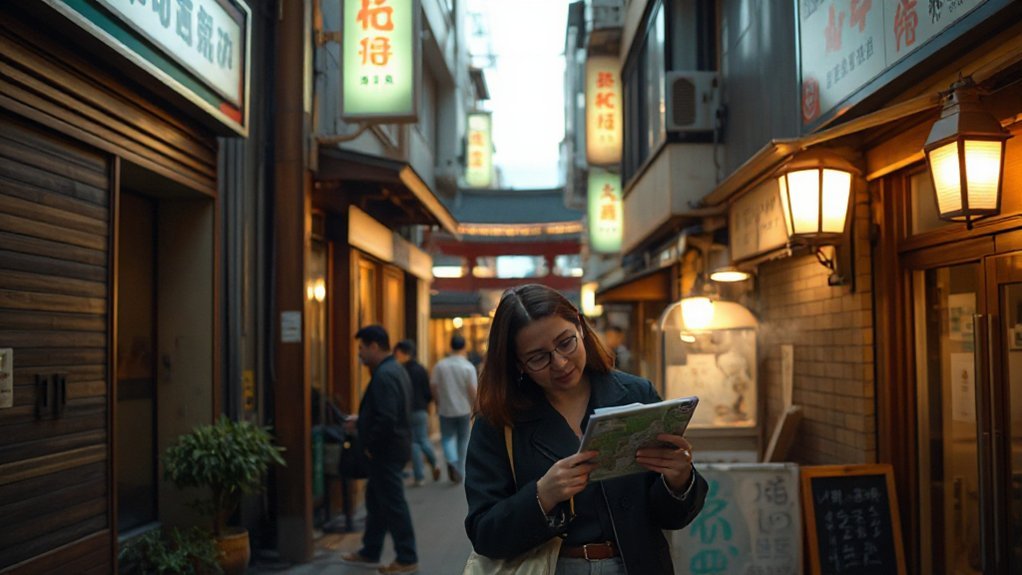
So you like steering your own day but wouldn’t mind a local hand to open a side door or two—there’s a sweet middle ground. Pick a private split tour, like City Unscripted’s 3–4 hour themed walks—sushi, tea, or “Eat Like a True Tokyoite”—and you’ll get stories, tiny counter bars, and zero full‑day drag. Or grab Micro experiences on Viator or Klook; many start near US$40, and keep you tight on one thread, say a Tsukiji food lovers stroll or a Shinjuku sunset-to-neon loop. Want more range? Hire a certified local with decades in the city—folks like Akira N. or Kahoko K.—for a half day that blends must-sees and alleyway surprises. On a budget, try Tokyo Free Guides or Goodwill Guides, plus Global Basecamps-style hosts, and just cover transit and snacks. Crave independence? Book Host meetups or a chat-first plan that hands you maps, eateries, and a quick check‑in.
The Guide to Guides: Dos & Don’ts on a Tour of Tokyo
With your guide, you’ll handle shrine and temple etiquette without fuss—rinse your hands at the basin at Senso-ji, take off your hat, bow at the gate, keep your voice soft, and remember many places stop letting folks in about 30 minutes before closing, so you don’t roll up late and miss it. On trains, line up on the floor marks, let riders off first, keep your phone on silent, wear your backpack on your front, talk low, skip snacks, and give up a seat to someone who needs it—Tokyo runs on rails and manners, in that order. Do these simple things and you’ll move smoother, look like you belong, and spare yourself the little stumbles that eat time and pride.
Shrine and Temple Etiquette
Before you step under a torii or through a temple gate, think of yourself as entering someone’s living room, sacred edition, where you mind your shoes, your voice, and your hands. Dress in Respectful Attire, cover shoulders, skip hats. At the temizuya, follow Purification Rituals: scoop water, rinse left hand, then right, pour into your palm to rinse your mouth, never the ladle, then rinse the handle. You’re ready.
At shrines like Meiji Jingu, approach the offering box, toss a coin—5 yen is lucky—bow twice, clap twice, make a wish, then bow once. In temples, remove shoes where posted and be quiet. Waft incense smoke toward you, don’t hog it. Photos fine outside; inside halls or ceremonies, no. Don’t eat, keep your phone quiet.
Train Manners Matter
Even if Tokyo’s trains run like clockwork, the real magic is how quietly everyone helps them along, and that’s where you and your group come in. You coach Mobile Etiquette: speak softly, skip phone calls, and pocket videos till the platform. You model Rush Hour Navigation: queue on the lines, stand clear of doors, and let folks off first. Keep bags slim, use racks or coin lockers, and don’t block aisles. No snacking on locals, save it for shinkansen, and bin wrappers later. Spot priority seats and offer them fast. Tap IC cards cleanly at gates. Keep it calm.
| Do | Don’t |
|---|---|
| Speak softly, no calls | Chat on trains |
| Queue, clear doors | Push or squeeze |
| Yield priority seats | Ignore badges |
| Use racks, lockers | Block aisles |
Enough Talk—Let’s See Some Tokyo Highlights
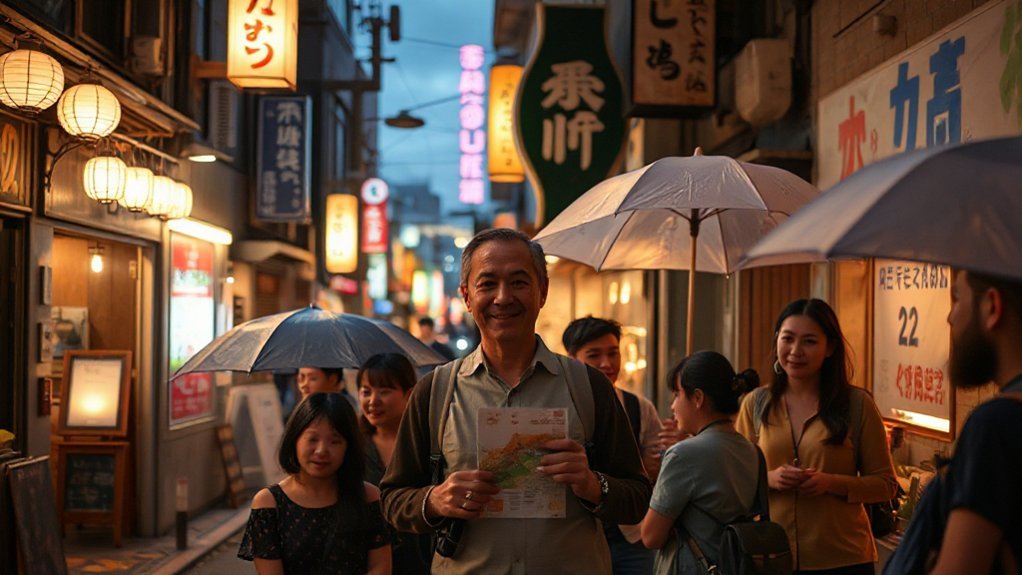
Let’s run an Iconic Sites Sprint you can actually feel: clap in the hush at Meiji Shrine, watch the smoke and crowds at Senso-ji, grab a quick sushi bite at Tsukiji’s outer stalls or a depachika counter, then catch sunset views and cross Shibuya like you own the lane. Then we take a Hidden Gems Detour, slipping into Meiji’s forest paths, peeking past Takeshita to quiet Harajuku side streets, and ducking into a snug Shinjuku izakaya where the menu is handwritten and the grill marks tell you what’s good. We’ll time it to miss the worst lines, keep the steps easy, and leave room for the little wins—like a perfect custard bun or that one photo where the neon looks like rain, no filter needed.
Iconic Sites Sprint
Grabbing the hits in one brisk loop, you’ll jump from sky to street and back again: ride up Tokyo Skytree, all 634 meters of it, for a clean sweep of the city and Mount Fuji when the air plays nice, then swing by Shibuya Crossing where about 2,500 people pour through each green light—yes, it’s crowded, that’s the point.
Use a timed itinerary to keep pace, hopping Sensō-ji, Meiji’s woods by Harajuku, and Tsukiji for bites on busy days. I’ll share photo strategies you can trust to save seconds and get better angles too.
| Stop | Best time | Tip |
|---|---|---|
| Tokyo Skytree | Morning clear | Prebook tickets |
| Shibuya Crossing | Dusk | View from cafe |
| Sensō-ji & Nakamise | Early | Side gate angles |
| Tsukiji Outer Market | Mid-morning | Cash for bites |
Hidden Gems Detour
Where do you go when the big names start to blur? You duck into Yanaka Ginza and its Shitamachi Alleys, where century-old snack stalls, tiny temples, and hand-made craft shops sit shoulder to shoulder, and a guide knows who’s friendly and who fries the best croquettes. Then you ride to Shimokitazawa Boutiques for retro jackets, indie cafés, and backstreet ramen counters no bigger than a living room, easy to miss unless someone points down the right lane. Slip through Omoide Yokocho and Golden Gai, where a dozen seats means a reservation helps, and your guide has one. Pop into Isetan or Takashimaya depachika for wagashi, premium bento, and a quick sushi bite. Finish with a quiet matcha tasting or wasabi soft-serve, your call today.
How to Hire a Tokyo Guide and Book the Right One
How do you hire the right Tokyo guide without wasting a day and a wad of yen? Start on a solid list, like a trusted guides marketplace or JNTO, and filter by district—Asakusa, Harajuku, Ginza—or by specialty like food or photography. Do a quick license verification, then sort by ratings and review counts. Akira N. (4.95/5, 390), Kahoko K. (4.96/5, 389), and Toshihiro Y. (4.90/5, 337) are good benchmarks.
Read reviews to test for personality fit; you’ll want someone who can set a calm pace and still find the side door. Use instant-book if your dates are tight, or hit Message and lay out dates, headcount, interests, and any diet or accessibility needs.
Compare payment options and price tiers—Tokyo Free Guides may ask subway fare and a meal, while themed tours start at $40. Before booking, confirm meeting point, transit costs, cancellation terms, and interpreter license—English is middling.
Frequently Asked Questions
Are Private Tokyo Tours Accessible for Wheelchairs or Strollers?
Yes, many private Tokyo tours accommodate wheelchairs and strollers. You’ll confirm venue accessibility and transport adaptations beforehand, request step-free routes and elevator access. Ask for ramped vehicles, guide support, and don’t hesitate to specify needs.
Do Guides Accommodate Strict Dietary Restrictions and Food Allergies?
Absolutely—your guides become culinary bodyguards, shielding you from rogue peanuts and stealthy gluten. They handle menu translation, restaurant coordination, kitchen briefings, implement cross-contamination safeguards, carry allergy cards, and confirm ingredients so you’ll eat confidently everywhere.
What Is the Tipping Etiquette for Private Guides in Tokyo?
Don’t tip by default; Japan doesn’t expect tips. If service excels, follow Cultural Norms: offer cash discreetly in a small envelope, not hand-to-hand. Cash Expectations: 1,000–5,000 JPY is generous. Alternatively, a gift or thanks suffices.
Can Tours Be Customized for Kids or Multigenerational Families?
82% of family travelers request customization—you can tailor tours for kids and multigenerational families. You’ll choose age appropriate activities, flexible pacing, routes, workshops, and downtime. Guides adjust nap schedules and mobility needs, keeping everyone engaged.
What Happens in Case of Rain or Severe Weather?
You’ll typically follow the operator’s rescheduling policy: they’ll contact you, offer dates or times, or switch to indoor alternatives like museums, markets, or workshops. If conditions are unsafe, they’ll cancel and issue refunds or credits.