
Tokyo can feel like five cities stacked on top of each other, especially for first time visitors looking at the train map for the first time. The good news? A smart Tokyo 3 day itinerary doesn’t require crossing the entire city every afternoon. Keep each day focused on nearby neighborhoods, and public transportation becomes the easy part of your trip.
This travel guide gives you old Tokyo, neon Tokyo, gardens, food, shrines, and those huge city views everyone talks about. You will also experience a blend of Japanese culture alongside modern innovations, supported by simple station transfers, rainy-day swaps, and a few important booking warnings before you go.
Key Takeaways
- Group nearby neighborhoods together instead of zigzagging across Tokyo, which helps first time visitors save time and energy.
- Use an IC card for most public transportation, including trains, subways, buses, and small purchases.
- Start early at Senso-ji Temple and Tsukiji Outer Market, especially on weekends.
- Reserve timed attractions such as teamLab Planets and Shibuya Sky before arriving.
- Leave room to slow down during your Tokyo 3 day itinerary because Tokyo is much more fun when you are not sprinting between platforms.
Before You Start: Tickets, Timing, and Your Base
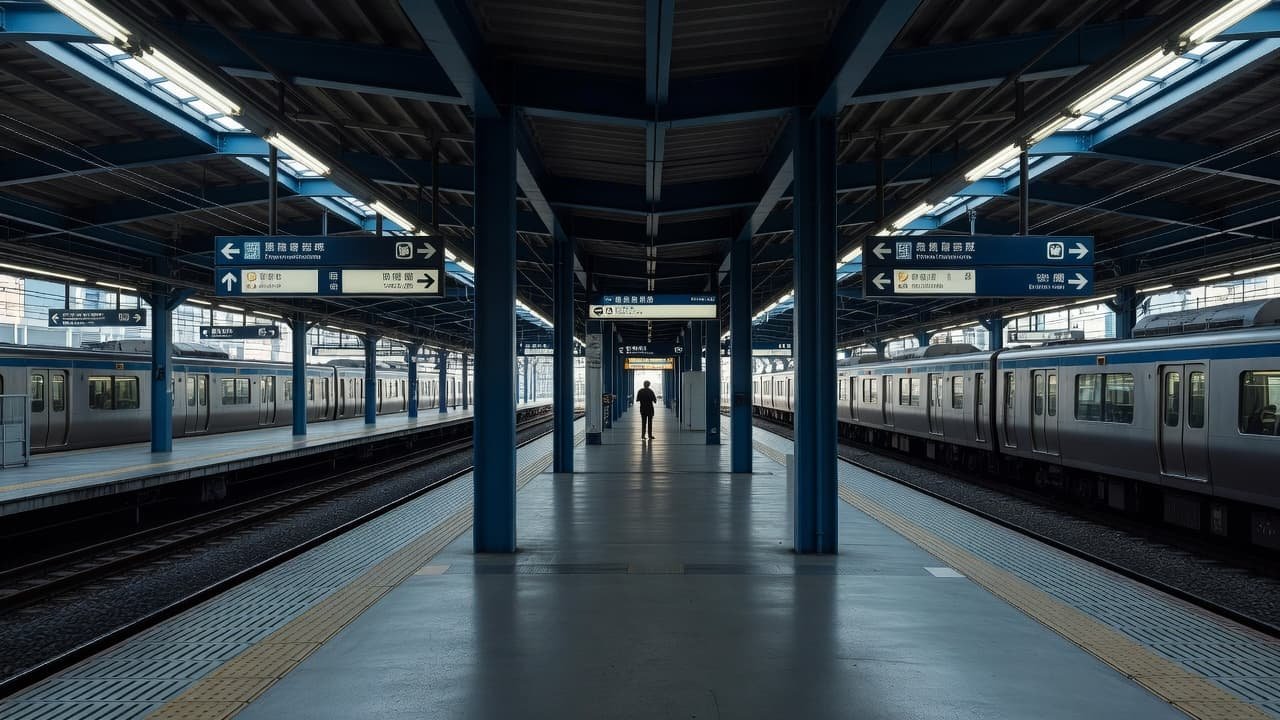
Tokyo’s rail network looks intense, but most first time visitors use only a few lines. For this Tokyo 3 day itinerary, you’ll mainly use the Tokyo Metro Ginza Line, the JR Yamanote Line, the Toei Oedo Line, and the Yurikamome.
The easiest payment option is an IC card Pasmo Suica. Regular Suica and PASMO sales resumed in 2025, and both are available again in 2026. Short-term visitors can also use Welcome Suica or Tourist PASMO, which are tourist cards valid for 28 days without a deposit. Welcome Suica is sold at Narita Airport, Haneda, and selected JR East Travel Service Centers, including locations at Tokyo, Ueno, Shibuya, and Shinagawa stations.
Load money before leaving Narita Airport using your IC card Pasmo Suica. Then tap in and tap out without buying a ticket for every ride. These cards also work at many convenience stores, vending machines, and taxis.
One small 2026 warning: new ticket machines at Ginza and Ueno stations on the Ginza Line are scheduled to accept credit card tap or QR payment, but not your IC card Pasmo Suica or paper tickets. Don’t panic if you see one. Use another machine or a staffed counter.
Stay near Ueno, Asakusa, Tokyo Station, Shinjuku, or Shibuya for easier mornings. Reviewing local hotel recommendations helps first time visitors choose the best base. A hotel beside a station is a huge deal here. The difference between a two-minute walk and a fifteen-minute walk with luggage suddenly feels dramatic, especially when navigating public transportation.
Avoid the busiest commuter periods when possible, roughly 7:30 to 9:30 a.m. and 5 to 7 p.m. Google Maps is excellent for routes, but check the station name and exit number before walking. Tokyo stations can have several connected exits, and “I’m outside” doesn’t always mean you’re near the right street.
For another perspective on arranging neighborhoods over three days, this three-day Tokyo travel guide serves as a helpful travel guide for comparing pacing and stop combinations alongside these hotel recommendations.
Tokyo 3 day itinerary: The Route at a Glance
This plan assumes three full days, with your arrival and departure handled separately. If your first day begins after a long flight, skip the evening add-on and go to bed. Jet lag doesn’t care how beautiful Shibuya is.
Day 1: Asakusa, Ueno, and Akihabara
Start in Asakusa, Tokyo’s best first look at the city’s older side. Take the Tokyo Metro Ginza Line to Asakusa Station, then follow the signs toward Kaminarimon Gate. You won’t miss it. The giant red lantern is basically Tokyo’s most dramatic welcome sign, even without needing to read anything.
Walk through Nakamise-dori toward Senso-ji Temple, Tokyo’s oldest temple. Exploring these traditional temples and shrines gives you a real feel for Japanese culture right away. The Senso-ji Temple grounds are open to walk through, but the main hall and nearby shops keep their own hours. Visit Senso-ji Temple in the morning for a calmer atmosphere and more open vendors. Confirm current hours around holidays, especially during New Year.
Give yourself about two hours around Senso-ji Temple here. Try a small street snack, look up at the old-style shopfronts, and wander toward the Sumida River if you need a quieter break. The river walk gives you a nice view of Tokyo Skytree without committing to another ticket. From across the water, Tokyo Skytree towers over the neighborhood, and photographing Tokyo Skytree is a classic first-day activity.
Next, take the Ginza Line from Asakusa to Ueno. This is a simple ride with no transfer. At Ueno, have lunch around Ameyoko, the lively shopping street beneath the train tracks. You’ll find seafood, snacks, casual restaurants, and plenty of people trying to decide what smells best. Good luck choosing.
Spend the afternoon in Ueno Park. The park contains several museums and cultural sites, but don’t try to visit all of them. Pick one based on your interests, and check its opening day and hours before you go. Museum closures often fall on Mondays, though schedules vary.
Finish in Akihabara Electric Town, two short stops from Ueno on the JR Yamanote or Keihin-Tohoku Line. Explore the arcades, electronics stores, anime shops, and themed cafes in Akihabara Electric Town. You don’t need to be a devoted manga fan to enjoy the visual chaos of Akihabara Electric Town. The whole neighborhood feels like someone turned the volume up.
To return, take the JR Yamanote Line back to Ueno, then transfer to the Ginza Line for Asakusa. If you’re exhausted, a taxi is perfectly reasonable. You already walked enough to earn it.
Day 2: Meiji Shrine, Harajuku, Shibuya, and Shinjuku
Day two is your big west Tokyo day as part of your Tokyo 3 day itinerary. Take the JR Yamanote Line to Harajuku Station, then walk toward Meiji Shrine. The Meiji Shrine sits inside a huge forested area alongside Yoyogi Park, so the city noise drops away surprisingly fast. Walking through the tall trees of Meiji Shrine, followed by a stroll through Yoyogi Park, makes you forget you are in a mega-city.
Meiji Shrine visiting hours change with sunrise and sunset, so check the current seasonal schedule before setting out. Special ceremonies, maintenance, and New Year crowds can also affect access to Meiji Shrine. Wear comfortable shoes because the path to Meiji Shrine is longer than it looks.
After the shrine, walk into the Harajuku neighborhood to reach Takeshita Street for colorful shops, crepes, and people-watching. The Harajuku neighborhood is always lively, and Takeshita Street can be packed, especially on weekends. If the crowd on Takeshita Street feels like too much, turn onto the quieter side streets around Cat Street and Omotesando in the wider Harajuku neighborhood. You’ll still get the fashion and design side of the area without being squeezed along the main lane.
From Harajuku, take the Yamanote Line one stop to Shibuya. You can also walk there in about twenty minutes if the weather is pleasant. See the famous Shibuya Scramble Crossing from street level, then go upstairs in a nearby building for a better view. Standing above the Shibuya Scramble Crossing gives you a great perspective on the crowds, while walking right through the Shibuya Scramble Crossing is an essential experience.
Book Shibuya Sky ahead if you want the rooftop view. Timed entry slots for Shibuya Sky can sell out, and the outdoor deck at Shibuya Sky may close during strong wind or bad weather. Check the operating conditions on the day of your visit.
Have dinner in Shibuya, or continue two Yamanote stops to Shinjuku. Shinjuku is perfect for an evening walk through Omoide Yokocho, the narrow alleyways of Golden Gai, or the restaurants around the station. Exploring Omoide Yokocho and the tiny bars tucked away in Golden Gai gives you a glimpse of old-school Tokyo nightlife. Nearby, Shinjuku Gyoen National Garden offers a peaceful daytime escape, though you can also just wander through the bustling streets of Shinjuku. Stay aware of touts offering suspiciously cheap nightlife deals. A friendly invitation can become a very expensive drink.
If you prefer a calmer night, stop at the Tokyo Metropolitan Government Building instead. Its observation decks have traditionally offered free city views, but confirm current opening days, hours, and any renovation notices before visiting.
This west-side route is also easy to adjust for families. A family-friendly Tokyo itinerary offers useful ideas if you need more parks, shorter walks, or earlier evenings.
Day 3: Tsukiji, Ginza, Tokyo Station, and the Bay
Begin day three of your Tokyo 3 day itinerary at Tsukiji Outer Market. Take the Toei Oedo Line to Tsukijishijo Station, or the Hibiya Line to Tsukiji Station. Both stations are close to Tsukiji Outer Market. Go in the morning because individual vendors at Tsukiji Outer Market set their own hours, and many food stalls close before the afternoon.
This is the place to sample Japanese cuisine through a local food tour or just by exploring street food markets on your own. Tsukiji Outer Market is ideal for grilled seafood, tamagoyaki, sushi, fruit, and small bites that somehow become a full breakfast. If you are comparing options, the larger Toyosu Fish Market handles wholesale auctions, but Tsukiji Outer Market remains the top spot for visitors looking to taste authentic Japanese cuisine without needing a pre-booked spot. Bring cash as a backup, move carefully through narrow lanes, and don’t eat while blocking a shop entrance. Market etiquette is simple: buy, step aside, enjoy.
From Tsukiji, walk toward Ginza. The route takes around fifteen to twenty minutes and gives you a look at the polished department stores, luxury boutiques, cafes, and wide streets. If your feet are already complaining, take the Hibiya Line for one stop.
Continue to Tokyo Station for lunch and a walk through Marunouchi. The red-brick Tokyo Station building is one of the city’s most recognizable sights. Nearby, the Imperial Palace grounds feature wide moats and historic stone walls, making a stroll around the Imperial Palace a relaxing break from the concrete. The surrounding streets near the Imperial Palace and Tokyo Station are much calmer than Shibuya, with broad sidewalks and clean views.
For your afternoon, choose one of two versions.
If you’ve booked teamLab Planets, take the Oedo Line from Tsukijishijo to Shiodome, then transfer to the Yurikamome for Shin-Toyosu. teamLab Planets uses timed entry, so reserve before your trip and check the current schedule, expected visit length, and closure notices. The teamLab Planets exhibition involves water, bare feet, and dark rooms, so wear clothes that won’t cause a small personal crisis.
Afterward, stay on the Yurikamome to Odaiba for waterfront views, shopping, and sunset. You can also spot Tokyo Tower in the distance from various vantage points along the bay, or head toward a traditional observation deck if you want a panoramic look at the skyline. Return to Shimbashi on the same line. The Yurikamome is driverless, and sitting at the front can be surprisingly fun.
If you didn’t get a teamLab ticket, spend more time around Ginza and Tokyo Station instead. You can visit Hamarikyu Gardens from the Tsukiji or Shiodome area, but confirm seasonal opening hours and holiday closures. This slower option is a better choice in hot weather or after a late night.
How to Keep the Trains Easy
Tokyo’s public transportation system rewards patience more than confidence. Follow the line color, station number, and destination direction. If an app says “transfer at Ueno,” you may need to leave one operator’s gates and enter another. That isn’t a mistake, but keep your ticket or IC card ready.
The JR Yamanote Line is the easiest loop for first time visitors. It connects Ueno, Akihabara, Tokyo, Shibuya, Shinjuku, and Harajuku. The Tokyo Metro is usually better for Asakusa, Ginza, Tsukiji, and other central neighborhoods.
Don’t buy a nationwide JR Pass for these three days. Tokyo’s local trains and public transportation are usually cheaper with an IC card or individual fares. A 24-hour, 48-hour, or 72-hour Tokyo Subway Ticket can work if you plan several Tokyo Metro and Toei Subway rides, but it doesn’t cover JR or every private railway. Count your planned trips before buying.
Leave ten minutes for station transfers, especially at Shinjuku, Tokyo, and Ueno. First time visitors should follow the signs carefully instead of copying the crowd. And please don’t stop at the top of an escalator. Future-you will be grateful.
Weather can change the whole day. On rainier days, swap outdoor walks for Ueno museums, department stores in Ginza, Tokyo Station galleries, or the observation deck at Tokyo Metropolitan Government Building. If your Tokyo 3 day itinerary feels too packed, you can also pivot to indoor spots like Tokyo Tower or historic grounds near the Imperial Palace, Meiji Shrine, and Senso-ji Temple. When slowing down your Tokyo 3 day itinerary, remove Akihabara or Odaiba rather than rushing every stop to soak in Japanese culture.
A broader Tokyo travel guide for 2026 and a reliable travel guide can help you compare attraction updates and neighborhood options before finalizing your bookings.
Frequently Asked Questions
Do I need to buy a Japan Rail Pass for this 3-day Tokyo itinerary?
No, a nationwide JR Pass is not necessary or cost-effective for a strictly Tokyo-based trip. Instead, use a rechargeable IC card like a Suica or PASMO to easily tap through local trains and subways.
What are the best areas to stay in for first-time visitors?
Staying near major transit hubs like Ueno, Asakusa, Tokyo Station, Shinjuku, or Shibuya makes mornings much smoother. Choosing a hotel within a couple of minutes of a station saves significant time and energy when carrying luggage.
How far in advance should I book popular Tokyo attractions?
Major timed-entry experiences like teamLab Planets and Shibuya Sky often sell out weeks ahead of time. You should reserve these tickets online before arriving in Japan to secure your preferred time slot.
Conclusion
A first visit doesn’t need a frantic checklist. This Tokyo 3 day itinerary works because each day stays in one part of the city, with train rides that are short, clear, and easy to repeat for first time visitors.
Start early for Senso-ji and Tsukiji to take in traditional temples and shrines, book your time at the Shibuya Scramble Crossing viewpoint, and stop to sample local Japanese cuisine along the way. This Tokyo 3 day itinerary is at its best when you have enough time to explore a tiny restaurant, a strange vending machine, or a view you didn’t plan to find.