
Tokyo is so large that choosing a hotel can feel like picking one tiny square on a giant game board. Search for “where to stay Tokyo” and you’ll see the same neighborhoods come up again and again, but that doesn’t mean one area works for everyone.
There is no single best area for every traveler. Shinjuku is fantastic for convenience, Shibuya feels younger and louder, Asakusa brings traditional Tokyo, and Tokyo Station keeps train connections wonderfully simple. The right choice depends on your plans, your energy level, and how much time you want to spend changing trains.
Key Takeaways
- Shinjuku is the easiest all-around base for most first-time visitors.
- Shibuya suits travelers who want shopping, food, nightlife, and a lively atmosphere.
- Tokyo Station, Marunouchi, and Ginza are excellent for Shinkansen trips, polished surroundings, and efficient transport.
- Ueno and Asakusa offer a calmer stay, older Tokyo scenery, and good value.
- Choose the station first, then choose the hotel within a five- to ten-minute walk.
“Where to stay Tokyo”: start with your station, not your hotel
Tokyo’s neighborhoods are connected by an enormous rail and subway network. That’s brilliant once you understand it. On your first morning, though, hauling luggage through a massive station while jet-lagged is not exactly the magical travel moment you pictured.
The simplest rule is this: stay close to a major station that matches your itinerary. A hotel that looks affordable or stylish can become a headache if you need a 20-minute walk before every train ride.
The JR Yamanote Line is useful for many first-time itineraries because it loops through major areas such as Shinjuku, Shibuya, Ueno, Tokyo Station, and Shinagawa. You don’t need to stay directly beside it, but being near the line can make your first few days easier.
Also check your airport route before booking. Haneda is close to central Tokyo, with routes including the Tokyo Monorail and Keikyu Line. Narita takes longer, so a hotel near a simple rail connection can make arrival and departure much less stressful.
Think about your planned day trips, too. If Kyoto, Osaka, or Hakone is on the itinerary, Tokyo Station or Shinagawa may save you time. If your trip is mostly food, shopping, and late-night wandering, Shinjuku or Shibuya may fit better.
| Area | Best for | Main advantage | Possible drawback |
|---|---|---|---|
| Shinjuku | First-time convenience | Huge transport hub, food, shopping, nightlife | Busy and confusing at first |
| Shibuya | Energy and shopping | Great restaurants, shops, nightlife, connectivity | Loud, crowded, and hilly in places |
| Tokyo Station and Marunouchi | Rail trips and polished surroundings | Shinkansen, JR, and central connections | Can feel business-focused at night |
| Ginza and Nihonbashi | Dining and a calmer central stay | Elegant streets, restaurants, central location | Often less budget-oriented |
| Ueno | Value and practical sightseeing | Rail access, museums, Ameyoko Market | Less neon excitement |
| Asakusa | Traditional atmosphere | Senso-ji, old Tokyo streets, family-friendly pace | Farther east for some attractions |
| Shinagawa or Hamamatsucho | Airport and train logistics | Useful routes for Haneda and Shinkansen | Less neighborhood character |
The takeaway is simple: the best answer to “where to stay Tokyo” starts with what you want to do each day, not with a hotel ranking.
Shinjuku is the easiest all-around choice
If you want one answer with the fewest compromises, pick Shinjuku. It has the transport, restaurants, shopping, bars, department stores, and late-night options that make a first Tokyo trip feel easy.
Shinjuku Station is enormous. I mean genuinely enormous. Give yourself extra time when meeting someone there, because “I’ll meet you at Shinjuku Station” is not a complete plan. Choose a specific exit, landmark, or nearby café instead.
The area works particularly well for travelers who want variety. You can spend the morning in Shinjuku Gyoen, browse department stores in the afternoon, eat ramen or yakitori at night, and still find something open afterward. Kabukicho has bright signs, bars, restaurants, and plenty of activity, while quieter streets sit around the western side of the station.
The station connects you with the JR Yamanote Line, Chuo Line, several subway lines, and private railways. That makes Shinjuku useful for day trips toward places such as Kichijoji, Nakano, Mount Takao, and western Tokyo. The direct airport route may not be the simplest option for every arrival, so check your exact flight and hotel location before you commit.
For a first stay, look around the station rather than choosing the farthest edge of Shinjuku. The area spreads widely, and a hotel that appears close on a booking map may require a long walk across major roads.
Shinjuku is convenient, but convenience depends on the exact exit. Five minutes on a map can feel different when you’re crossing a huge station with luggage.
Shinjuku is also a strong pick for solo travelers and friends with different interests. One person can shop, another can visit a museum, and everyone can regroup for dinner without crossing the entire city.
If you want a more personal comparison of Tokyo bases, this first-time Tokyo neighborhood guide also compares Shinjuku with other popular areas.
Shibuya brings the energy
Choose Shibuya if you want your first Tokyo stay to feel lively the second you step outside. The famous crossing is only one small part of the neighborhood, but it gives you a good idea of the overall mood: bright, busy, young, stylish, and a little wild.
Shibuya has excellent shopping, cafés, restaurants, bars, and small side streets. Center-gai is crowded and loud, while areas around Shibuya Stream, Daikanyama, and Ebisu offer a different pace. Harajuku and Omotesando are close enough for an easy walking day, depending on your exact route.
Transport is another major reason to stay here. Shibuya connects with JR lines, the Tokyo Metro, and private railway lines serving western Tokyo. You can reach Shinjuku quickly, and the area works well for plans involving Harajuku, Meiji Jingu, Daikanyama, Nakameguro, or Shimokitazawa.
The main downside is the crowd. Shibuya can be tiring after a full day of sightseeing, especially if your hotel sits directly beside the busiest streets. If you like the location but want better sleep, look a few blocks away from the station or toward Ebisu and Daikanyama.
Shibuya is especially good for:
- First-time visitors who want restaurants and shops nearby
- Travelers interested in modern Tokyo culture
- Couples who prefer stylish cafés and evening walks
- Visitors who want easy access to Harajuku and western neighborhoods
The area is not always the quietest choice, and it may not give you the traditional Tokyo atmosphere you imagined. But if your ideal evening includes sushi, vintage shopping, cocktails, and people-watching, Shibuya is hard to beat.
For hotel-area comparisons that include Shibuya, Shinjuku, Asakusa, and Ginza, see this practical guide to Tokyo neighborhoods.
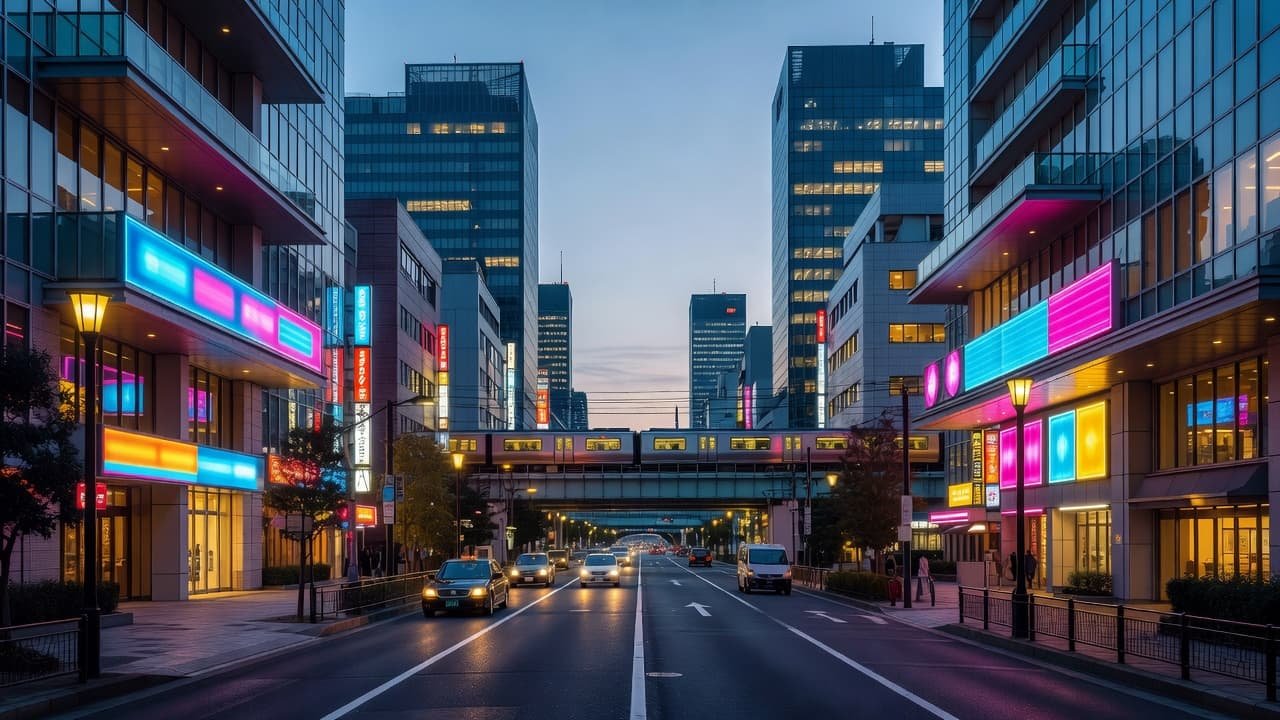
Tokyo Station, Marunouchi, and Ginza keep logistics simple
If you’re taking the Shinkansen, arriving by train, or planning several day trips, look at Tokyo Station and Marunouchi first. This is the clean, organized choice. Not boring, exactly, but less chaotic than Shinjuku and less youthful than Shibuya.
Tokyo Station connects the Shinkansen with JR services, the Narita Express, and multiple subway lines. That makes it practical for travelers who don’t want to drag luggage through several transfers. It is also useful for trips to Kyoto, Osaka, Nagoya, Nikko, and other destinations, depending on your route.
Marunouchi sits between Tokyo Station and the Imperial Palace. The streets are broad and polished, with offices, restaurants, department stores, and attractive evening lighting. The area feels busiest on weekdays and quieter after business hours.
That calmer feel can be a plus or a minus. If you want nightlife outside your door, Shinjuku or Shibuya will probably feel more fun. If you want a peaceful hotel base and easy train access, Marunouchi makes a lot of sense.
Ginza is close by and offers department stores, luxury shopping, cocktail bars, galleries, and excellent restaurants. It feels more polished than gritty, with wider streets and a slower evening rhythm. Ginza is a strong fit for couples, food-focused travelers, and visitors who want central Tokyo without staying beside a giant nightlife district.
Nihonbashi sits northeast of Tokyo Station and adds older commercial streets, traditional shops, and a quieter local feel. It is central but doesn’t shout about it. I love that kind of neighborhood. You can get everywhere, then come back to streets that aren’t performing for tourists.
This central area is a smart answer to “where to stay Tokyo” when your priority is efficient movement, especially if Tokyo is one stop in a larger Japan trip.
Ueno and Asakusa offer a slower first visit
For traditional scenery, lower-key evenings, and practical sightseeing, consider Ueno or Asakusa. These neighborhoods sit east of the central business districts and give you a different picture of Tokyo.
Ueno is useful for travelers who want museums, parks, markets, and straightforward rail connections. Ueno Park is home to major museums, while Ameyoko Market brings busy stalls, casual food, and a rougher edge than the polished streets around Ginza.
The neighborhood also connects with the JR Yamanote Line, other JR services, and subway lines. Ueno Station can be useful for trips toward northern Tokyo and parts of the wider Kanto region. It is a practical base, especially if your itinerary includes museums or you prefer not to stay in a nightlife center.
Asakusa feels more historic. Senso-ji, Kaminarimon Gate, Nakamise shopping street, and the Sumida River are all close together. Early mornings can be beautiful here, before the main crowds arrive. The streets have old-style shops, small restaurants, and plenty of snack stops. Yes, you will probably buy something you didn’t plan to buy. That’s part of the experience.
Asakusa is a good fit for families, culture-focused travelers, and anyone who wants a more traditional atmosphere. It can also work well for visitors who prefer quieter nights. The tradeoff is distance. Reaching Shibuya, Shinjuku, or western Tokyo takes longer than it would from a central station area.
Ueno and Asakusa are often grouped together, but they don’t feel identical:
- Ueno is better for museums, markets, and broad train access.
- Asakusa is better for temples, older streets, and a slower rhythm.
- Ueno feels more practical and urban.
- Asakusa feels more atmospheric and traditional.
Neither is a bad choice for a first visit. In fact, if bright nightlife isn’t your priority, staying east may make Tokyo feel more comfortable and less exhausting.
This Tokyo area guide for first-time visitors also compares Ueno and Asakusa with the city’s major western neighborhoods.
Roppongi, Shinagawa, and Hamamatsucho suit specific plans
Not everyone needs to stay in the usual four neighborhoods. Roppongi is a good option for travelers interested in galleries, international dining, nightlife, and upscale hotels. Mori Art Museum and Tokyo City View are nearby, and the area has a cosmopolitan feel.
Roppongi can be convenient for some plans, but it isn’t the easiest base for every sightseeing route. The JR Yamanote Line doesn’t run through Roppongi Station, so check your daily destinations before booking. If most of your plans are in Shibuya, Asakusa, or Ueno, another neighborhood may reduce transfers.
Shinagawa deserves attention if you’re combining Tokyo with the Shinkansen or care about a simple airport departure. Shinagawa Station has major JR connections and Shinkansen services. The area is modern and convenient, though it feels more like a transport and business district than an old Tokyo neighborhood.
Hamamatsucho can be useful for Haneda Airport access through the Tokyo Monorail. It is also close to Tokyo Tower, Zojoji Temple, and the waterfront around Takeshiba. The location is practical, but hotel selection and atmosphere vary by the exact street.
These areas are not universal recommendations. They’re targeted choices. That’s a good thing. Tokyo has enough neighborhoods that you don’t have to force yourself into Shinjuku because every generic list calls it the winner.
Match the neighborhood to your travel style
Still unsure where to stay Tokyo? Start with the kind of trip you’re actually taking, not the trip you think you should take.
For the easiest first trip, choose Shinjuku. You get huge transport connections, endless food options, shopping, and plenty to do when your carefully planned day falls apart. It will. Tokyo is too interesting to follow a perfect schedule.
For shopping, cafés, and nightlife, choose Shibuya. You can build full days around Shibuya, Harajuku, Omotesando, Ebisu, and Daikanyama without spending every hour on trains.
For a Japan itinerary with Shinkansen travel, choose Tokyo Station, Marunouchi, or Shinagawa. Saving one awkward luggage transfer can be a huge deal when you have an early departure.
For traditional Tokyo and a gentler pace, choose Asakusa. The temples, river, markets, and older streets give you a strong sense of place right outside the hotel.
For museums and practical value, look at Ueno. It has a useful station, a good sightseeing mix, and a more relaxed feel than the western entertainment districts.
For polished dining and shopping, choose Ginza or Marunouchi. These areas are central, attractive, and easy to pair with a special dinner or an evening walk.
For families, look for a hotel close to a station with larger rooms, reliable elevators, laundry access, and a quiet street. Asakusa, Ueno, and parts of Shinjuku can all work. The neighborhood matters, but the room setup matters just as much.
For nightlife, Shinjuku and Shibuya are the obvious picks. Roppongi works better if you want international bars, galleries, and a more upscale evening scene.
Practical booking tips for your first Tokyo hotel
Once you’ve picked the area, don’t book immediately. Open the map and measure the walk to the station. Aim for five to ten minutes. Ten minutes with a small backpack is one thing. Ten minutes with two suitcases, a child, and a train to catch is a different sport.
Check which station exit is closest. Tokyo stations can have many entrances, and the nearest exit may not connect directly to every platform. Hotel directions often mention a station name without explaining the most useful exit, so look at the route yourself.
Room size deserves attention. Tokyo hotels often use space efficiently, which can mean compact rooms. That’s not automatically a problem. A small, well-designed room with luggage storage can feel better than a larger room with nowhere to put your suitcase.
Look for the details that affect daily comfort:
- Twin beds if you don’t want to share one
- Laundry machines for longer trips
- A refrigerator for drinks and snacks
- Convenient luggage storage
- A nearby convenience store
- Clear late check-in instructions
- An elevator if you’re carrying large bags
- A quiet-facing room when sleep matters
Don’t choose a hotel based only on its distance from one attraction. Tokyo days usually combine several areas. A hotel near one temple may leave you far from the restaurants and train lines you’ll use every evening.
Airport arrival time matters, too. Haneda is usually simpler for central Tokyo. Narita requires more planning, especially with a morning flight. For a short stay, direct or low-transfer airport access can be more valuable than a slightly better neighborhood atmosphere.
Before finalizing, compare the hotel’s own access directions with a map app. Search the exact hotel name, then check routes to Tokyo Station, Shibuya, Shinjuku, Asakusa, and your airport. Five minutes of planning now can prevent a lot of station-related drama later.
Where to stay in Tokyo for first-time visitors: the final call
There isn’t one perfect answer, and that’s the good news. Shinjuku is the safest all-around recommendation. Shibuya is more energetic. Tokyo Station and Marunouchi win for train logistics. Ginza feels polished, while Ueno and Asakusa offer culture, markets, and a calmer pace.
Pick the neighborhood that matches your real priorities, then stay close to the right station. That one decision will shape every morning, evening, luggage transfer, and spontaneous food stop.
Tokyo is going to feel huge when you arrive. Choose a convenient base, and it starts feeling manageable much faster.